Motor skills development Normal Letter Recognition Worksheets for 8-Year-Olds
3 filtered results
-
From - To
Enhance your 8-year-old's motor skills and letter recognition with our engaging Normal Letter Recognition Worksheets. Designed specifically for young learners, these printable activities combine fun and education to help children recognize letters and improve fine motor skills through writing, tracing, and coloring exercises. As students practice, they develop confidence in their letter knowledge while honing their hand-eye coordination and dexterity. Our worksheets are perfect for both classroom settings and home learning, making them a versatile resource for parents and teachers alike. Foster a love for learning and build essential literacy skills with our interactive worksheets tailored for 8-year-olds!
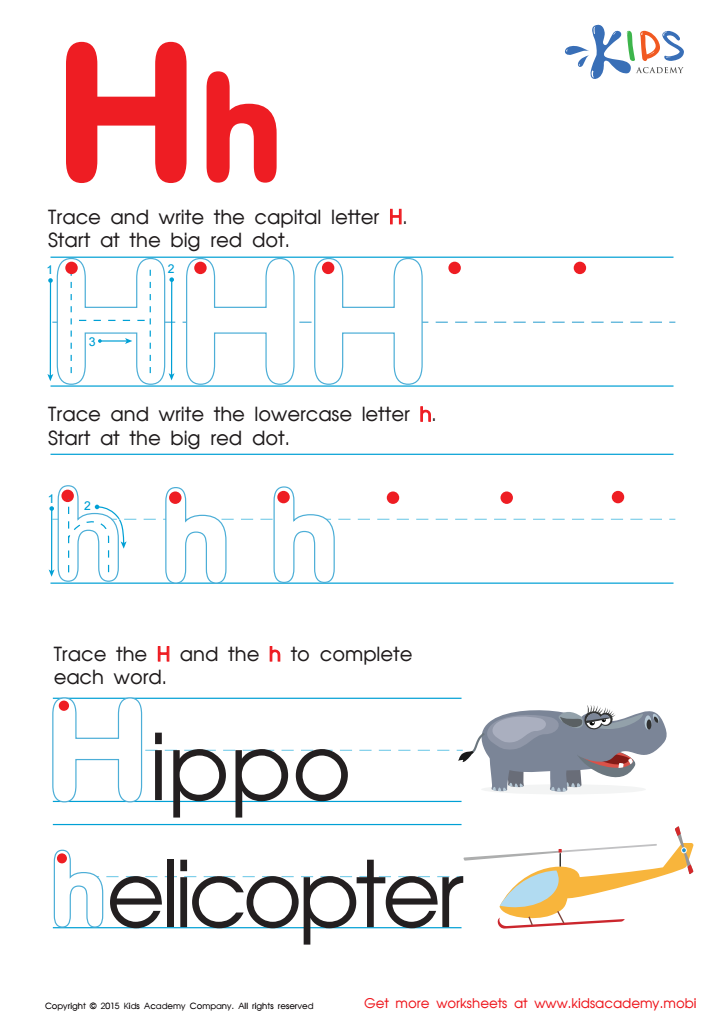
Letter H Tracing Page
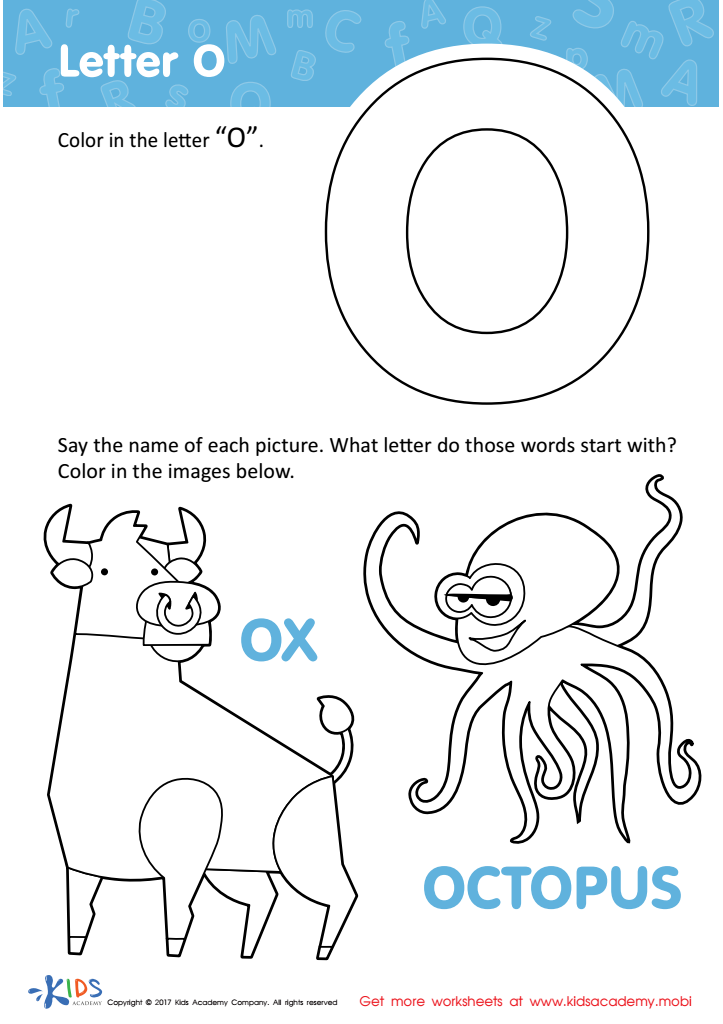
Letter O Coloring Sheet
 Assign to My Students
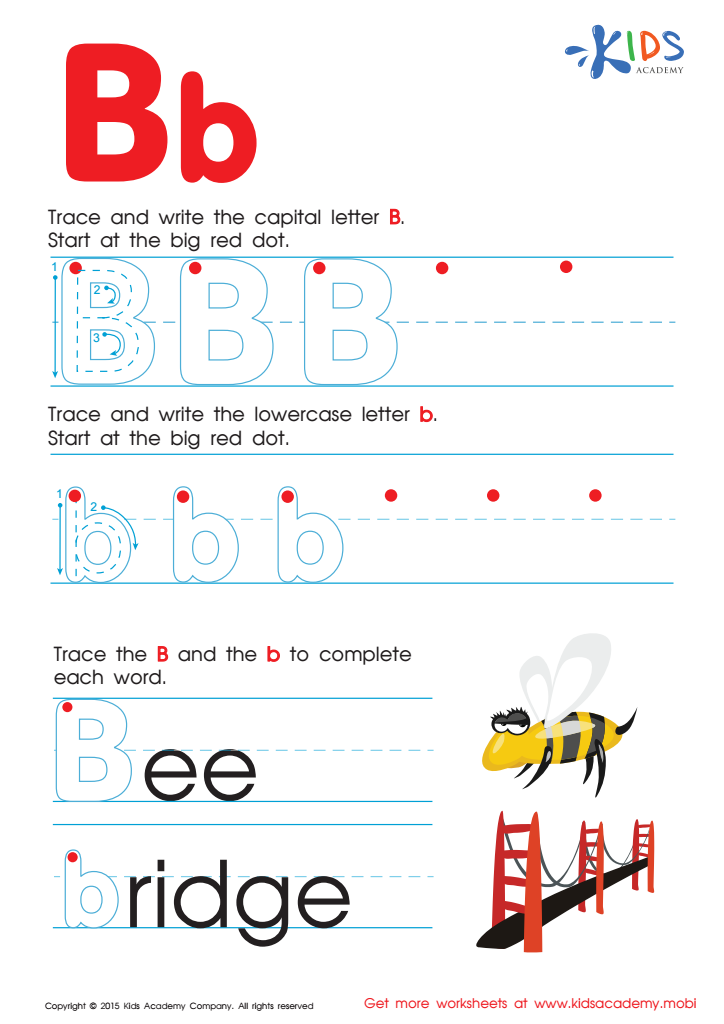
Letter B Tracing Page








Motor skills development and letter recognition are crucial aspects of a child's overall growth, particularly for 8-year-olds. At this age, children are refining their fine motor skills, which are essential for daily tasks like writing, drawing, and using tools. When a child has strong motor skills, they can better control a pencil, resulting in improved handwriting and greater expression in their written communication.
Moreover, normal letter recognition is fundamental for literacy development. By age 8, children should confidently recognize and understand the sounds associated with letters, as this ability directly impacts their reading skills. Strong letter recognition contributes to decoding words and comprehending text, book skills critical for academic success and fostering a love for reading.
Parents and teachers play pivotal roles in supporting this development through engaging activities, such as interactive games, writing exercises, and reading together. By nurturing these skills, they help children build a strong foundation for future learning, enhancing their confidence and independence in academic settings. When parents and teachers prioritize motor skills and letter recognition, they promote holistic development and empower children on their educational journeys. This support can lead to better academic outcomes and a positive attitude towards learning.








