
Word Recognition Normal Building Vocabulary Worksheets for 8-Year-Olds
7 filtered results
Difficulty Level
Grade
Age
-
From - To
Subject
Activity
Standards
Boost your 8-year-old’s vocabulary with our engaging Word Recognition Normal Building Vocabulary Worksheets. Specially designed for young readers, these worksheets enhance word recognition and comprehension skills through fun and interactive activities. Ideal for improving reading fluency and expanding vocabulary, each worksheet includes exercises that challenge and entertain. From matching words to pictures, to fill-in-the-blank puzzles, your child will enjoy practicing. These worksheets are tailored to align with educational standards, making them a perfect tool for both home use and classroom instruction. Give your child the foundation they need for lifelong reading success!
Favorites
With answer key
Interactive
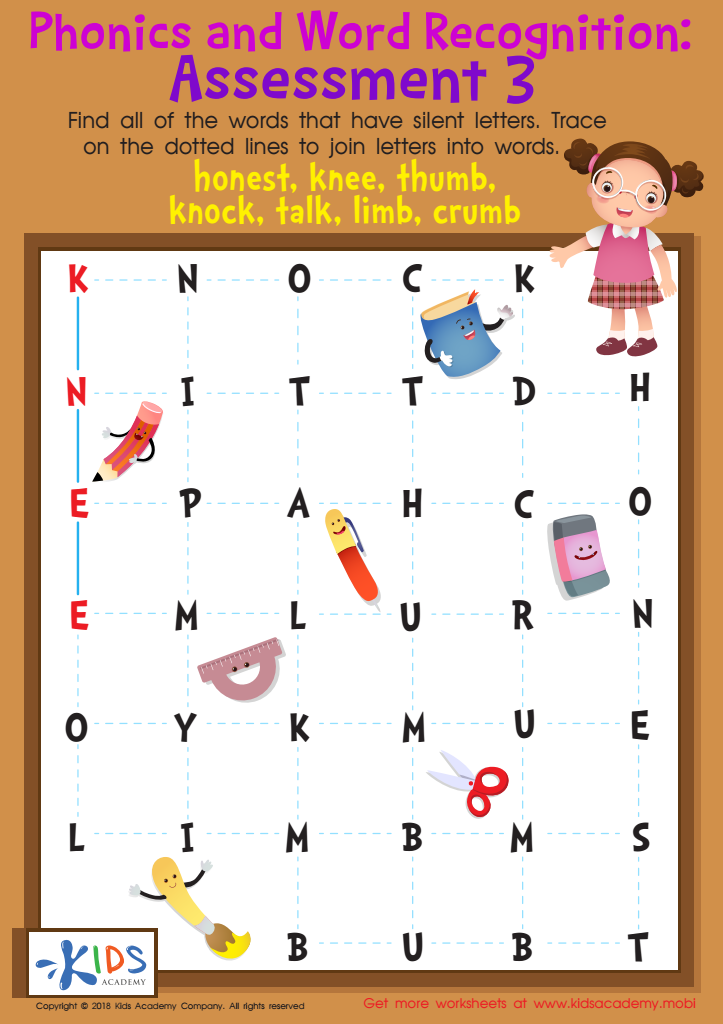
Phonics and Word Recognition: Assessment 3 Worksheet
Silent letters can be tricky for kids learning to read and write. Show them how they work with words like 'knee' and 'dumb'. Then, challenge them to come up with their own. Give them a worksheet with silent letters and trace the lines to join the letters into words.
 Assign to My Students
Phonics and Word Recognition: Assessment 3 Worksheet
Worksheet











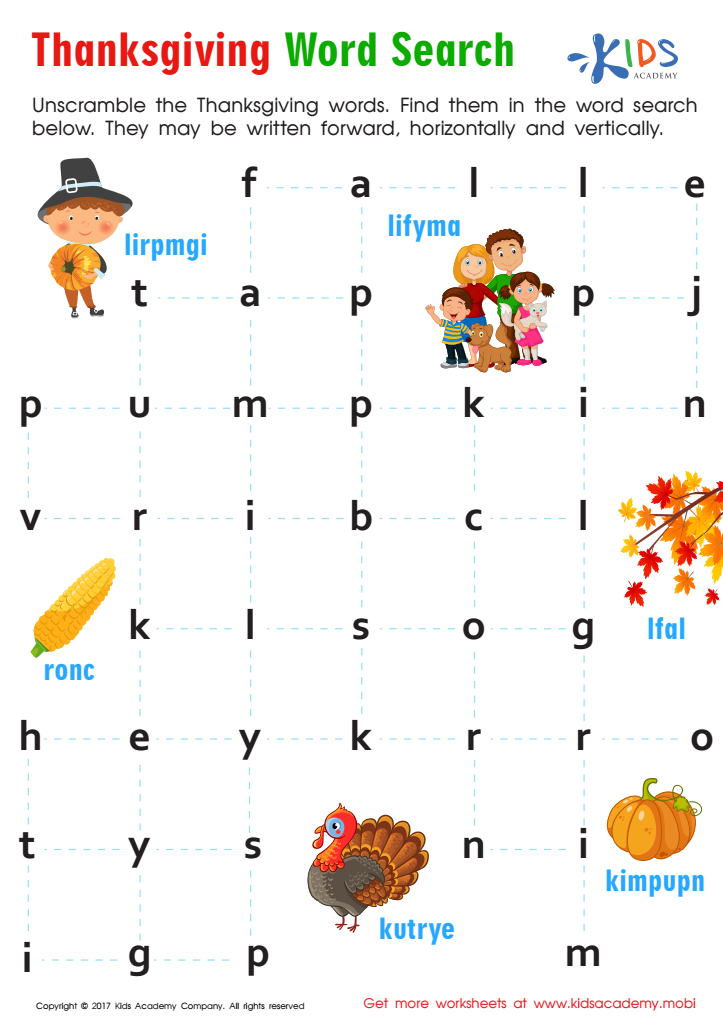
Thanksgiving Word Search Sight Words Worksheet
Unscramble letters to find Thanksgiving-themed sight words with this free worksheet! It's an exciting way to boost your child's reading skills. Download the PDF and enjoy!
Thanksgiving Word Search Sight Words Worksheet
Worksheet
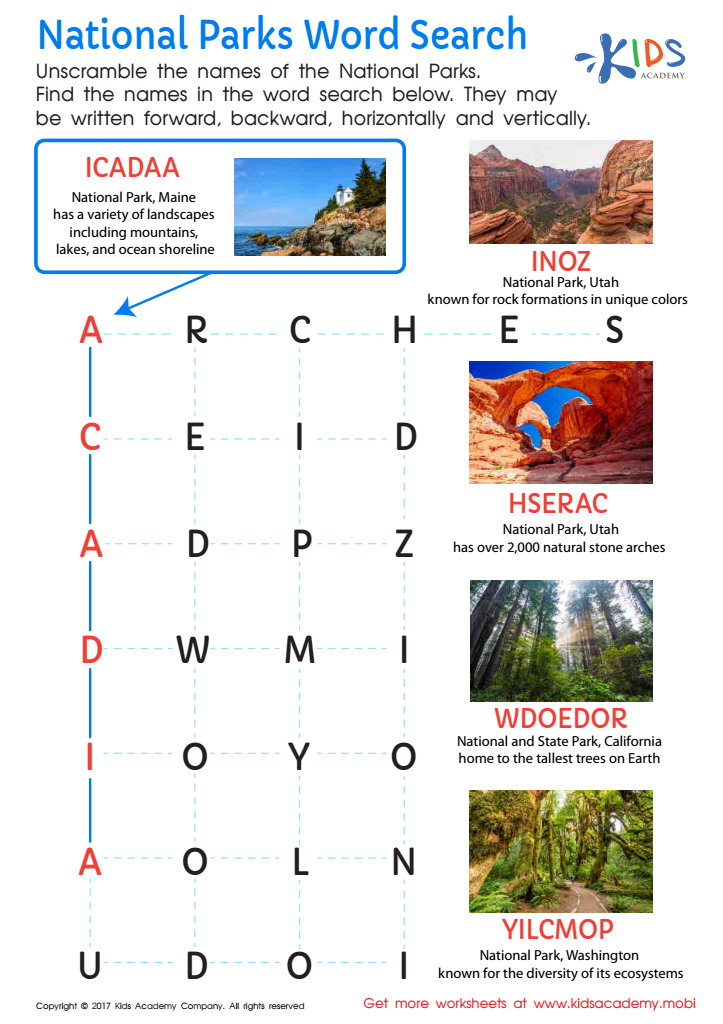
National Parks Word Search Worksheet
Explore the beauty of the USA’s national parks with this fun National Parks word search! Learn more about these majestic sites and boost your knowledge. Take a trip through the sights and sounds of our country with this motivating worksheet.
National Parks Word Search Worksheet
Worksheet
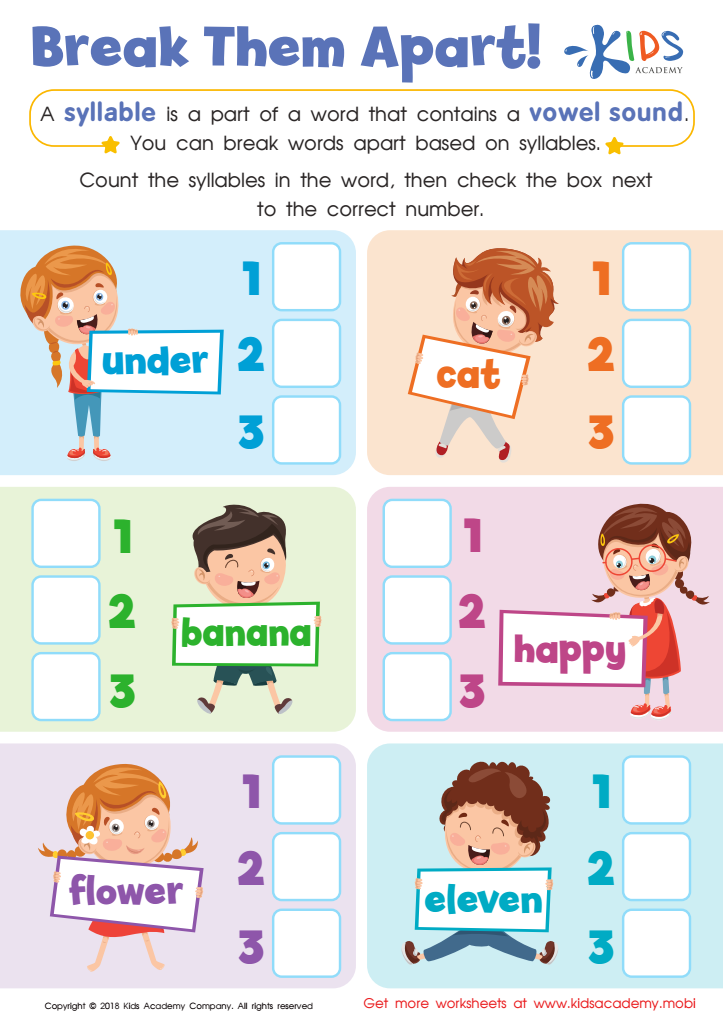
Reading: Break Them Apart Worksheet
See if students understand syllables with this fun worksheet. It teaches them that a syllable is a word part with a vowel sound. Kids read each word and choose how many parts it has. Doing this often helps them decode new words and gain confidence.
Reading: Break Them Apart Worksheet
Worksheet
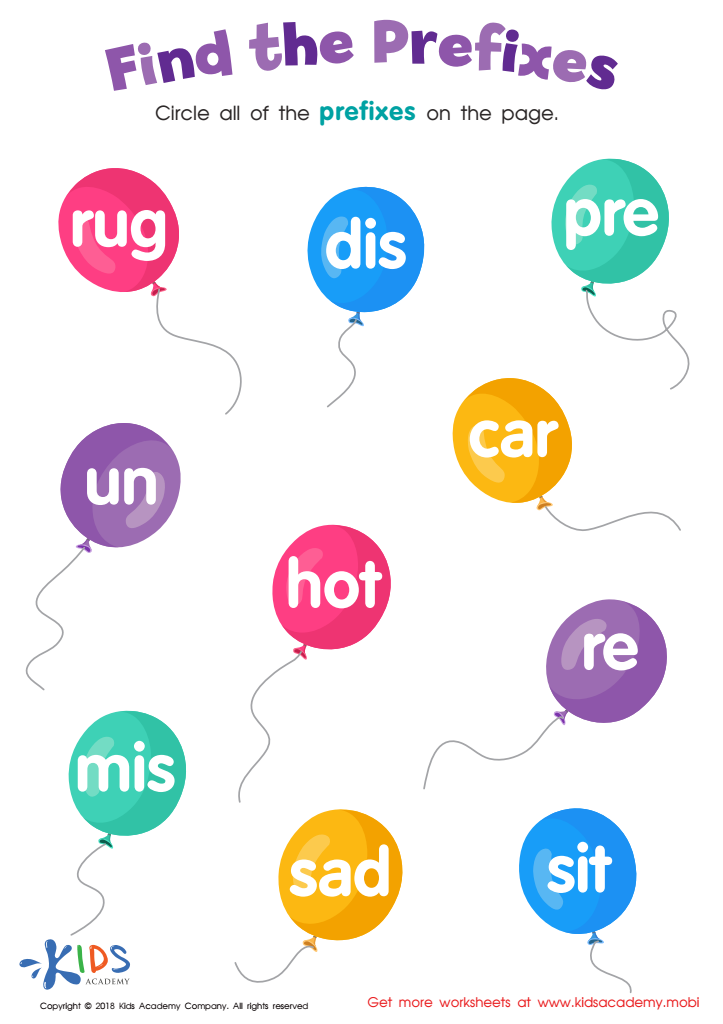
Reading: Find the Prefixes Worksheet
Students are asked to circle all prefixes on this worksheet and brainstorm a list of words that have them. It's a great tool for teaching vocabulary and helps students understand new and unfamiliar words by recognizing how prefixes change meaning.
Reading: Find the Prefixes Worksheet
Worksheet
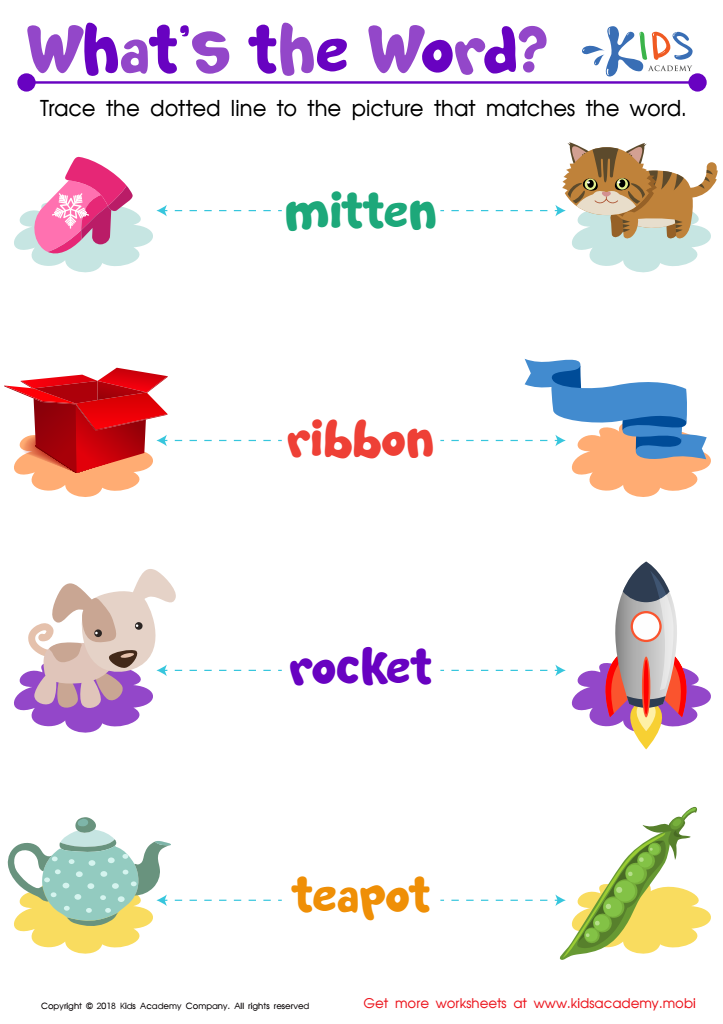
Reading: What's Word Worksheet
Teaching reading? This worksheet can help! Students read the word and draw a line to the picture for clues if needed. This will boost their vocabulary and fluency, increasing confidence and reading skills. Watch their progress as new words are added!
Reading: What's Word Worksheet
Worksheet
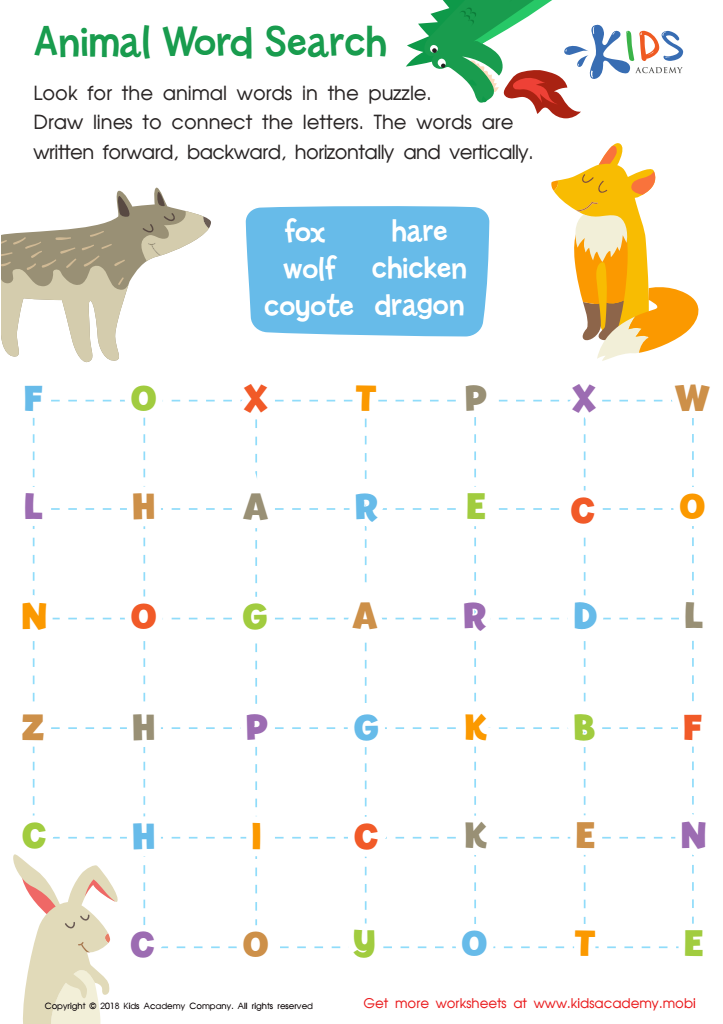
Animal Word Search Worksheet
Students can have fun and strengthen spelling and vocabulary skills with this word search worksheet. Search for animal words and circle the letters in the puzzle. Words can be found forwards, backwards, horizontally or vertically, providing a great challenge to foster critical thinking skills. An enriching activity for all ages!
Animal Word Search Worksheet
Worksheet
Join Kids Academy for Free
Who is primarily going to use this learning content?








Parents and teachers should prioritize word recognition and normal vocabulary building for 8-year-olds because these skills are foundational for effective communication and academic success. At this age, children are transitioning from early readers to more proficient ones, and strong word recognition helps them read more fluidly and comprehend texts better. By recognizing words quickly, children can focus more on understanding the content rather than decoding each word laboriously.
Moreover, a robust vocabulary enhances children’s ability to express themselves clearly and take part in more advanced conversations. It is essential for reading comprehension because the more words children know, the better they can understand what they read. This understanding facilitates learning across subjects such as math, science, and social studies, where reading is integral to grasping new concepts.
Engaging in vocabulary-building activities also stimulates cognitive development. As children encounter new words, they learn to associate new meanings, understand nuances, and develop critical thinking skills. Furthermore, a rich vocabulary contributes to better writing skills, allowing children to convey their thoughts more precisely and creatively.
In sum, focusing on word recognition and vocabulary at an early age sets the stage for lifelong learning and communicative competence, equipping children with the tools they need to succeed both academically and socially.








