Analytical thinking Normal Reading Worksheets for 8-Year-Olds
6 filtered results
-
From - To
Enhance your 8-year-old's analytical thinking skills with our engaging Normal Reading Worksheets. Designed to encourage critical reasoning, these worksheets feature fun activities that challenge young learners to analyze text and apply comprehension strategies. Perfect for home or classroom use, they foster an interactive learning environment that promotes independent thinking. Each worksheet is tailored to reinforce key reading skills while sparking curiosity and creativity. Give your child the tools they need to excel by exploring themes, making connections, and drawing inferences through age-appropriate texts. Boost their confidence and help them excel academically with our thoughtfully created reading resources!
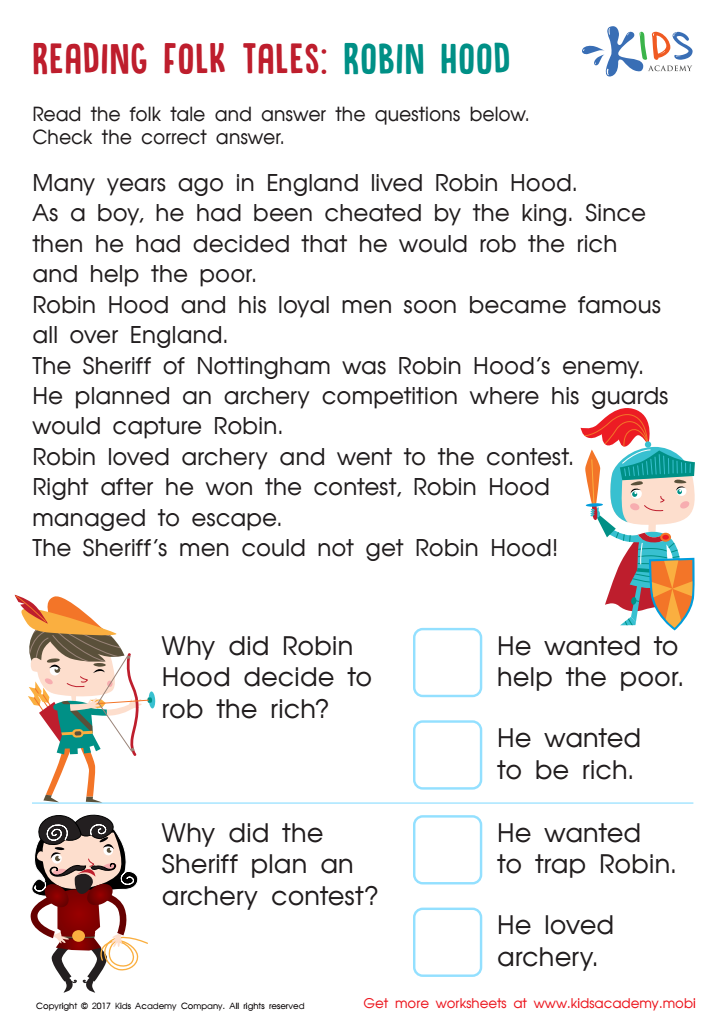
Robin Hood Folktale Worksheet
 Assign to My Students
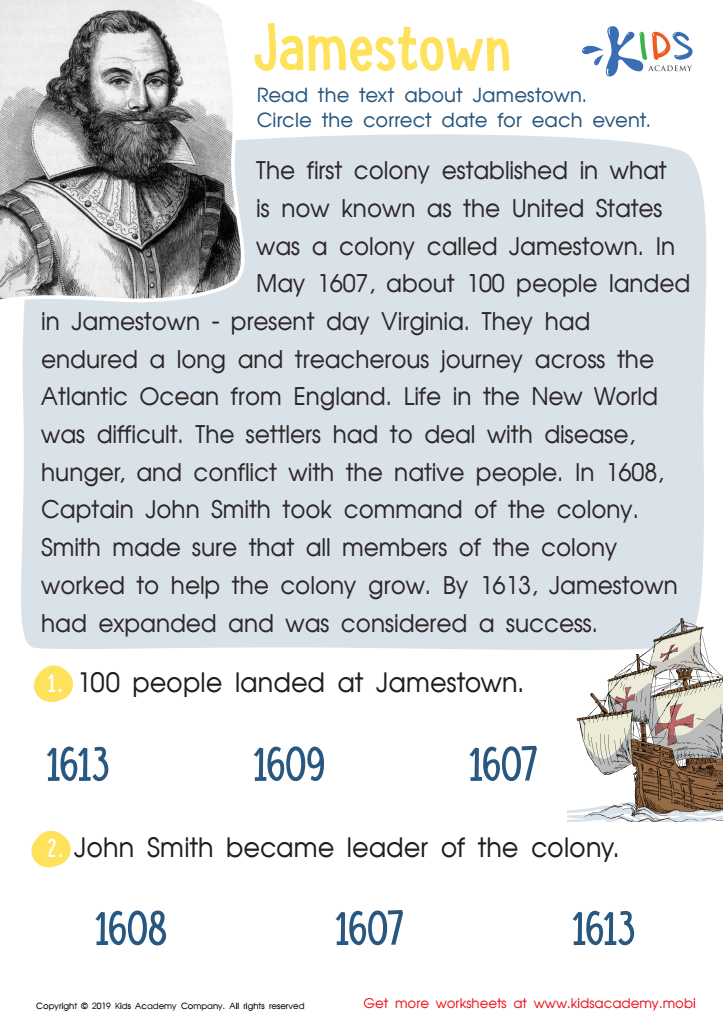
Jamestown Worksheet
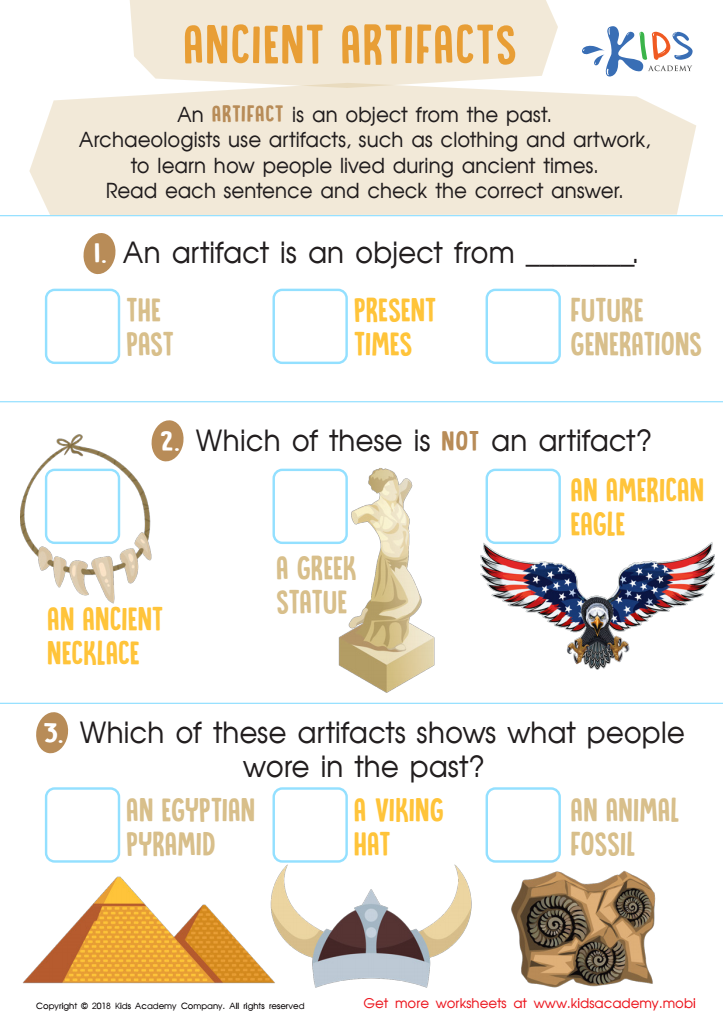
Ancient Artifacts Worksheet
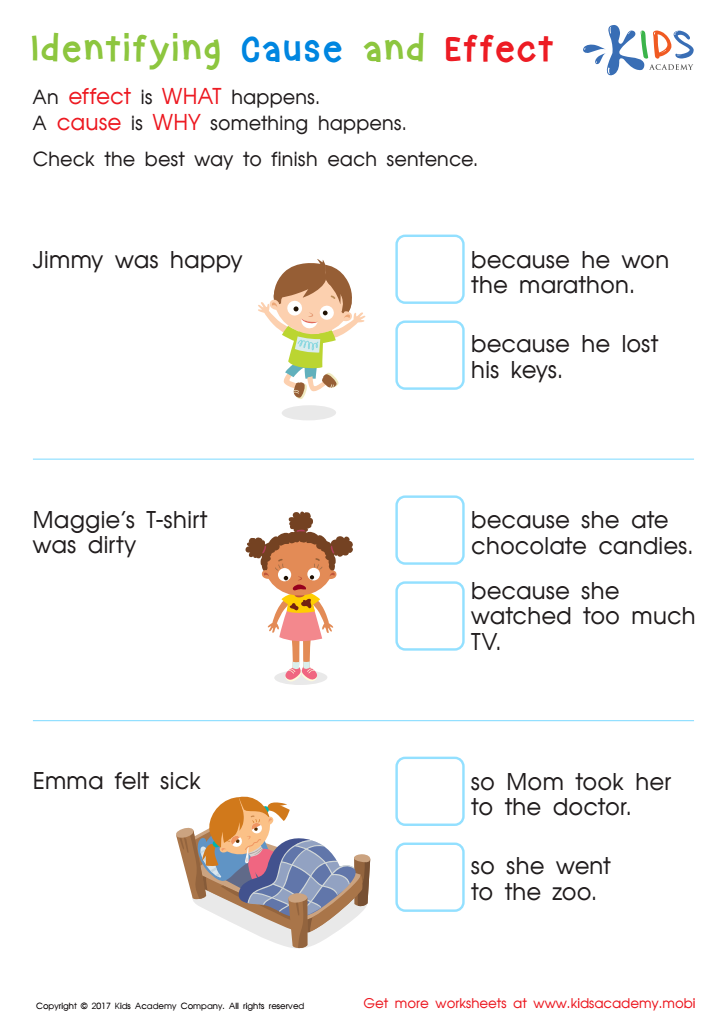
Indentifying Cause and Effect Worksheet
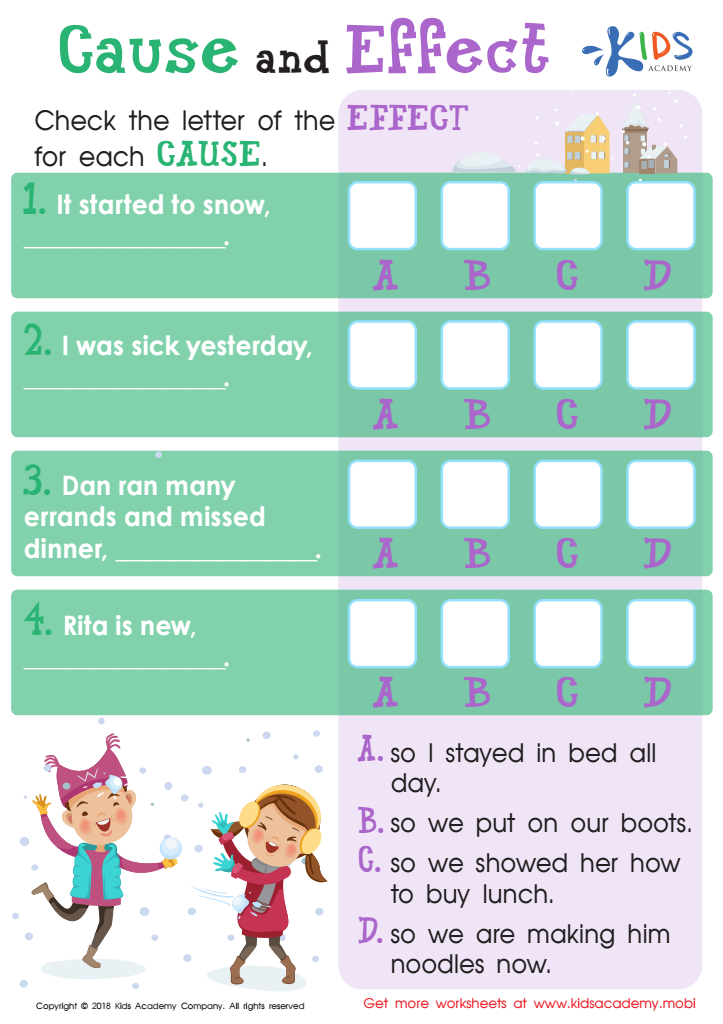
Cause and Effect Worksheet
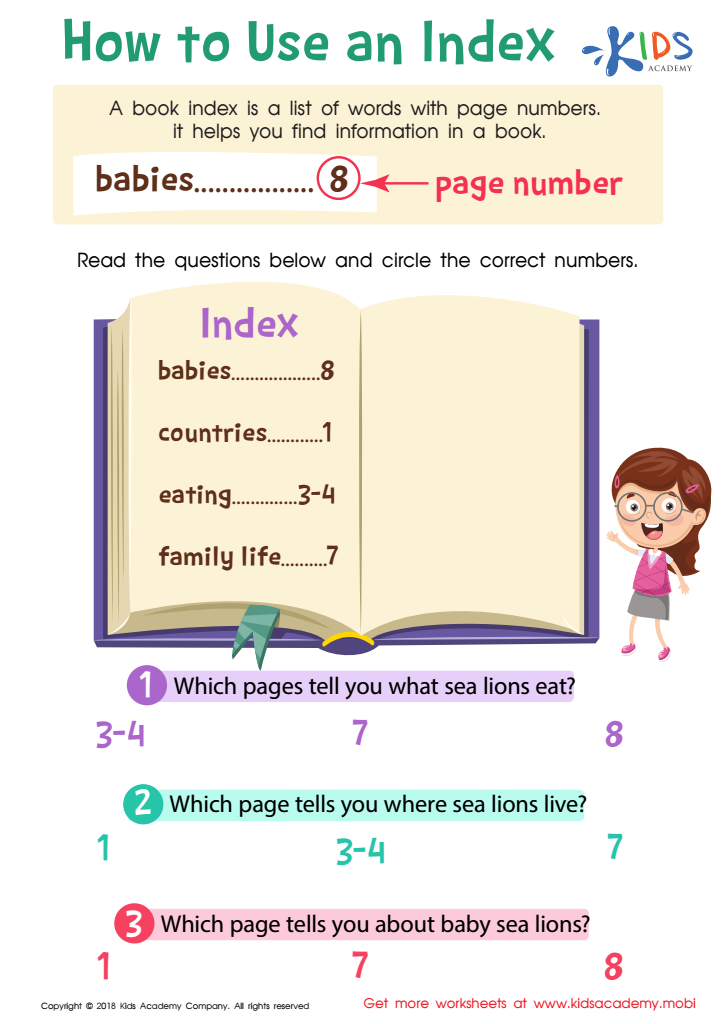
How Use Index Worksheet








Analytical thinking is crucial for 8-year-olds as it enhances their ability to understand and engage with the world around them. At this age, children begin to develop critical thinking skills, enabling them to analyze information, solve problems, and make informed decisions. Parents and teachers should encourage this skill because it lays the foundation for academic success across subjects like math, science, and even language arts.
Moreover, analytical thinking fosters creativity and encourages deeper comprehension of reading materials. When children read, they should not only focus on the story but also consider characters' motivations, themes, and underlying messages. This deeper analysis cultivates a love for reading and promotes improved comprehension skills.
Additionally, analytical thinking empowers children to question their surroundings, fostering curiosity and a lifelong pursuit of knowledge. In our increasingly complex world, the ability to analyze information critically helps children navigate challenges and form their own opinions based on evidence.
By nurturing analytical thinking through engaging discussions or problem-solving activities, parents and teachers can better prepare children for future academic endeavors and life skills, contributing positively to their intellectual development and emotional growth.








