Alphabet Recognition Normal ABC Letters Worksheets for 9-Year-Olds
18 filtered results
-
From - To
Enhance your child's literacy skills with our Alphabet Recognition worksheets designed for 9-year-olds. These engaging ABC letters worksheets provide a variety of activities that promote letter identification, phonetics, and vocabulary development. From matching games to fill-in-the-blank exercises, each worksheet encourages children to explore the alphabet in an interactive way. Our easy-to-follow formats are perfect for at-home learning or classroom practice. Foster a love for reading and writing as your child builds a solid foundation in letter recognition. Browse our selection and support your child's educational journey today with these fun and effective resources!
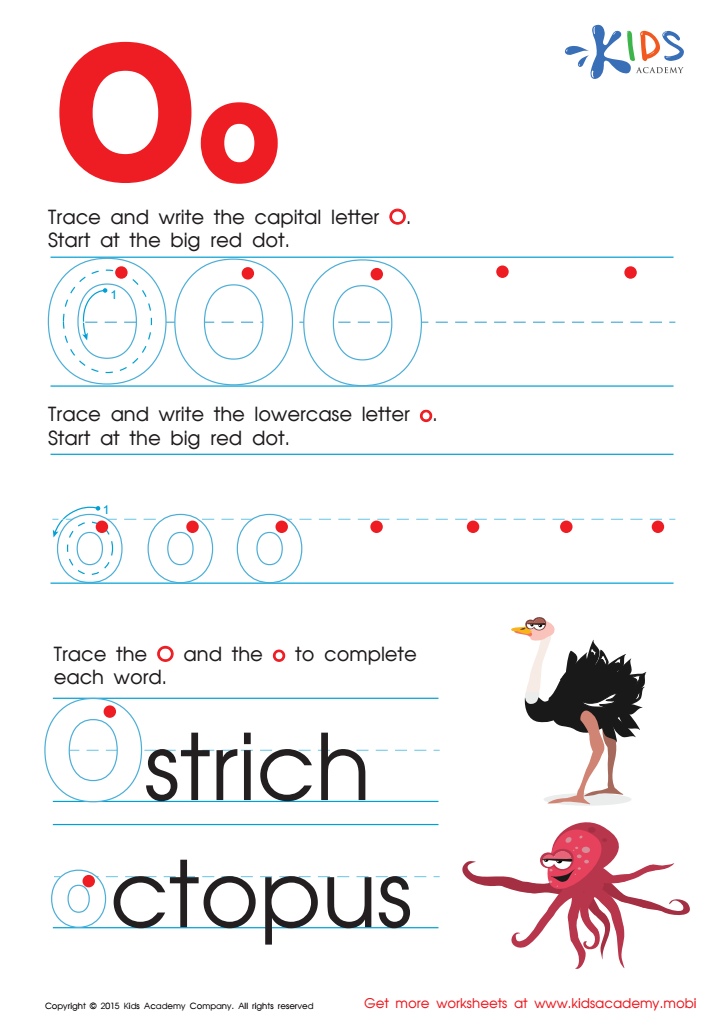
Letter O Tracing Page






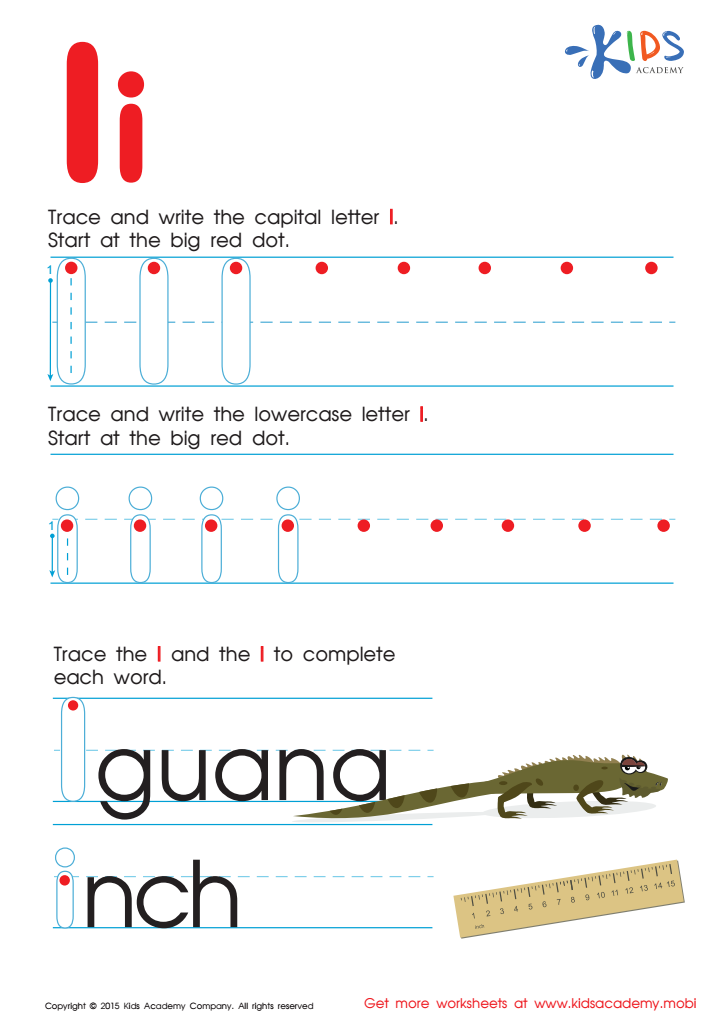
Letter I Tracing Page
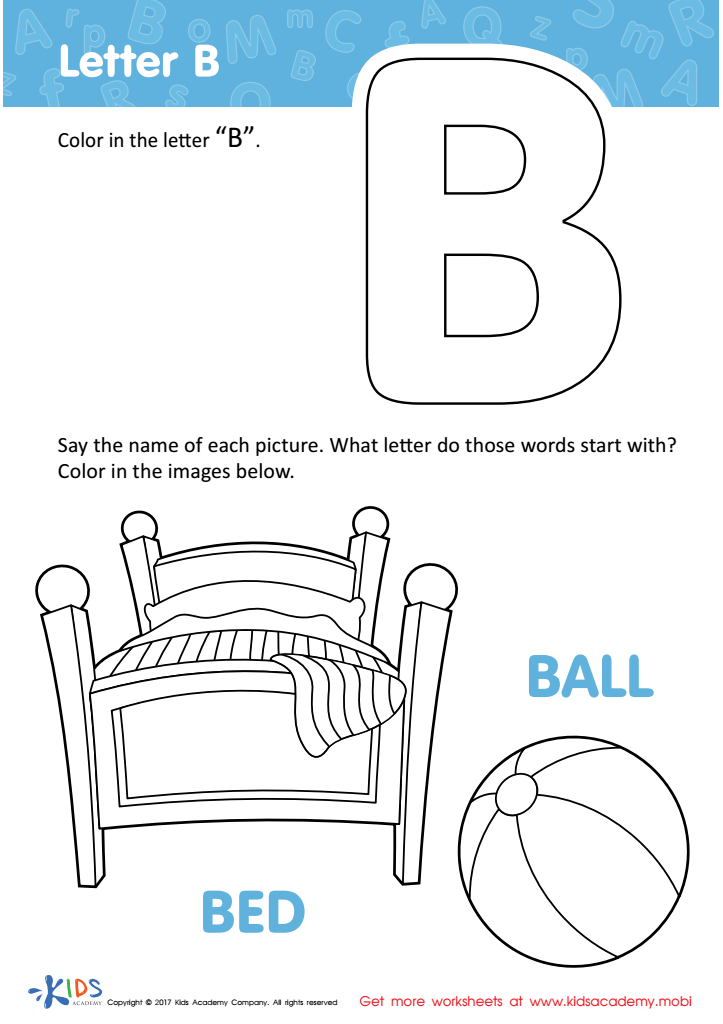
Letter B Coloring Sheet
 Assign to My Students
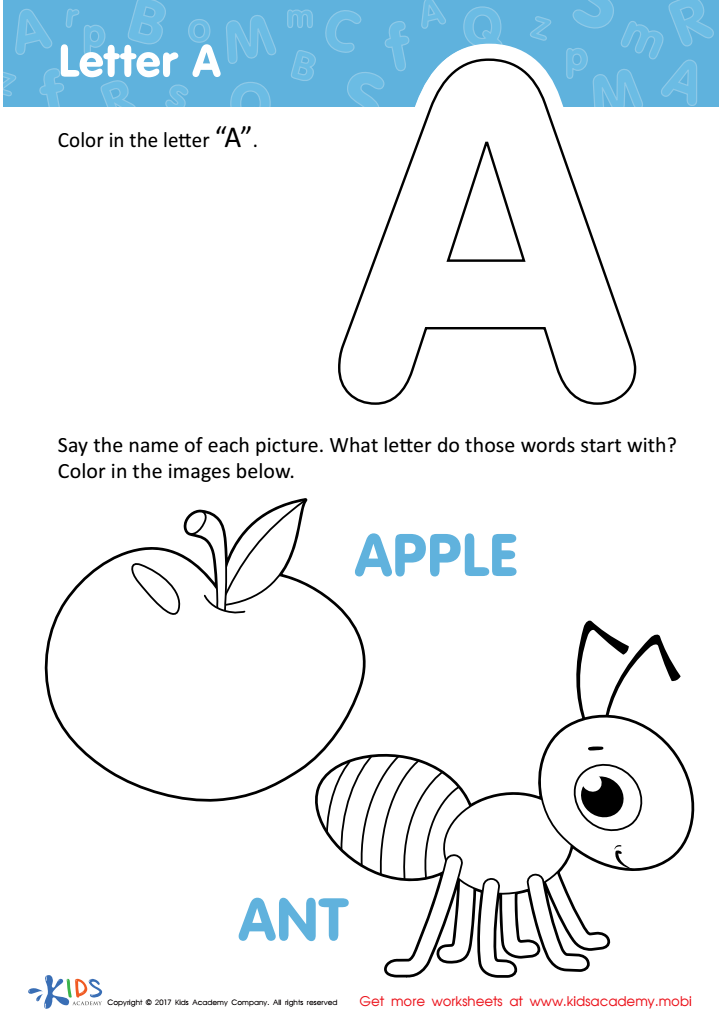
Letter A Coloring Sheet
Assign to My Students
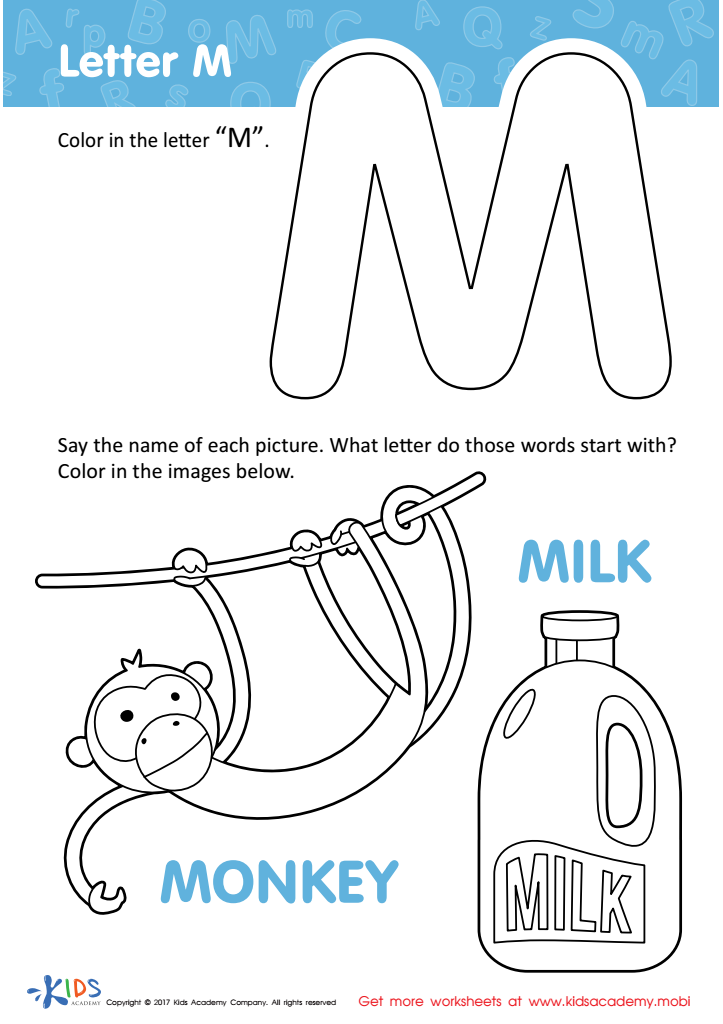
Letter M Coloring Sheet
Assign to My Students
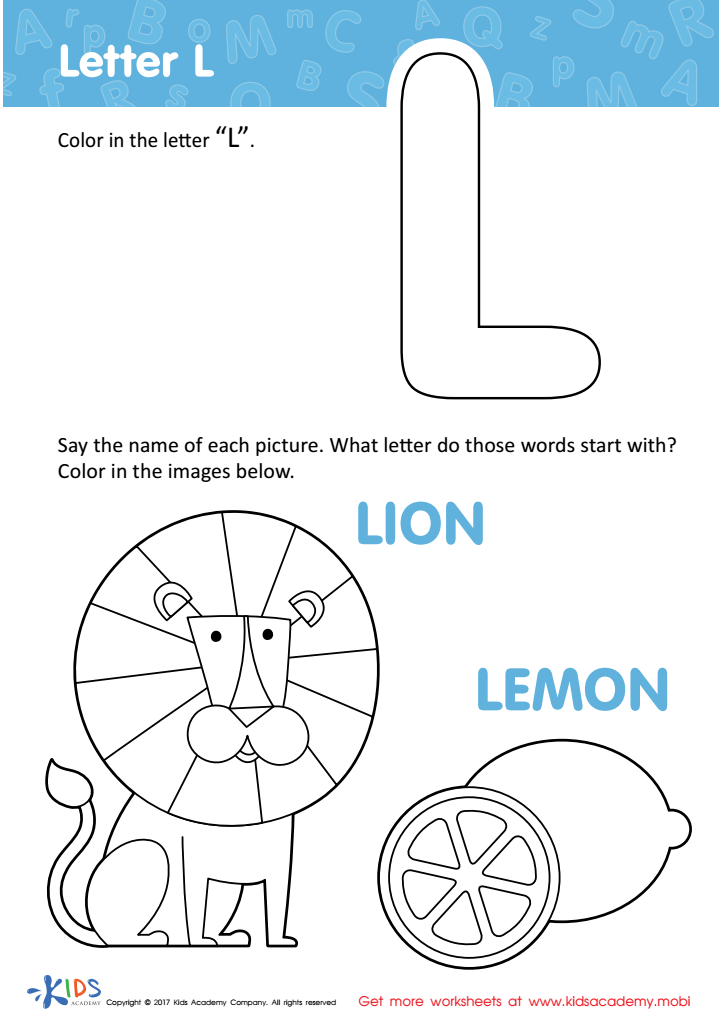
Letter L Coloring Sheet
Assign to My Students
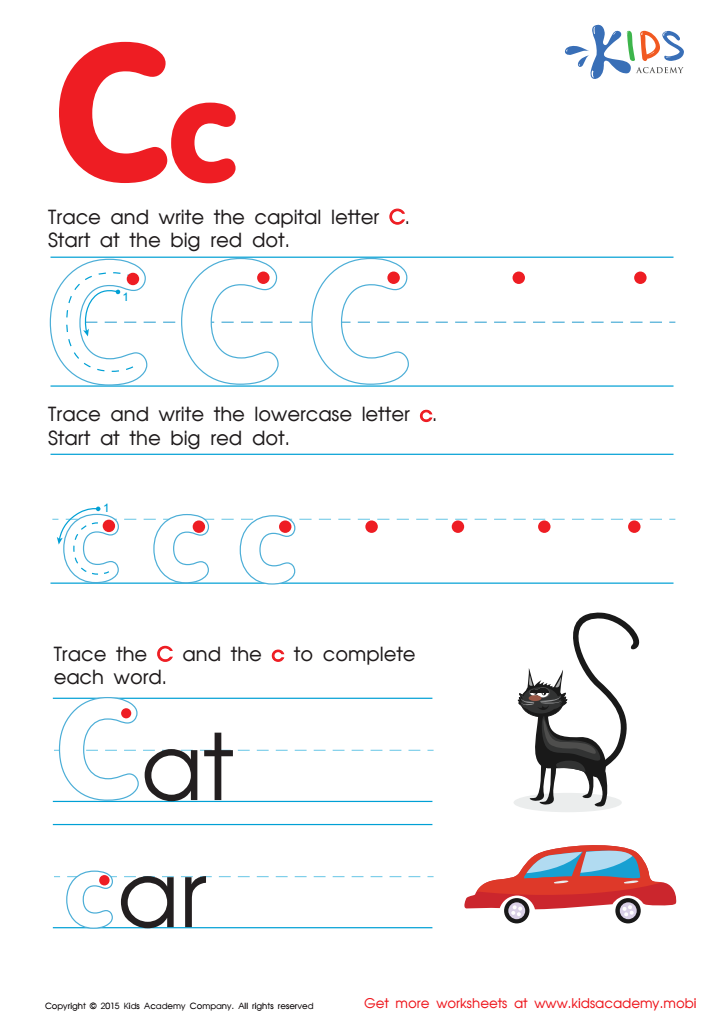
Letter C Tracing Page
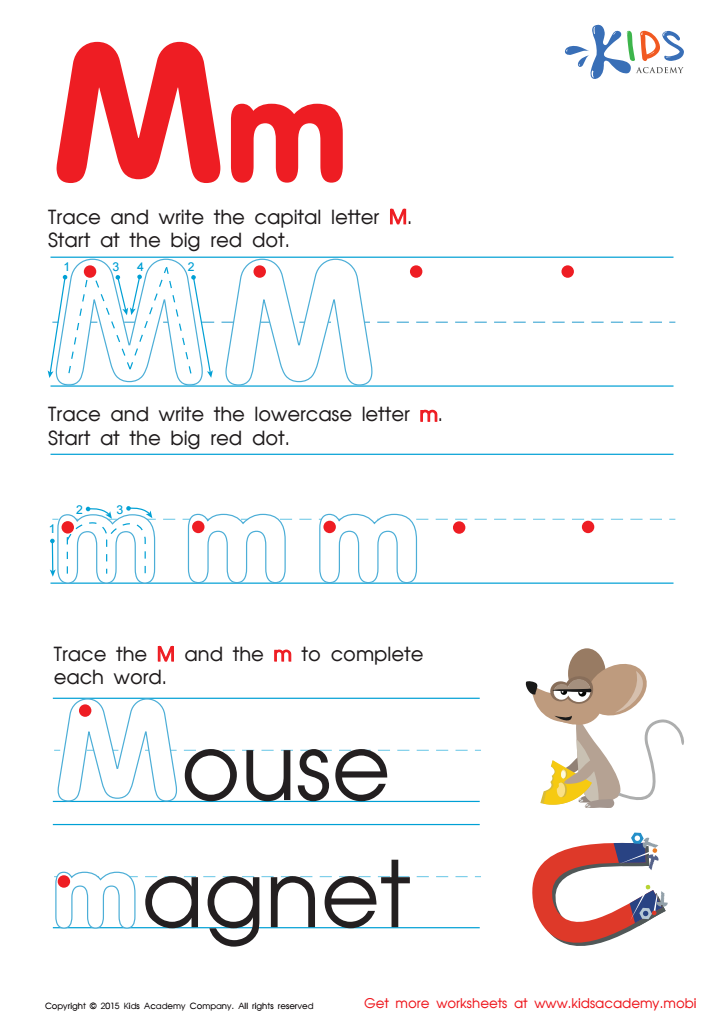
Letter M Tracing Page
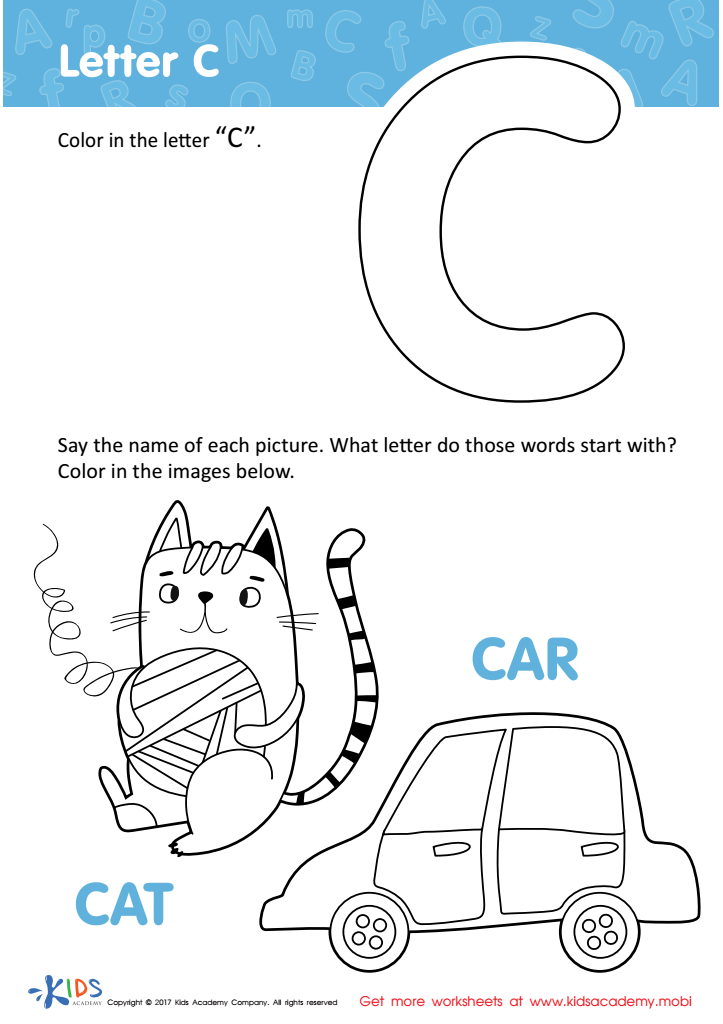
Letter C Coloring Sheet
Assign to My Students
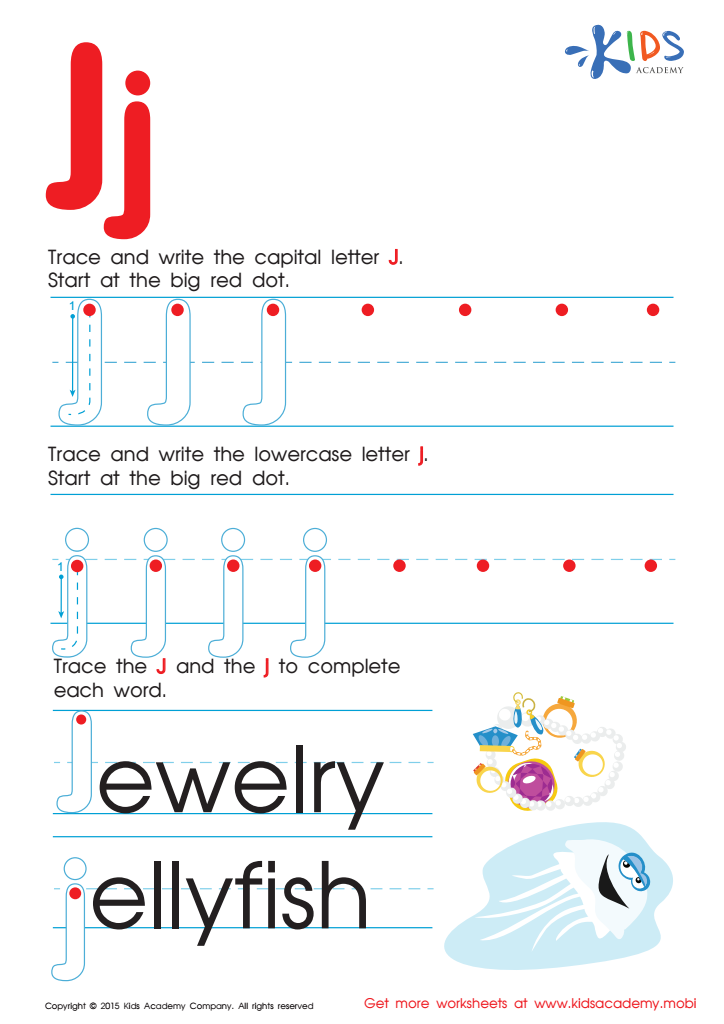
Letter J Tracing Page
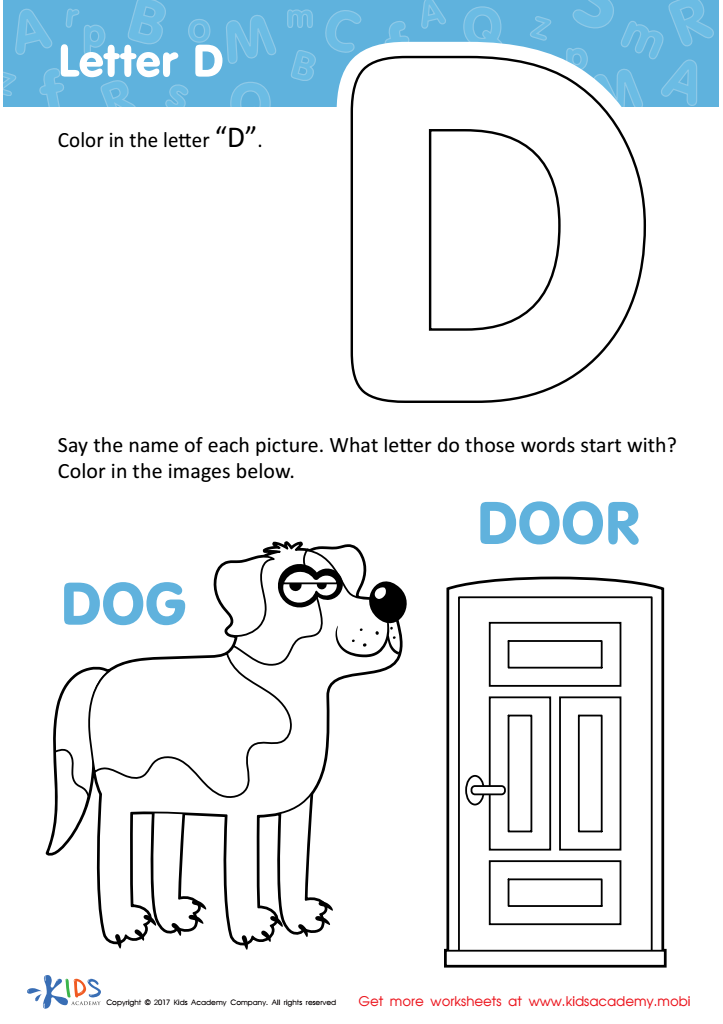
Letter D Coloring Sheet
Assign to My Students
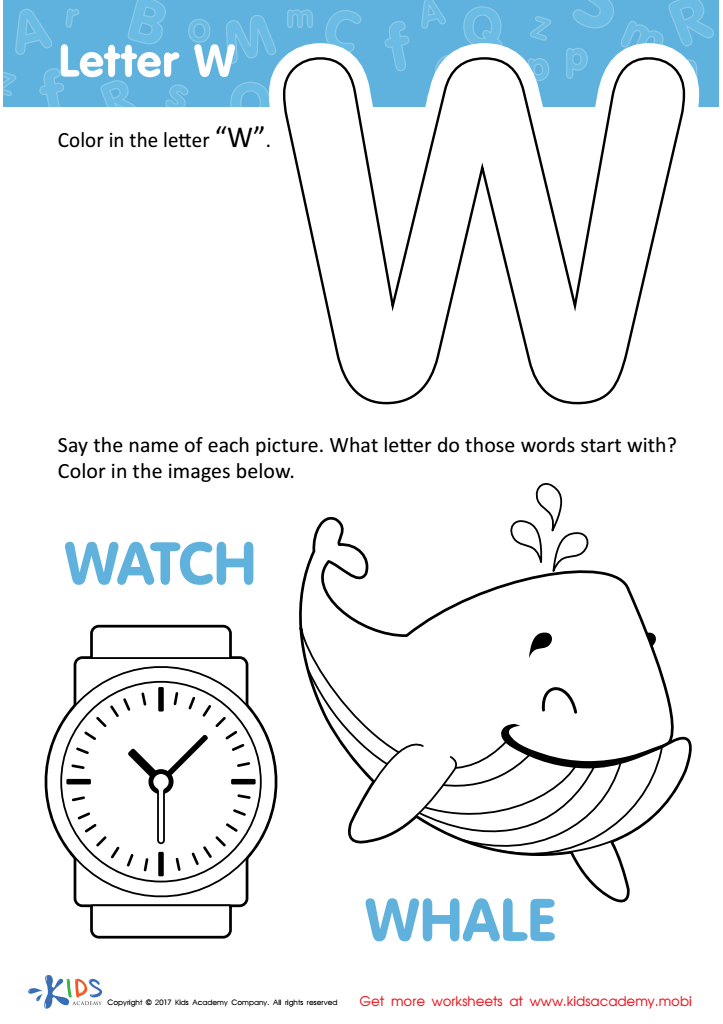
Letter W Coloring Sheet
Assign to My Students
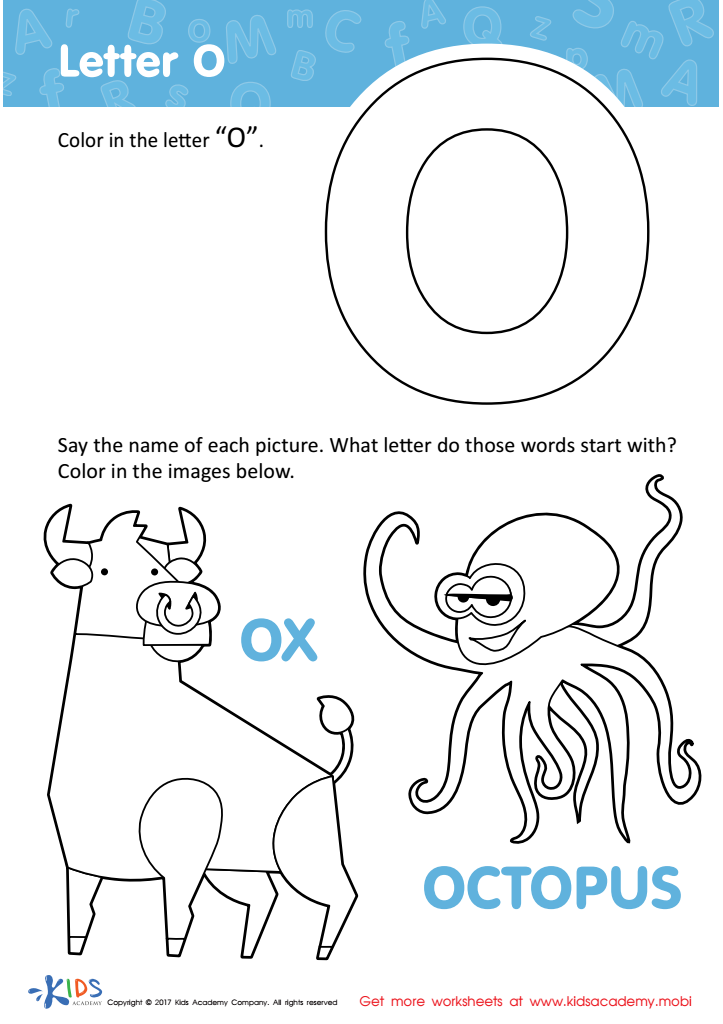
Letter O Coloring Sheet
Assign to My Students
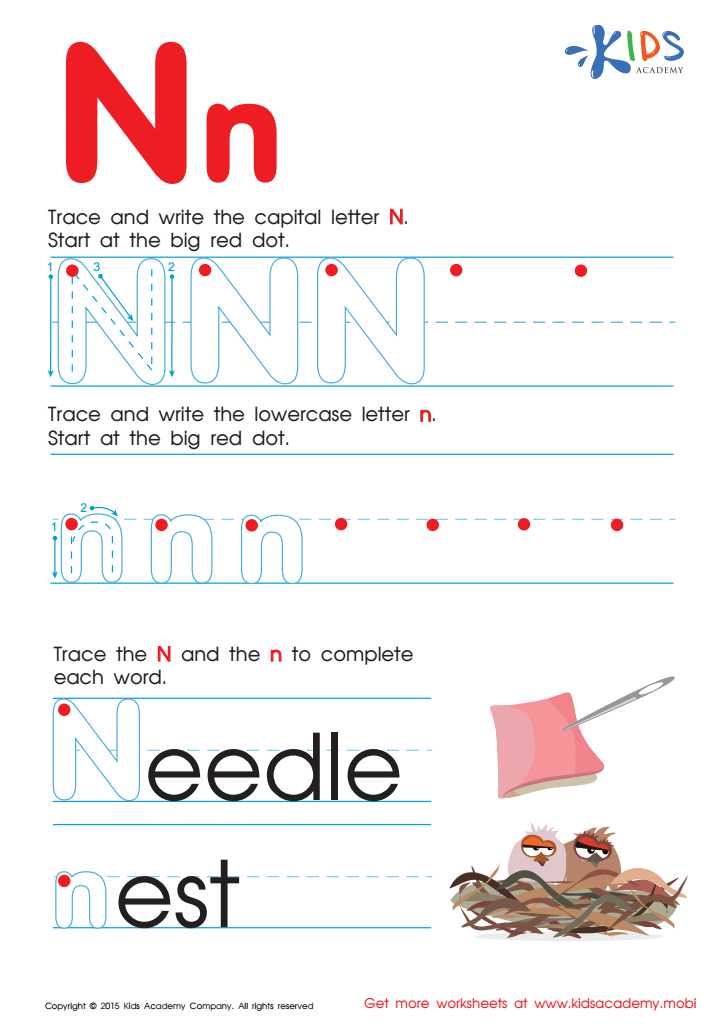
Letter N Tracing Page
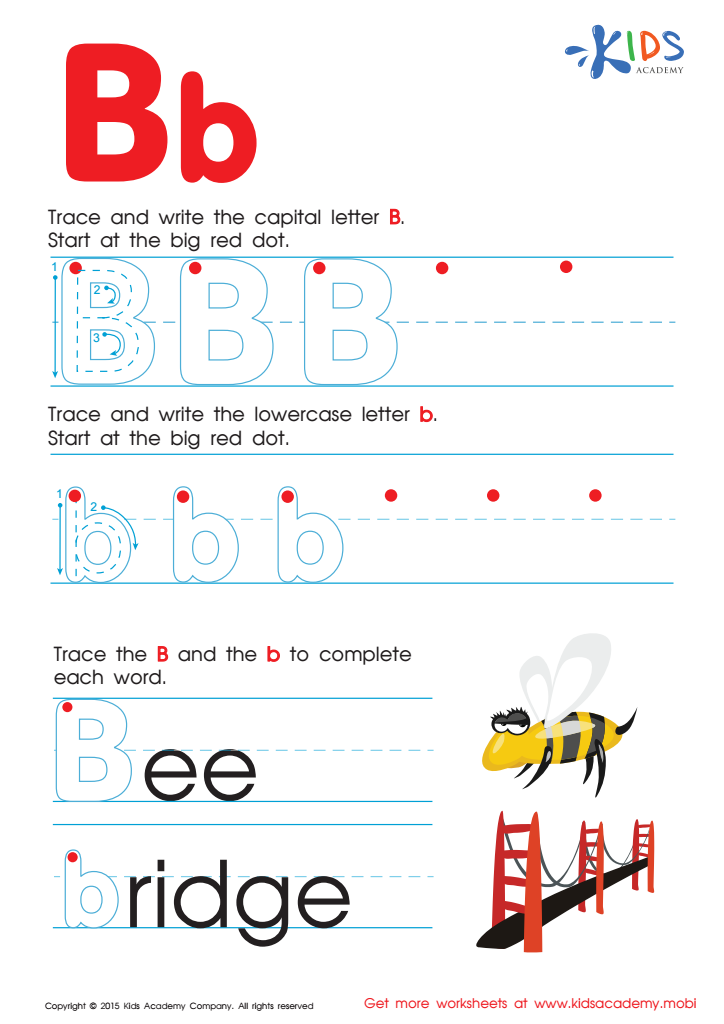
Letter B Tracing Page
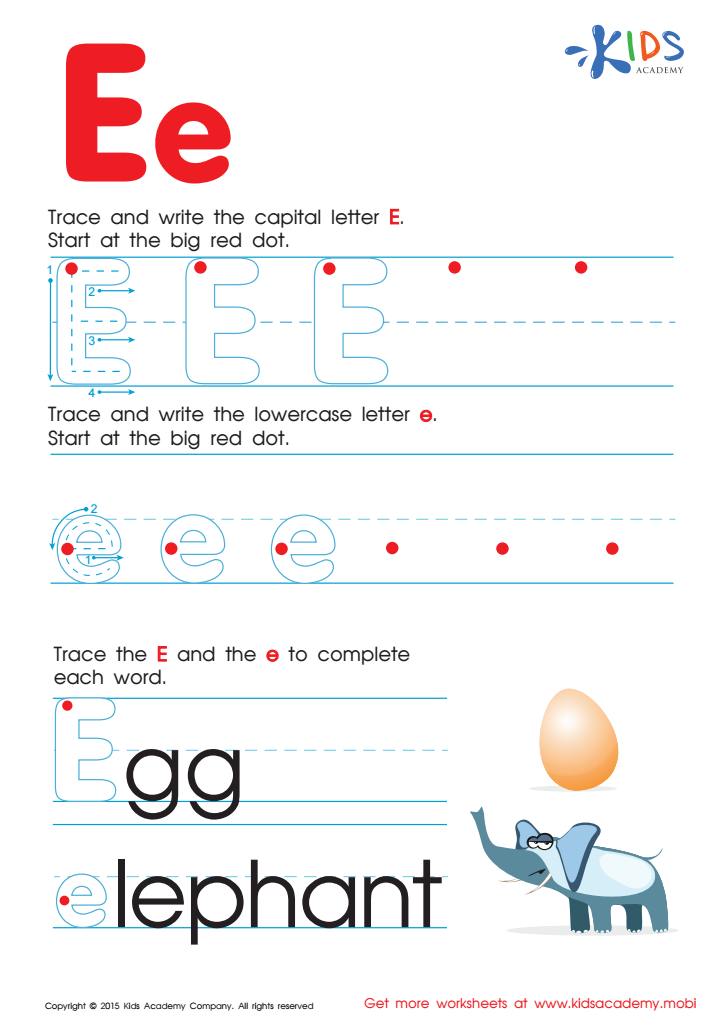
Letter E Tracing Page
Letter H Coloring Sheet
Assign to My Students
Letter F Coloring Sheet
Assign to My Students







Alphabet recognition is an essential foundational skill for 9-year-olds and significantly impacts their literacy development. By this age, children should have a firm grasp of the alphabet, as it underpins their ability to read and write. Teachers and parents should prioritize alphabet recognition because it relates directly to fluency in reading, comprehension, and effective communication.
Understanding how letters correspond to sounds, known as phonemic awareness, is crucial for decoding words, which influences a child’s ability to engage with written material confidently. A solid foundation in recognizing normal ABC letters also contributes to improved spelling and grammar skills, ultimately enabling better-expression capabilities in writing.
Moreover, children who struggle with recognizing letters may face frustration and anxiety in academic settings, potentially leading to disengagement. This is why early intervention is vital; consistent practice and interactive learning can cultivate interest and mastery. Encouraging reading at home, playing alphabet games, and incorporating approaches like writing in playful contexts significantly boosts children’s confidence and competency in using language.
In summary, alphabet recognition in 9-year-olds serves as a cornerstone of literacy, and fostering this skill can lead to a lifelong love for reading and learning. Teachers and parents play pivotal roles in supporting this critical aspect of development.







