Fine Motor Skills Normal Alphabet Worksheets for 9-Year-Olds - Page 2
27 filtered results
-
From - To
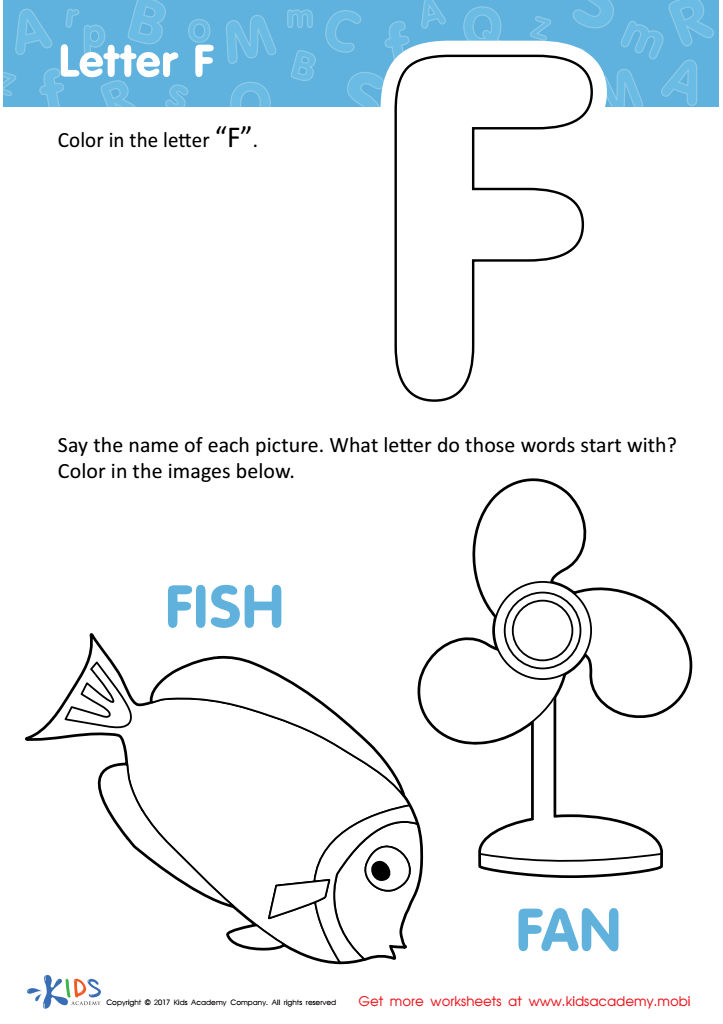
Letter F Coloring Sheet
 Assign to My Students
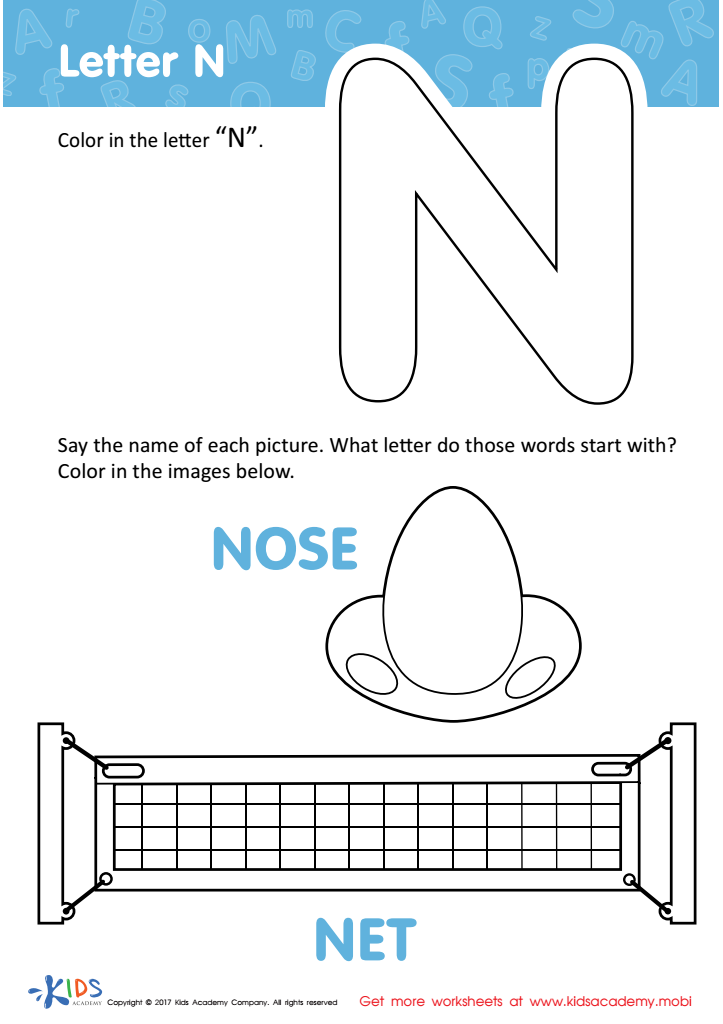
Letter N Coloring Sheet
Assign to My Students

Letter D Tracing Page







Fine motor skills are essential for a child's development, particularly by the age of 9. Mastery of these skills not only affects a child's ability to write legibly and neatly but also enhances their overall coordination. Good fine motor skills enable children to perform tasks such as typing, using scissors, and buttoning clothing more effectively, which can boost their confidence and independence.
For parents and teachers, understanding the role of fine motor skills in the normal alphabet is critical. It helps kids with their academic performance, especially in subjects that require precise writing or drawing. Proficient fine motor abilities facilitate better engagement in tasks, allowing children to express their ideas clearly through writing. Additionally, children who struggle with fine motor skills may experience frustration or embarrassment, potentially leading to avoidance of activities associated with writing.
Moreover, strengthening fine motor skills through activities like tracing letters or engaging in fun crafts can improve not just literacy but also social skills, as these activities often involve collaboration and shared tasks. Consequently, ensuring that 9-year-olds are developing their fine motor skills prepares them not only for academic success but also for everyday life, making it a critical focus for parents and educators alike.







