Enhance your child's alphabet recognition skills with our specially designed tracing letters worksheets for 9-year-olds. Our engaging resources provide a fun way for children to practice identifying and writing each letter of the alphabet, promoting essential literacy development. These worksheets not only reinforce letter shapes but also encourage fine motor skills through tracing activities. Tailored for young learners, our materials incorporate colorful illustrations and engaging themes to captivate their interest. Explore the joy of learning as your child gains confidence in their writing abilities and builds a strong foundation in reading. Start their alphabet adventure today!

Check out this FREE Trial Lesson on Tracing Letters for age 9!

M

Favorites
With answer key
Interactive
  • 9
  • Alphabet Recognition
  • Tracing Letters
  • Normal
Letter O worksheets
Letter O worksheets

Letter O Tracing Page

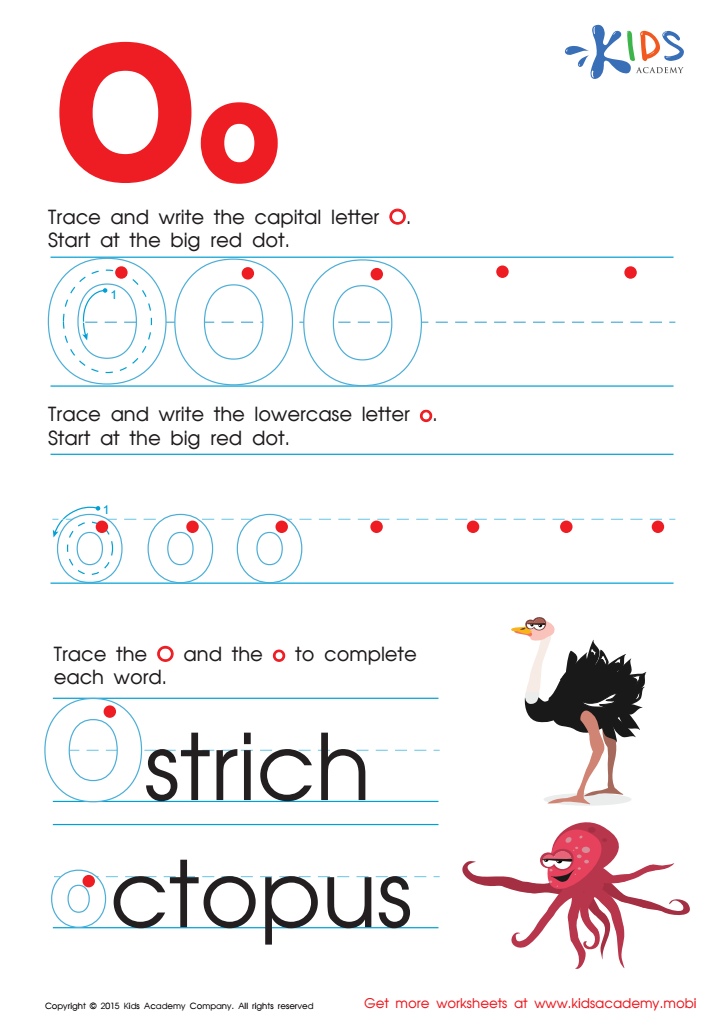
Practice writing the letter "O" with our new worksheet. Trace and write the letter several times, starting at the red dot. First do the uppercase letter, then the lowercase. Use the pictures to complete the words "Ostrich" and "octopus". Kids Academy offers more fun alphabet worksheets.
Letter O Tracing Page
Worksheet
Letter I worksheets
Letter I worksheets

Letter I Tracing Page

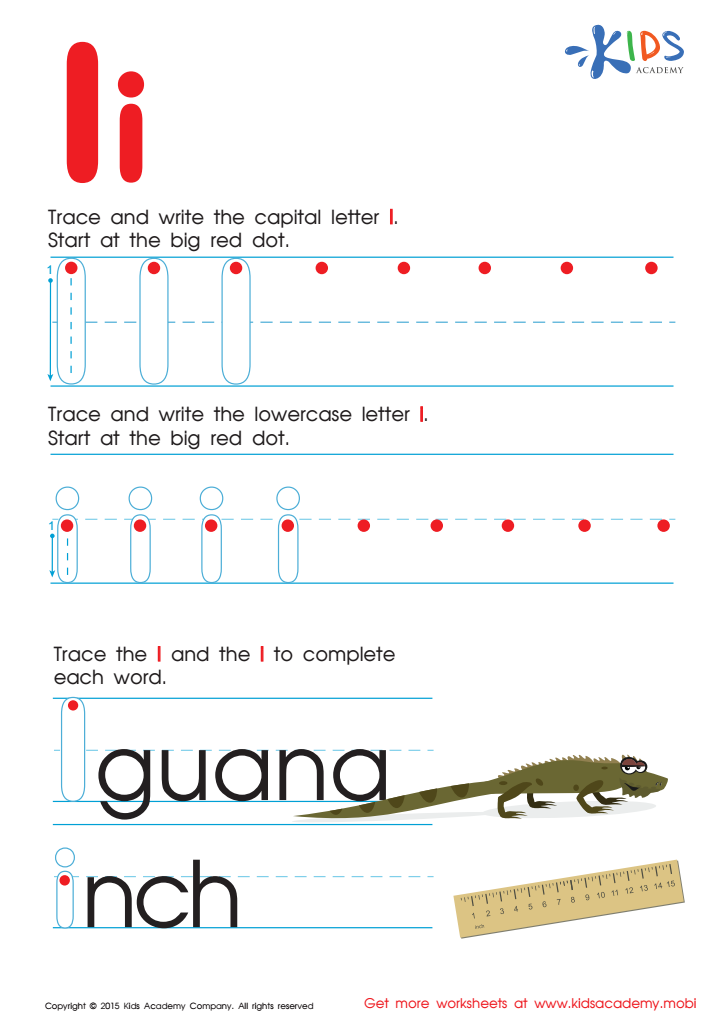
Trace and write "I" uppercase and lowercase. An iguana's tail looks like the uppercase "I" and the lowercase "i" is as small as an inch. Make learning fun with Kids Academy worksheets.
Letter I Tracing Page
Worksheet
letter C worksheets
letter C worksheets

Letter C Tracing Page

Trace and write the letter 'C'! Put the pencil at the red dot then follow the lines – the capital letter first then the lowercase one. Cats love it and so will you! Get more free printables to practice tracing and writing.
Letter C Tracing Page
Worksheet
Letter М worksheets
Letter М worksheets

Letter M Tracing Page

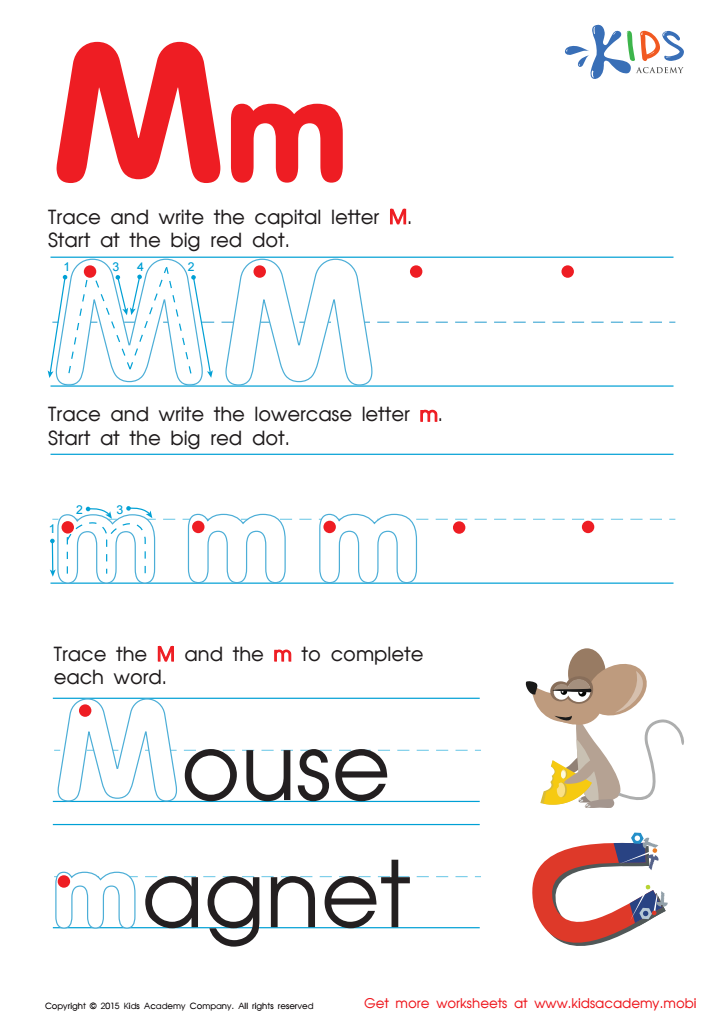
Trace and write the letter "M" to help kids learn the alphabet. Start at the red dot and practice several times. Trace the capital letter first, then move on to the lowercase. Complete words like "mouse" and "magnet" in the further exercise. Get more free printables here.
Letter M Tracing Page
Worksheet
Letter J worksheets
Letter J worksheets

Letter J Tracing Page

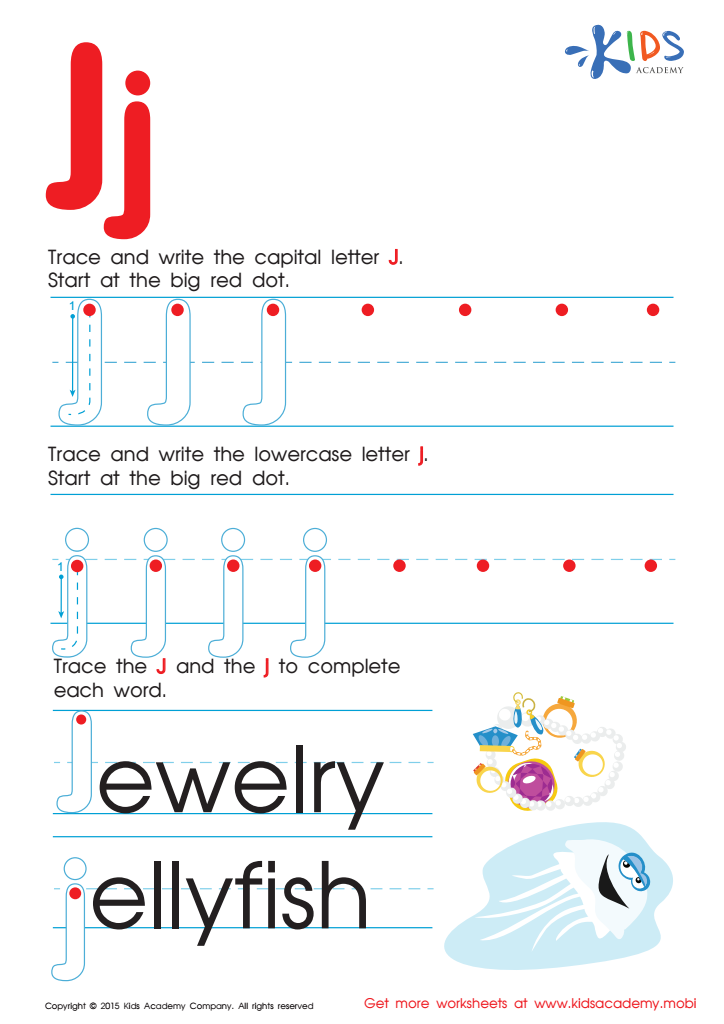
Trace and write the letter "J" with our ABC worksheet - start at the big red dot! Have fun completing words like jewelry, jellyfish and more. Check out our kindergarten activities for more alphabet practice.
Letter J Tracing Page
Worksheet
Letter E Tracing Worksheet Preview

Letter E Tracing Worksheet

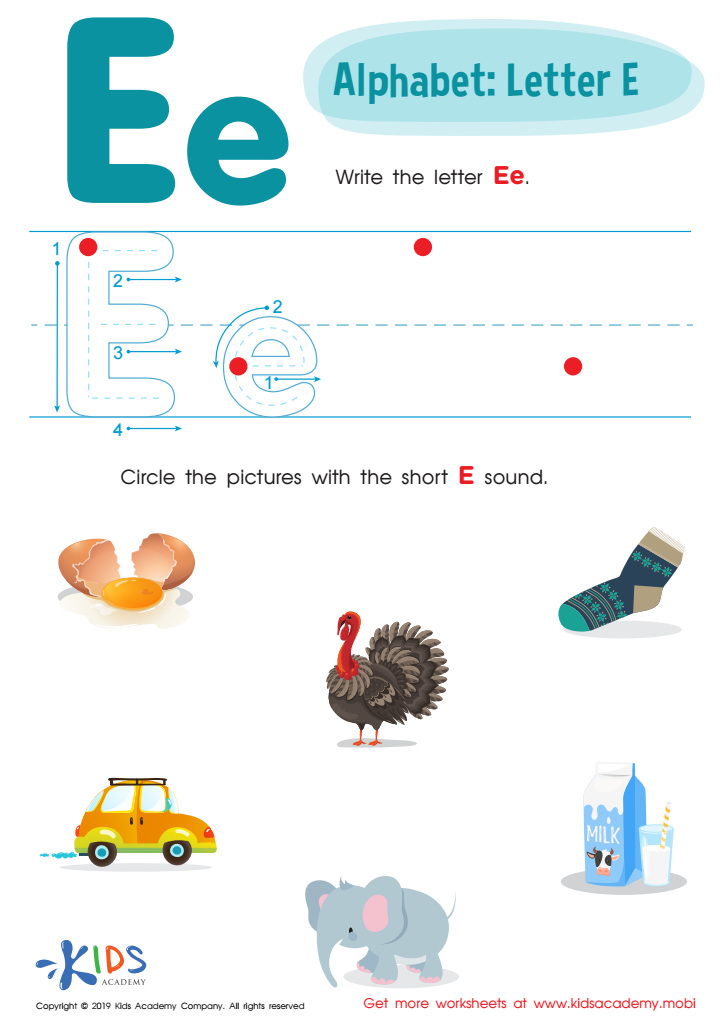
Students trace and write uppercase and lowercase letter E. They sound out "E" words, choosing those with short "E" sounds. Preschoolers identify the difference between the 'E' sounds in words like "egg" and "turkey." A tracing sheet helps them to understand.
Letter E Tracing Worksheet
Worksheet
Letter N worksheets
Letter N worksheets

Letter N Tracing Page

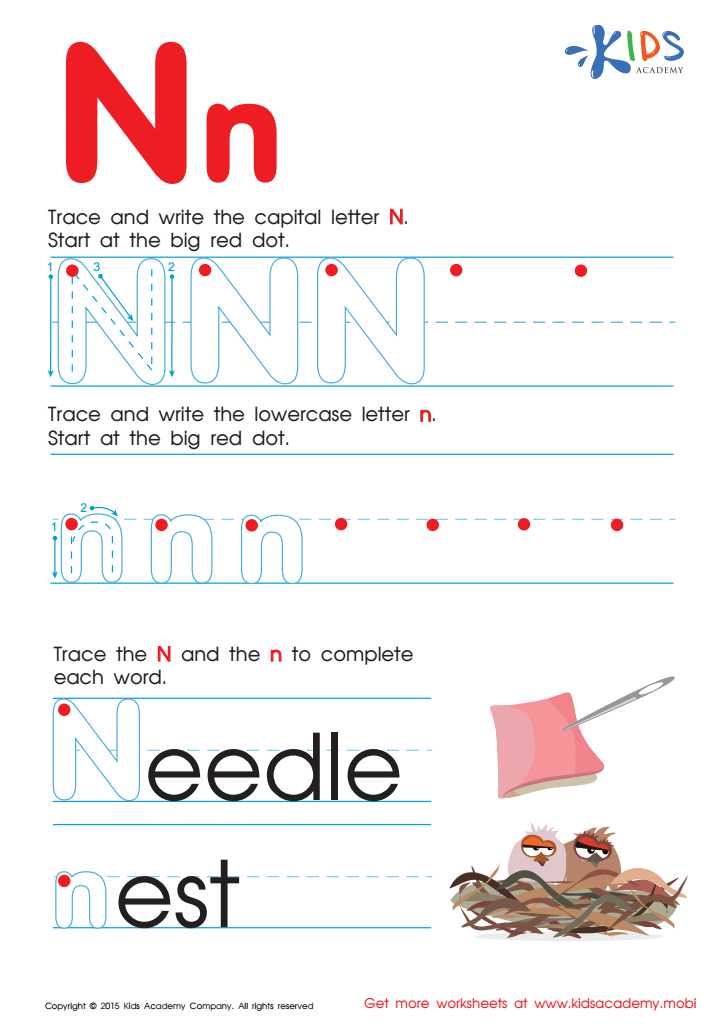
Trace and write capital "N" and lowercase "n" several times. Then try forming words like "needle" and "nest". Master letter writing with Kids Academy's collection of ABC worksheets for kindergarten.
Letter N Tracing Page
Worksheet
letter b worksheets
letter b worksheets

Letter B Tracing Page

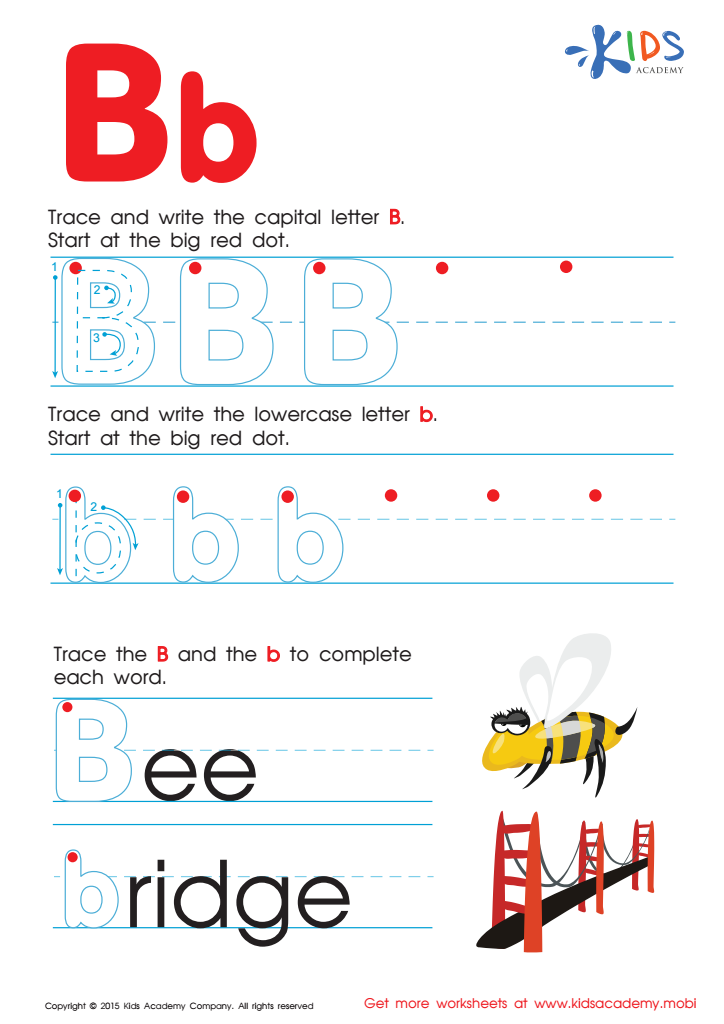
Ready to learn the Alphabet? Put your pencil on the red dot and trace & write both capital & lowercase "B". Then have a look at the pictures. Catch the bee, cross the bridge & write the letters to complete the words. More ABC worksheets for kindergarten available!
Letter B Tracing Page
Worksheet
letter e worksheets
letter e worksheets

Letter E Tracing Page

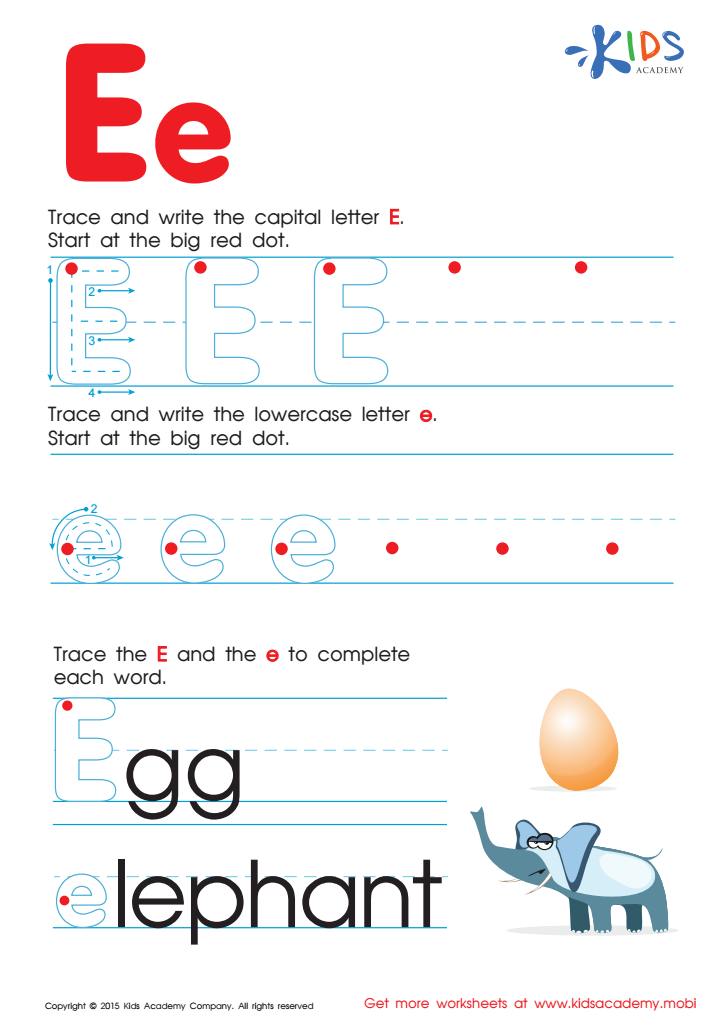
Trace and write the uppercase and lowercase "E" starting at the big red dot. Complete words to perfect letter writing. Egg and Elephant must be written carefully. More alphabet worksheets for kindergarten are available for download to spend more time with your children learning.
Letter E Tracing Page
Worksheet


Alphabet recognition and tracing letters are fundamental skills that serve as building blocks for overall literacy development in children, even as they approach age nine. At this age, while students are typically able to read and write basic sentences, solidifying their understanding of letter formation and recognition remains crucial.

Parents and teachers should care about these skills because they enhance fine motor skills, hand-eye coordination, and cognitive abilities. Mastering letters provides children with a strong foundation for more advanced writing tasks, encourages phonemic awareness, and supports reading comprehension. Without a solid grasp of alphabet recognition, children may struggle with decoding words, leading to frustration and decreased academic performance.

Additionally, tracing letters helps reinforce proper letter formation, which can improve handwriting legibility and speed. Encouraging regular practice in a supportive environment can boost a child's self-esteem and confidence in their writing abilities. Moreover, integrating fun and engaging activities around this skill can foster a love for learning and literacy. Ultimately, prioritizing alphabet recognition and tracing letters helps cultivate essential skills that impact a child's educational journey and sets the groundwork for lifelong learning.