Alphabet tracing Normal English for Beginners Worksheets for 9-Year-Olds
5 filtered results
-
From - To
Welcome to our Alphabet Tracing Normal English Worksheets, specially designed for 9-year-old beginners! These engaging worksheets provide a fun and interactive way for children to enhance their writing skills while learning the English alphabet. Each worksheet features large, clear letters for easy tracing, helping kids develop proper penmanship and familiarize themselves with letter formation. Ideal for ESL learners, these resources support vocabulary building and help reinforce language fundamentals. Perfect for classroom or at-home use, our alphabet tracing worksheets make learning enjoyable and effective, setting a strong foundation for future literacy success. Dive into a world of learning today!
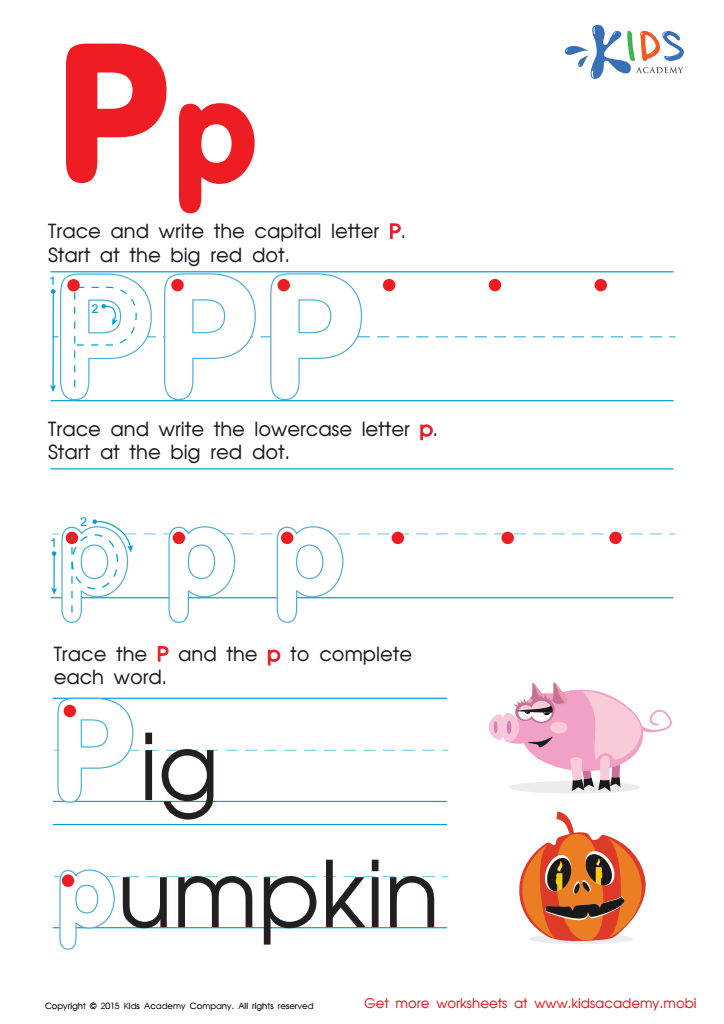
Letter P Tracing Page
 Assign to My Students
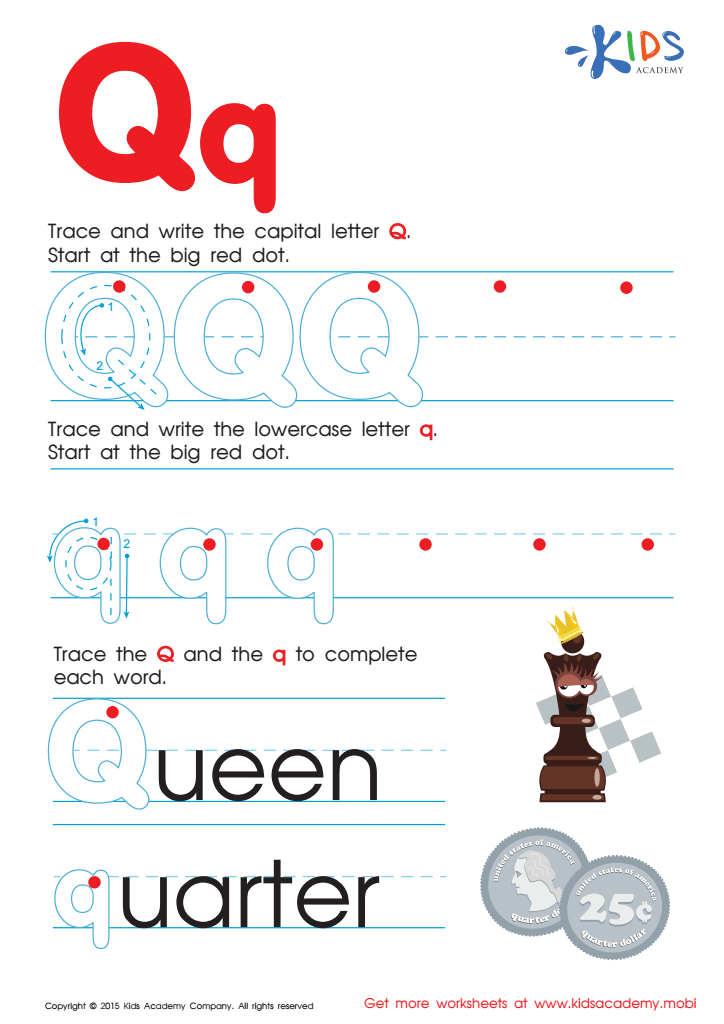
Letter Q Tracing Page
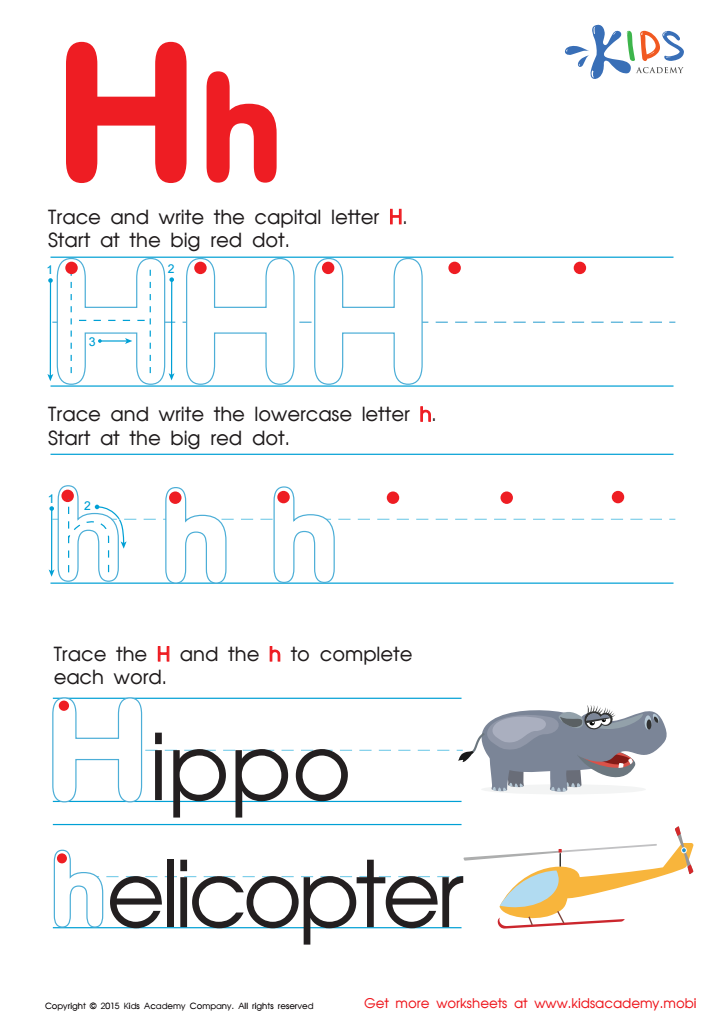
Letter H Tracing Page
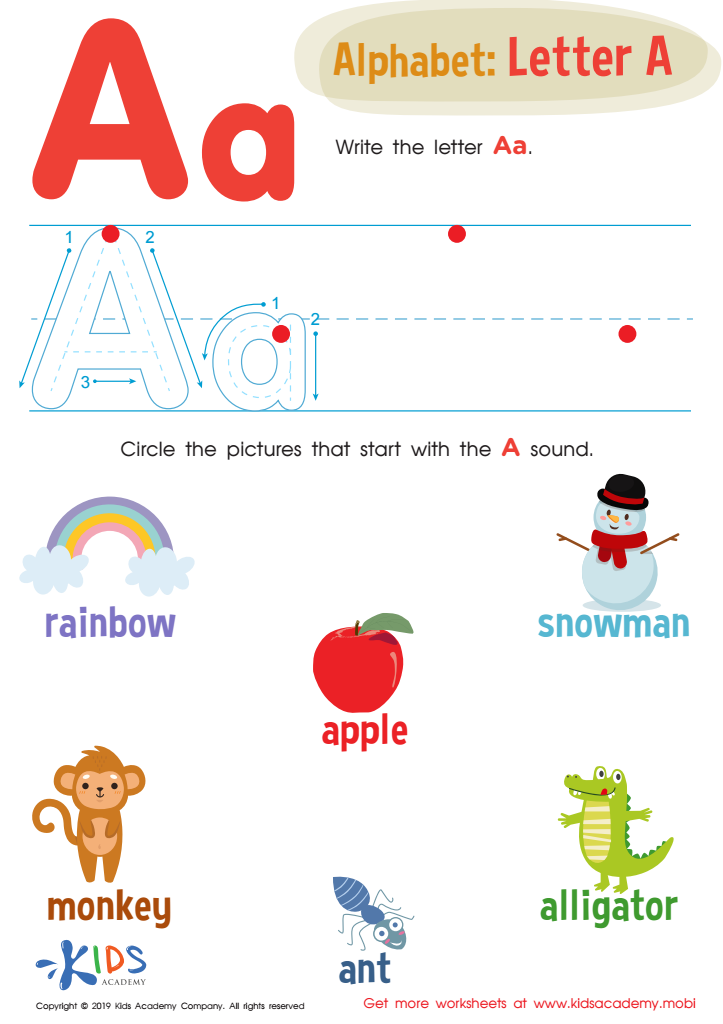
Letter A Tracing Worksheet

Letter D Tracing Page





Alphabet tracing is a vital foundational skill for 9-year-olds, especially those who may still be refining their handwriting and literacy. For parents and teachers, nurturing this skill encompasses more than just penmanship; it encompasses cognitive and motor development. Tracing letters helps children develop fine motor skills and hand-eye coordination, both of which are essential for writing fluency and overall classroom success.
Moreover, practicing alphabet tracing aids in letter recognition, an important step in literacy development. It engages children in active learning, enhancing memory retention through tactile, visual, and kinetic activities. As they trace letters repeatedly, kids internalize the shapes and sounds associated with each character, bolstering their reading and writing skills.
Encouraging alphabet tracing fosters a love for writing, making it exciting and approachable for young learners. By integrating it into daily activities, parents and teachers enhance children’s self-confidence, encouraging children to express themselves through writing.
In conclusion, alphabet tracing is not only effective in refining handwriting but is also integral to a child's cognitive and emotional growth, making it a worthwhile investment for parents and teachers who are committed to supporting holistic learning.