Motor skills development Normal ABC Letters Worksheets
3 filtered results
-
From - To
Enhance your child's motor skills development with our engaging "Normal ABC Letters Worksheets." Designed for early learners, these fun-filled activities promote fine motor skills, letter recognition, and handwriting practice. Each worksheet features colorful illustrations and interactive designs that encourage children to trace, write, and identify letters. By using these worksheets, kids will improve their hand-eye coordination and dexterity in a playful manner. Perfect for home or classroom use, our resources are tailored to foster a love for learning and build a strong foundation for future literacy skills. Explore our collection today and watch your child thrive in their language journey!

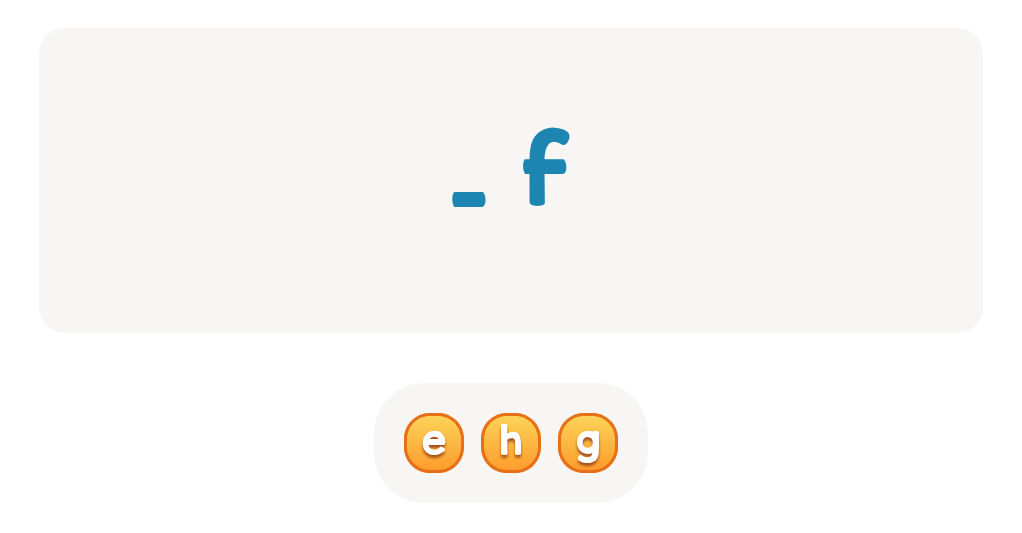
Letter H Tracing Page






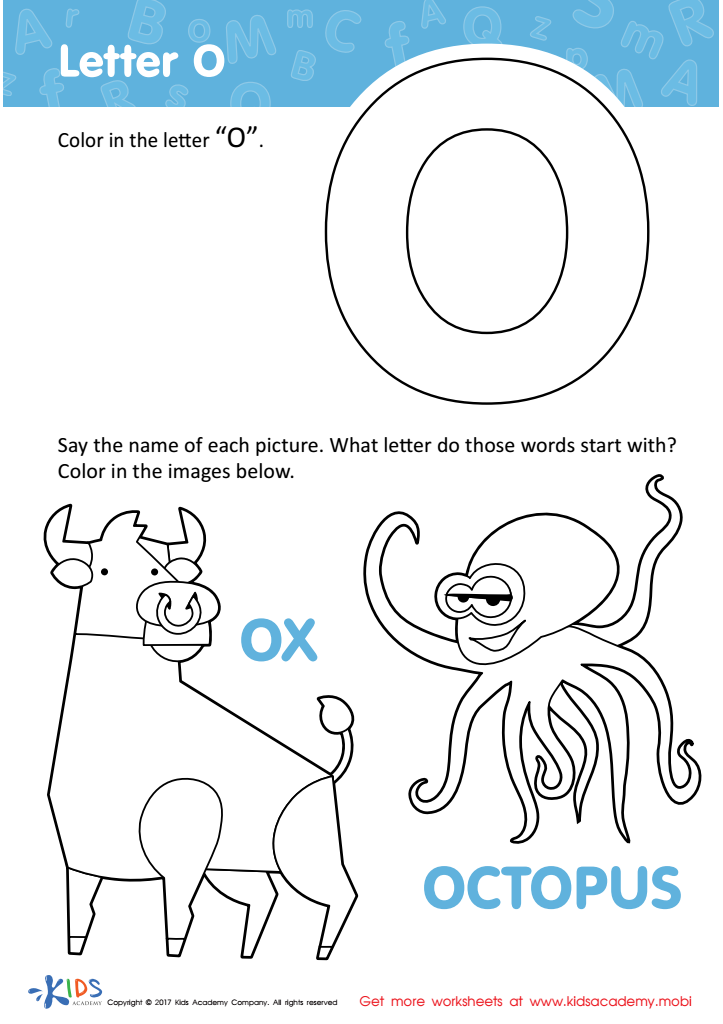
Letter O Coloring Sheet
 Assign to My Students
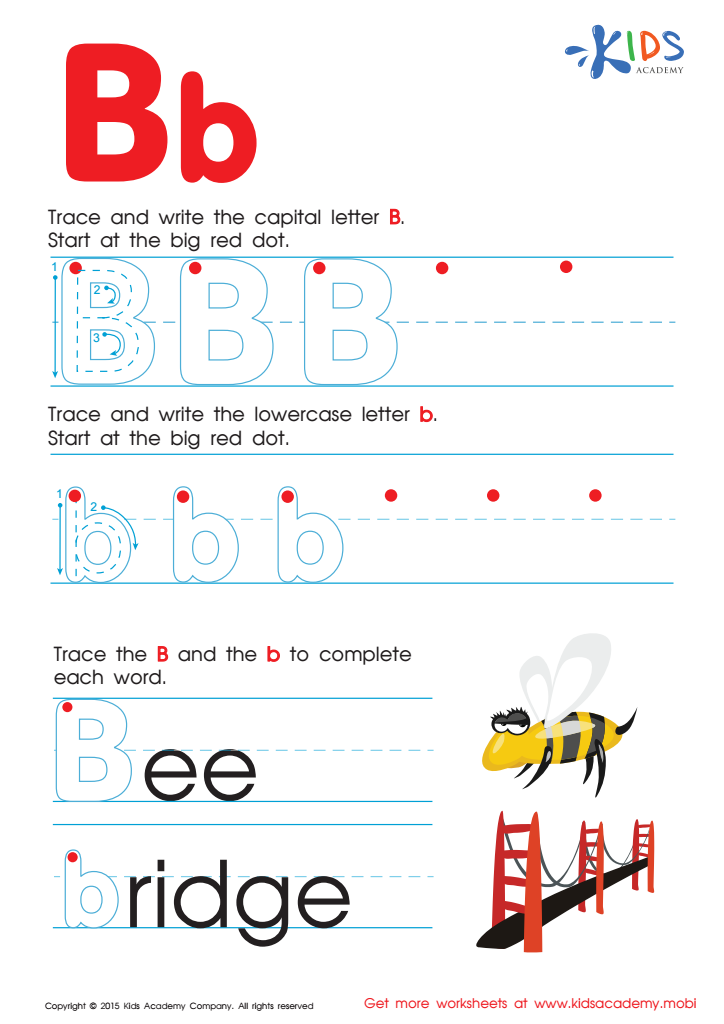
Letter B Tracing Page







Motor skills development, especially in early childhood, is crucial for laying a foundation for lifelong learning and physical health. Parents and teachers should prioritize nurturing these skills because they significantly impact a child's ability to interact with their environment and engage in school activities.
Fine motor skills, which involve small muscle movements in the hands and fingers, are particularly important for tasks such as writing letters, manipulating classroom materials, and self-care activities. The development of these skills helps children gain confidence in their abilities, encouraging them to participate more actively in learning. Being adept in forming normal ABC letters is not just a precursor to literacy but also enhances cognitive development as children learn to recognize shapes, sounds, and sequences.
Moreover, gross motor skills, which engage larger muscle groups, are essential for physical coordination, balance, and overall health. Children with well-developed motor skills are more likely to engage in physical play, which is essential for social skills and emotional regulation.
Thus, by focusing on motor skills development, parents and teachers foster a holistic approach to early education, setting children up for success both academically and socially in their formative years.







