Color Identification Normal Alphabet Worksheets
3 filtered results
-
From - To
Welcome to our "Color Identification Normal Alphabet Worksheets" page! These expertly designed worksheets make learning the alphabet fun and effective by integrating color identification skills. Each worksheet features vibrant, engaging activities where children identify specific colors and match them to the corresponding letters. Perfect for early learners, these worksheets strengthen letter recognition, improve fine motor skills, and enhance cognitive development. Ideal for classroom use or homeschooling, they provide an exciting and educational experience that keeps young minds captivated. Download now to support your child's alphabet learning journey with a colorful twist!
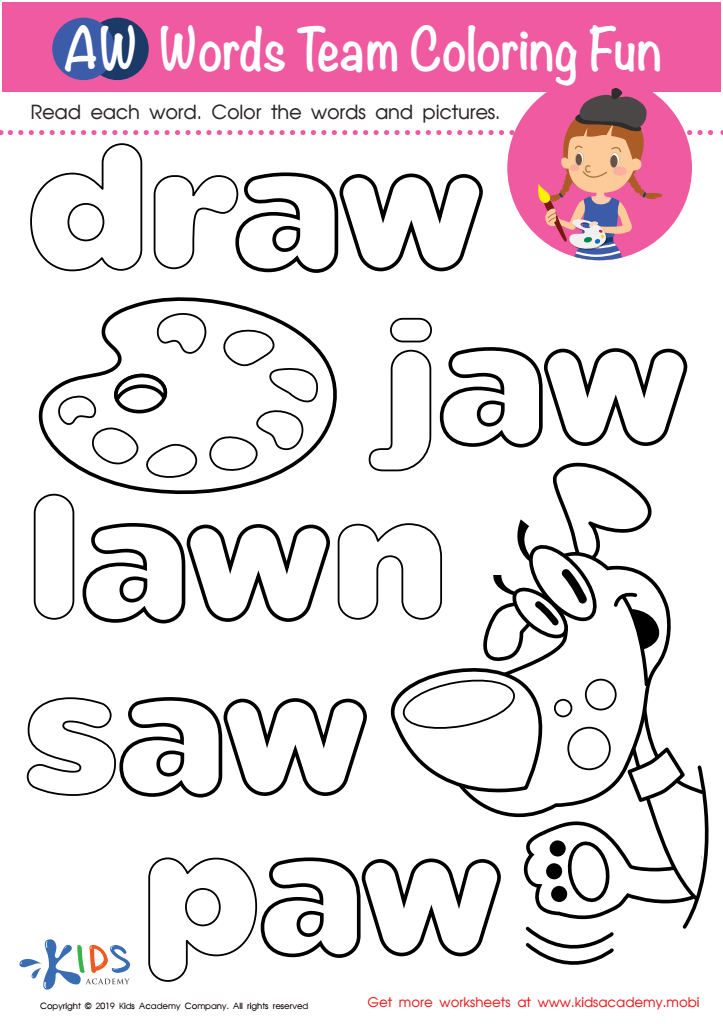
AW Words Team Coloring Fun Worksheet
 Assign to My Students
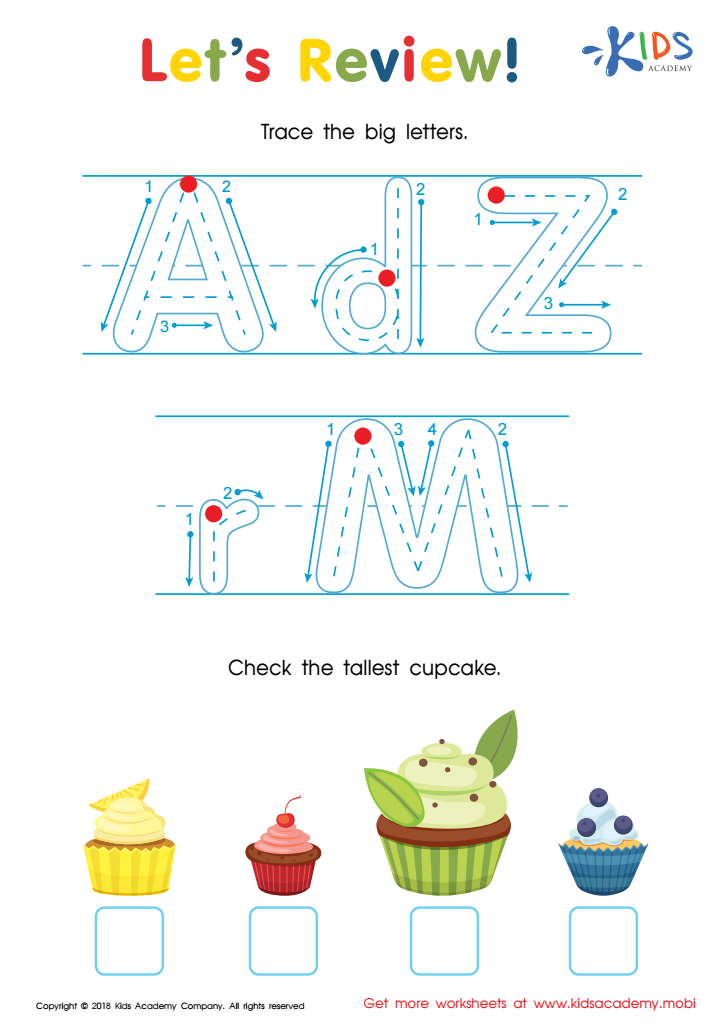
Let's Review! Big Letters Worksheet
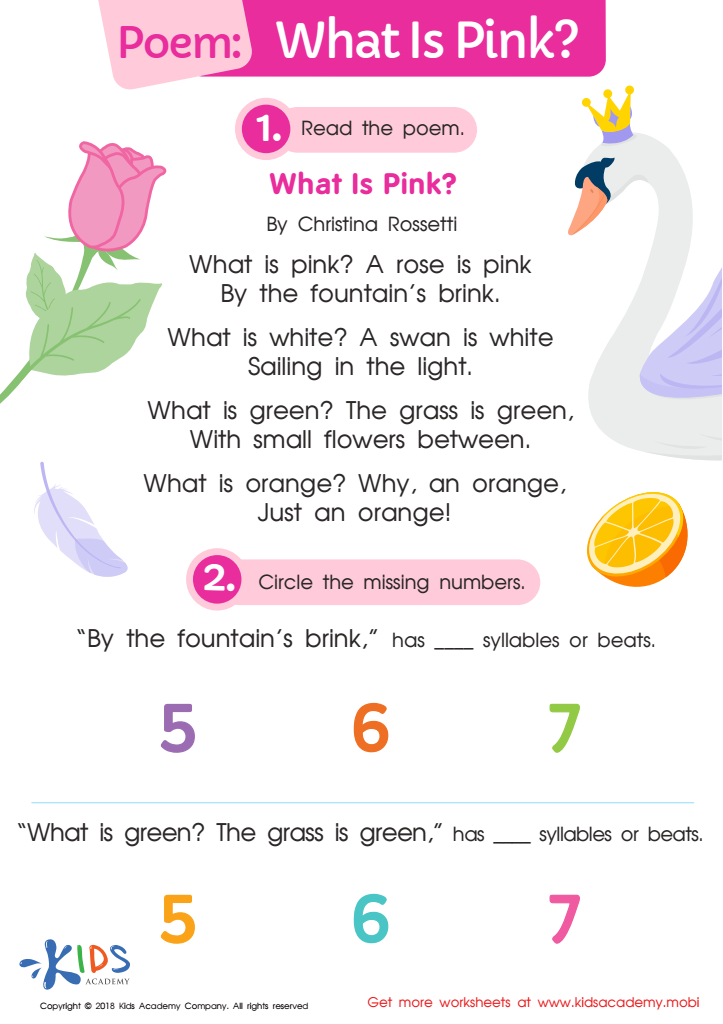
Poem: What Is Pink? Worksheet








Parents and teachers should care about Color Identification Normal Alphabet because it provides young children with a multi-sensory learning experience that integrates visual and cognitive skills. This approach uses colors to help distinguish and recognize letters, which is particularly beneficial for early literacy development. By associating each letter with a different color, children can better remember and identify letters, aiding in the prevention of common issues like letter reversal and confusion between similarly shaped letters (e.g., 'b' and 'd').
Moreover, color-coding can enhance a child's engagement and interest in learning by making the process more enjoyable and visually stimulating. It supports differentiated learning by catering to different learning styles—visual, kinesthetic, and sometimes even auditory if paired with sounds or songs.
Using colorful alphabets is also beneficial for children with special needs, such as those with dyslexia or other learning disabilities. It can break down challenging tasks into more manageable parts, offering a clearer distinction that traditional black-and-white text may lack.
In essence, incorporating color identification in teaching the alphabet not only cultivates foundational literacy skills but also fosters a fun, inclusive, and effective learning environment that addresses the diverse needs of all learners.







