Phonics improvement Normal Alphabet Worksheets
3 filtered results
-
From - To
Unlock your child's potential with Phonics Improvement Normal Alphabet Worksheets from Kids Academy. These engaging and interactive worksheets help children master fundamental phonics skills through fun and educational activities. Each sheet focuses on letter recognition, sound identification, and simple word building to reinforce early literacy. Perfect for preschoolers and kindergarteners, our worksheets create a solid foundation for reading and writing. Boost your child's confidence and eagerness to learn with colorful and attractive exercises that turn learning into play. Start today and watch your little one’s reading skills flourish! Explore our full collection at Kids Academy.
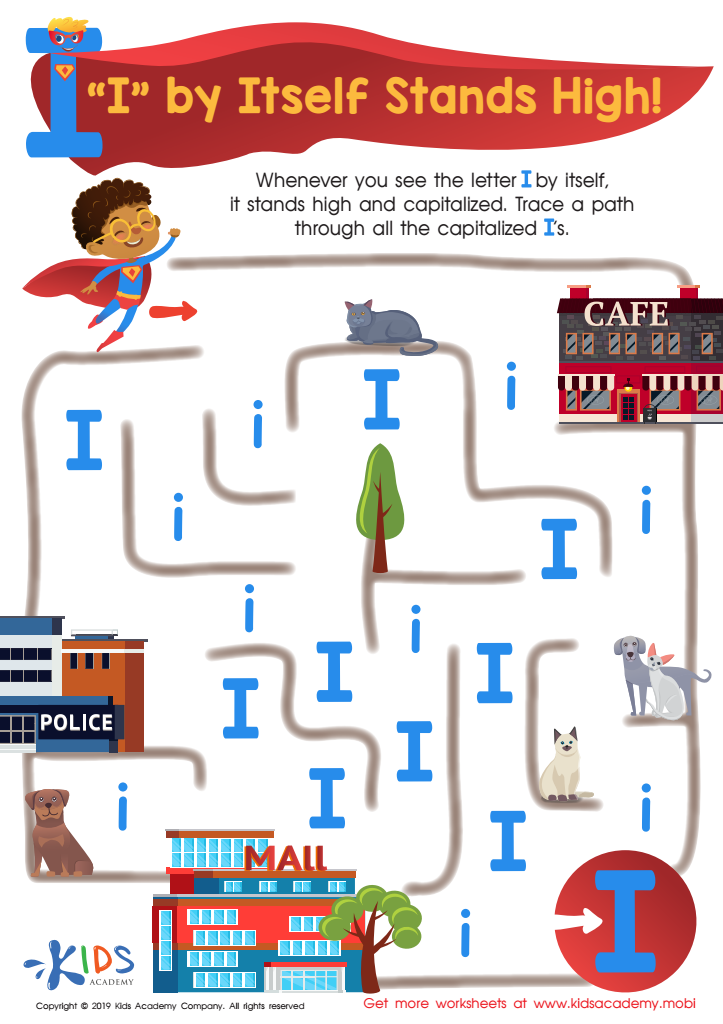
I Stands High Worksheet
 Assign to My Students
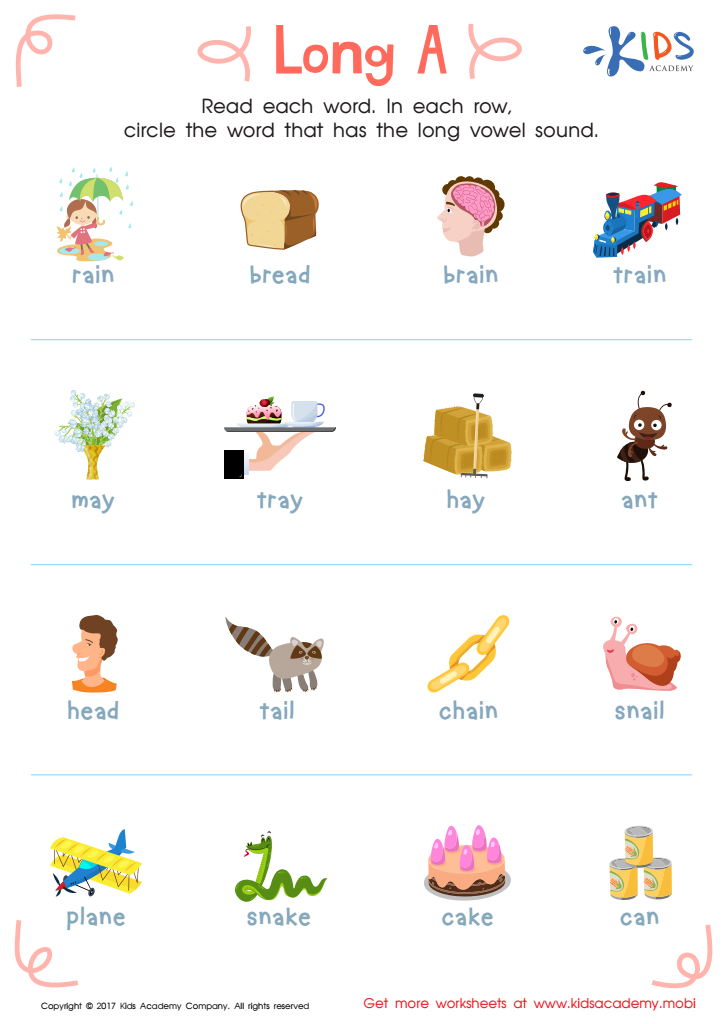
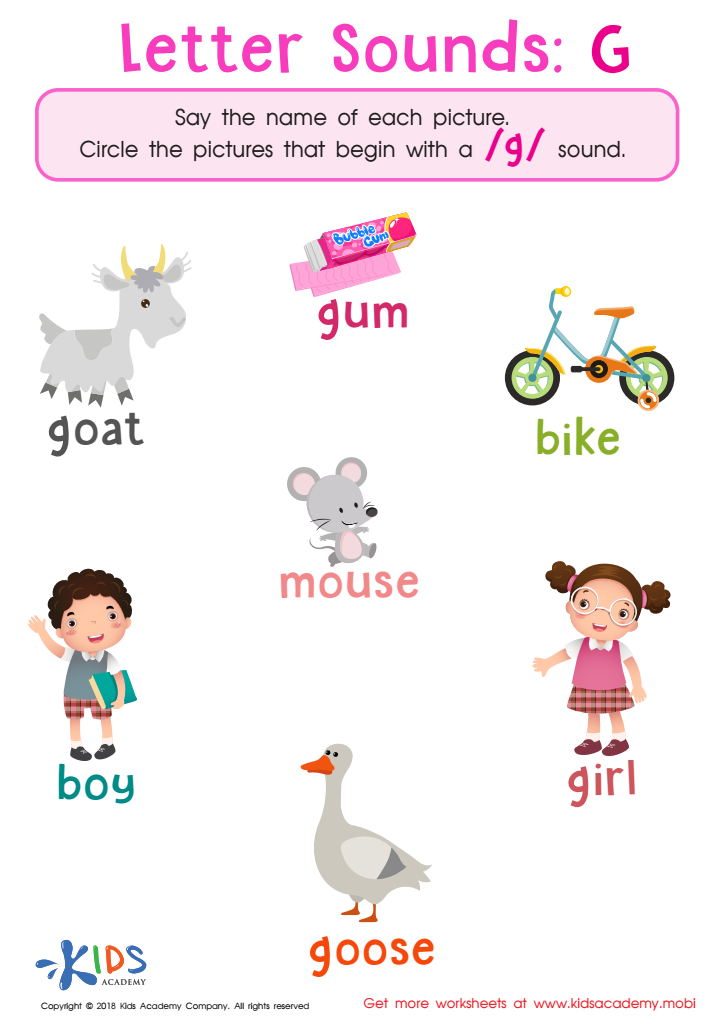
Letter G Sounds Worksheet






Phonics improvement is crucial in early education because it forms the foundation for reading and writing skills. Phonics involves the relationship between letters and sounds, and understanding this connection helps children decode new words and comprehend text more efficiently. When children grasp phonics, they can sound out unfamiliar words, which boosts their reading ability and confidence.
For parents and teachers, emphasizing phonics can prevent or address reading difficulties early on. As children's literacy skills improve, they become more competent readers, and competent readers are more likely to enjoy reading. This enjoyment can set the stage for lifelong learning and academic success. Additionally, a strong phonics foundation aids in spelling skills, further enhancing a child's overall language proficiency.
Incorporating Normal Alphabet principles makes phonics learning accessible and relatable. When children recognize that the letters they are learning in phonics correspond to their everyday alphabet, it demystifies reading. This realization can make learning to read less intimidating and more engaging.
In summary, by caring about phonics improvement and the Normal Alphabet, parents and teachers can help children develop crucial literacy skills, encouraging a positive and productive educational experience. This focus lays the groundwork for academic achievements and fosters a love for learning that can benefit children throughout their lives.







