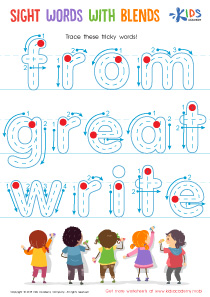
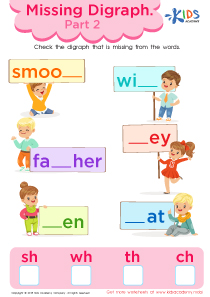
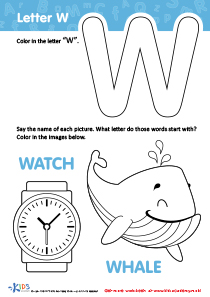
Fine Motor Skills Normal Grade 1 Alphabet Worksheets - Page 2
30 filtered results
-
From - To
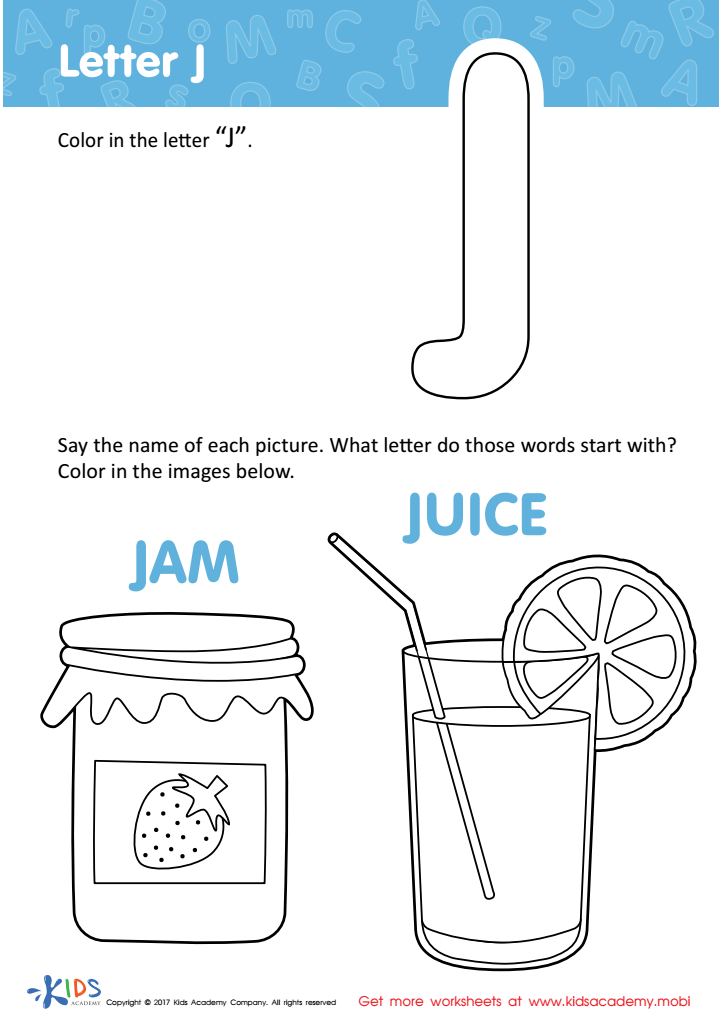
Letter J Coloring Sheet
 Assign to My Students
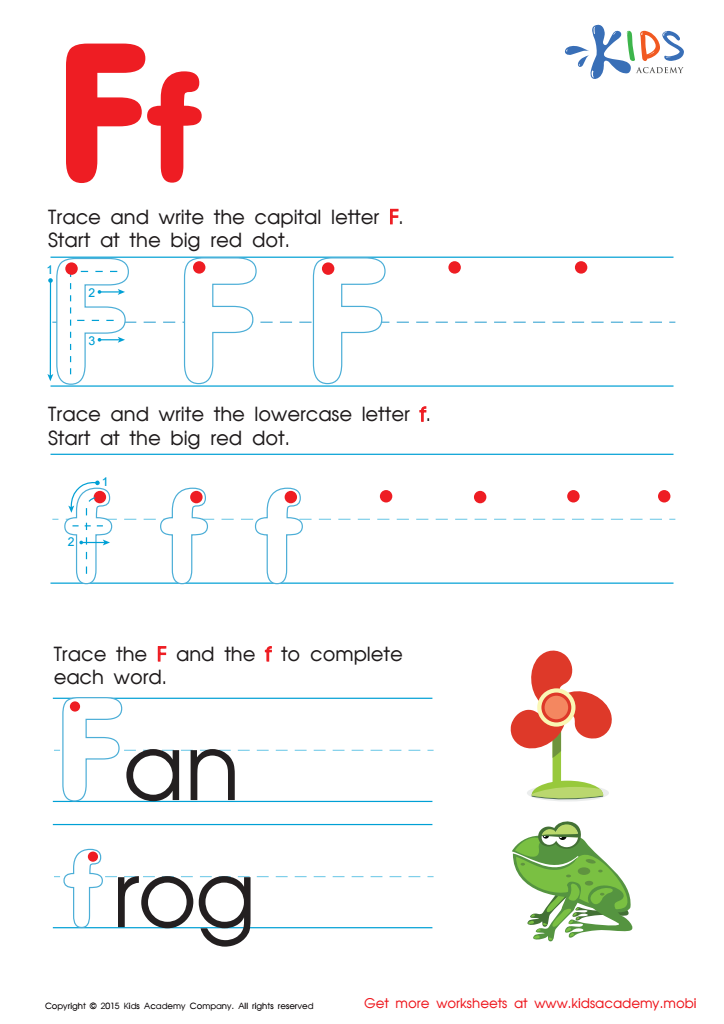
Letter F Tracing Page
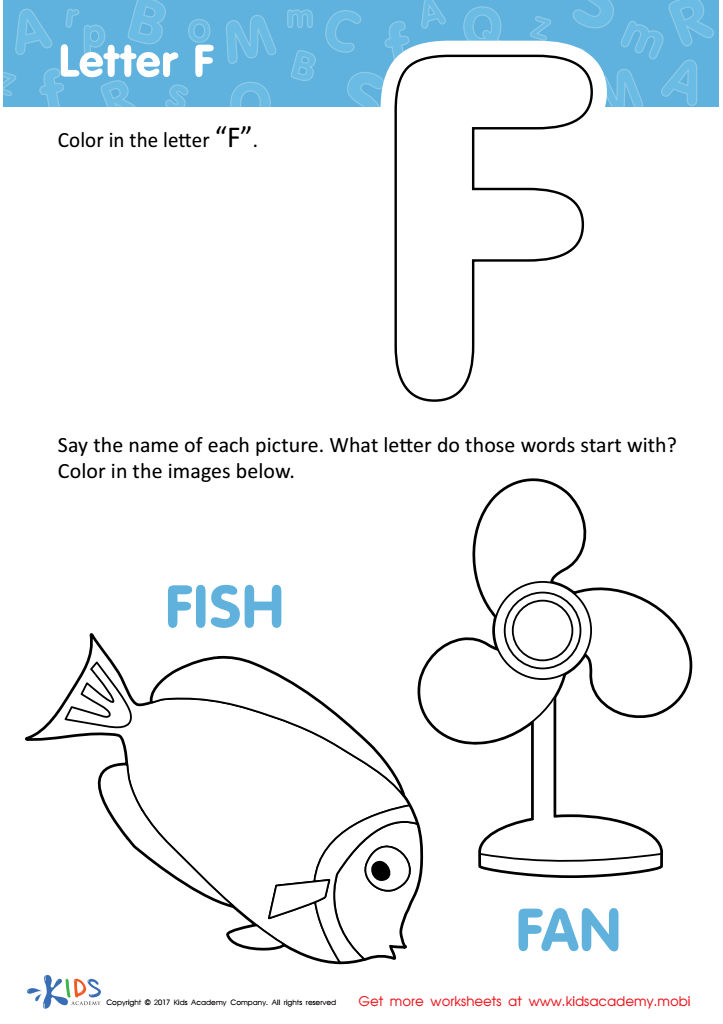
Letter F Coloring Sheet
Assign to My Students
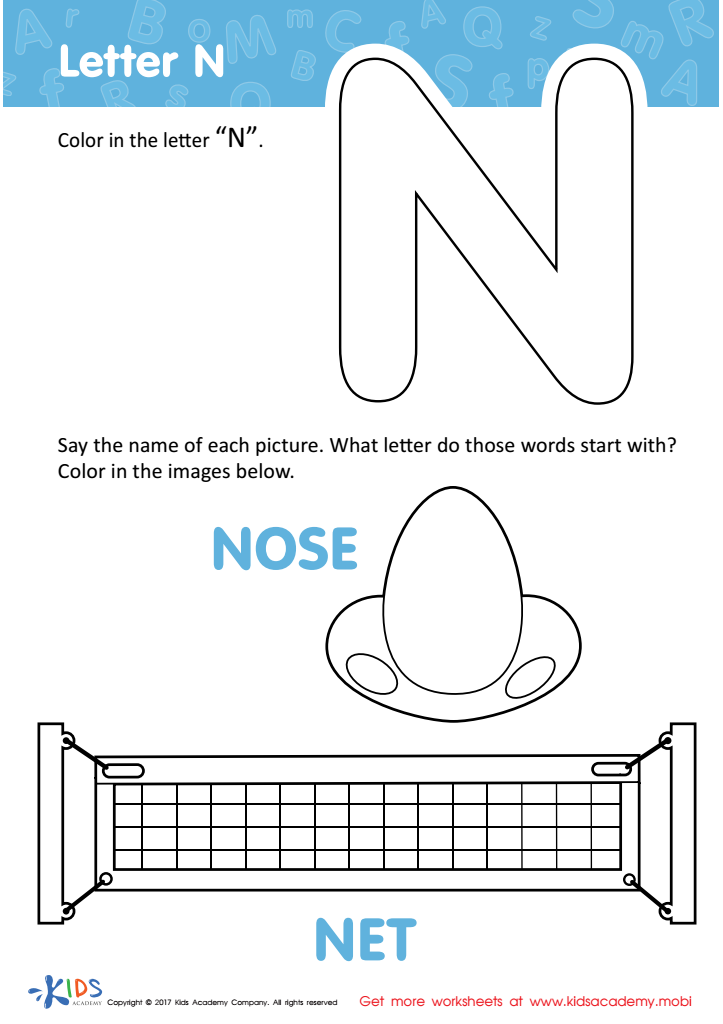
Letter N Coloring Sheet
Assign to My Students
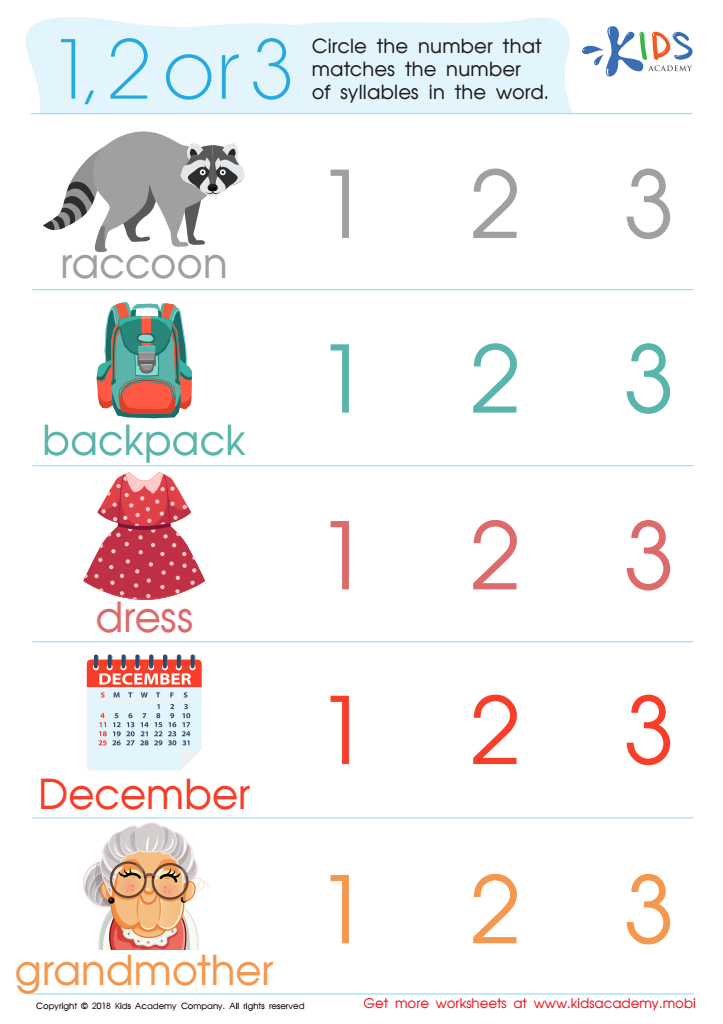
1, 2 or 3? Worksheet
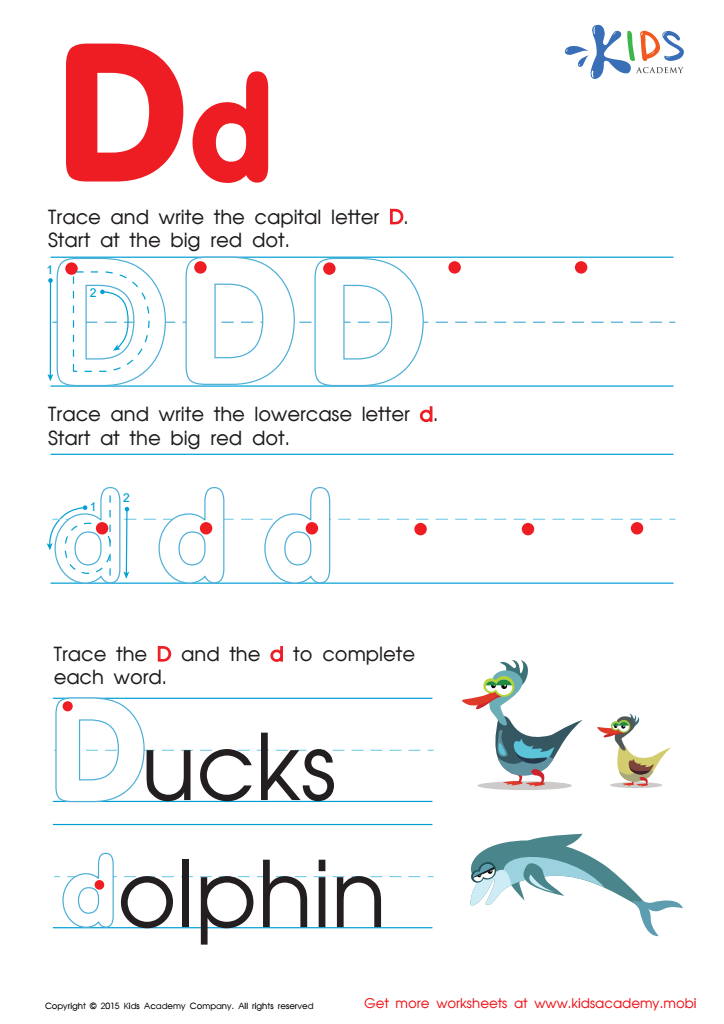
Letter D Tracing Page








Fine motor skills are critical for children's overall development, especially for Grade 1 students who are transitioning from kindergarten. These skills involve the use of small muscles in the hands and fingers for tasks such as writing, cutting, and drawing. As children learn to form letters and write their names, strong fine motor skills enable them to control their pencils, resulting in better handwriting. This competence boosts their confidence and encourages a positive attitude toward learning.
Parents and teachers should prioritize fine motor development because it lays the foundation for various academic skills. For instance, proficiency in fine motor tasks enhances children's ability to engage in science, art, and other hands-on activities. Moreover, well-developed fine motor skills contribute to greater independence, as children become capable of participating in routine tasks like buttoning shirts or using utensils.
Additionally, insufficient fine motor skill development can lead to difficulties in school, affecting a child's social and academic performance. By providing opportunities to practice fine motor skills, through activities like drawing, crafting, or playing with small toys, adults can support children’s preparation for future learning, leading to improved self-esteem and academic success. In short, fostering fine motor skills is essential for a child's holistic growth.