Phonics recognition Normal Grade 1 Alphabet Worksheets
5 filtered results
-
From - To
Discover our engaging Phonics Recognition Normal Grade 1 Alphabet Worksheets! Designed to enhance early reading skills, these worksheets provide first graders with the tools they need to master letter sounds and build phonemic awareness. Each activity is crafted to make learning fun, incorporating colorful visuals and interactive exercises that promote independent practice. Students will explore letter recognition, sound correspondence, and word formation through a variety of themed worksheets. Ideal for homework or classroom use, our phonics recognition worksheets foster essential literacy skills and empower young learners on their educational journey. Start your child’s reading adventure today and watch their confidence soar!
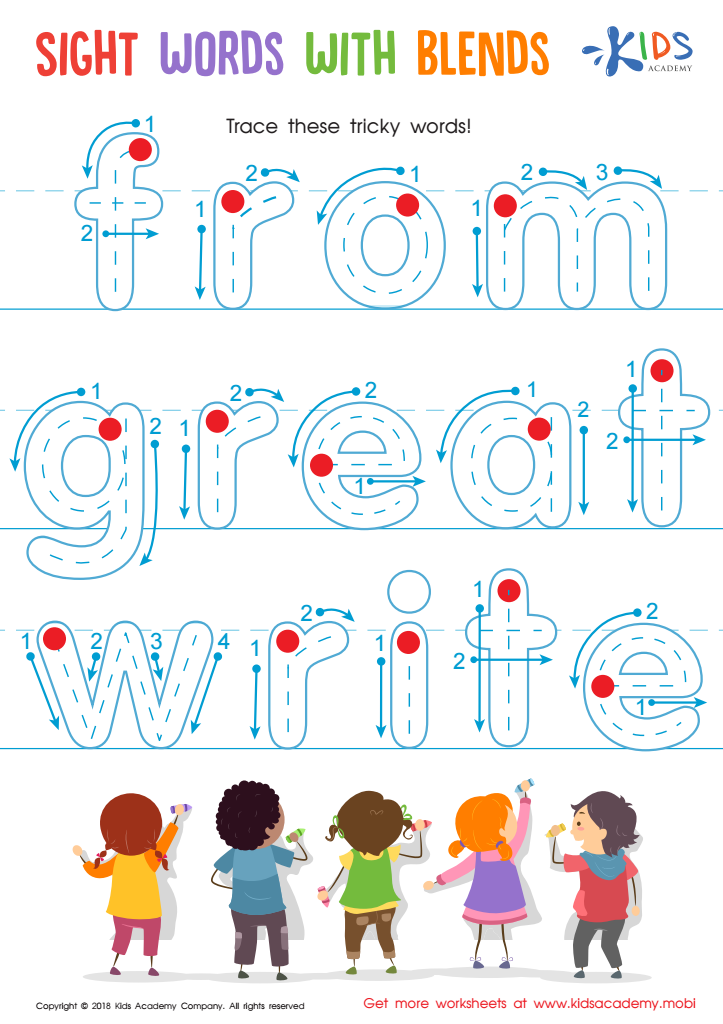
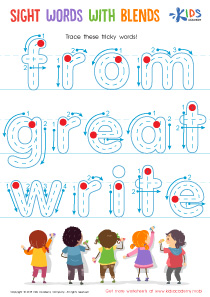
Sight Words with Blends Worksheet
 Assign to My Students
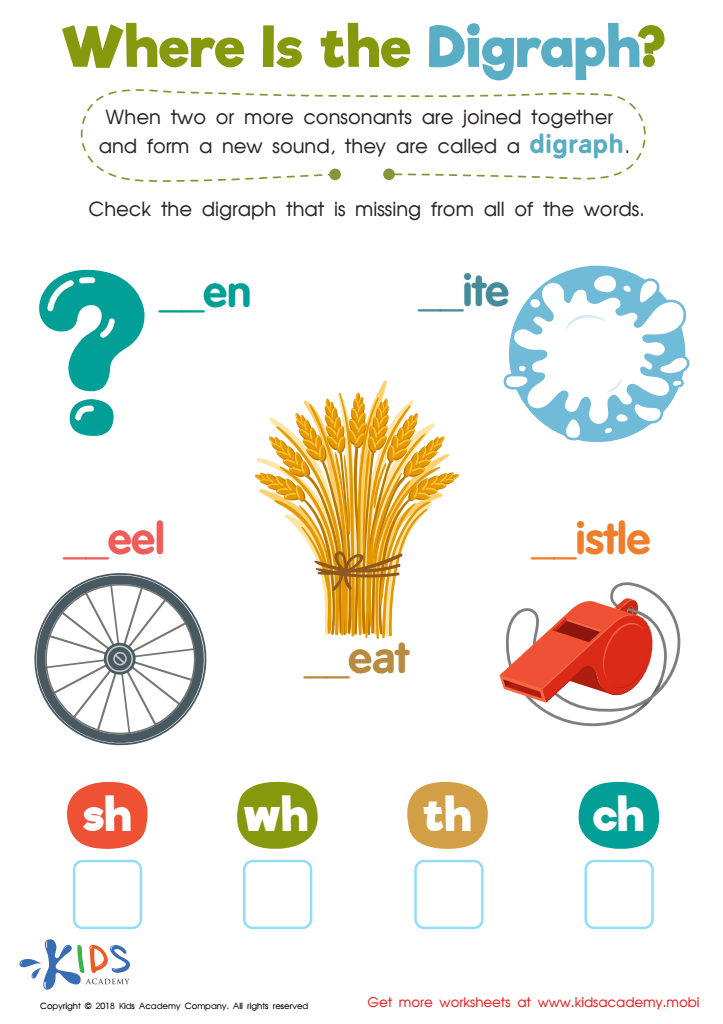
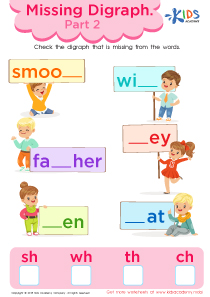
Where Is the Digraph? Worksheet
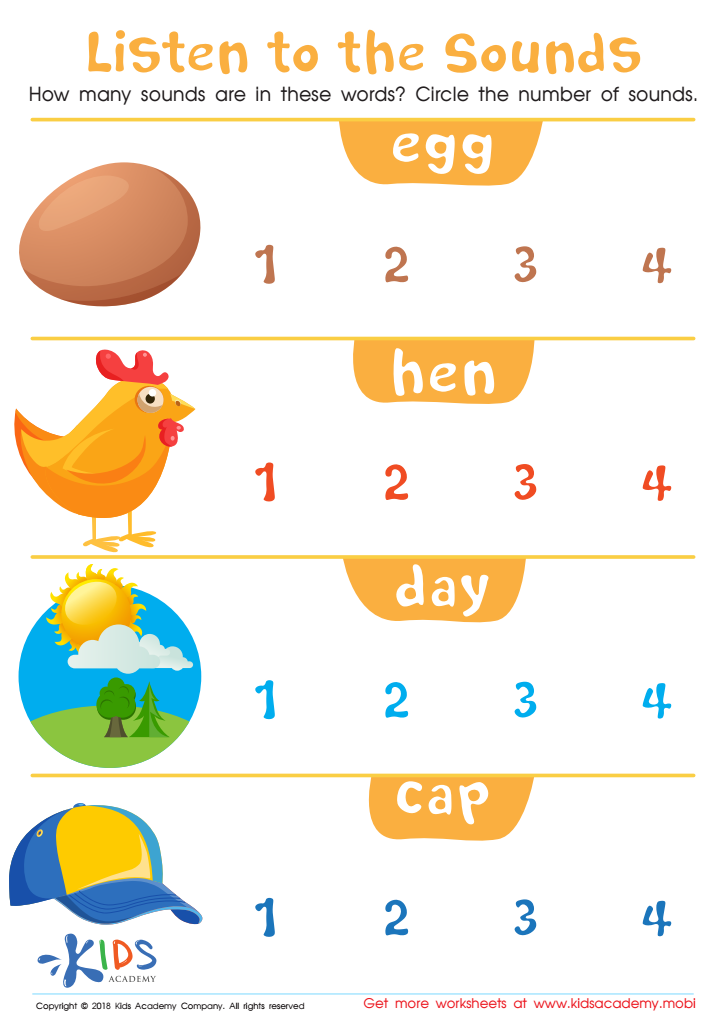
Listen to the Sounds Worksheet
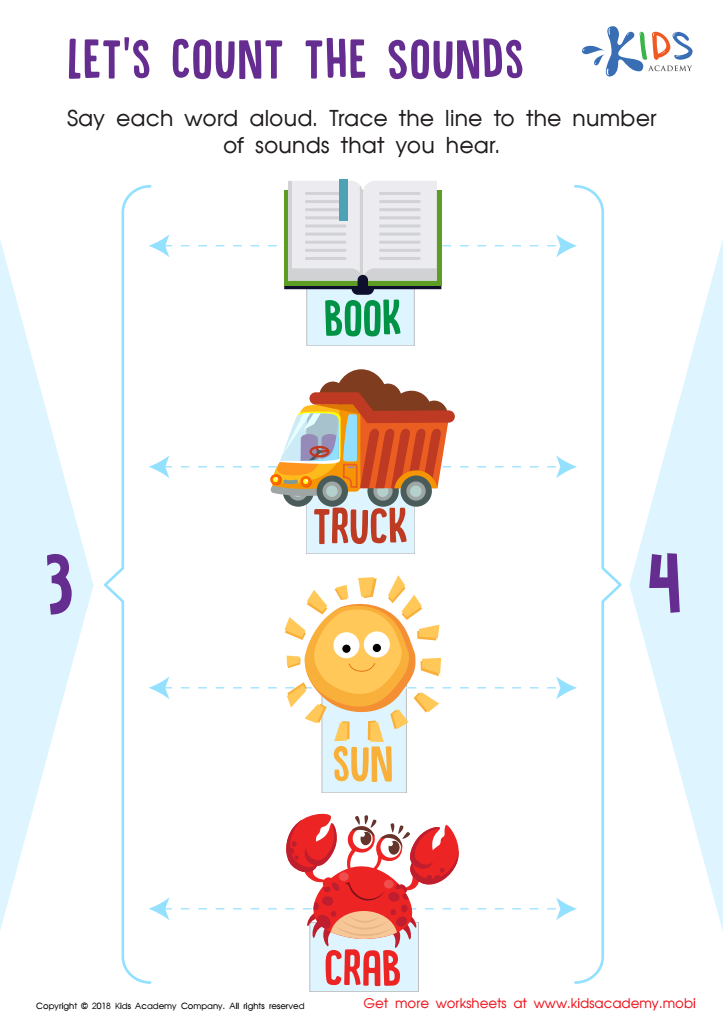
Let's Count the Sounds Worksheet
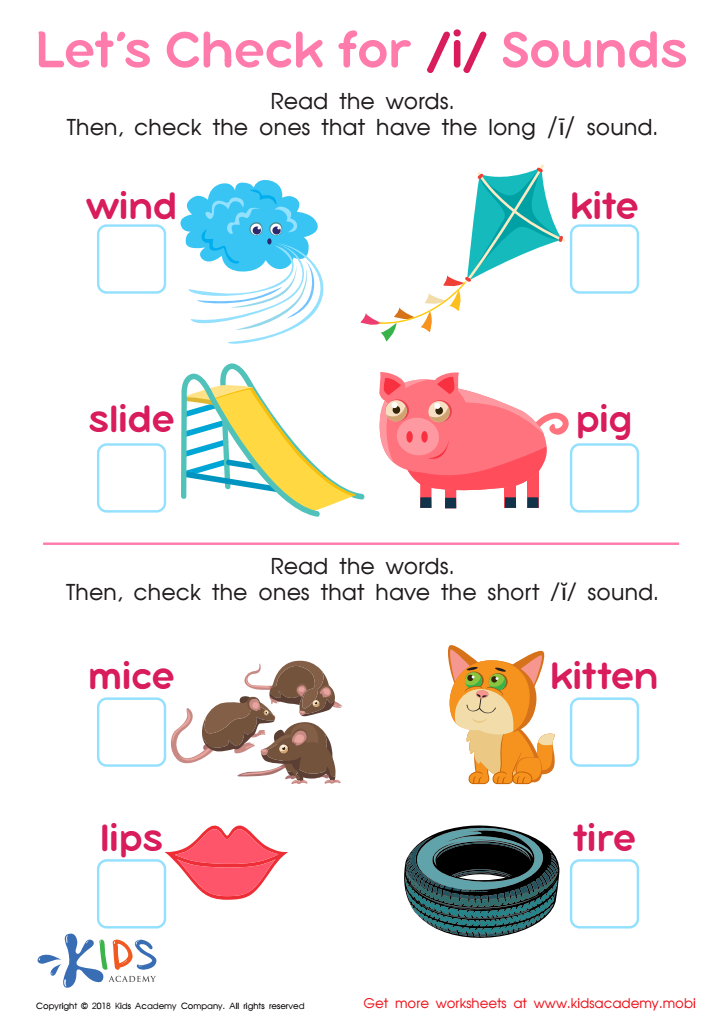
Let's Check for «i» Sounds Worksheet








Phonics recognition is a fundamental aspect of early literacy development, especially in Grade 1. Understanding the phonetic relationships between letters and sounds lies at the heart of reading proficiency. Parents and teachers should prioritize phonics recognition because it serves as the foundation for children to decode words independently.
When children learn to associate letters with specific sounds, they can blend those sounds to form words, enhancing their reading fluency. Mastery of phonics facilitates not only word recognition but also spelling skills, which are essential for effective written communication.
Moreover, strong phonics skills contribute to better comprehension. When students can understand how words are pronounced and constructed, they are less likely to become frustrated with reading tasks, leading to greater confidence and a love for reading.
Additionally, phonics recognition has a direct impact on academic success beyond literacy. It supports vocabulary acquisition and overall language development, which are crucial as children progress through their education. By actively supporting phonics instruction, parents and teachers help cultivate well-rounded learners who are prepared to tackle more complex reading materials in the years to come. Ultimately, the early investment in phonics recognition lays the groundwork for lifelong learning and growth.