Vocabulary Building Normal Grade 1 Alphabet Worksheets
4 filtered results
-
From - To
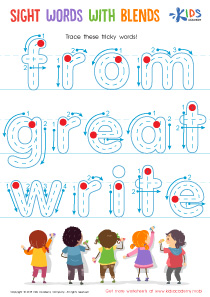
Enhance your first grader's vocabulary with our engaging Alphabet Worksheets, designed to foster early language skills through fun activities. Each worksheet targets essential vocabulary building, helping young learners connect letters with words and meanings. Our interactive exercises encourage creativity and critical thinking, making learning enjoyable and effective. Perfect for classroom or home use, these worksheets support phonics and reading comprehension, ensuring a strong foundation for literacy. Explore a variety of themes and concepts, allowing children to expand their vocabulary while mastering each letter of the alphabet. Empower your child's language development today with our comprehensive and captivating resources!
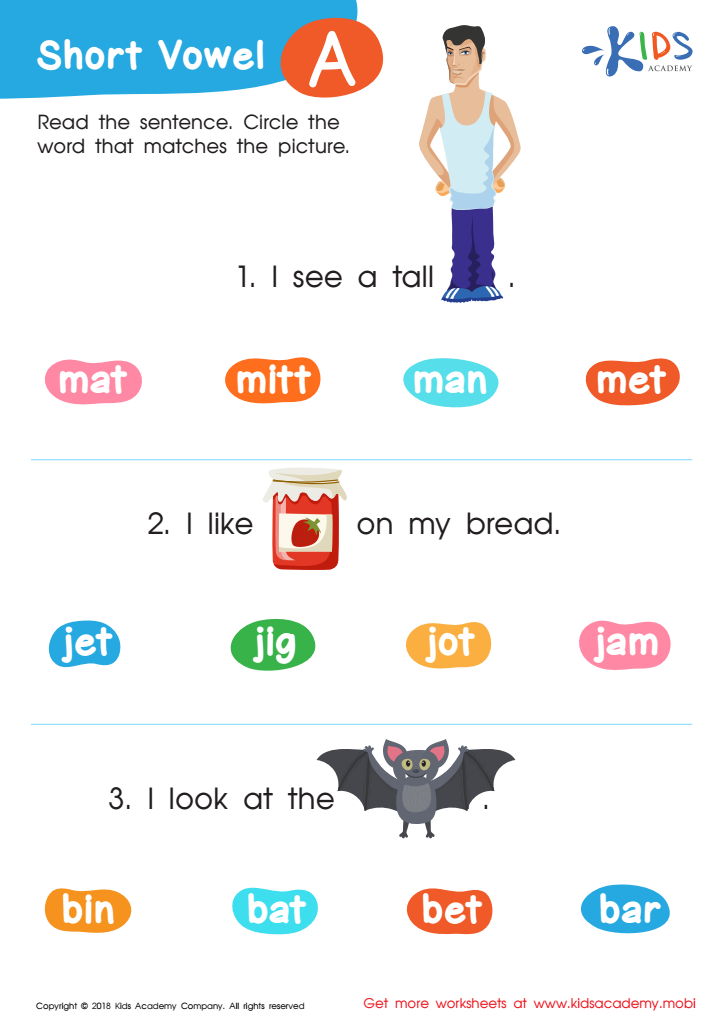
Short Vowel /a/ Worksheet
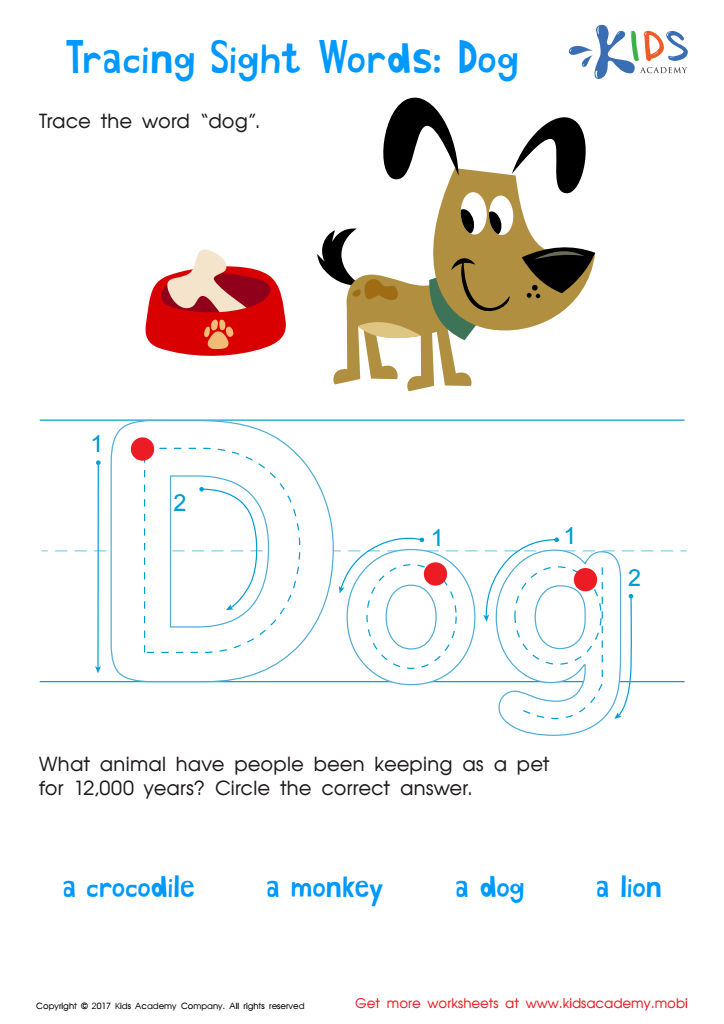
Dog Worksheet Sight Words Worksheet
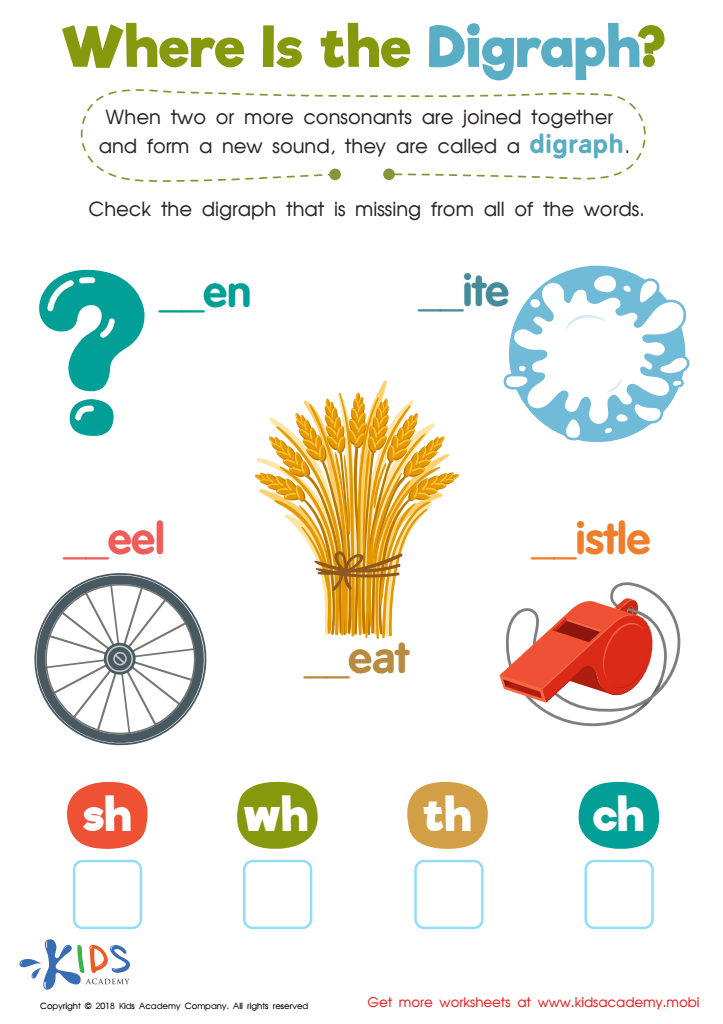
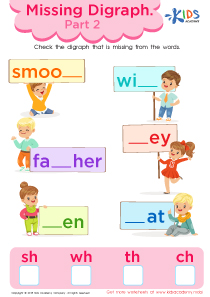
Where Is the Digraph? Worksheet
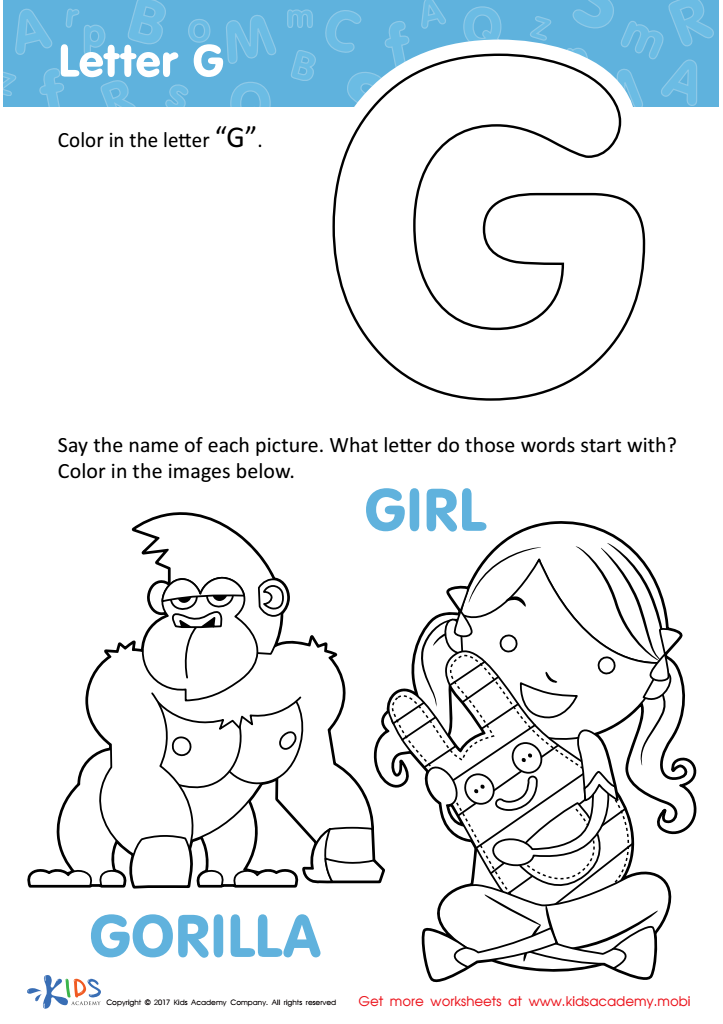
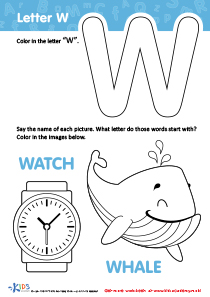
Letter G Coloring Sheet
 Assign to My Students








Vocabulary building in Grade 1 is crucial for young learners as it lays the foundation for reading comprehension, communication skills, and overall academic success. During this pivotal stage, children are introduced to various words that not only enrich their language but also enhance their understanding of the world around them. Parents and teachers should care about vocabulary building because it supports cognitive development, enabling children to express their thoughts and feelings more clearly.
A strong vocabulary aids in reading; children who know more words can decode texts with greater ease, leading to increased confidence and motivation. As they encounter diverse vocabulary, youngsters become better writers, crafting more complex sentences and ideas as they progress in their education.
Moreover, vocabulary building fosters critical thinking skills. Children learn to categorize words, understand nuances in meaning, and make connections between concepts. Engaging with rich vocabulary also stimulates academic discussions, encouraging collaborative learning.
Parents and educators can actively participate in this process through everyday conversations, reading a variety of books, and encouraging descriptive language. By prioritizing vocabulary development in Grade 1, adults can empower children with essential linguistic tools that promote lifelong learning and communication skills.