Alphabetical order understanding Normal Grade 1 English for Beginners Worksheets
3 filtered results
-
From - To
Help your first-grader master the basics of alphabetical order with our engaging and effective worksheets! Designed specifically for young learners and beginners, these "Alphabetical Order Understanding" worksheets build a solid foundation in organizing words. Each worksheet features fun exercises that focus on recognizing and arranging letters and words in alphabetical order. Perfectly suited for normal Grade 1 English students, our carefully crafted activities support early literacy and bolster essential language skills. Enhance your child's learning experience with these user-friendly and educational tools, and watch as they excel in grasping the fundamentals of English alphabetical order.

Letter G Tracing Page
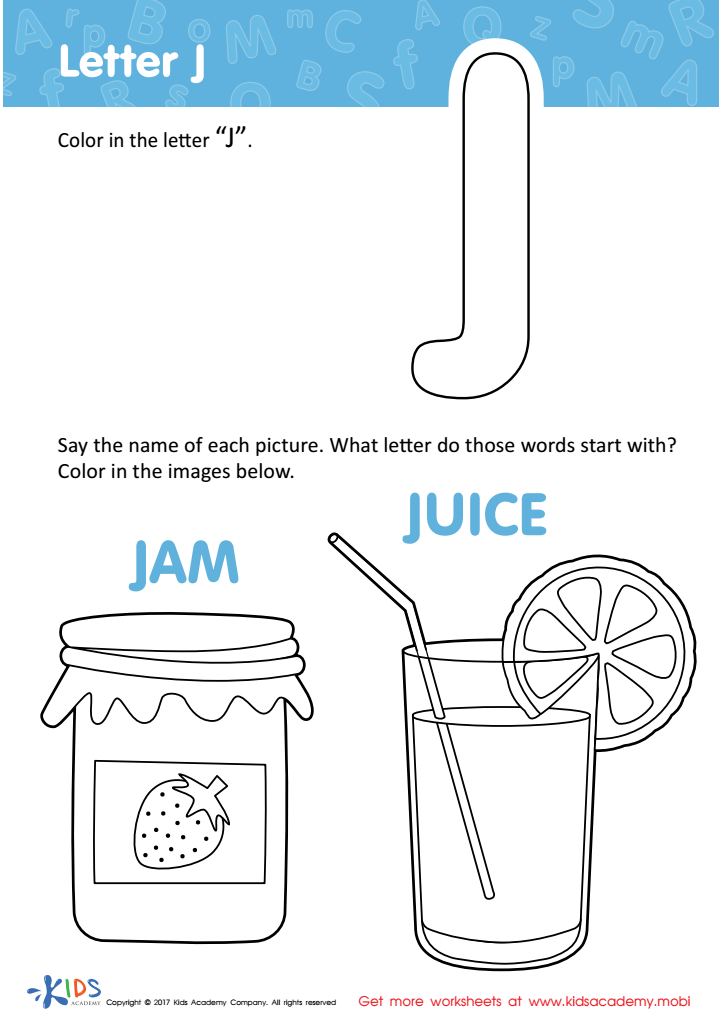
Letter J Coloring Sheet
 Assign to My Students
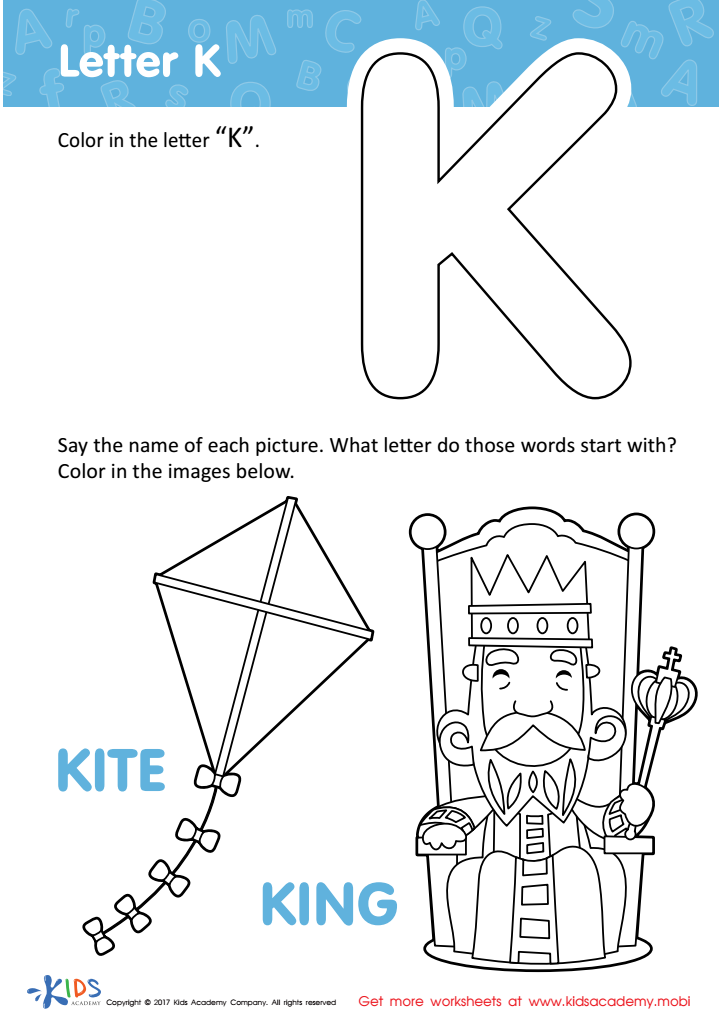
Letter K Coloring Sheet
Assign to My Students


Understanding alphabetical order is a fundamental skill in Grade 1 English, and it's important for several reasons. Firstly, it helps young children learn how to organize and categorize information, which is crucial for cognitive development. Sorting words alphabetically also supports the development of reading and writing skills. When children learn the sequence of letters, they become more comfortable with recognizing and predicting letter patterns, which reinforces their ability to read.
Additionally, alphabetical order is a practical skill. It aids in using dictionaries, indexes, and reference materials later in their academic journeys. For example, being able to quickly find words in an alphabetical list can make activities like following instructions in class and completing homework more efficient.
Mastering alphabetical order can also boost children's confidence. As they learn to master the sequence of the alphabet, they gain a sense of accomplishment that encourages them to tackle more complex tasks. This foundational skill sets the stage for future learning across subjects.
Teachers and parents should prioritize this learning because it creates a structured framework for language exploration. Introducing alphabetical order early on paves the way for literacy success, making the learning process smoother and more engaging for young readers and writers.