Critical Thinking Normal Grade 1 Worksheets - Page 2
27 filtered results
-
From - To
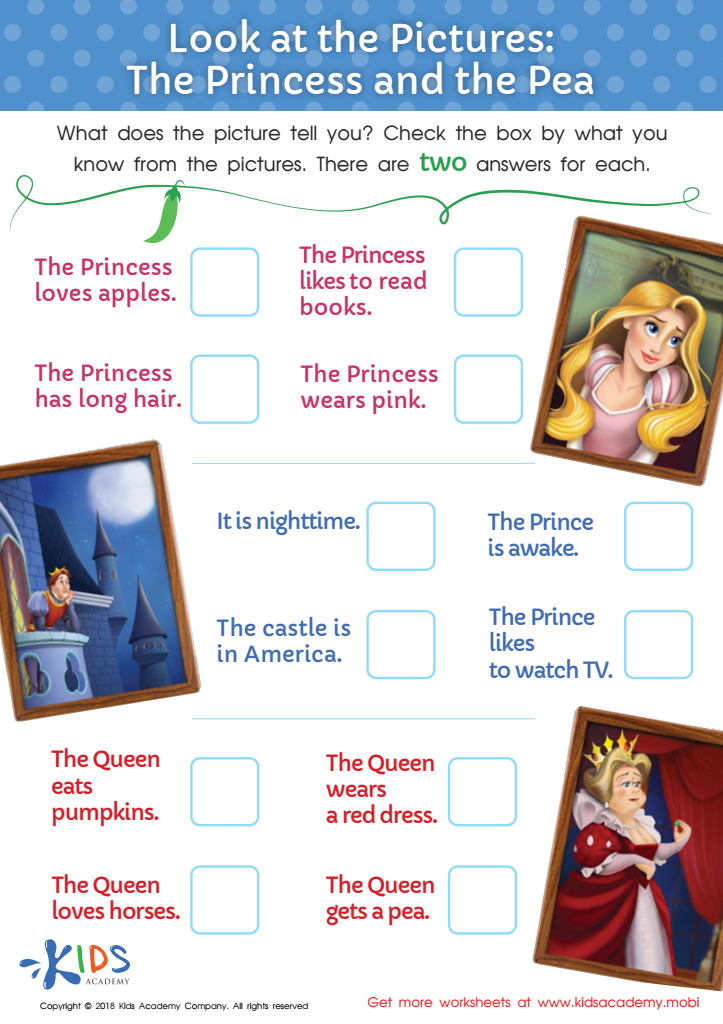
Look at the Pictures: The Princess and the Pea Worksheet
 Assign to My Students
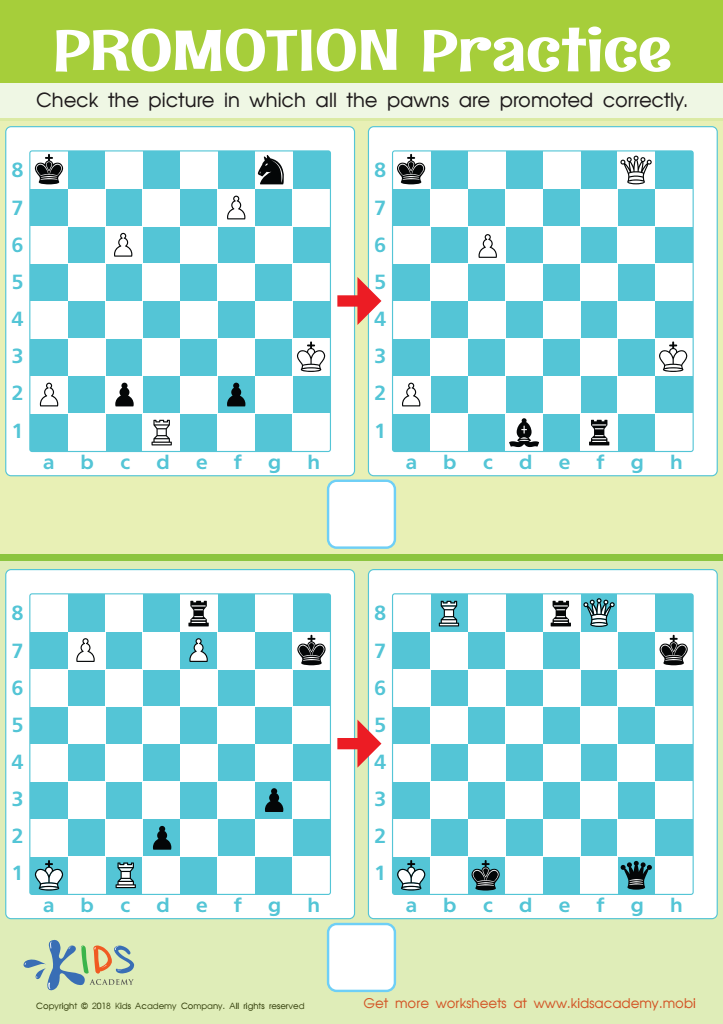
Promotion Practice Worksheet
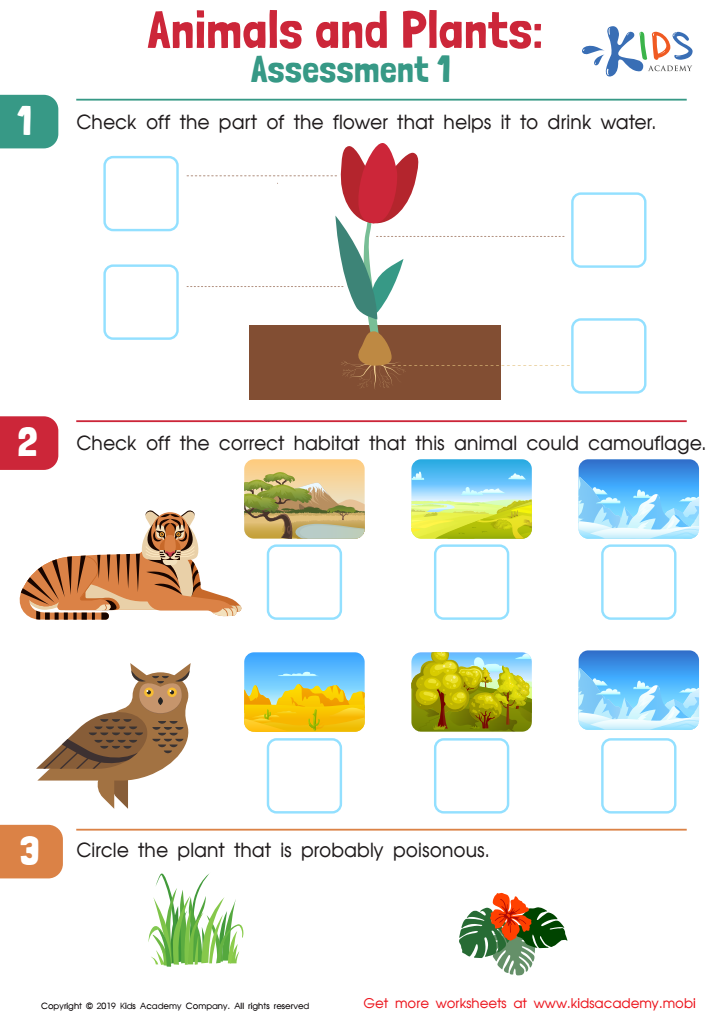
Animals and Plants: Assessment 1 Worksheet








Critical thinking is an essential skill that lays the foundation for a child’s cognitive development and lifelong learning. In Grade 1, children are at a pivotal stage where they begin to explore and understand their world in deeper ways. Encouraging critical thinking at this age helps foster curiosity, enabling students to ask questions, analyze information, and make informed decisions.
Parents and teachers should care about promoting critical thinking because it enhances problem-solving skills and creativity. As children learn to think critically, they become more adept at recognizing patterns, making connections, and drawing conclusions based on their observations. This skill set is not only vital in academic settings but also in everyday life, as it equips children to navigate challenges and make thoughtful choices.
Additionally, critical thinking promotes independent learning and confidence. Children who feel empowered to question and explore are more likely to engage with their education actively. This engagement leads to better retention of knowledge and a deeper understanding of concepts. By fostering critical thinking in Grade 1, parents and teachers contribute to a strong educational foundation, helping children develop the skills necessary for future success in school and life. Ultimately, critical thinkers emerge as informed, responsible members of society.