Fine Motor Skills Normal Grade 1 Building Vocabulary Worksheets
5 filtered results
Difficulty Level
Grade
Age
-
From - To
Subject
Activity
Standards
Enhance your first grader's learning experience with our Fine Motor Skills Normal Grade 1 Building Vocabulary Worksheets. Designed to promote proper hand-eye coordination, these engaging worksheets blend fun activities with essential vocabulary-building exercises. As students practice writing and drawing, they’ll strengthen their fine motor skills while expanding their word knowledge. These worksheets encourage creativity and reinforce foundational literacy concepts, making them an invaluable resource for young learners. Perfect for classroom use or at-home practice, our comprehensive materials help set the stage for future success in reading and writing. Dive in and watch your child grasp the connection between language and fine motor development!
Favorites
With answer key
Interactive
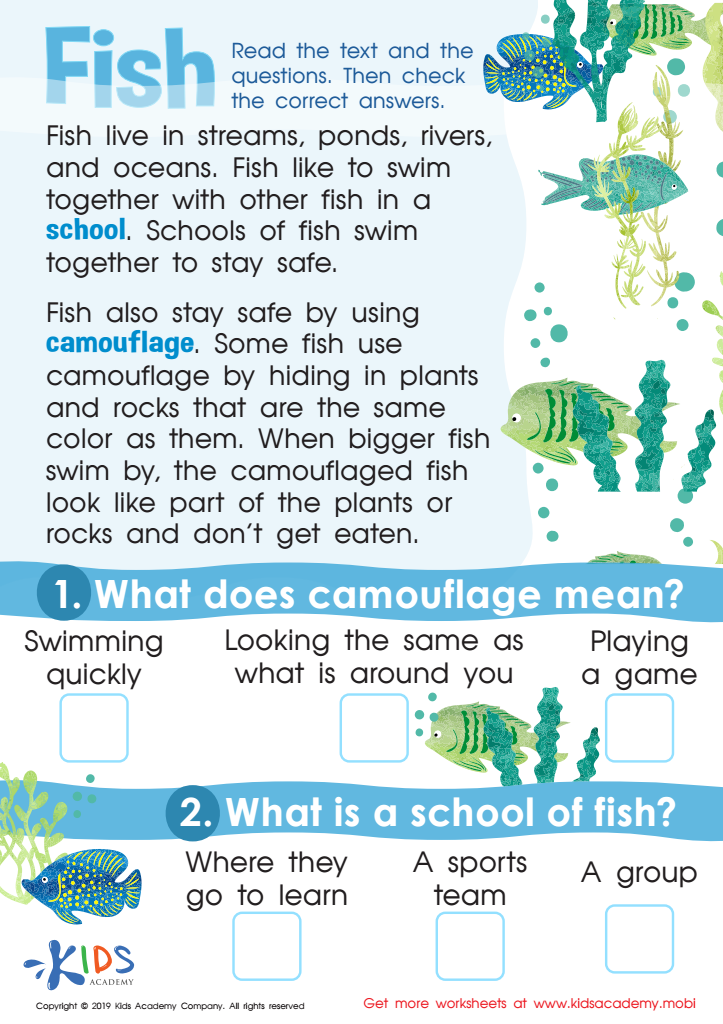
Fish Worksheet
Kids love learning about the creatures that live in water! This free PDF worksheet covers fish, teaching kids larger vocabulary and contextual reading comprehension. Questions prompt them to choose the right answer from multiple choices, just like in a classroom. It's a fun way to boost their reading skills and comprehension without them even realizing it!
 Assign to My Students
Fish Worksheet
Worksheet





Hungry Caterpillar Maze Worksheet
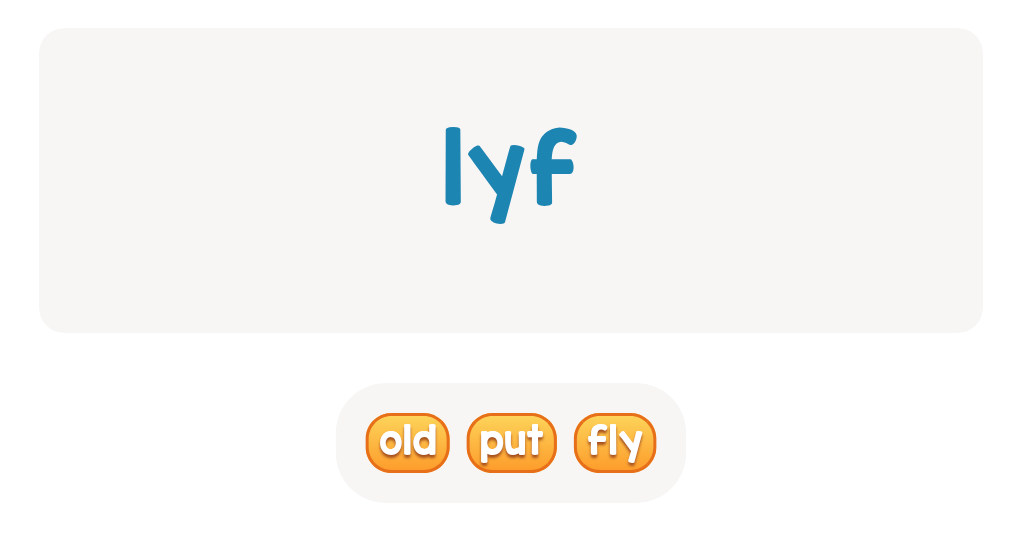
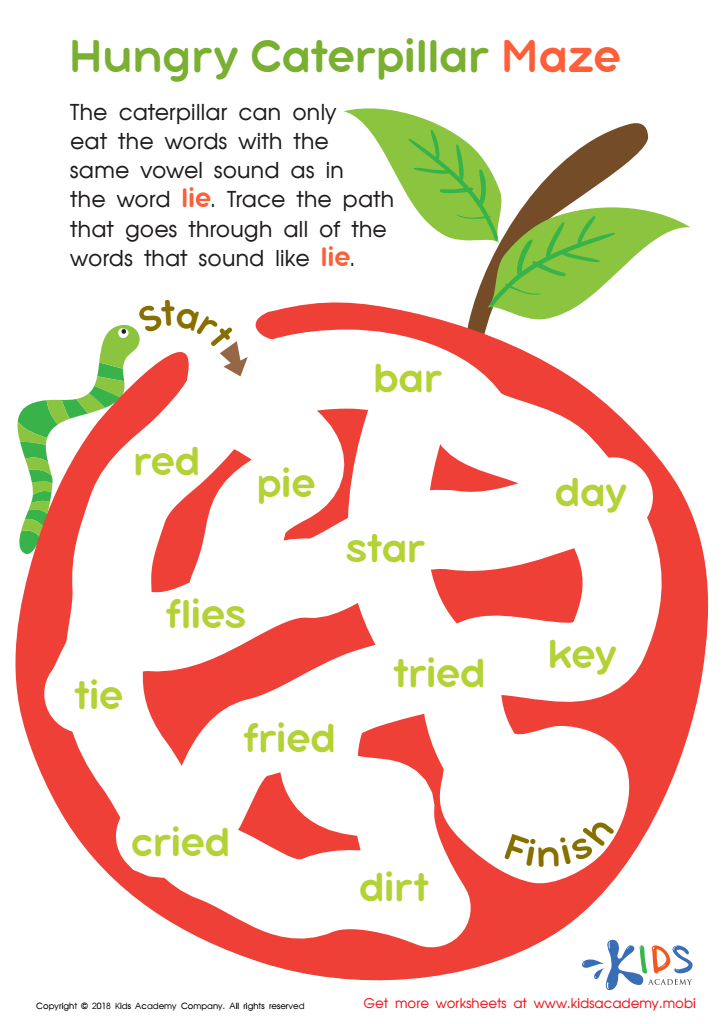
Remind the kids that caterpillars turn into butterflies! This worksheet helps them practice their vowel sounds. They must trace the path of words that sound like ‘lie’ to help the caterpillar reach the finish line. It's a fun way to learn and explore!
Hungry Caterpillar Maze Worksheet
Worksheet
Tracing Fun Worksheet
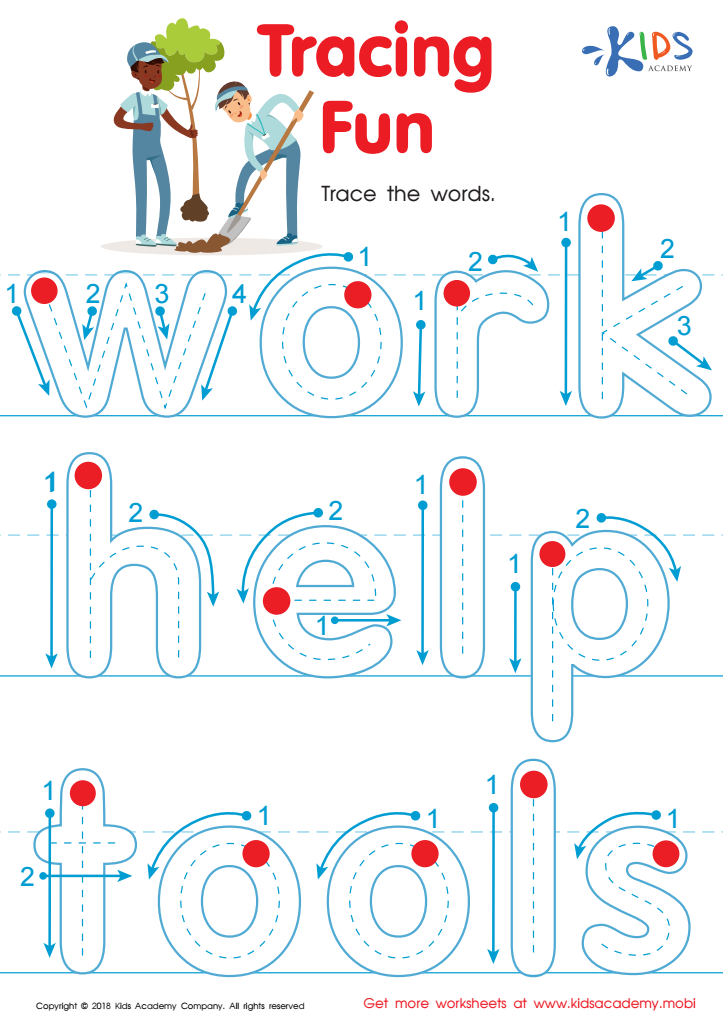
Believe it or not, good handwriting helps with reading! Starting at the top left and writing legibly builds reading skills. This free worksheet helps little learners practice basic sight words. Red dots show them where to start and the words provide reinforcement without them realising. An enjoyable way to boost their reading and writing.
Tracing Fun Worksheet
Worksheet
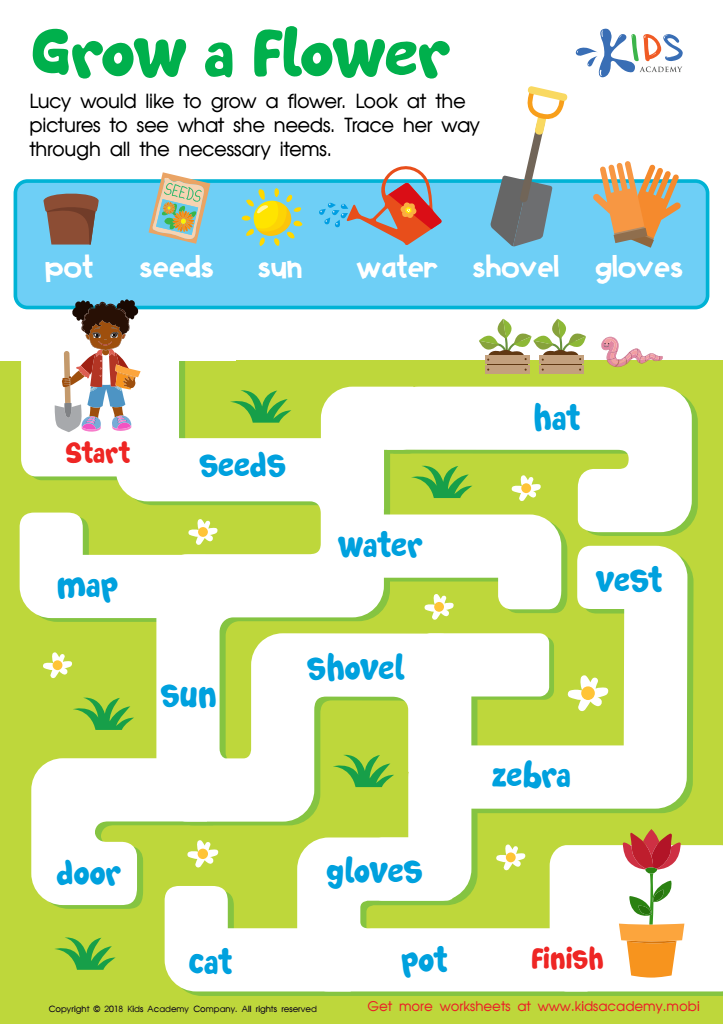
Grow a Flower Worksheet
Download this worksheet to teach your kids how to grow a flower with Lucy. Ask them to look at the pictures and trace the necessary steps. Help them go through the process of growing a beautiful flower with Lucy!
Grow a Flower Worksheet
Worksheet
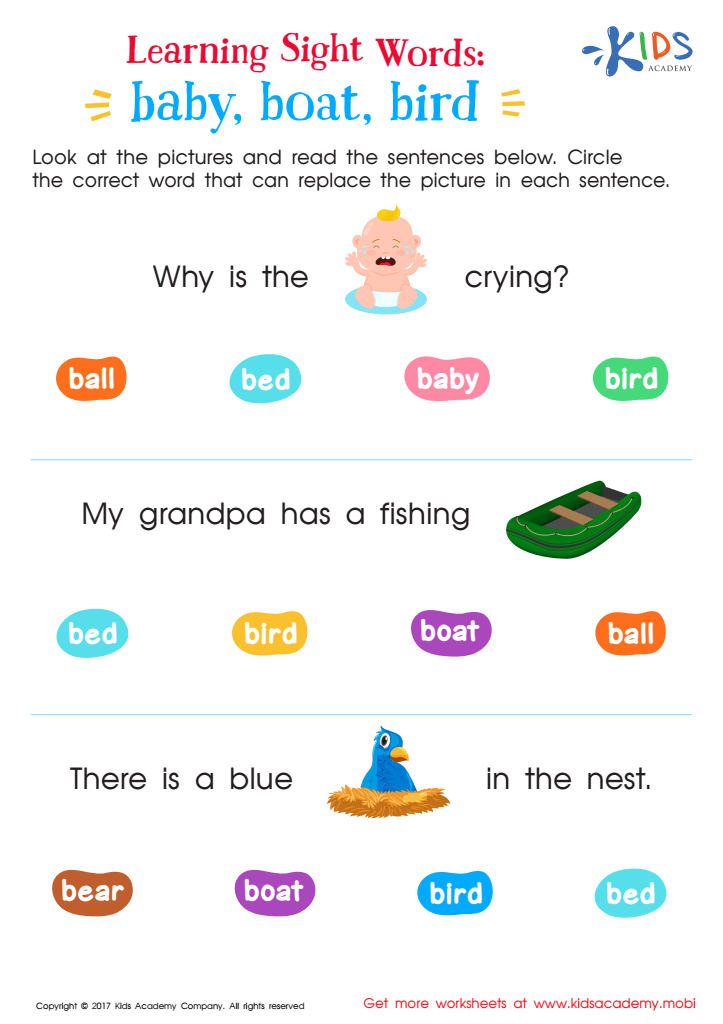
Baby, Boat, Bird Worksheet Sight Words Worksheet
Sight words are an essential part of fluency; help kids build it by writing and reading them. This worksheet is a great way to start.
Baby, Boat, Bird Worksheet Sight Words Worksheet
Worksheet
Join Kids Academy for Free
Who is primarily going to use this learning content?








Fine motor skills refer to the ability to control small muscles for tasks such as writing, cutting, and manipulating small objects. In Grade 1, these skills are particularly critical as children transition from preschool activities to more structured learning environments. Parents and teachers should care about fine motor skill development because these skills form the foundation for a child’s academic success.
Strong fine motor skills enhance a child’s ability to write legibly and neatly, supporting literacy and vocabulary building. When children can grasp pencils or scissors effectively, their confidence in completing tasks increases, fostering a sense of achievement. Additionally, fine motor skills are intertwined with cognitive development; as children engage in activities requiring hand-eye coordination, they enhance problem-solving and critical thinking skills.
Moreover, fine motor proficiency promotes independence. Tasks such as buttoning a shirt or fastening their backpacks become manageable, encouraging self-reliance. For teachers, integrating fine motor activities into lessons allows for a multisensory approach to learning, making vocabulary instruction more engaging.
Ultimately, by supporting the development of fine motor skills, parents and teachers can significantly enhance a child's overall learning experience, laying the groundwork for academic and social competence.