Alphabetical order understanding Normal Kindergarten ABC Letters Worksheets
3 filtered results
-
From - To
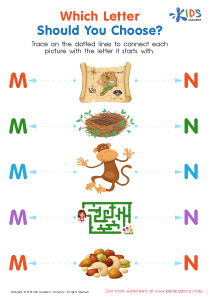
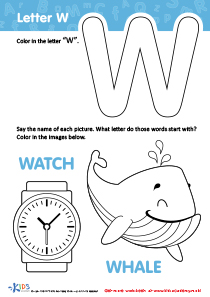
Explore our engaging Alphabetical Order Understanding worksheets designed specifically for normal kindergarten ABC letters. These worksheets provide young learners with essential tools to grasp the concept of alphabetical order, promoting essential literacy skills in a fun and interactive way. Each activity is tailored to ignite curiosity and enhance cognitive development while fostering a love for reading and writing. With vibrant graphics and simple instructions, your child will enjoy sorting letters and words, building their confidence in recognizing letter sequences. Ideal for classroom or home use, these worksheets are perfect for nurturing early literacy skills and setting the foundation for lifelong learning.

Letter G Tracing Page

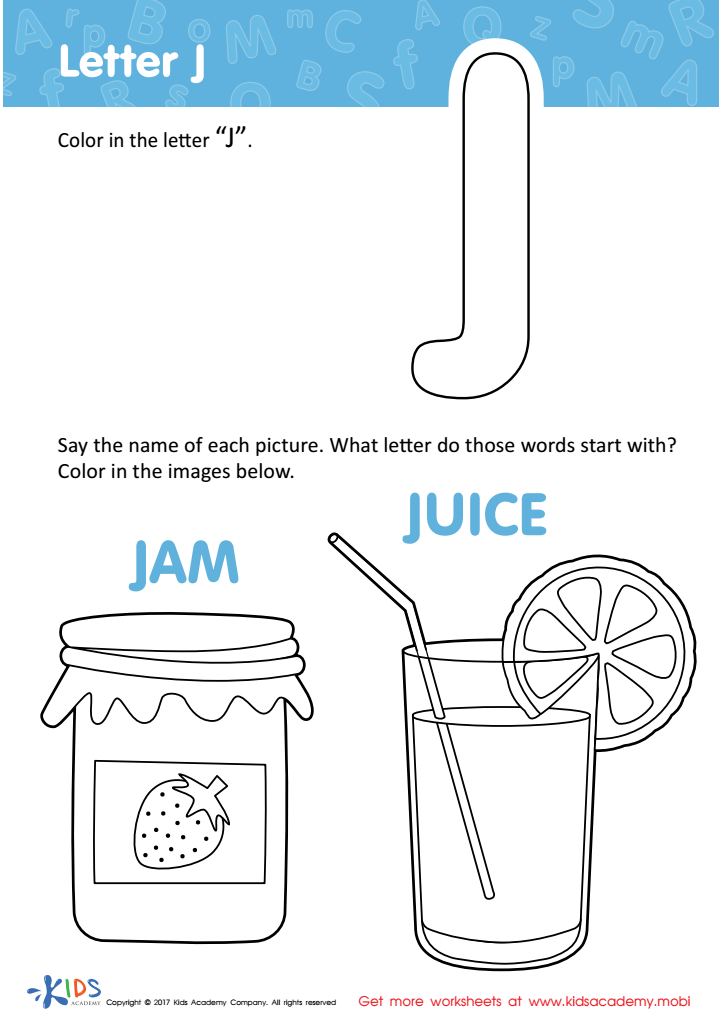
Letter J Coloring Sheet
 Assign to My Students
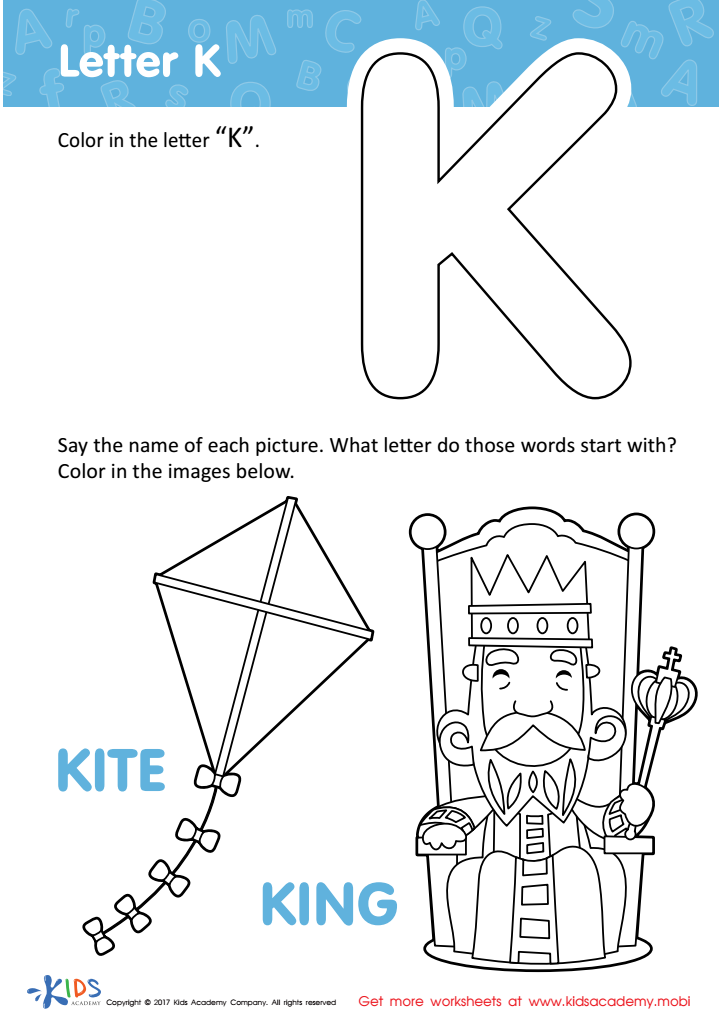
Letter K Coloring Sheet
Assign to My Students








Understanding alphabetical order is essential for kindergarten learners as it provides foundational literacy skills that benefit their education and overall cognitive development. First and foremost, it helps children recognize letters and their sequence, which is crucial for reading and writing. By learning the ABCs in order, students develop phonemic awareness, enabling them to decode words and enhance their vocabulary.
Additionally, grasping alphabetical order aids in the organization of information. As children progress in school, they will need to sort names, classify items, and locate books or resources in libraries—skills rooted in their understanding of Alphabetical order. When children can find books or swings in a playground indexed alphabetically, it nurtures their independence and boosts self-confidence.
Moreover, mastering this skill fosters critical thinking and problem-solving abilities. As children engage in activities promoting alphabetical order—like sorting flashcards or playing matching games—they sharpen their cognitive skills. This foundational understanding translates to better academic readiness and performance in later grades.
Ultimately, prioritizing alphabetical order in early education lays a strong groundwork for future literacy, organizational skills, and confident learners. For parents and teachers, nurturing this skill is crucial for a successful educational journey.