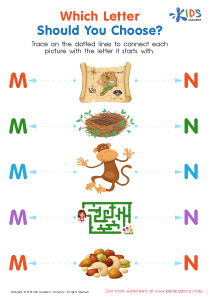
Letter tracing skills Normal Kindergarten ABC Letters Worksheets
3 filtered results
-
From - To
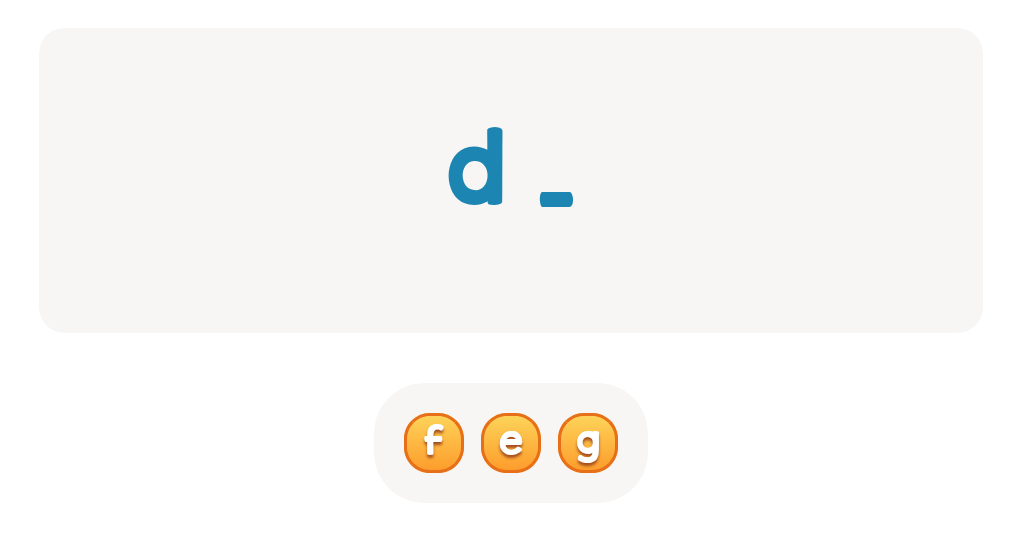
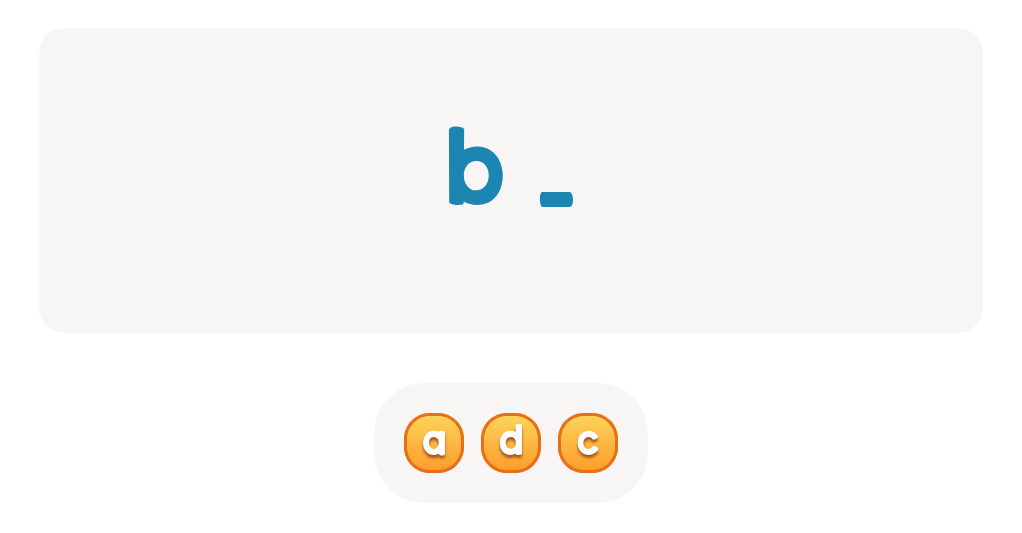
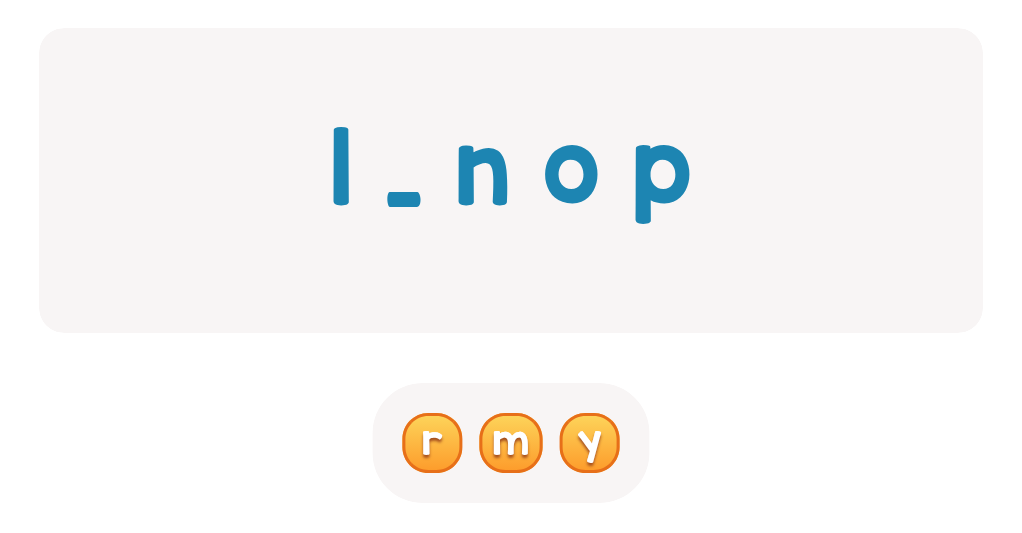
Welcome to our Letter Tracing Skills worksheets for Kindergarten! Designed to enhance early literacy, these engaging worksheets help young learners master the ABCs through fun tracing activities. Each worksheet features neatly outlined letters, encouraging children to practice their fine motor skills while reinforcing letter recognition. Perfect for home or classroom use, our resources are tailored for various skill levels, ensuring every child can progress at their own pace. With vibrant designs and kid-friendly formats, your little ones will enjoy tracing while building a strong foundation for reading and writing. Start their alphabet journey today with our interactive and educational worksheets!

Letter C Tracing Page



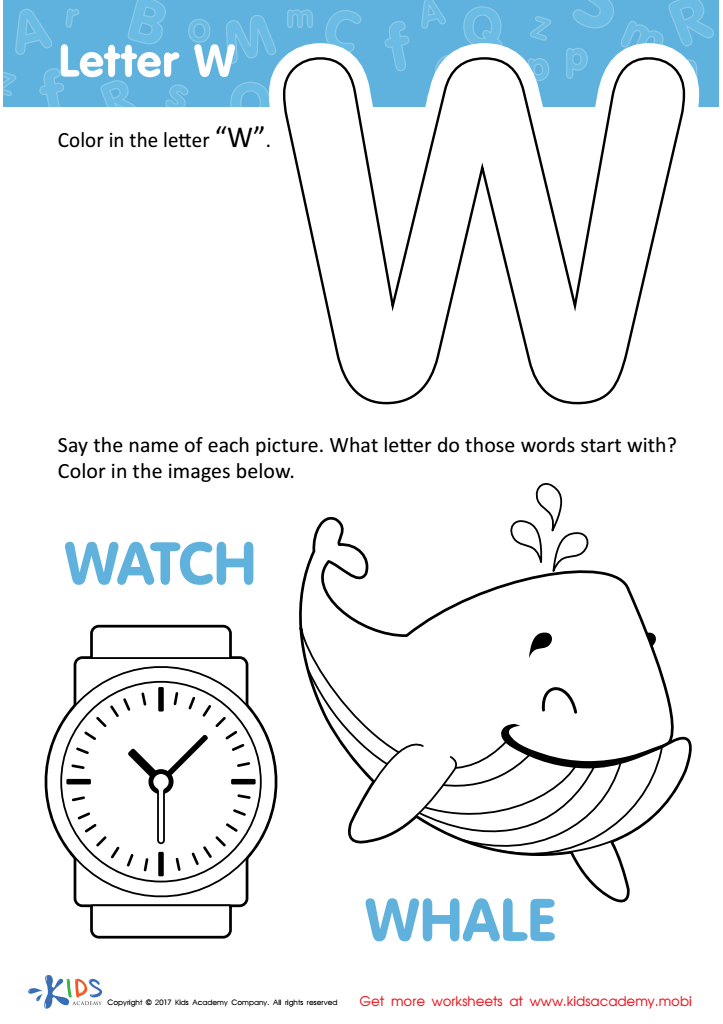
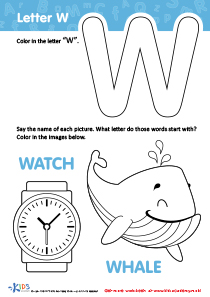
Letter W Coloring Sheet
 Assign to My Students

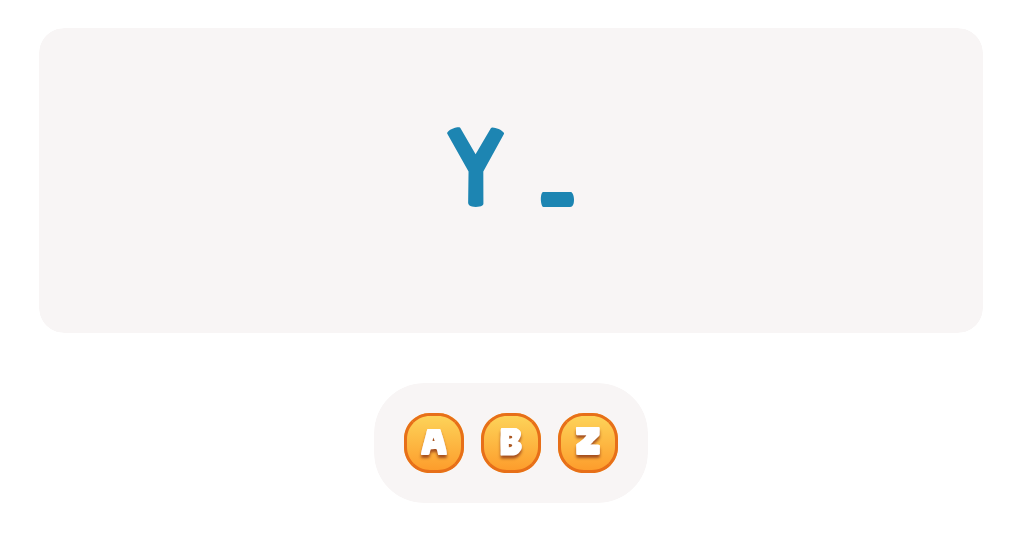
Uppercase Letters Y Z Worksheet








Letter tracing skills are foundational for young children in kindergarten, as they significantly contribute to their literacy and fine motor development. First and foremost, these skills help children recognize and become familiar with the shape and structure of letters, setting a strong groundwork for reading and writing. Mastery of letter formation enhances their ability to transition from tracing to independent writing, fostering their confidence in self-expression through language.
Furthermore, letter tracing exercises develop fine motor skills, which are crucial for performing various everyday tasks. These activities improve hand-eye coordination, grip strength, and overall manual dexterity. As children engage in tracing, they also practice using proper writing techniques and posture, promoting long-term healthy writing habits.
Moreover, letter tracing can serve as a calming and focused activity, helping to enhance concentration and cognitive skills. This aspect is vital for creating a positive learning environment, catering to different learning styles, and allowing children to engage at their own pace.
Overall, parents and teachers should prioritize letter tracing in their curricula and at home, as it nurtures both literacy skills and fine motor abilities, instrumental in building a solid foundation for a child's future educational success.