Phonics practice Normal Kindergarten Beginning Consonants Worksheets
4 filtered results
-
From - To
Explore our engaging Phonics Practice Normal Kindergarten Beginning Consonants Worksheets designed to establish a strong phonics foundation for young learners. These printable activities are crafted to help kindergarteners recognize and pronounce beginning consonant sounds, fostering critical early reading skills. With a variety of fun, interactive exercises, children will enjoy matching sounds with pictures, tracing letters, and identifying initial consonants in words. Perfect for classroom or home use, our worksheets make learning phonics both effective and enjoyable. Boost your child’s confidence in reading and language development with Kids Academy's comprehensive phonics practice resources.
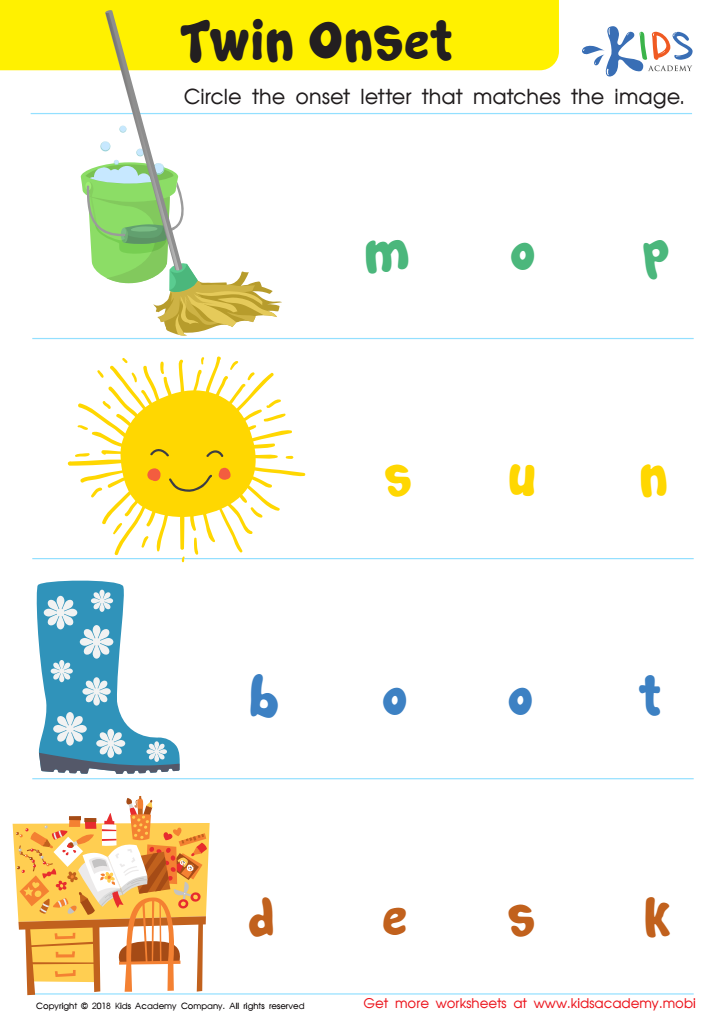
Twin Onset Worksheet
 Assign to My Students
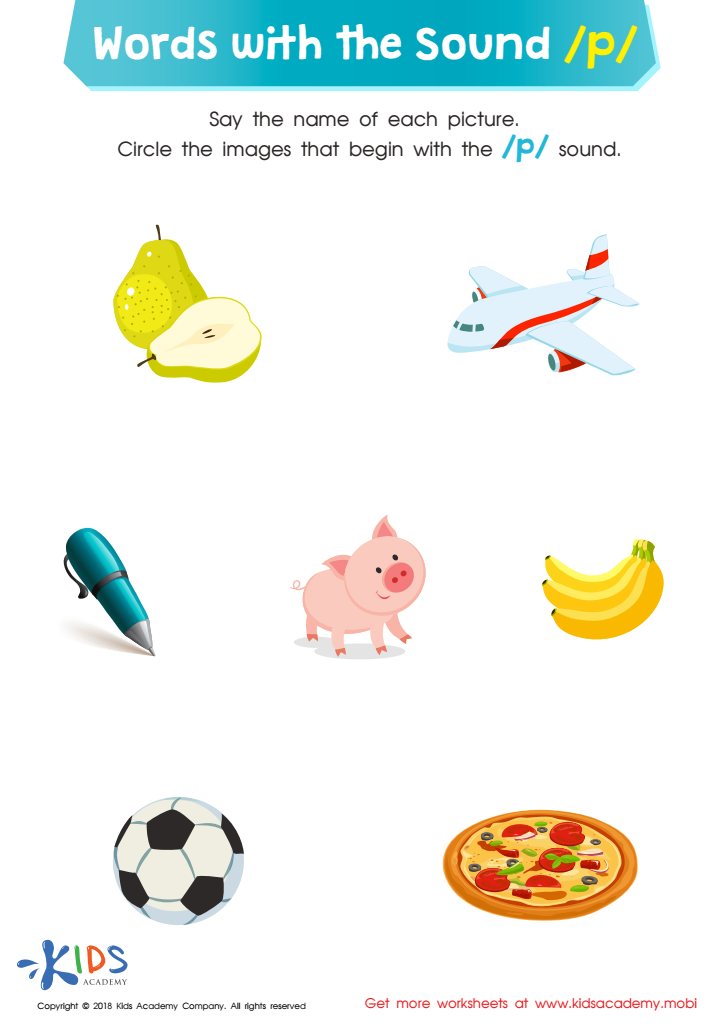
Words with sound p Reading Worksheet
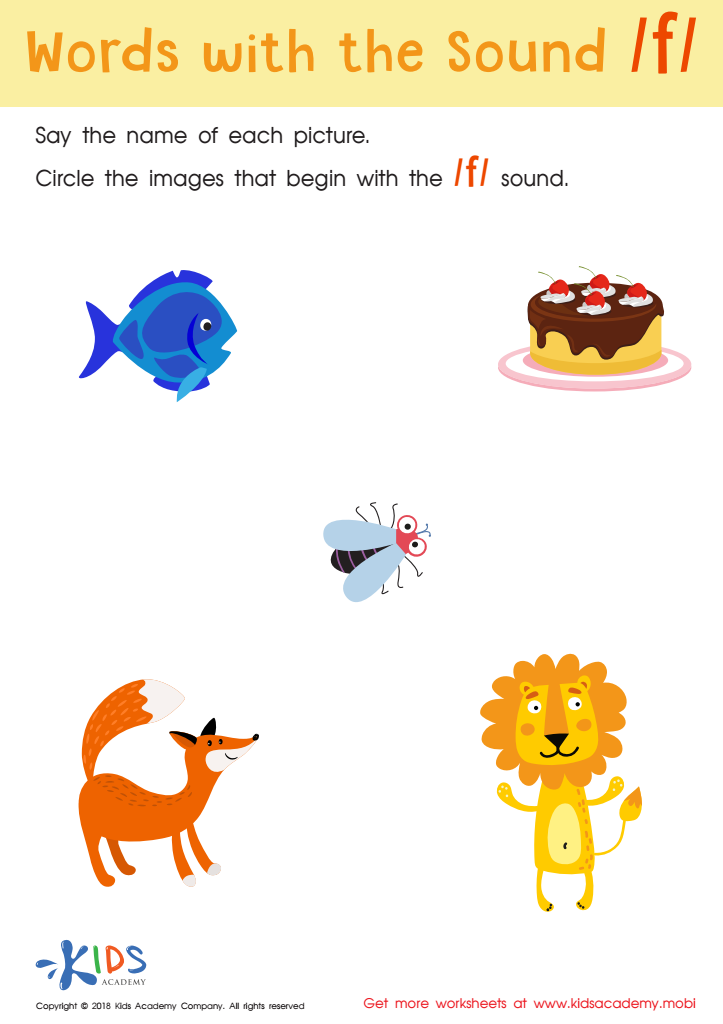
Words with sound f Reading Worksheet
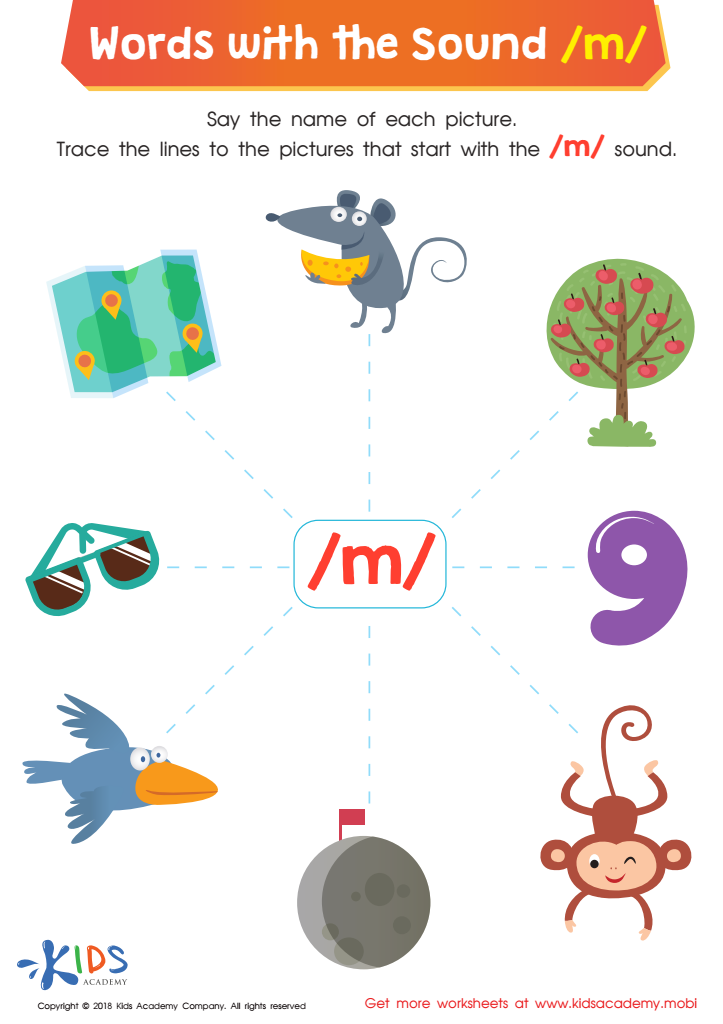
Words with Sound M Reading Worksheet


Phonics practice is foundational in helping young learners develop essential reading and writing skills. Specifically, early exposure to Beginning Consonants is crucial in kindergarten for several reasons. Firstly, understanding consonant sounds allows children to decode words by sounding them out, which is the basis of reading proficiency. This decoding ability paves the way for recognizing patterns in words, fostering fluent and confident reading.
For parents and teachers, prioritizing phonics practice means investing in a child's long-term academic success. Early mastery of Beginning Consonants assists in vocabulary building, comprehension skills, and overall communication abilities. When children become skilled in phonics, they can approach reading with less frustration and more enthusiasm, laying a foundation for a lifelong love of learning.
Further, phonics practice supports writing development. As students learn to associate sounds with their corresponding letters, they can begin to spell and write words independently. This phonetic awareness strengthens their ability to articulate thoughts clearly and accurately.
Providing structured, consistent phonics practice in the early years addresses not just academic performance, but also cognitive and linguistic development. Bridging the gap between spoken and written language equips children with the tools to succeed across all subjects, making it a top priority for caregivers and educators.