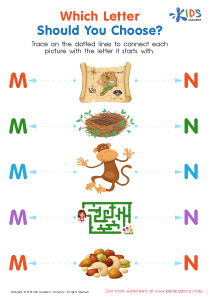
Alphabetical order understanding Normal Kindergarten Alphabet Worksheets
3 filtered results
-
From - To
Discover the fun and engaging "Alphabetical Order Understanding Normal Kindergarten Alphabet Worksheets" at Kids Academy! These printable worksheets are designed to help young learners master the concept of alphabetical order in a colorful and stimulating way. Through a variety of activities, students will sort words, practice letter recognition, and reinforce their understanding of sequencing. Ideal for both classroom and home use, these resources promote essential literacy skills while keeping children motivated and excited about learning. Foster essential skills in early learners with our comprehensive worksheets that make learning the alphabet an enjoyable adventure! Perfect for teachers and parents alike.
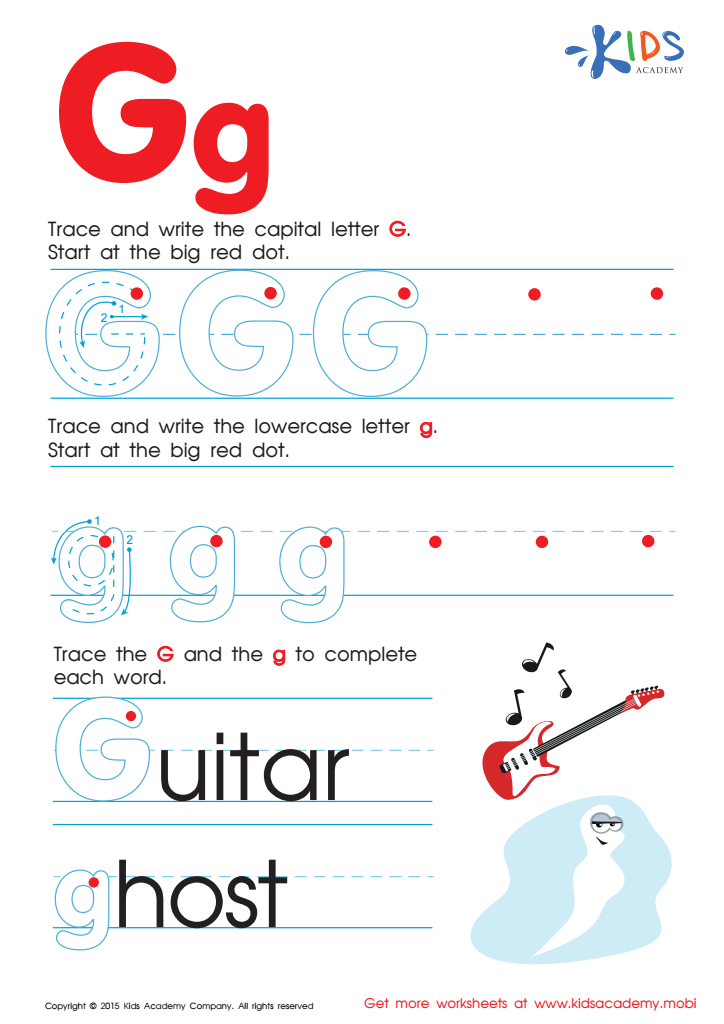
Letter G Tracing Page
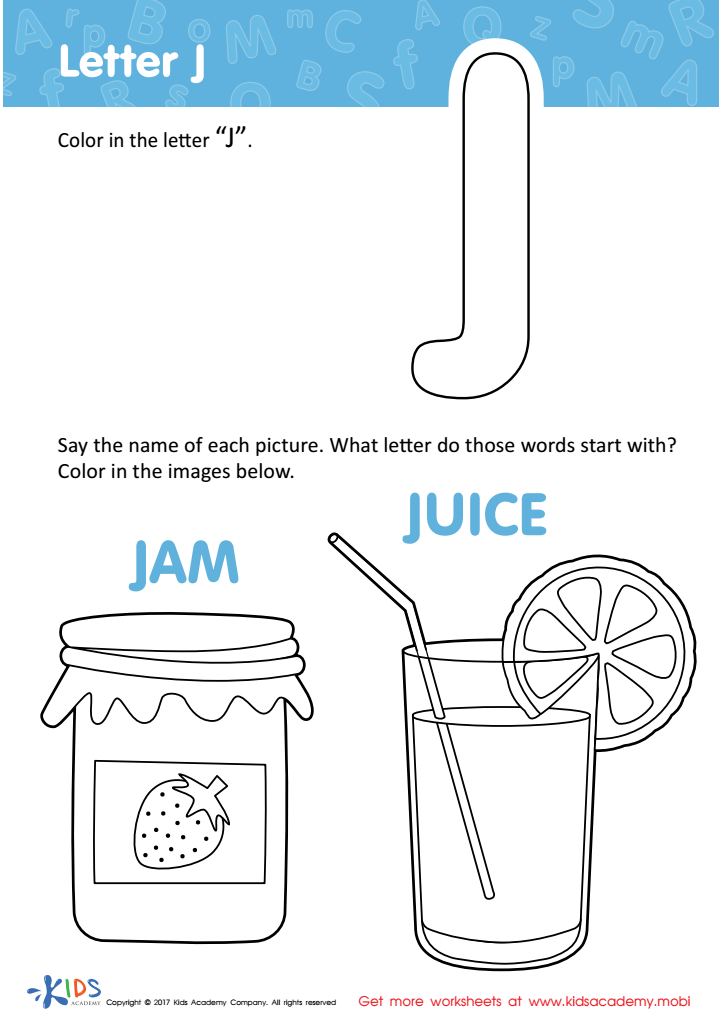
Letter J Coloring Sheet
 Assign to My Students
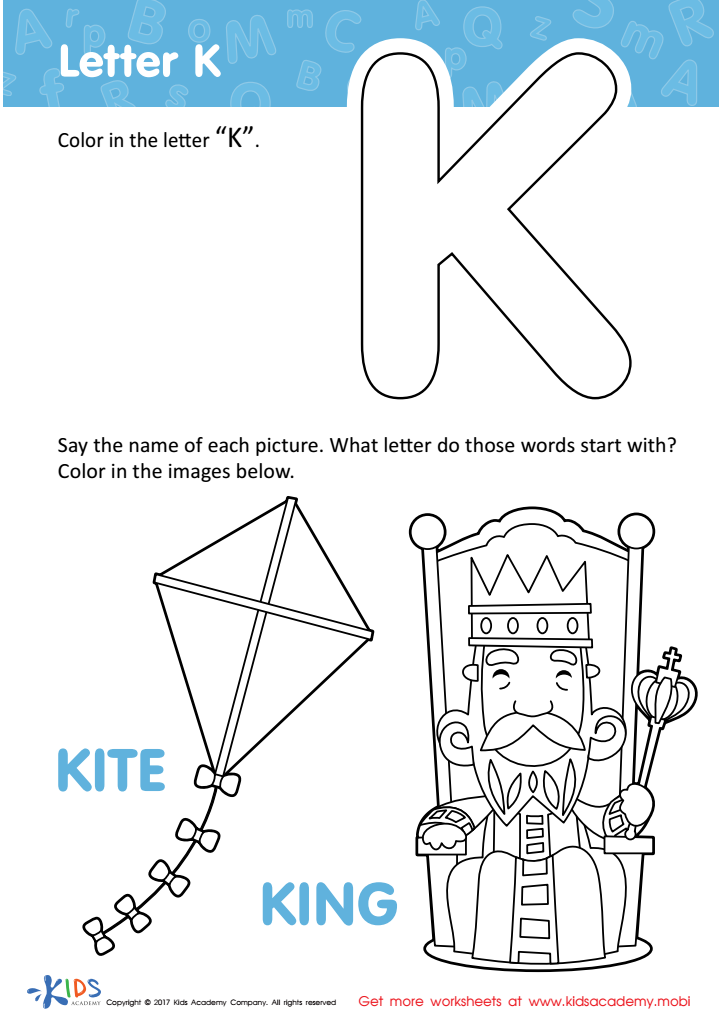
Letter K Coloring Sheet
Assign to My Students








Understanding alphabetical order is a fundamental literacy skill that plays a crucial role in young children's educational development. For kindergarteners, grasping the concept of the alphabet and its order lays the groundwork for reading and writing. When children can recognize the sequence of letters, they improve their ability to comprehend written texts, making it easier for them to locate words in dictionaries, encyclopedias, and other reference materials.
Furthermore, learning alphabetical order fosters important cognitive skills such as categorization and organization. Parents and teachers can use this skill to help children develop their vocabulary and spelling proficiency. By engaging in activities that teach alphabetical order, children build connections between letters, sounds, and meanings, facilitating more profound learning experiences.
Additionally, fostering this understanding in kindergarten supports social and language development. Children often engage in group activities that involve collaborative sorting of objects or making lists, enhancing communication and teamwork skills.
Ultimately, a strong foundation in alphabetical order prepares children not only for academic success in reading and writing but also cultivates confidence and autonomy as they learn to explore new information independently. Therefore, it’s vital for parents and teachers to prioritize this skill in early education.