Sound recognition Normal Kindergarten Alphabet Worksheets
4 filtered results
Difficulty Level
Grade
Age
-
From - To
Subject
Activity
Standards
Enhance your child's early learning with our "Sound Recognition Normal Kindergarten Alphabet Worksheets." Designed for young learners, these engaging worksheets focus on developing essential phonetic skills by connecting letters with their corresponding sounds. Children will enjoy fun activities that include identifying words, tracing letters, and completing sound-matching exercises. Perfect for home or classroom use, these resources promote language development and reinforce literacy skills in a playful manner. Our worksheets encourage children to explore different sounds while building their understanding of the alphabet. Discover the joy of learning with our comprehensive and easy-to-use sound recognition worksheets today!
Favorites
With answer key
Interactive
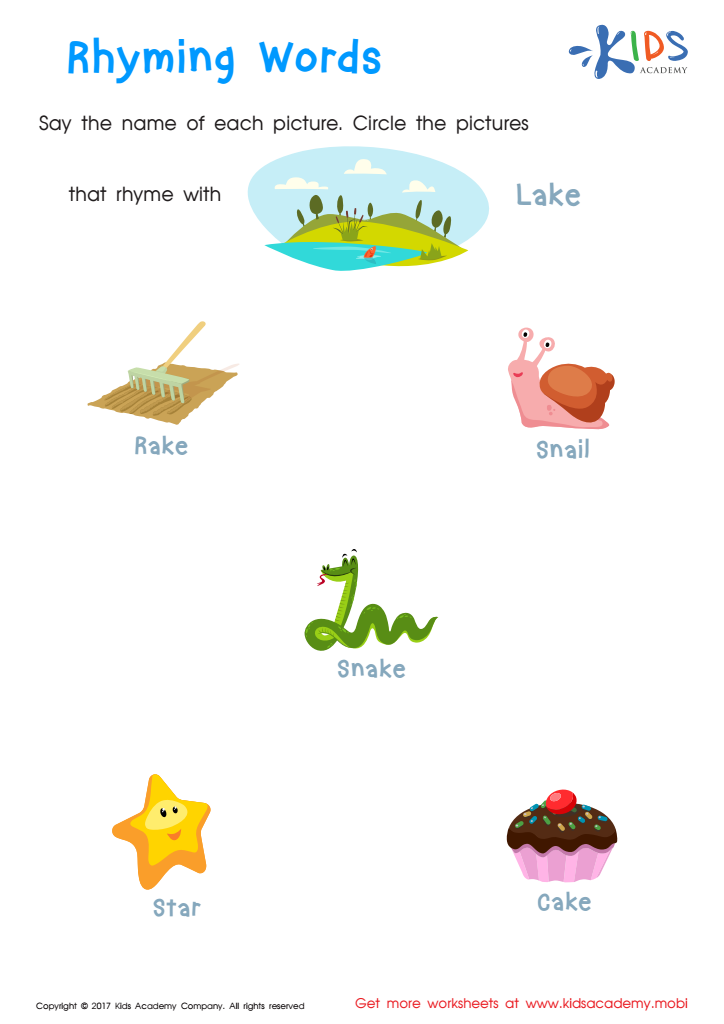
Rhyming Words Rhyming Worksheet
This worksheet is great for honing pre-reading skills. It helps kids make connections between pictures and written words, use problem-solving, and recognize sounds and words that rhyme. Have fun exploring rhyming words with your child, and they'll be rhyming in no time!
Rhyming Words Rhyming Worksheet
Worksheet
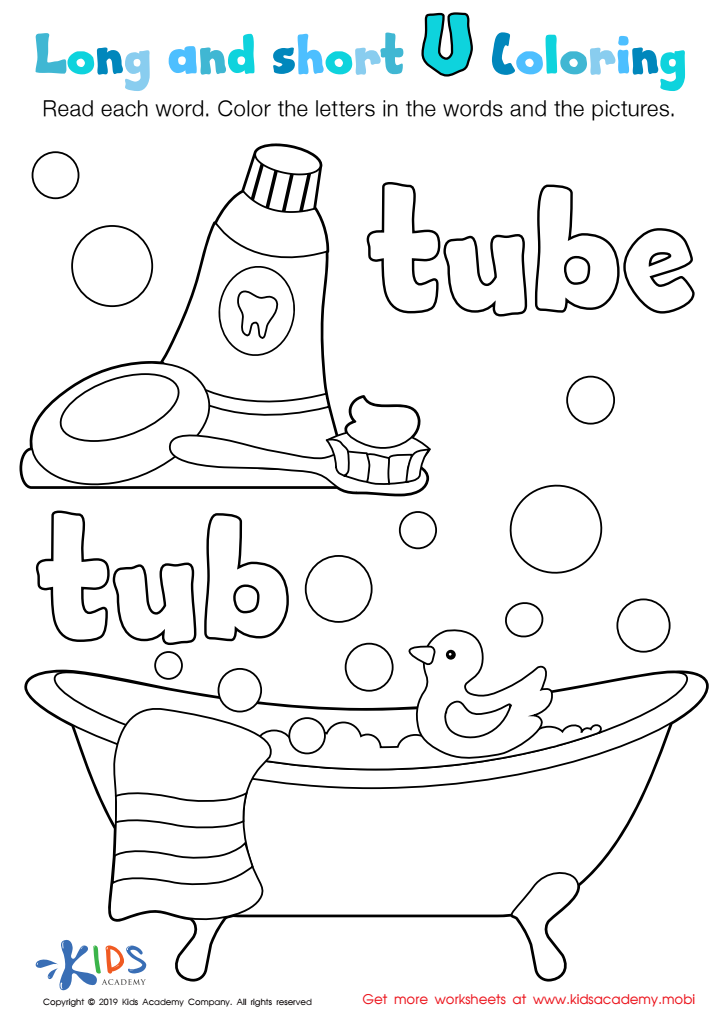
Long and Short U Worksheet
Revised: Spice up your lesson on long and short vowels with this fun printout! Kids read the words "tube" and "tub," then reinforce the sound by coloring in the words and pictures. It's a great way to make phonics class enjoyable!
Download (PDF)
 Assign to My Students
Assign to My Students
Long and Short U Worksheet
Worksheet
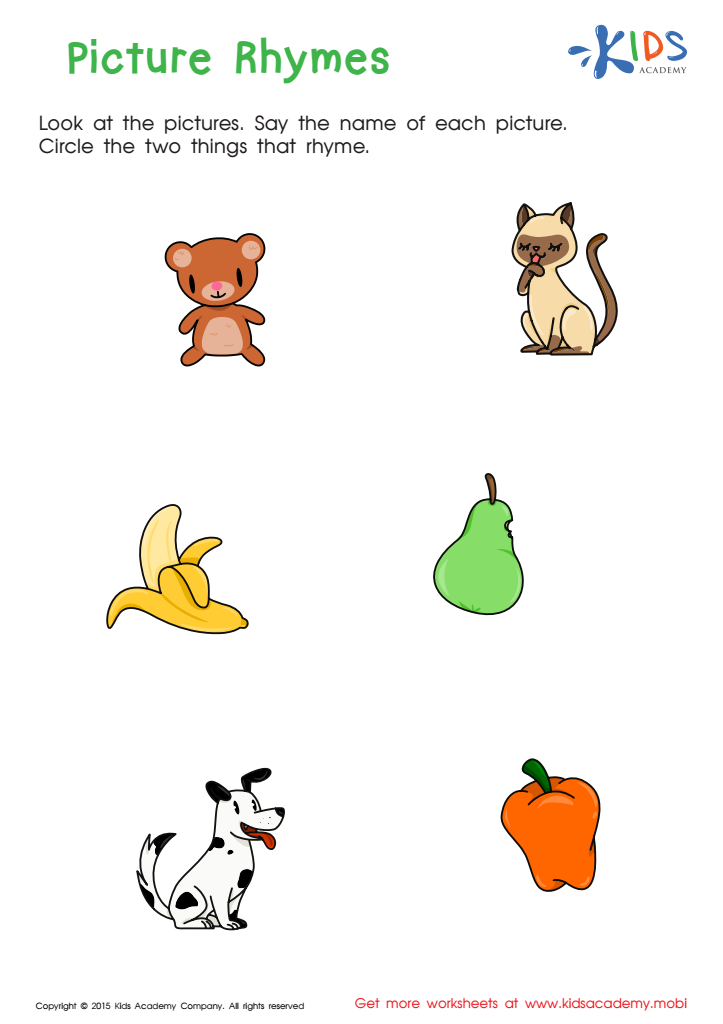
First Words: Picture Rhymes Worksheet
Rhyming helps kids understand language, read and write better. This printable worksheet boosts problem-solving and cognitive skills with vibrant pictures. It teaches kids to identify words, recognize rhymes, complete mental tasks and write words. An extra activity: show them how rhyming words share some of the same letters.
First Words: Picture Rhymes Worksheet
Worksheet
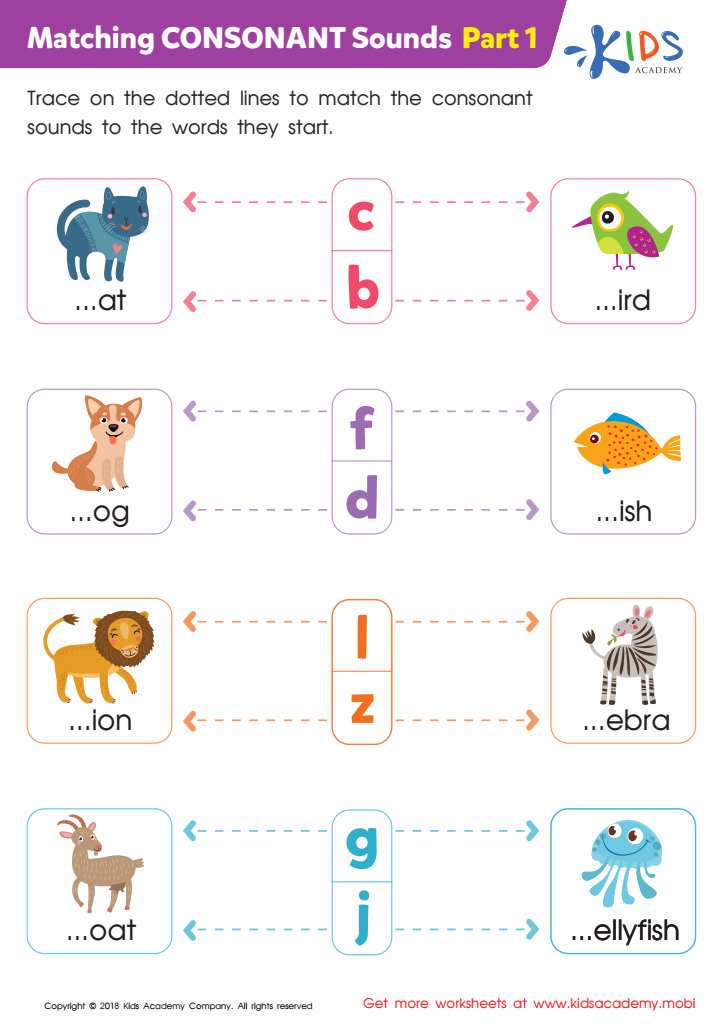
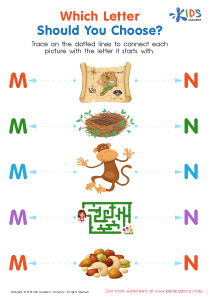
Matching Consonant Sounds: Part 1 Worksheet
Decide which letter matches each word and picture in this fun phonics worksheet. Slide your finger over each word, trying out each letter to check for matches. Once each pair is solved, trace the dotted lines with pencil to complete the printable. Who knew learning could be so enjoyable?
Matching Consonant Sounds: Part 1 Worksheet
Worksheet
Join Kids Academy for Free
Who is primarily going to use this learning content?








Parents and teachers should care about sound recognition in normal kindergarten alphabet learning because it is foundational to children's literacy development. Sound recognition, or phonemic awareness, helps children understand the relationship between letters and their corresponding sounds, paving the way for reading and writing skills.
When children can confidently identify and manipulate sounds, they can more easily decode words, improving their reading comprehension. This skill is particularly important in kindergarten, where a focus on phonics can set the stage for future academic success. Furthermore, sound recognition supports vocabulary acquisition. As children recognize and connect sounds with letters, they expand their ability to express themselves in writing and conversation.
Engaging with sound through games, songs, and activities creates a fun and interactive learning environment, making it enjoyable for both children and educators. Parents can reinforce this learning at home, fostering a love for reading that can last a lifetime. Ultimately, prioritizing sound recognition in the kindergarten alphabet ensures that children have the essential tools to become confident readers and capable communicators, significantly impacting their overall educational journey. By investing in this skill, parents and teachers can help lay a solid foundation for lifelong learning and achievement.