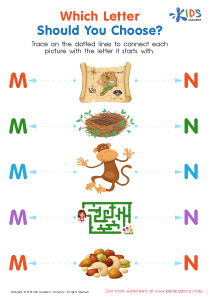
Vocabulary development Normal Kindergarten Alphabet Worksheets
6 filtered results
-
From - To
Enhance your child's early literacy skills with our Vocabulary Development Normal Kindergarten Alphabet Worksheets, available at Kids Academy. These worksheets are thoughtfully designed to make learning fun and effective. Featuring a range of engaging activities, they help young learners recognize and write letters, while expanding their vocabulary. Through colorful illustrations and interactive tasks, children build foundational language skills, setting the stage for future academic success. Perfect for in-class use or at-home practice, these worksheets support parents and teachers in fostering a love for reading and writing from an early age. Visit Kids Academy to explore more resources and elevate your child's education journey.
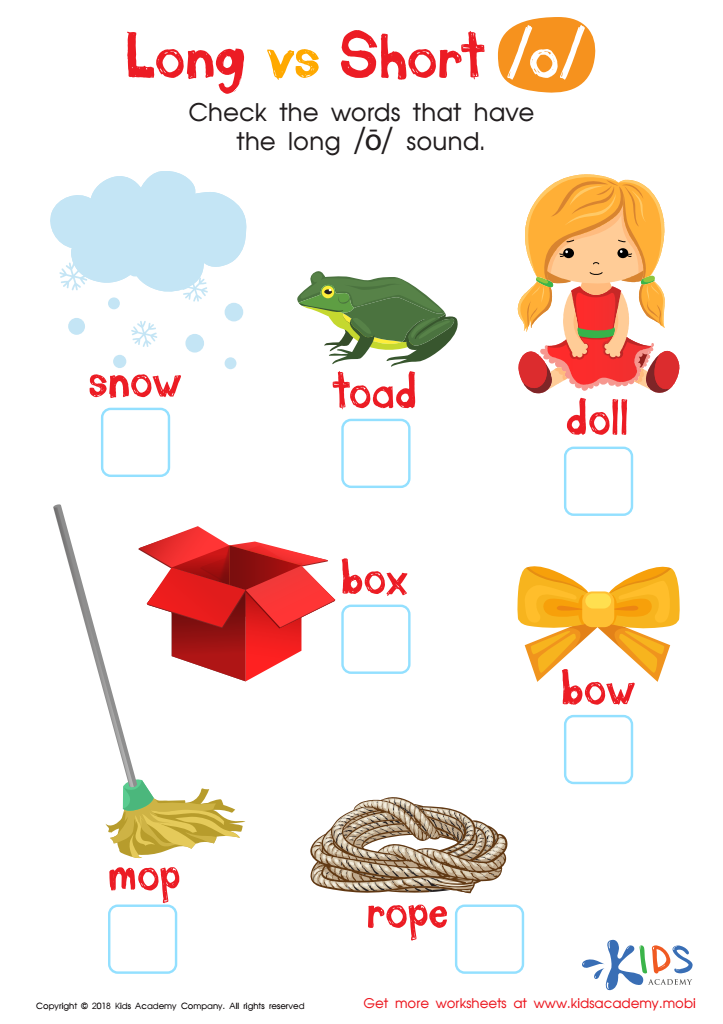
Long vs Short O Reading Worksheet
 Assign to My Students
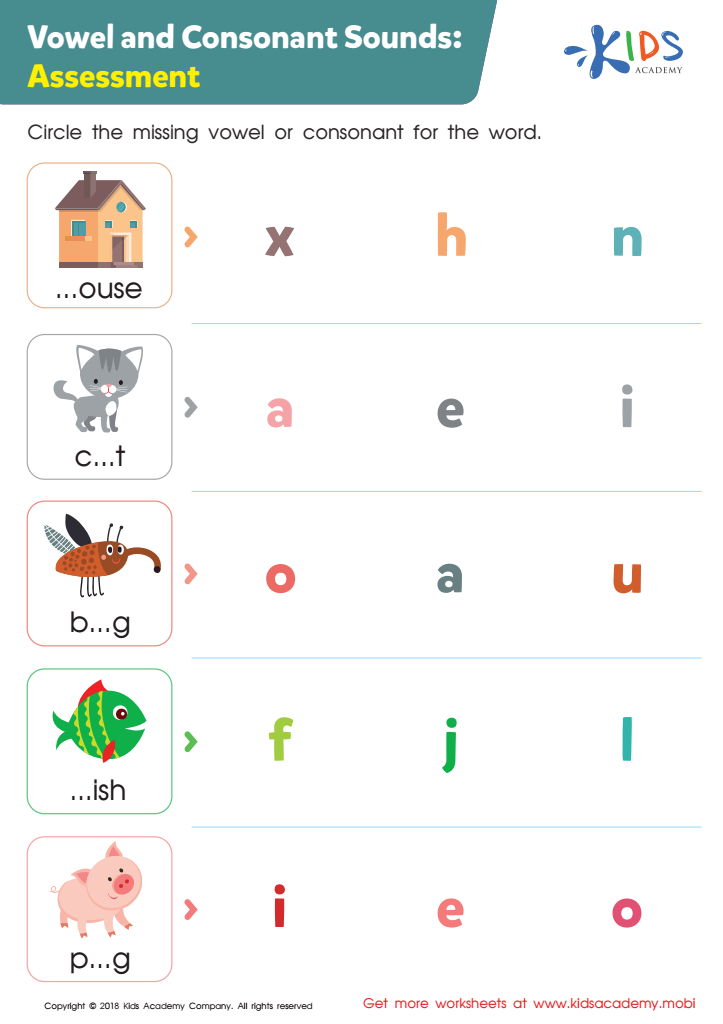
Vowel and Consonant Sounds: Assessment Worksheet
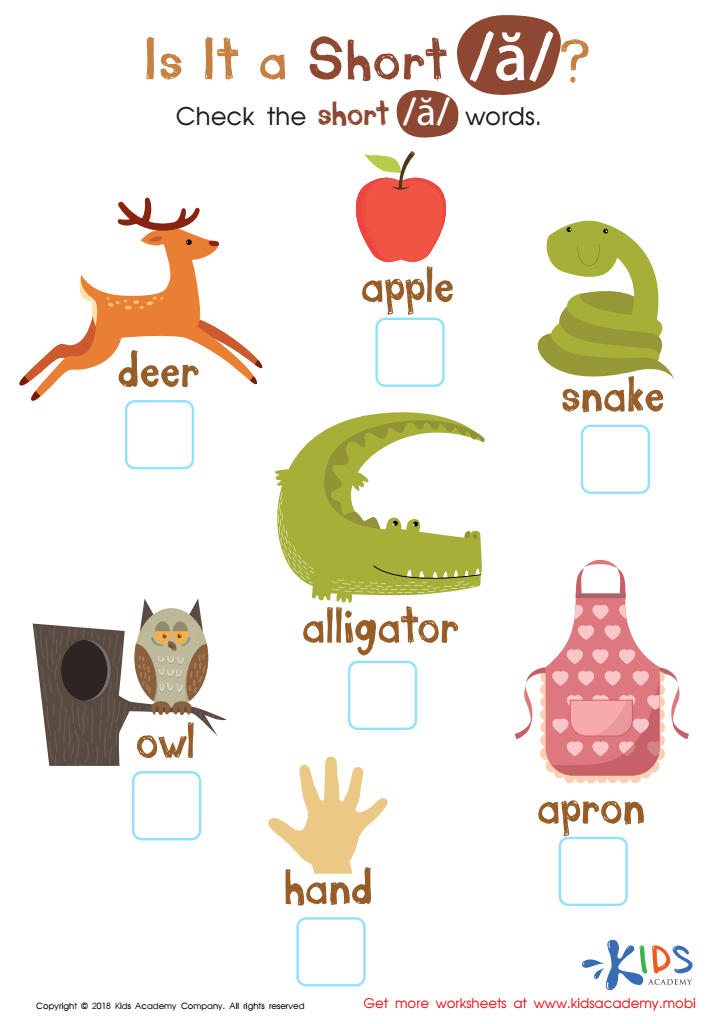
Is It Short A? Reading Worksheet
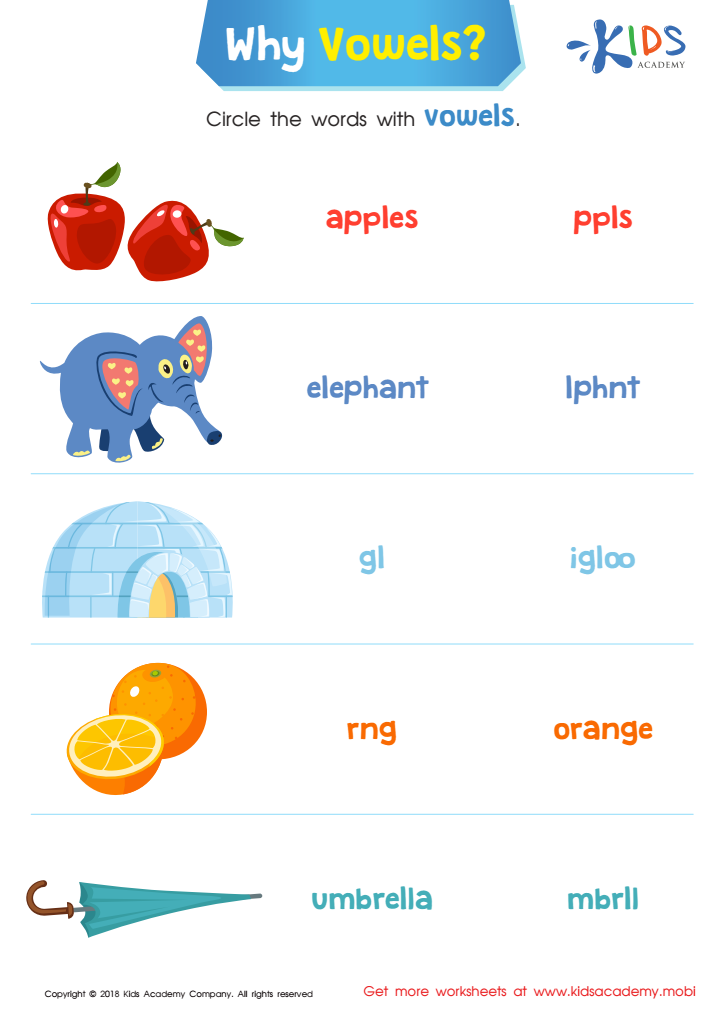
Why Vowels? Reading Worksheet
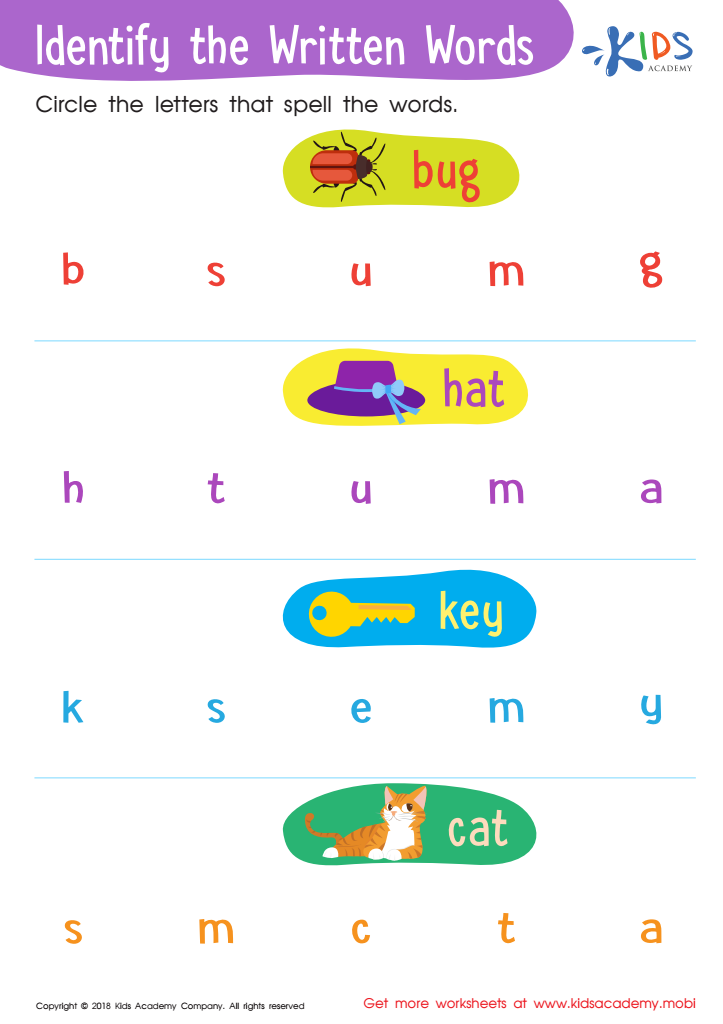
Identify the Written Words Worksheet
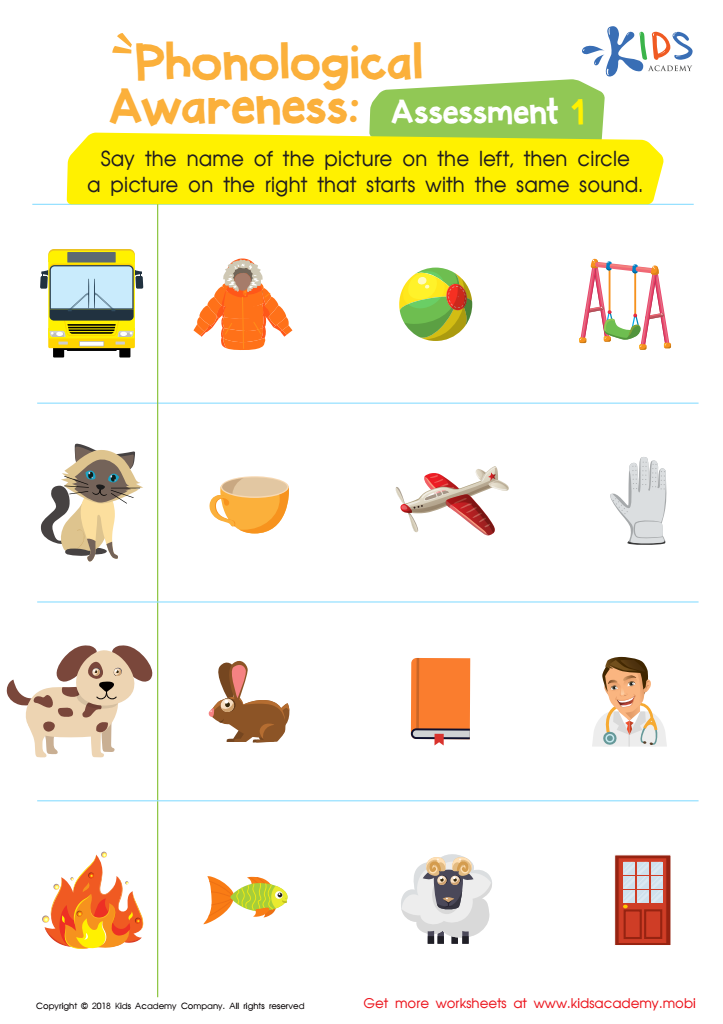
Phonological Awareness: Assessment 1 Worksheet








Parents and teachers should prioritize vocabulary development in kindergarten because it is crucial for a child's overall educational development and future success. A rich vocabulary is the foundation of effective communication, reading comprehension, and academic achievement. When children start school with a strong vocabulary, they are better equipped to understand and engage with the curriculum. This early proficiency can lead to a love for learning and reading, setting them on a positive academic trajectory.
Additionally, vocabulary development enhances cognitive abilities such as critical thinking and problem-solving, which are essential life skills. As children learn new words and concepts, they expand their ability to comprehend and express complex ideas. This aids in social development, boosting their confidence in interacting with peers and adults.
Focusing on vocabulary also addresses educational equity. Children who lack exposure to a rich linguistic environment at home benefit greatly from vocabulary instruction at school. By embedding vocabulary development into daily interactions and activities, parents and teachers create a supportive learning environment that helps bridge this gap.
Incorporating vocabulary development into kindergarten routines, through activities like reading aloud, play-based learning, and conversations, helps ensure that every child has the tools they need for a bright and successful future.