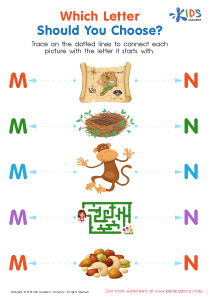
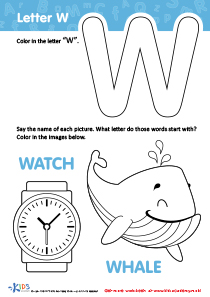
Alphabetical order understanding Normal Kindergarten Letter Recognition Worksheets
3 filtered results
-
From - To
Our Alphabetical Order Understanding worksheets help kindergarteners master the crucial skill of letter recognition. Engaging activities guide young learners in placing letters in sequence, enhancing their grasp of the alphabet. These thoughtfully crafted worksheets from Kids Academy develop foundational literacy skills through playful practice, ensuring children are both entertained and educated. Perfect for early learners, these resources support visual and cognitive development, setting the stage for future reading success. Dive into a world of fun and learning with our expertly designed alphabetical order worksheets!
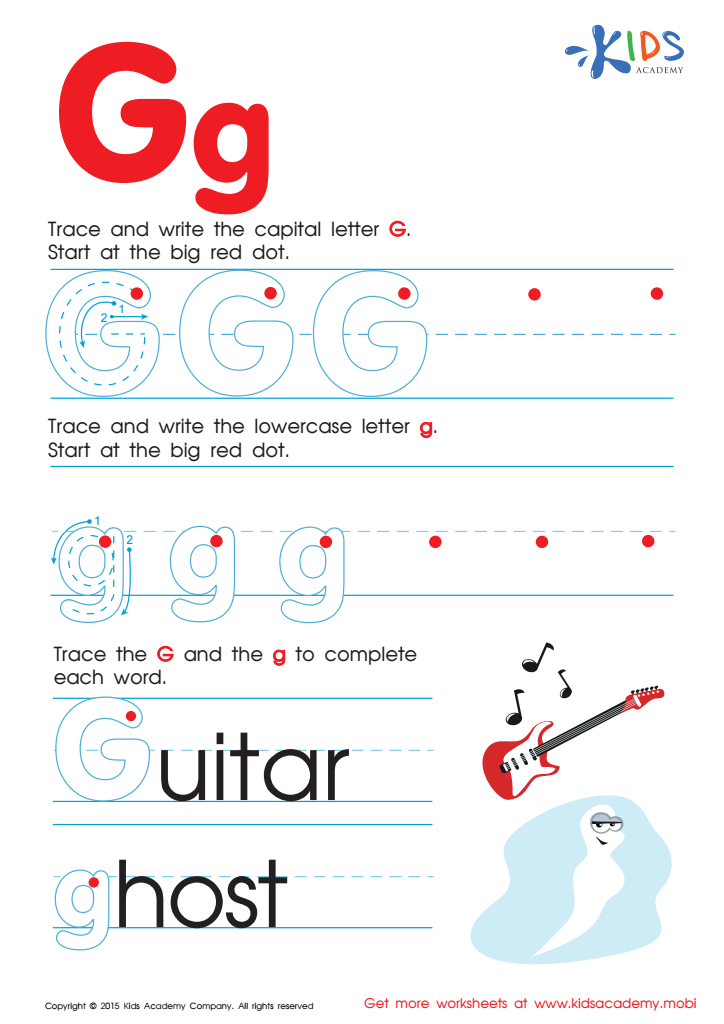
Letter G Tracing Page
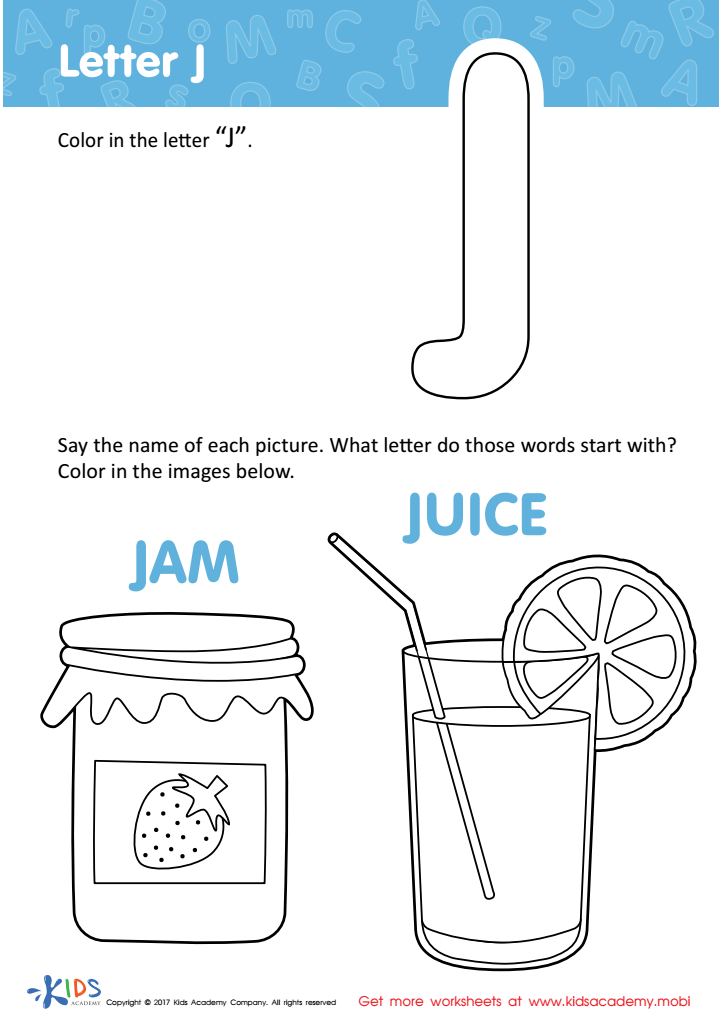
Letter J Coloring Sheet
 Assign to My Students
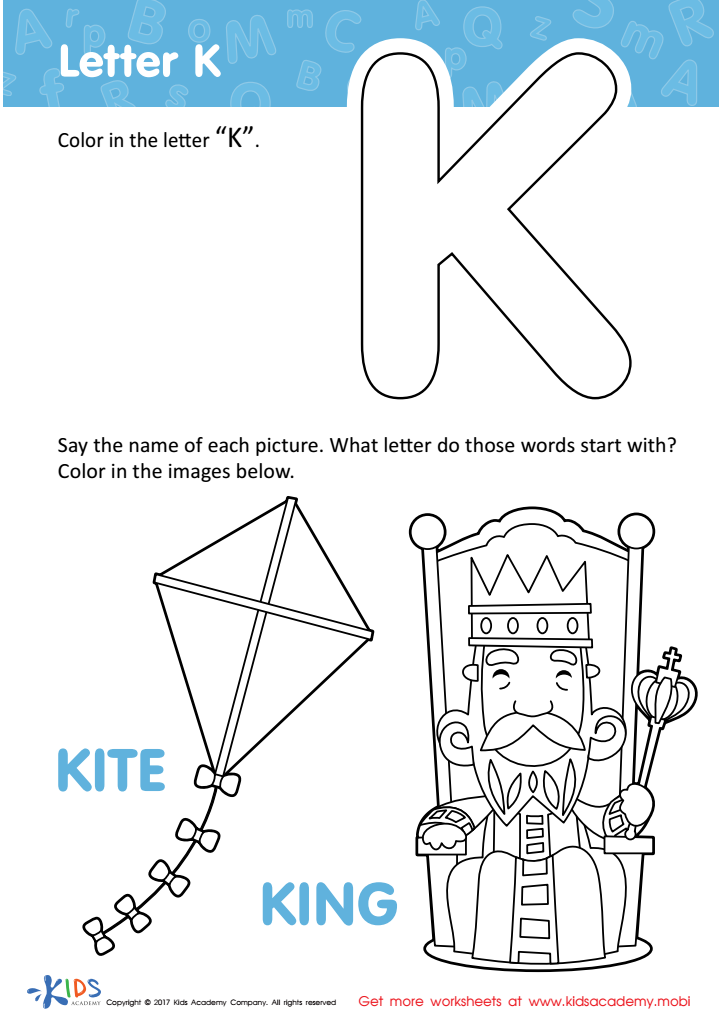
Letter K Coloring Sheet
Assign to My Students






Understanding alphabetical order is a foundational skill crucial for young learners, often beginning in kindergarten. It starts with normal letter recognition - the ability to identify and name letters. There are several key reasons why parents and teachers should care about a child's grasp of alphabetical order alongside regular letter recognition.
Firstly, alphabetical order helps organize and retrieve information. Just as adults use dictionaries or indices, children can benefit from knowing the order of letters to locate words, especially as they progress to more complex reading and writing tasks. This early skill supports literacy development, making reading and writing more intuitive.
Secondly, early alphabetical awareness reinforces letter recognition skills. When children practice organizing or sequencing letters, they continuously review and solidify their knowledge of the alphabet. This reduces confusion between letters and helps them to identify each letter more quickly and accurately.
Furthermore, engaging with alphabetical order enhances cognitive skills like sequencing and memory. Young learners begin to understand patterns and the structure of language, which has broader applications in their overall cognitive development.
Lastly, mastering these early language skills builds confidence. As children perceive their progress, their motivation and engagement with literacy activities increase, laying a strong foundation for lifelong learning. Therefore, focusing on these basic yet pivotal skills in kindergarten sets children up for greater academic success.