Fine Motor Skills Normal Kindergarten Letter Recognition Worksheets - Page 2
41 filtered results
-
From - To
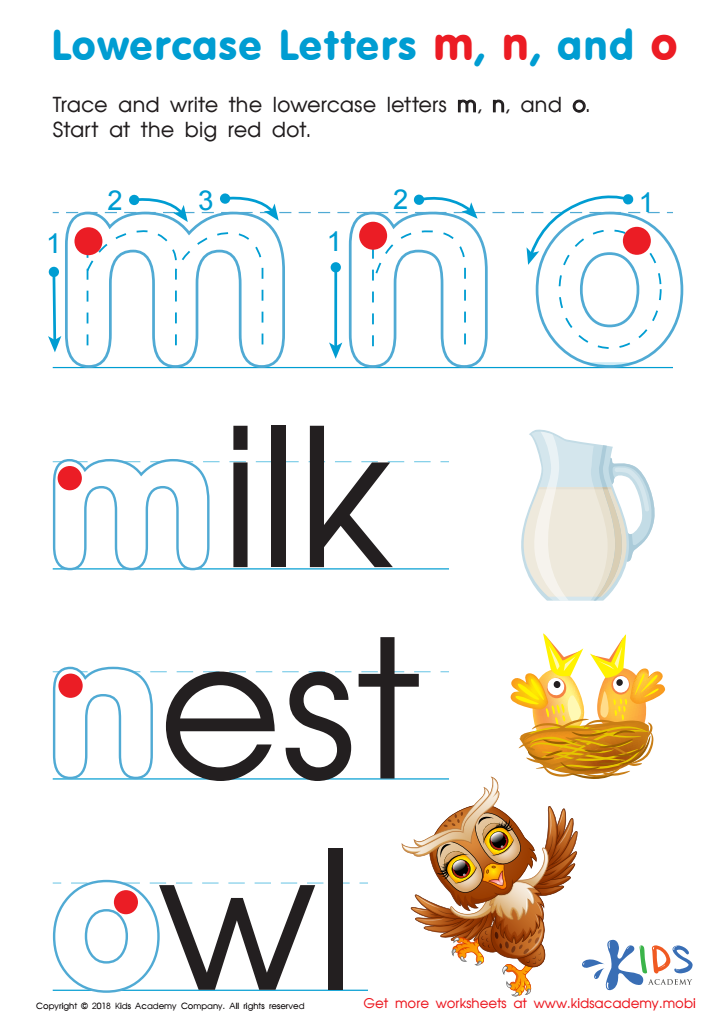
Lowercase Letters m n o Worksheet
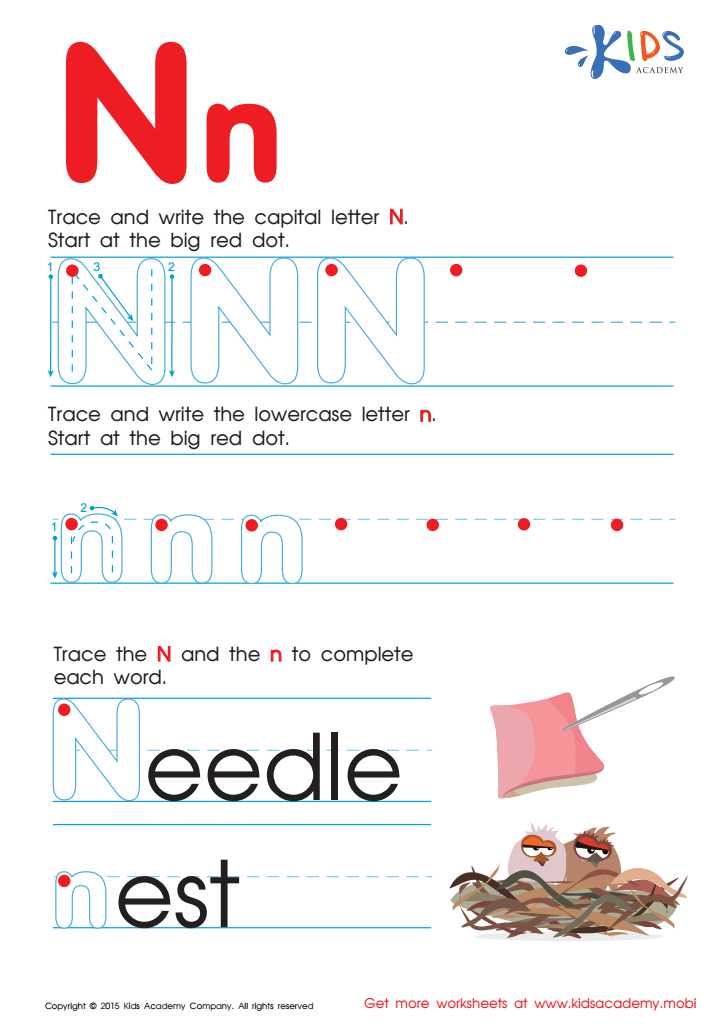
Letter N Tracing Page
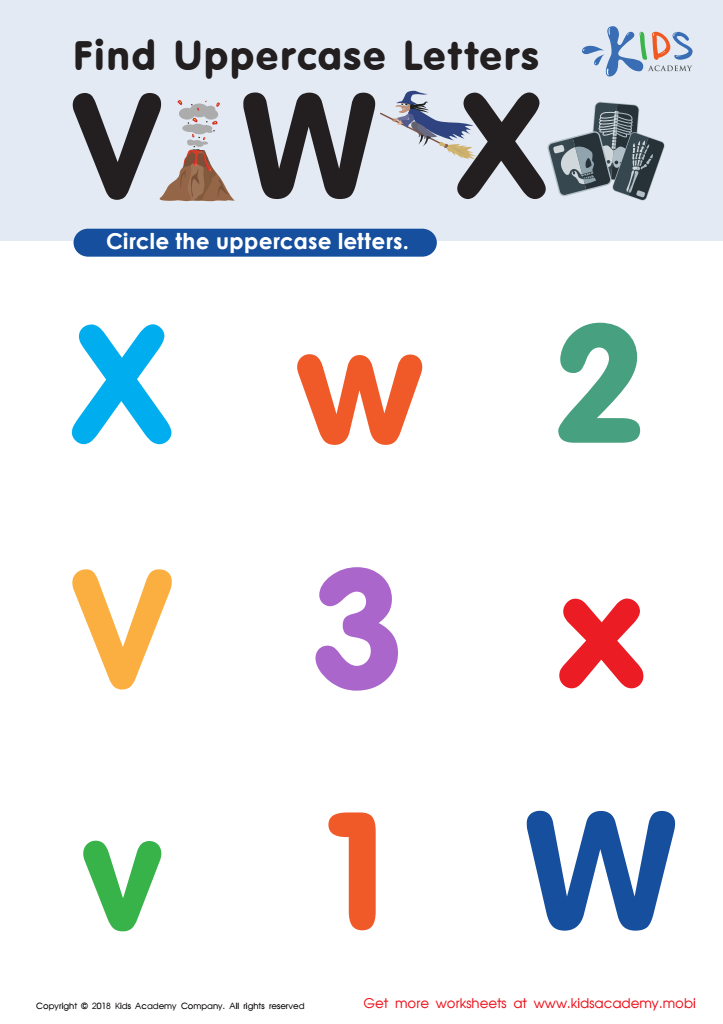
Find Uppercase Letters V, W, X Worksheet
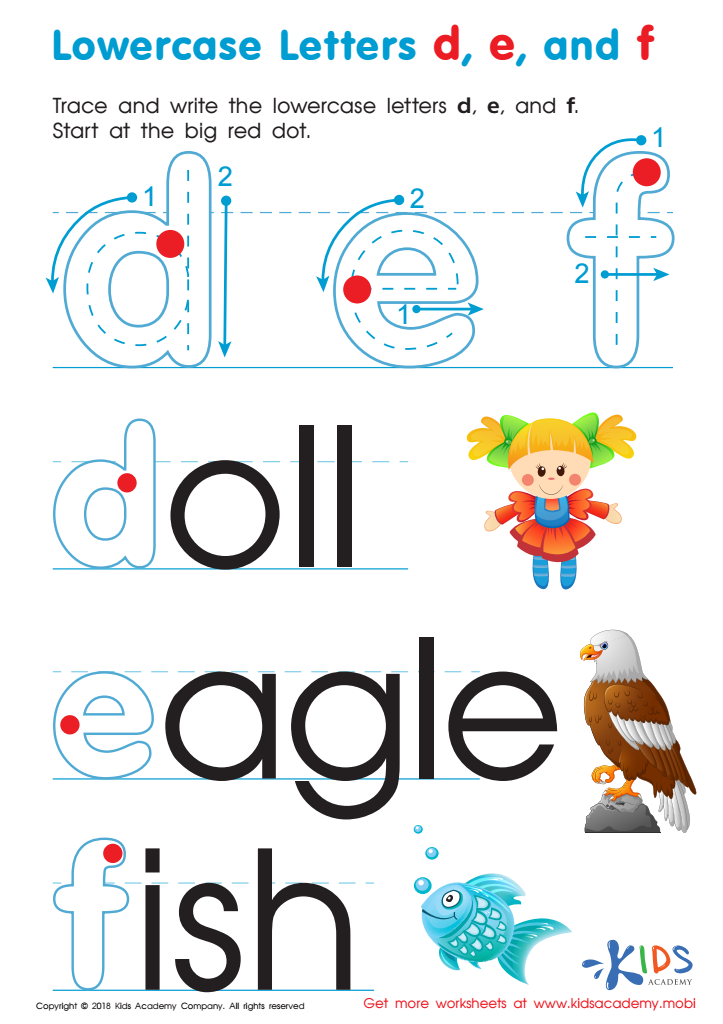
Lowercase Letters d e f Worksheet

Letter E Tracing Page
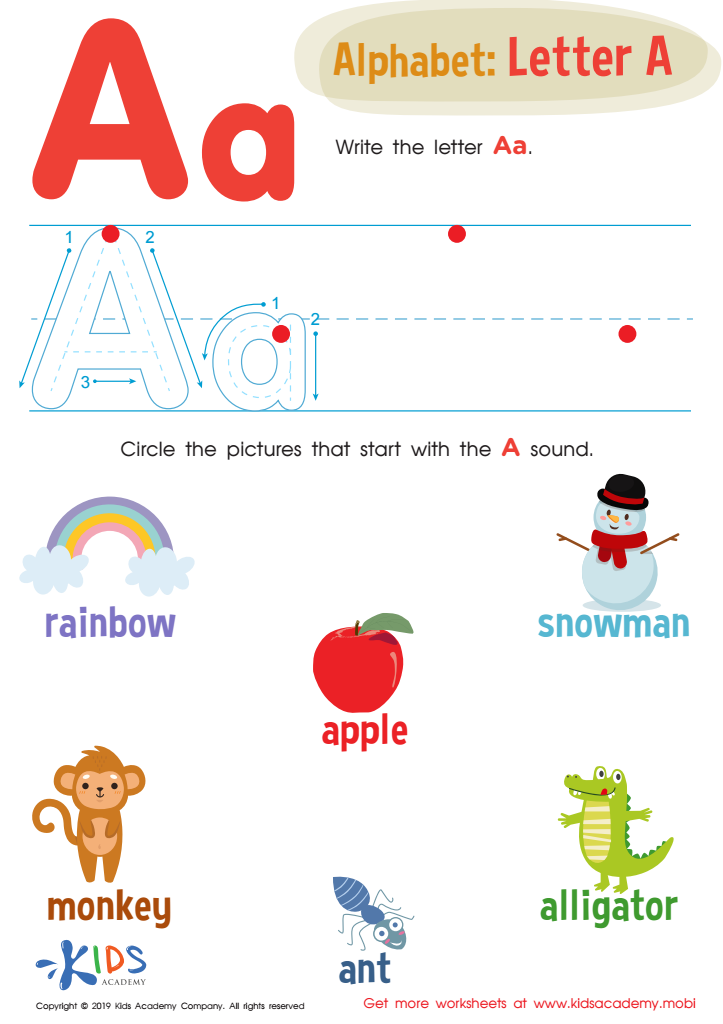
Letter A Tracing Worksheet
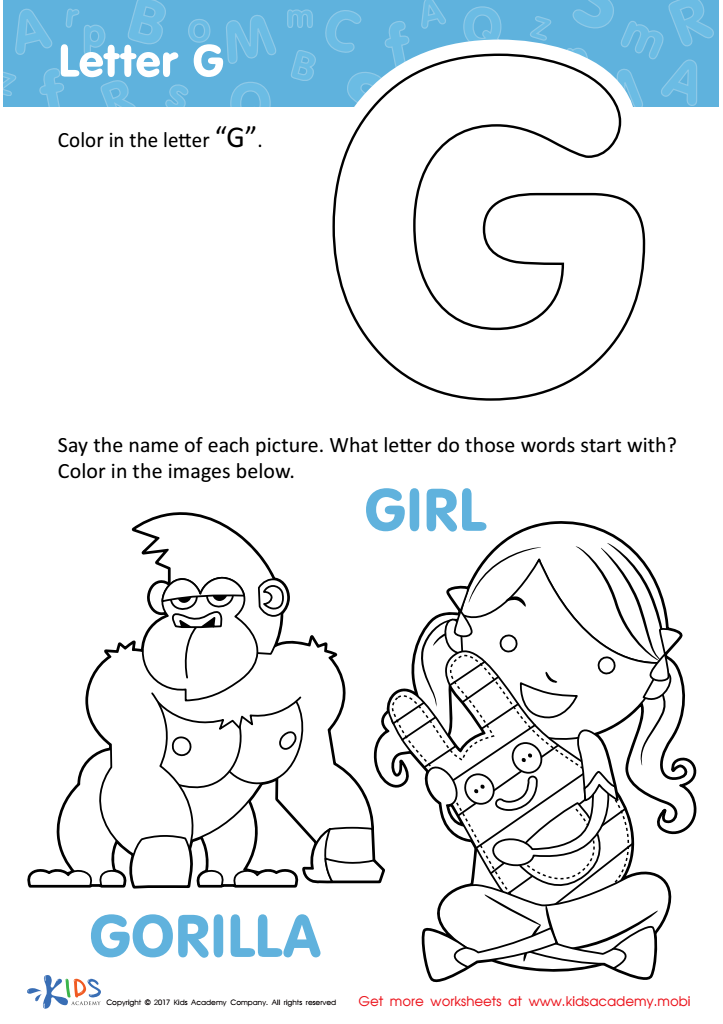
Letter G Coloring Sheet
 Assign to My Students
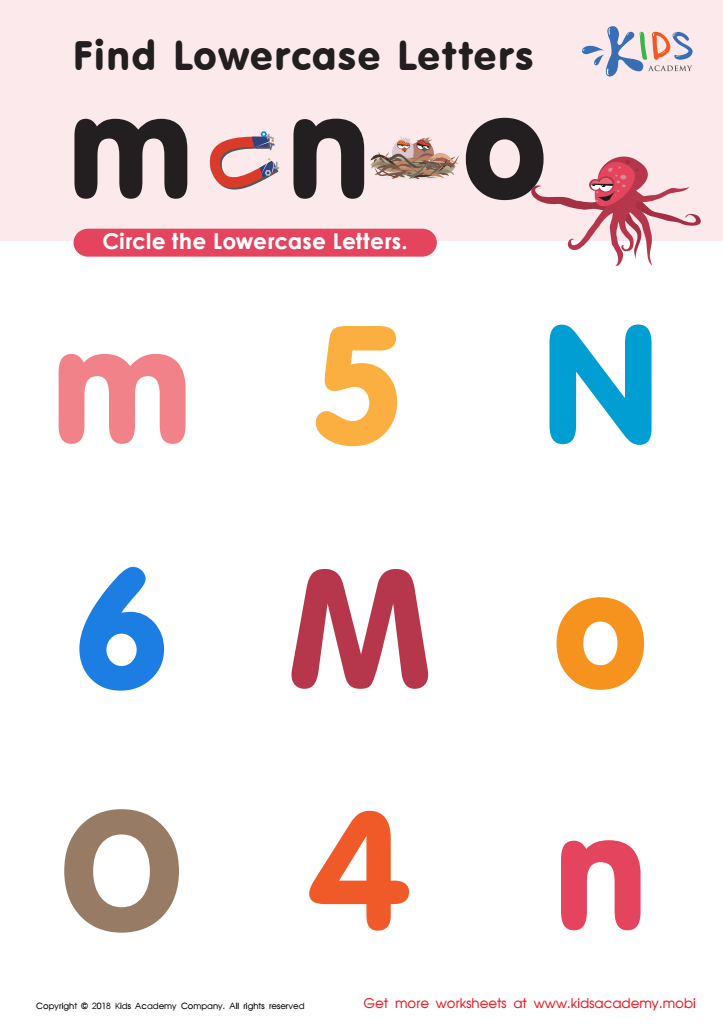
Find Lowercase Letters m n o Worksheet
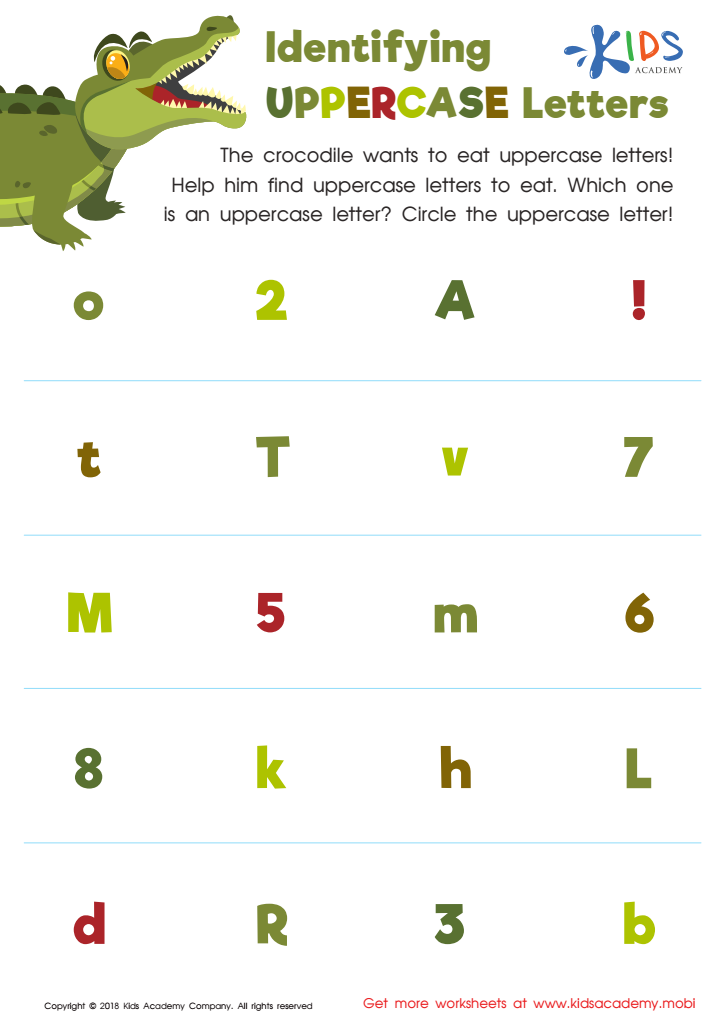
Identifying Uppercase Letters Worksheet
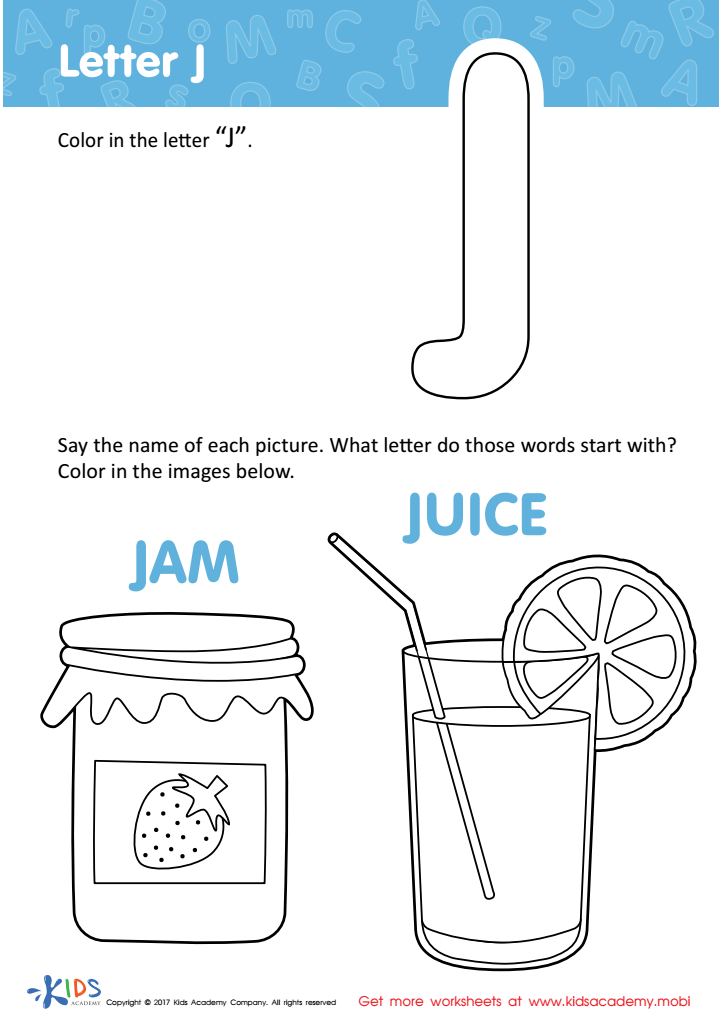
Letter J Coloring Sheet
Assign to My Students
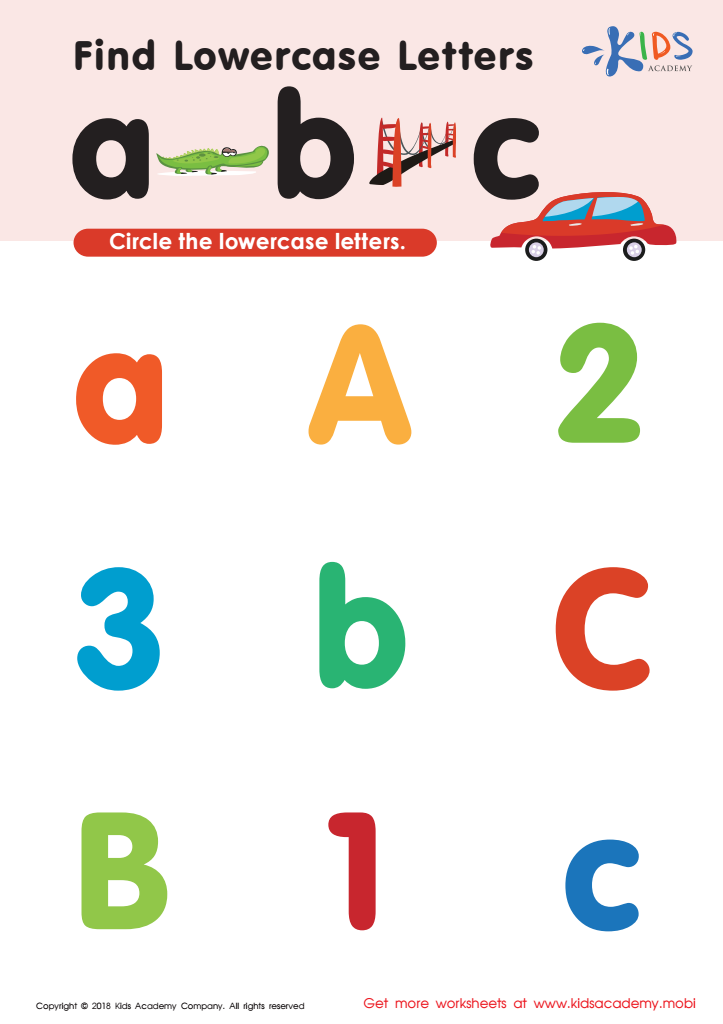
Find lowercase letters a b c Worksheet
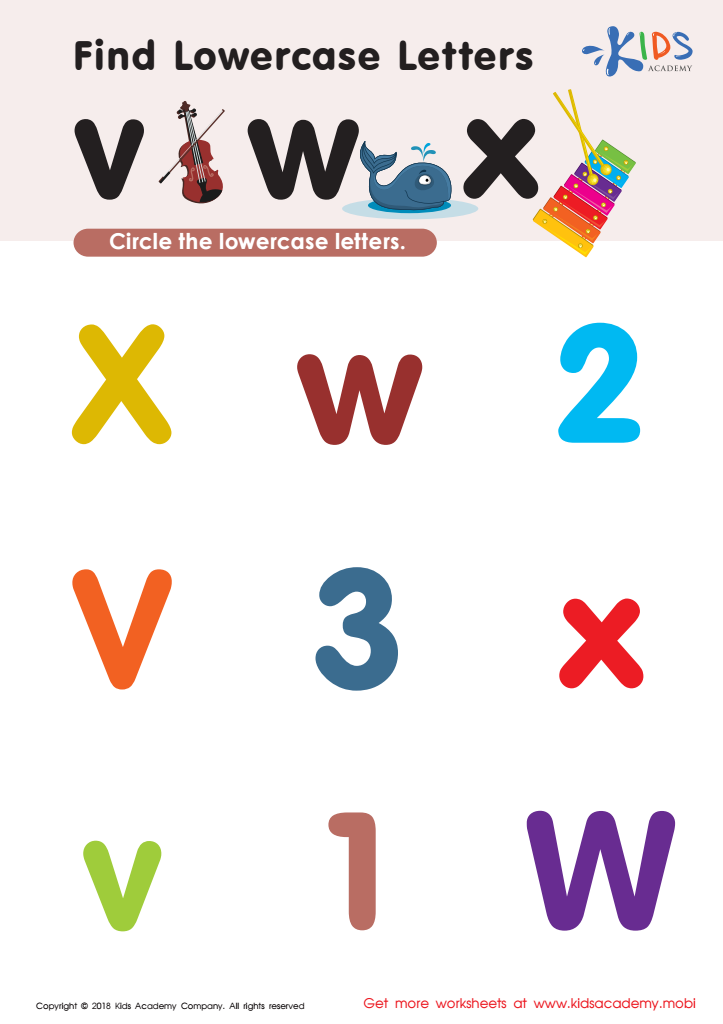
Find Lowercase Letters v w x Worksheet
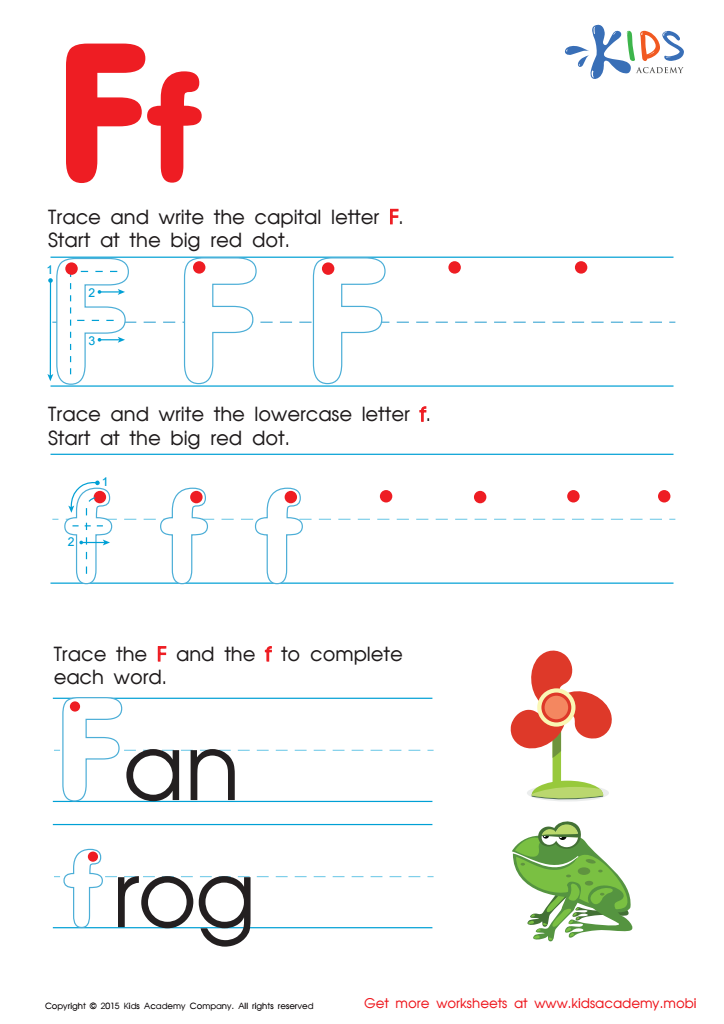
Letter F Tracing Page
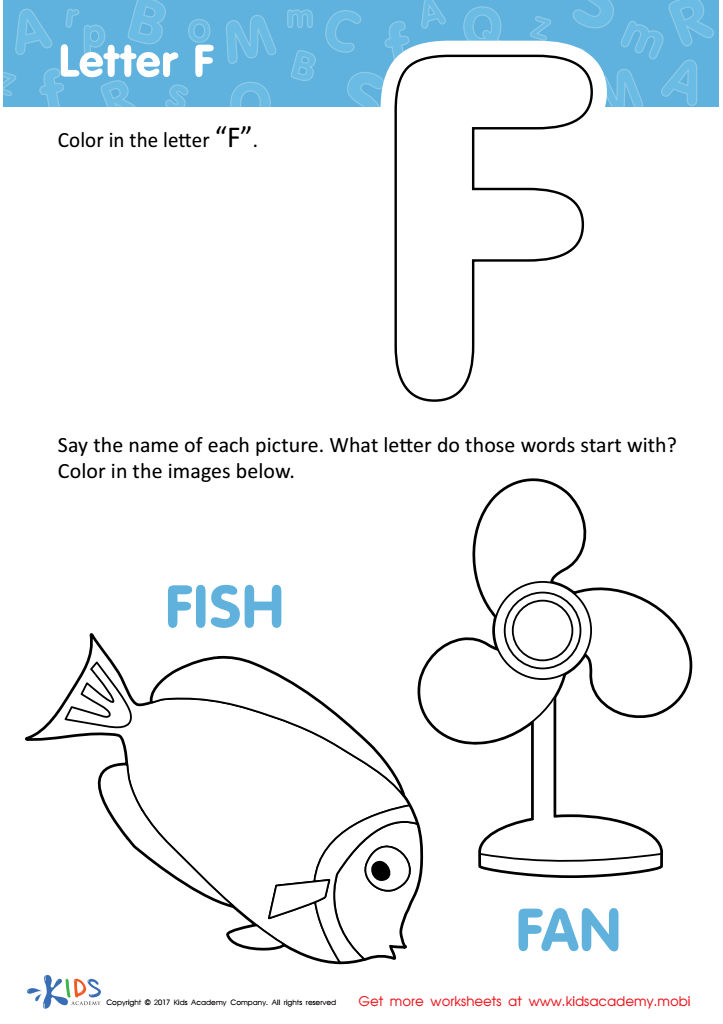
Letter F Coloring Sheet
Assign to My Students
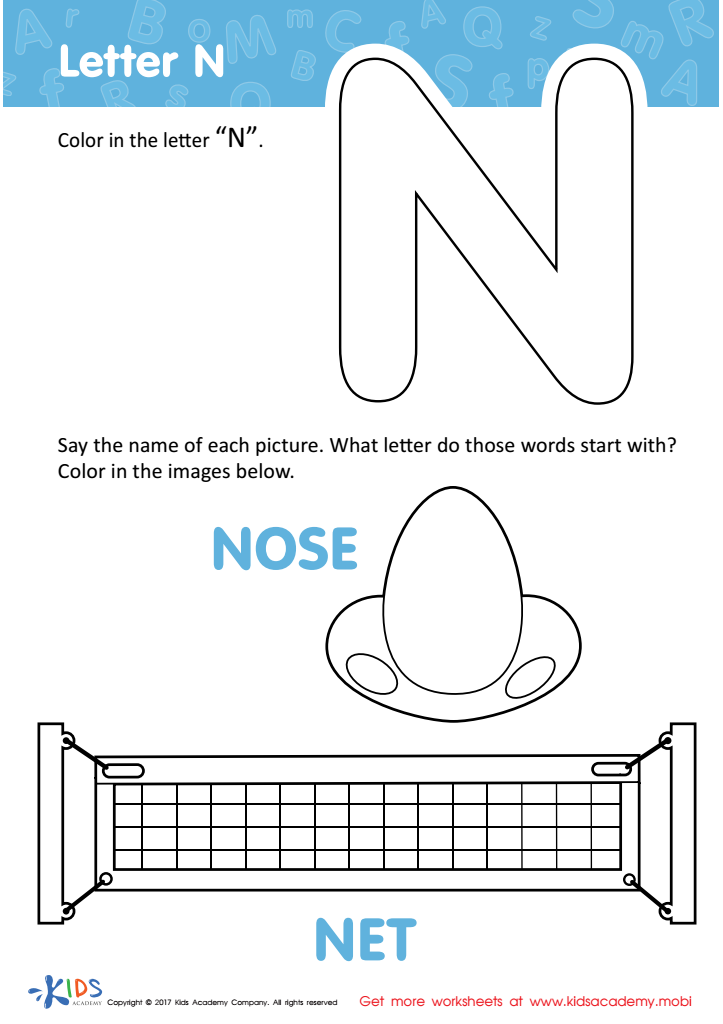
Letter N Coloring Sheet
Assign to My Students

Letter D Tracing Page
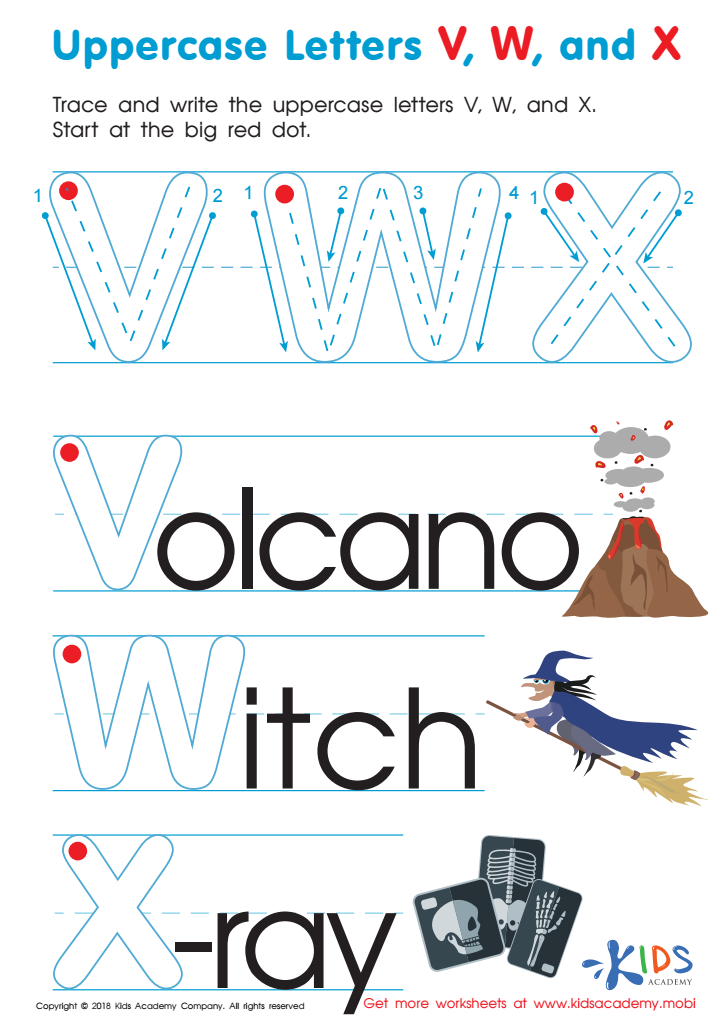
Uppercase Letters V, W, and X Worksheet






Fine motor skills develop as children use their smaller muscles efficiently, especially those in the hands and fingers. This capability is a critical foundation for later academic success and daily tasks. One essential area where these skills directly apply is letter recognition in kindergartners. Proper development of fine motor skills is integral for children to correctly grip a pencil, trace letters, and eventually write their own names and other words.
When children have well-developed fine motor skills, they find it easier to engage in activities like tracing, coloring, and handwriting. Consequently, their abilities in letter recognition improve faster as they can practice more effectively and with less frustration. Proper letter recognition is vital by kindergarten because it's a predictor of both reading ability and literacy in the early school years. It lays the groundwork for learning to read, spell, and write, which are all crucial elements in a child's early academic life.
For parents and teachers, fostering fine motor skills early on involves providing children with plenty of opportunities to engage in activities like cutting with scissors, molding playdough, and interacting with puzzles. By actively encouraging such activities, caregivers can help children develop the dexterity needed to recognize and form letters correctly, setting them on a successful academic path.