Vocabulary expansion Normal Kindergarten Long Vowels Worksheets
3 filtered results
-
From - To
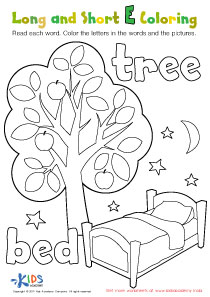
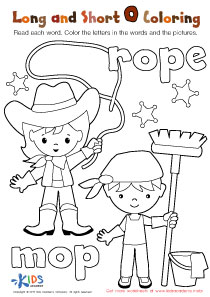
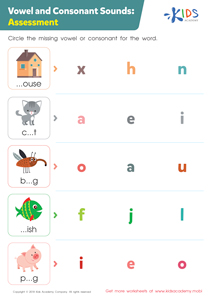
Boost your child's vocabulary with our engaging "Vocabulary Expansion Normal Kindergarten Long Vowels Worksheets." Designed specifically for early learners, these worksheets focus on introducing and reinforcing long vowel sounds through fun activities. Delve into an array of interactive exercises that not only enhance phonetic awareness but also enrich vocabulary. Your kindergarteners will enjoy colorful visuals and relatable examples, making learning enjoyable and effective. As they practice common long vowel words, they'll develop essential reading skills that set a strong foundation for their literacy journey. Perfect for classroom or home use, these worksheets make learning to read fun and captivating!
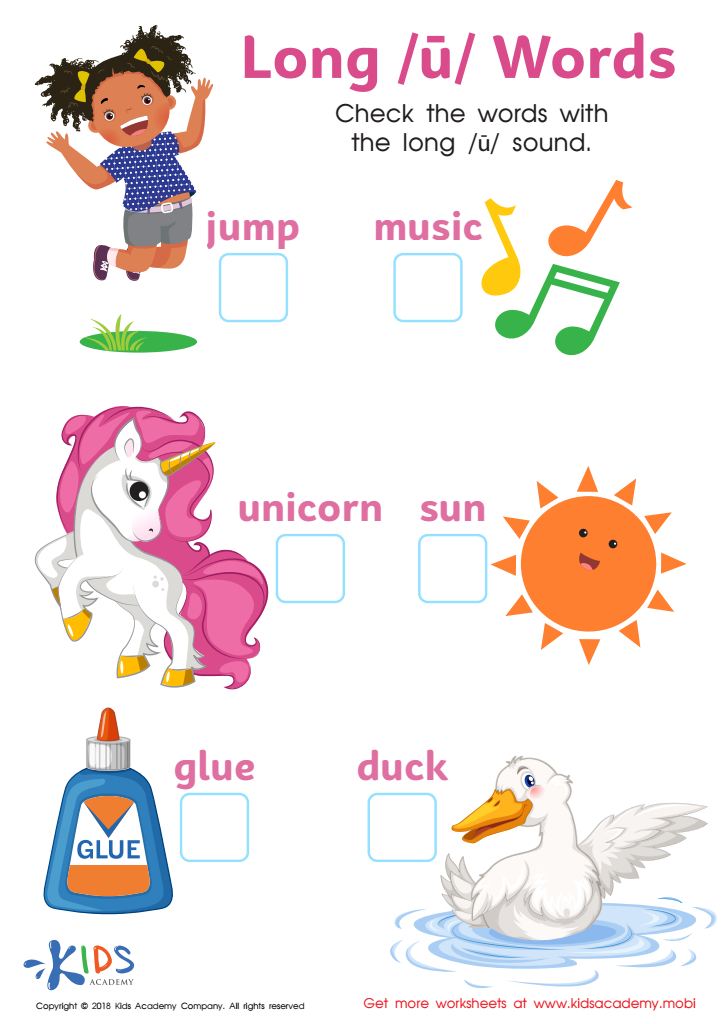
Long U Words Reading Worksheet
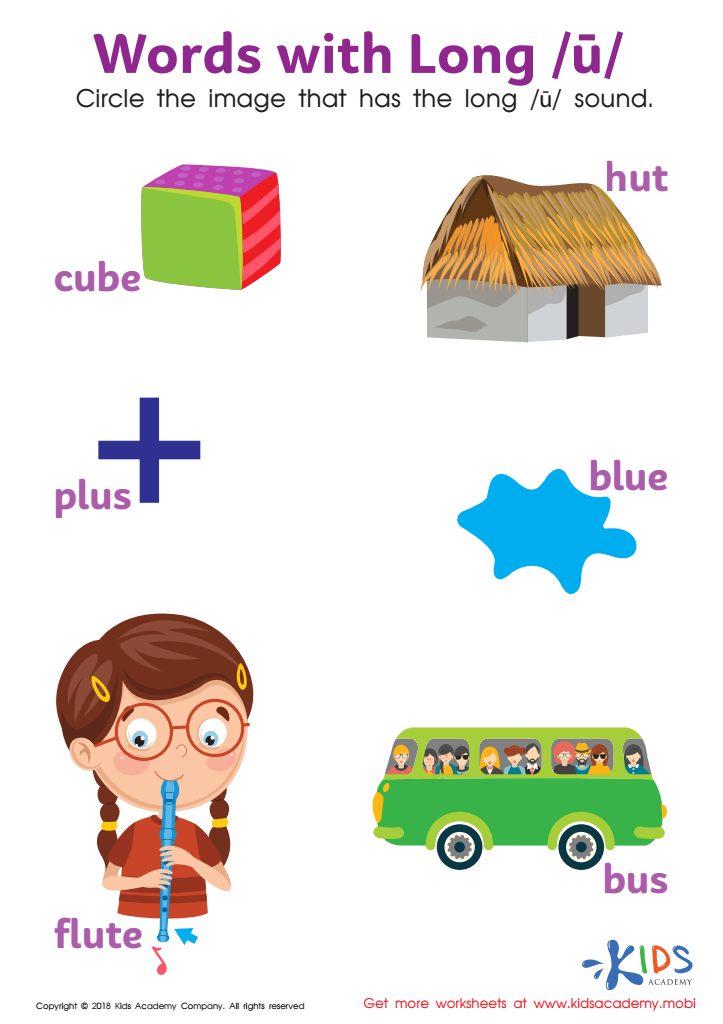
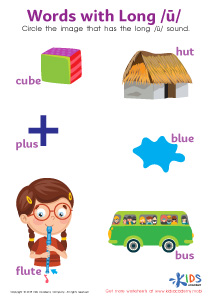
Words with Long U Reading Worksheet
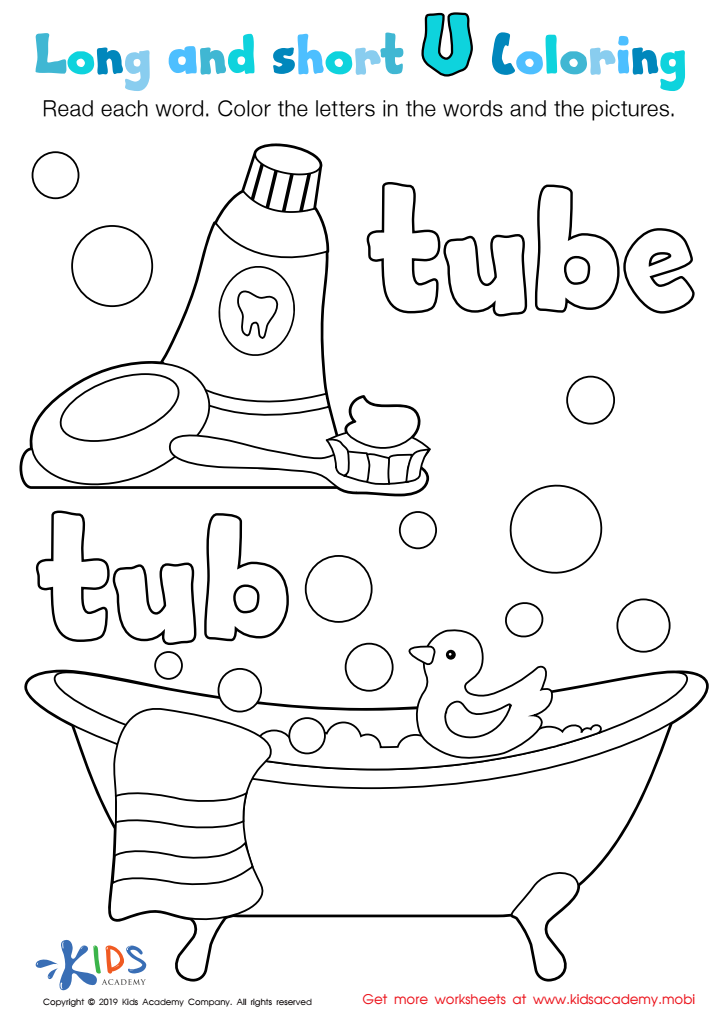
Long and Short U Worksheet
 Assign to My Students



Parents and teachers should prioritize vocabulary expansion, particularly focusing on long vowels in Kindergarten, because a robust vocabulary lays the foundation for reading comprehension and communication skills. Long vowels represent crucial sound patterns that help children decode words, understand meanings, and enhance their literacy skills. By learning to identify and pronounce these vowels, children can expand their word recognition and reading fluency, essential for academic success.
Moreover, vocabulary development is directly linked to critical thinking and cognitive growth. Young learners who master long vowel sounds can better engage with stories, discussions, and instructional content, fostering a love for reading. This love often becomes instrumental in motivating them to read independently, further enriching their vocabulary.
Creating a rich linguistic environment at home and in the classroom, through songs, rhymes, and interactive activities centered on long vowels, makes learning fun and engaging. Encouraging conversations that utilize diverse vocabulary helps children to articulate their thoughts effectively.
In essence, investing time and effort into vocabulary expansion around long vowels in Kindergarten not only equips children with vital academic tools but also nurtures their overall development, preparing them for future learning challenges and building self-confidence in their communication skills.