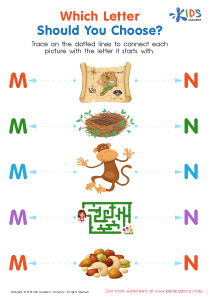
Reading Skills Normal Kindergarten Phonics Worksheets
4 filtered results
-
From - To
Enhance your child’s reading skills with our phonics worksheets specifically designed for kindergarten learners. Our engaging and colorful worksheets focus on fundamental phonics concepts, helping young readers recognize and sound out letters and words effectively. Each activity targets essential skills such as letter recognition, blending sounds, and decoding simple words. The worksheets are user-friendly and ideal for at-home practice or classroom use, making learning fun and interactive. By reinforcing phonics knowledge, these worksheets empower children to build a strong reading foundation. Explore the collection today and watch your child’s confidence and literacy skills soar! Perfect for early education settings!
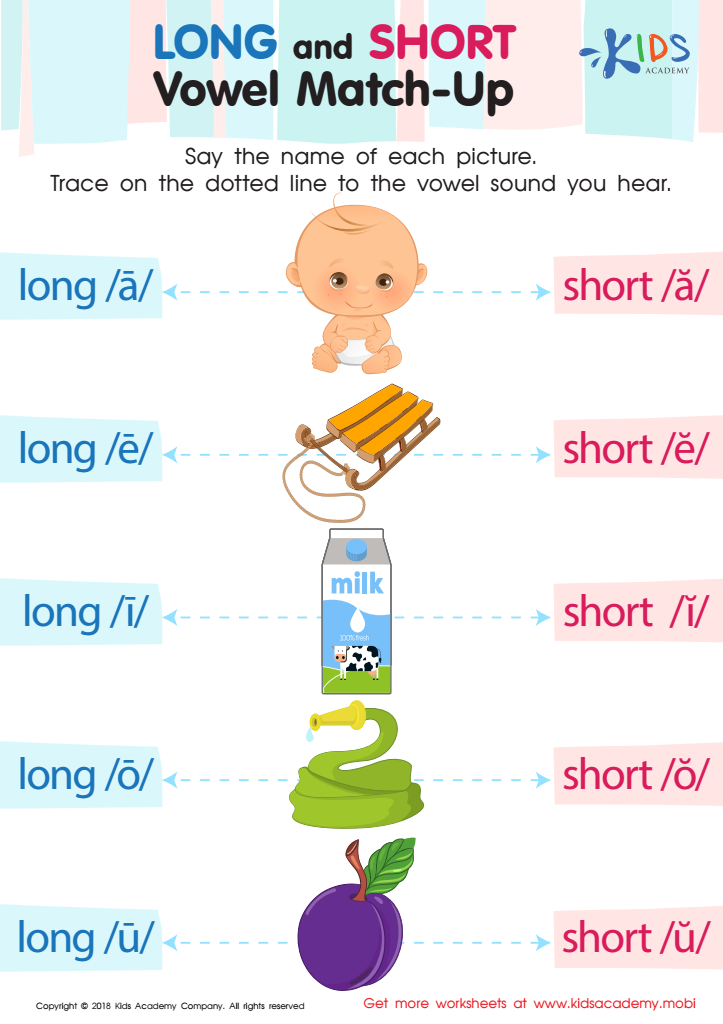
Long and Short Vowel Match up Reading Worksheet
 Assign to My Students
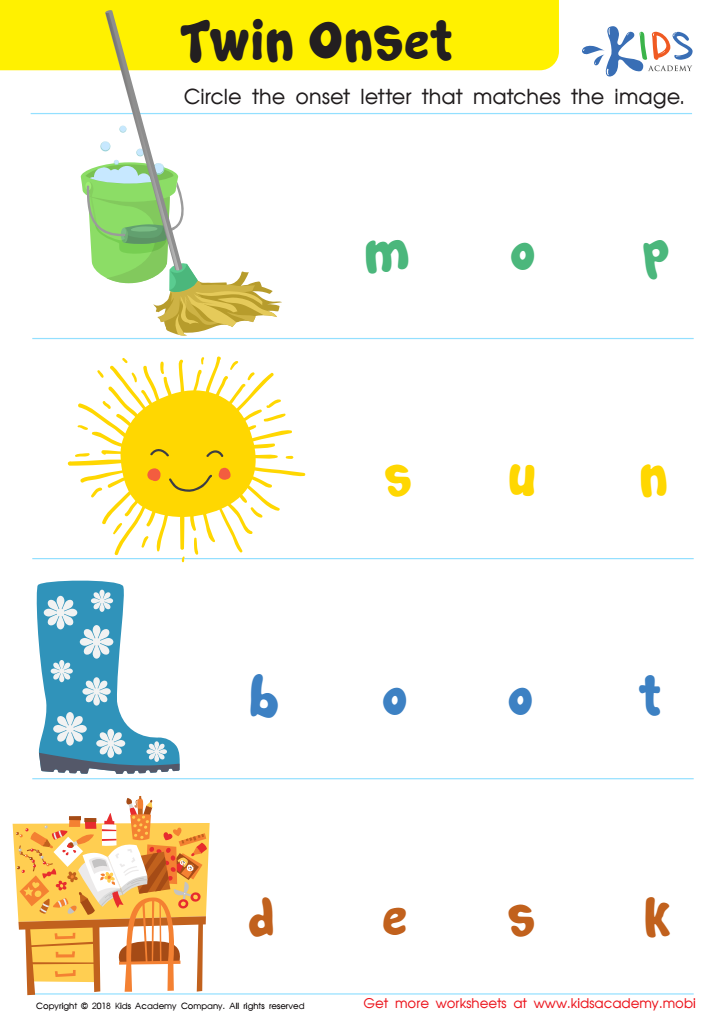
Twin Onset Worksheet
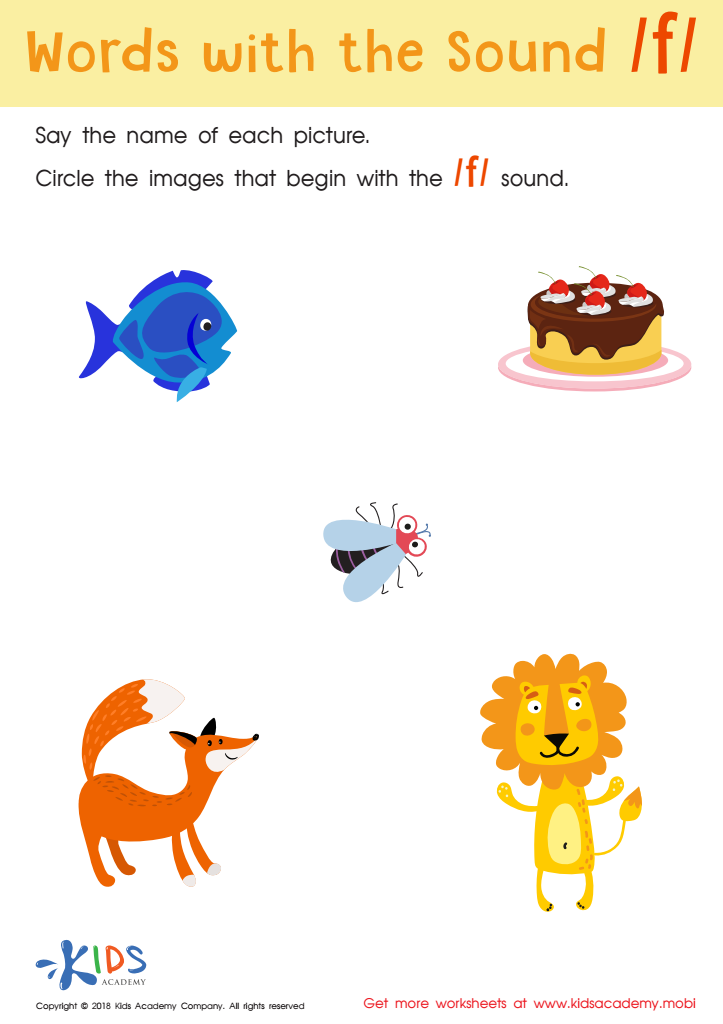
Words with sound f Reading Worksheet
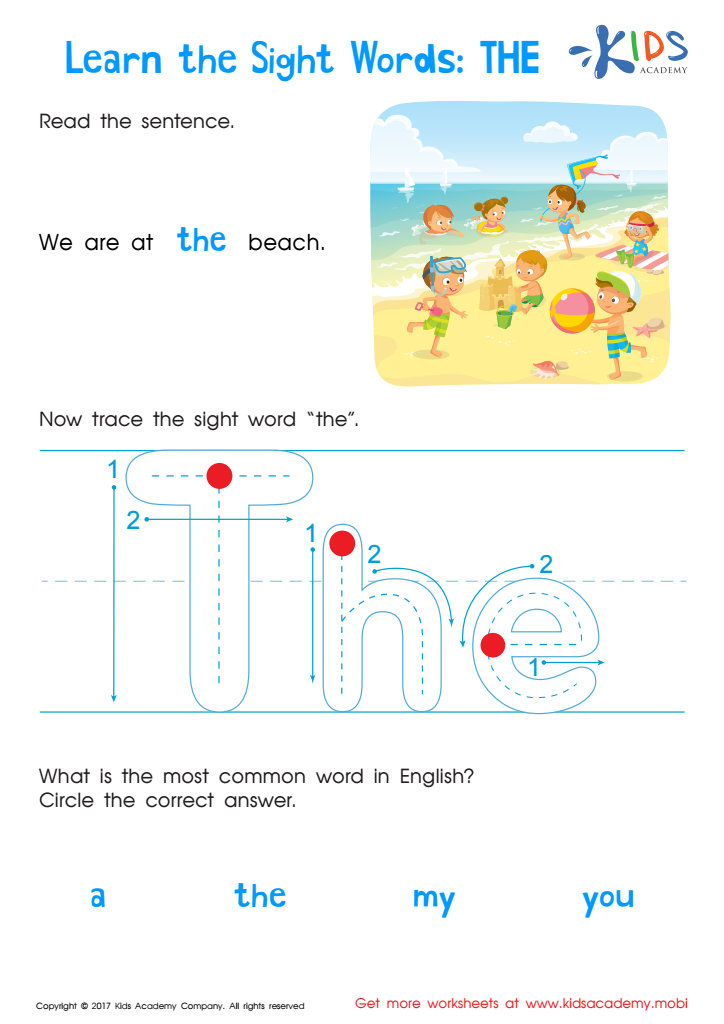
Sight Words: The Worksheet






Parents and teachers should care about reading skills, particularly phonics in kindergarten, because these foundational abilities are crucial for a child’s overall academic success and lifelong literacy. Phonics, the method by which children learn the relationship between sounds and letters, equips them with essential decoding skills necessary for reading. When children grasp phonics, they begin to independently read words, build vocabulary, and enhance comprehension.
Early reading skills contribute not only to literacy but also to cognitive development. Engaging with text promotes critical thinking and fosters a love for learning. Furthermore, strong reading abilities can dramatically impact a child's self-esteem and confidence, influencing their willingness to participate in school activities.
In addition, the importance of reading extends beyond elementary education; literacy is a cornerstone for future educational endeavors. Students who struggle with reading in their early years often face challenges in later grades, affecting their performance across subjects. By prioritizing phonics and reading skills in kindergarten, parents and teachers lay a solid foundation, ensuring children possess the tools to become proficient readers and eager learners in the years to come. Supporting early literacy initiatives ultimately benefits individual students while reinforcing community and societal literacy levels as a whole.