Vocabulary enhancement Normal Kindergarten Rhyming Worksheets
4 filtered results
-
From - To
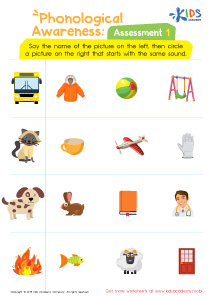
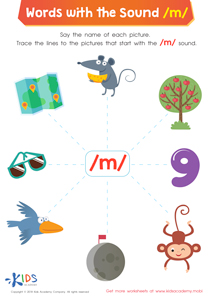
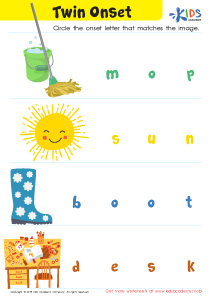
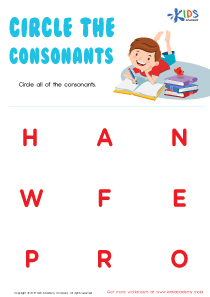
Discover our engaging Vocabulary Enhancement Normal Kindergarten Rhyming Worksheets designed to ignite a love for language in young learners! These printable resources offer a fun, interactive way for kindergarteners to improve their vocabulary while exploring the delightful world of rhymes. Each worksheet features vibrant illustrations and captivating activities that promote phonemic awareness and support early literacy skills. Children will enjoy identifying rhyming words, completing sentences, and enhancing their comprehension through playful exercises. Perfect for classroom or home use, our worksheets encourage creativity and foster a learning environment where vocabulary skills flourish. Start enhancing your child's vocabulary today!
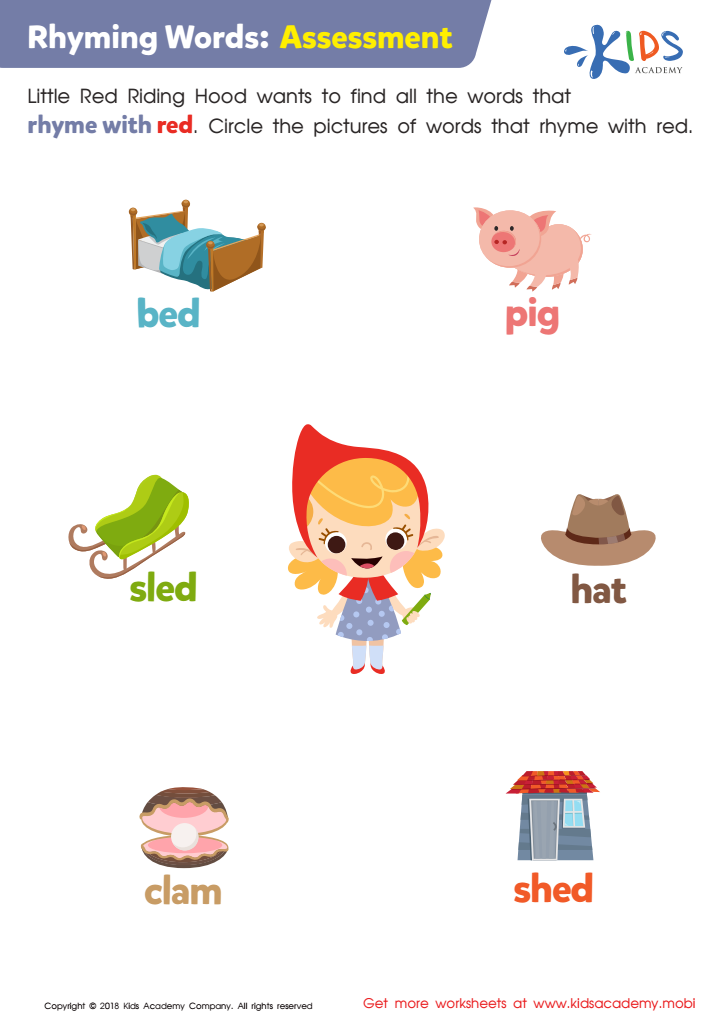
Rhyming Words: Assessment Worksheet
 Assign to My Students
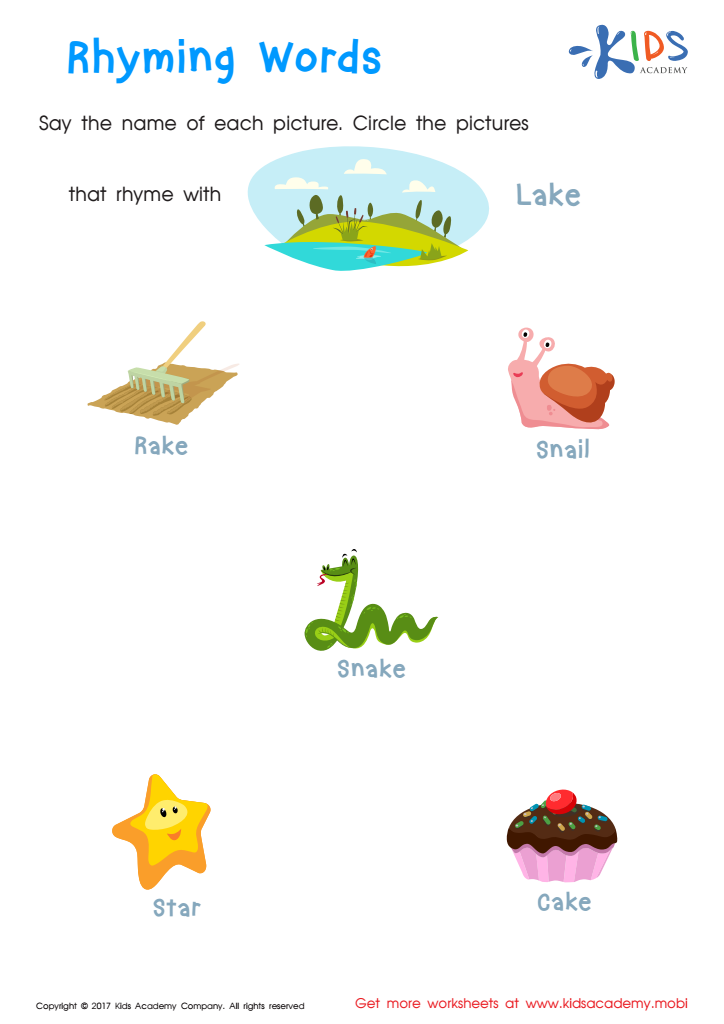
Rhyming Words Rhyming Worksheet
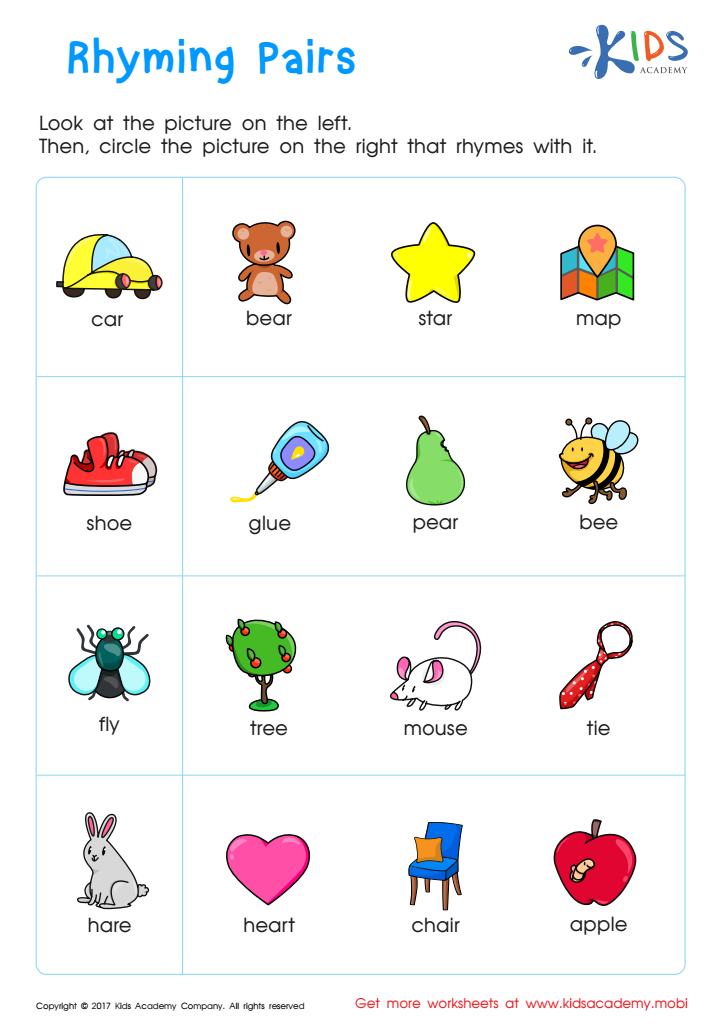
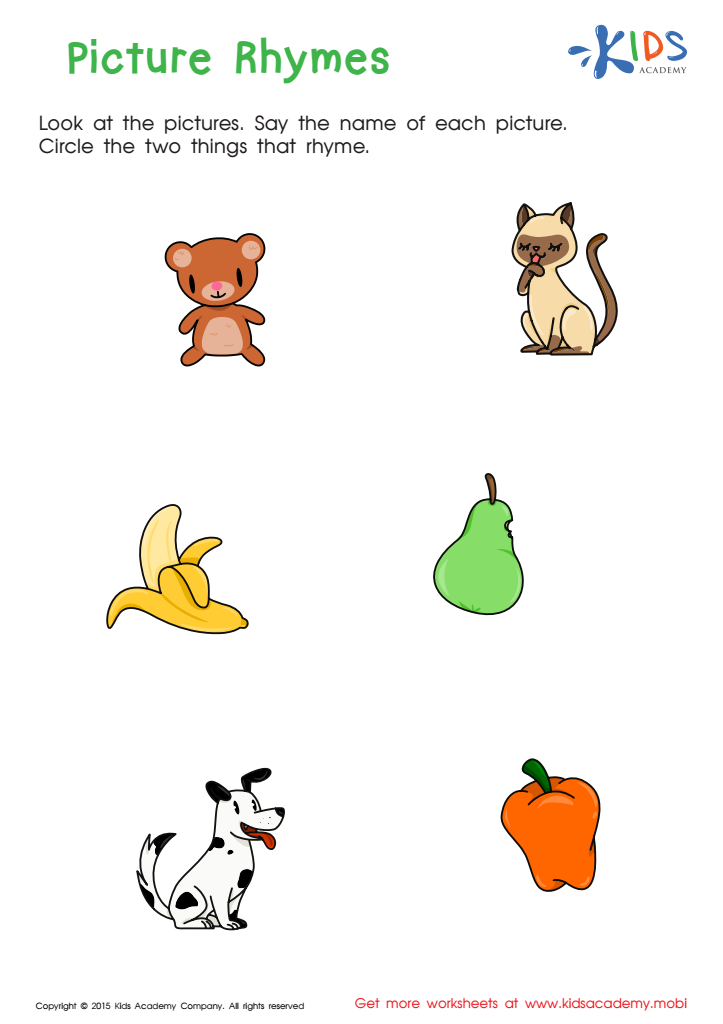
First Words: Picture Rhymes Worksheet




Vocabulary enhancement through rhyming in kindergarten is critical for early literacy development. Rhymes play a fundamental role in introducing children to the sounds of language, helping them discern phonemic sounds that are essential for reading later on. During this foundational phase, playful and rhythmic patterns in rhymes make learning engaging and memorable, creating a positive association with language that can foster a lifelong love for reading.
Teachers and parents should care about this approach as it not only aids vocabulary expansion but also enhances listening skills and auditory discrimination. When children engage with rhyming words, they learn to predict and recognize word patterns, which are valuable skills in decoding and reading fluency.
Moreover, rhymes provide opportunities for creative expression and language play through storytelling and singing, encouraging social interaction among peers. By supporting vocabulary enhancement through rhyming, adults help cultivate a nurturing environment where children can flourish academically and socially. Ultimately, investing time in rhyming activities lays the foundation for future literacy skills, stronger communication abilities, and cognitive development, translating to better educational outcomes in later years. Encouraging these activities primes young learners for success, making it imperative for teachers and parents to integrate them into everyday practices.