Reading comprehension Normal Kindergarten Short Vowels Worksheets
3 filtered results
-
From - To
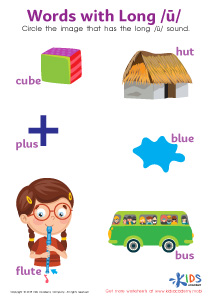
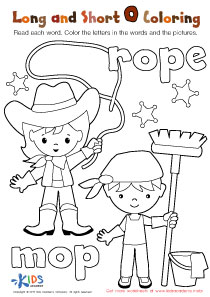
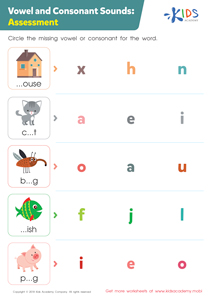
Enhance your child's literacy skills with our Reading Comprehension Normal Kindergarten Short Vowels Worksheets! Designed specifically for young learners, these engaging worksheets focus on short vowel sounds, allowing kids to practice essential reading skills in a fun, interactive way. Each worksheet features colorful illustrations and age-appropriate activities that stimulate comprehension and reinforce phonetic understanding. As children complete these exercises, they build confidence in their reading abilities while developing critical thinking skills. Perfect for classroom or home use, our worksheets offer a brilliant way to make learning enjoyable. Explore our collection and watch your little ones thrive in their reading journey!
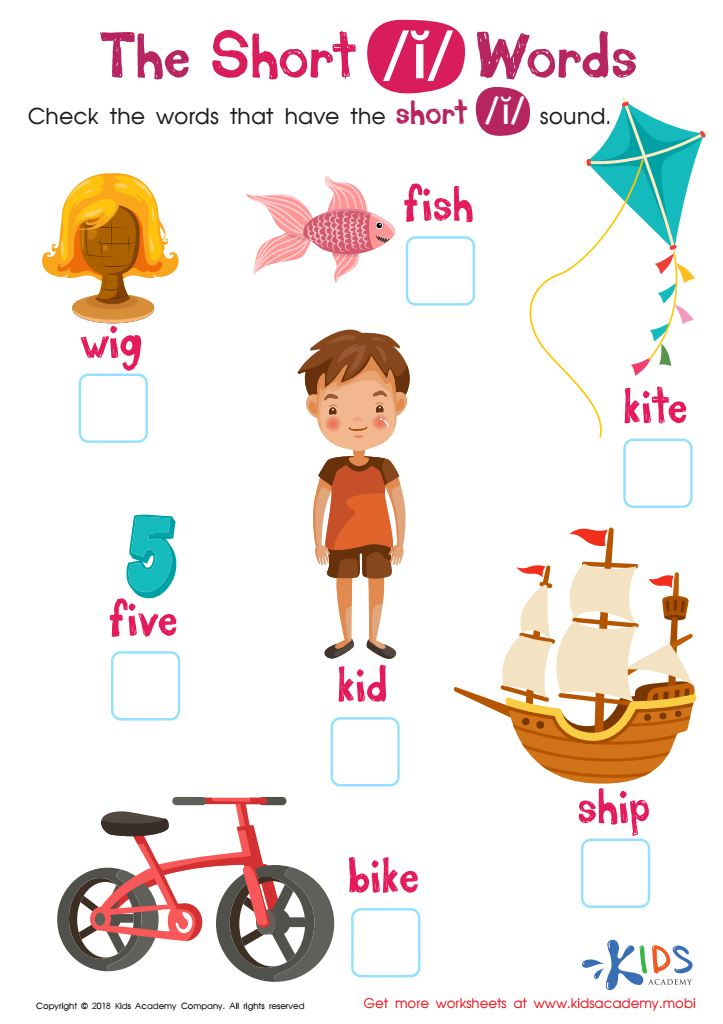
The Short I Words Reading Worksheet
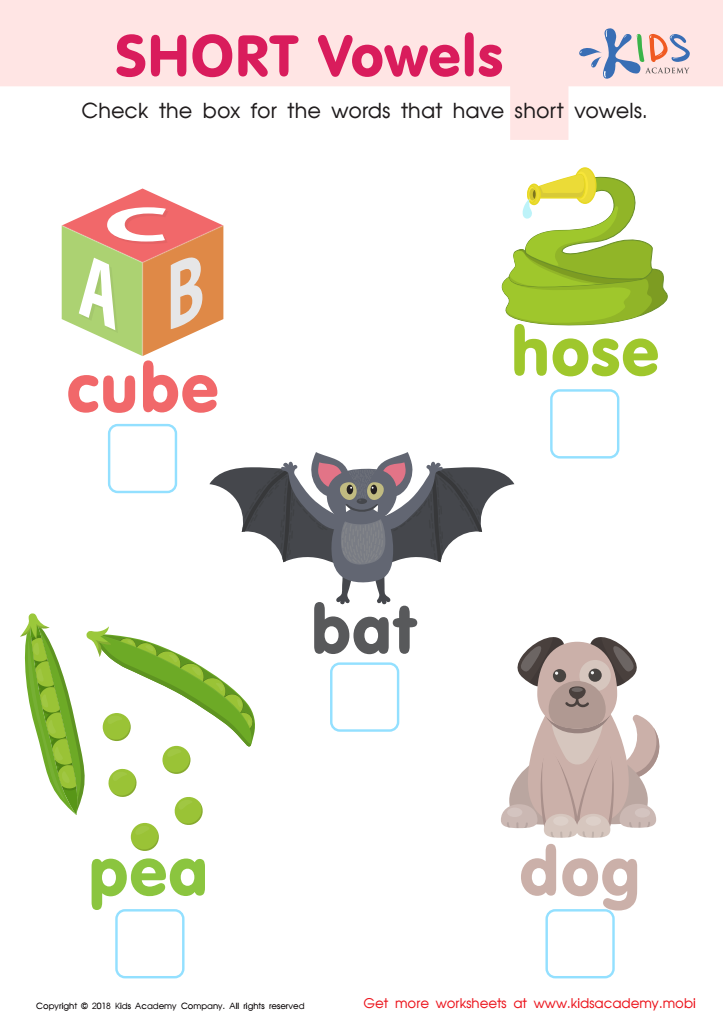
short vowels Worksheet
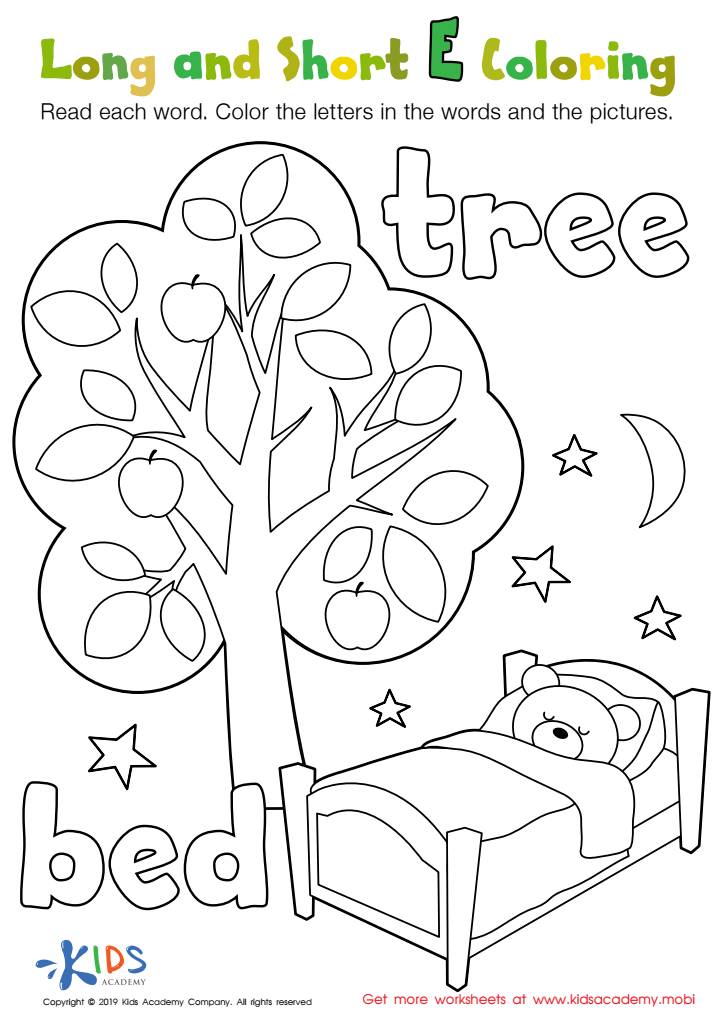
Long and Short E Worksheet
 Assign to My Students



Reading comprehension is a vital skill that lays the foundation for a child's educational journey. In Kindergarten, mastery of short vowels is crucial as it introduces young learners to the building blocks of literacy. Short vowels (a, e, i, o, u) are essential for decoding and understanding words, and a strong grasp of these sounds enhances a child's ability to read independently and with confidence.
Parents and teachers should care about short vowel recognition because it significantly impacts overall reading comprehension. When children can identify and pronounce short vowel sounds, they are better equipped to tackle more complex words and sentences later on. This builds a love for reading, fosters critical thinking, and enhances vocabulary development.
Moreover, children who struggle with reading in the early stages may develop negative feelings toward learning, which can affect their self-esteem and enthusiasm for school. By focusing on reading comprehension centered around short vowels, parents and teachers can ensure that children receive the support they need to thrive. This investment in early literacy not only supports academic success but also provides children with essential skills they will use throughout their lives. Thus, nurturing reading comprehension from such an early age is a critical responsibility for all involved in a child's education.