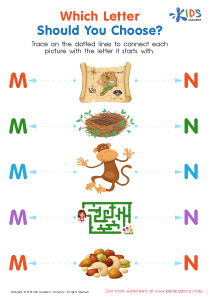
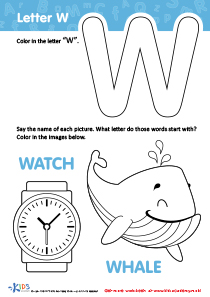
Alphabet tracing Normal Kindergarten Tracing Letters Worksheets
5 filtered results
-
From - To
Enhance your child's literacy skills with our Alphabet Tracing Worksheets designed specifically for Kindergarten students. These engaging and interactive printables foster fine motor skills while helping kids recognize and write each letter of the alphabet. Each worksheet features a clear layout, allowing young learners to trace both uppercase and lowercase letters seamlessly. With vibrant illustrations and fun activities, children will enjoy practicing their handwriting, improving letter recognition, and building confidence in their writing abilities. Perfect for at-home learning or as supplementary classroom resources, our alphabet tracing worksheets are an excellent way to support early learning in a playful, enriching environment. Download now!

Letter P Tracing Page
 Assign to My Students
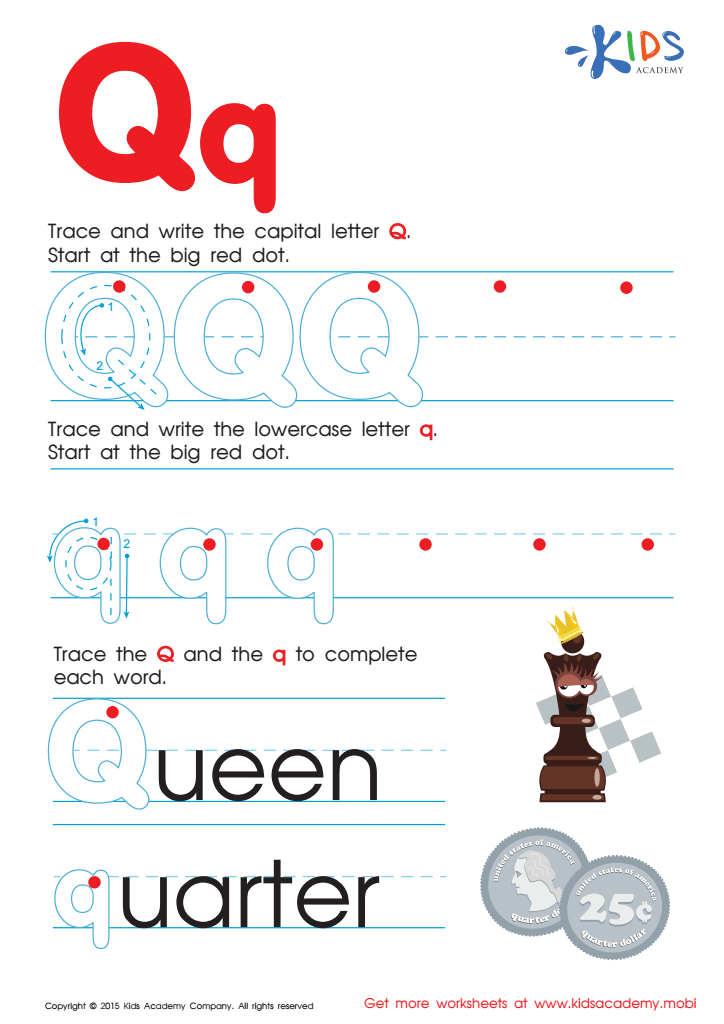
Letter Q Tracing Page

Letter H Tracing Page
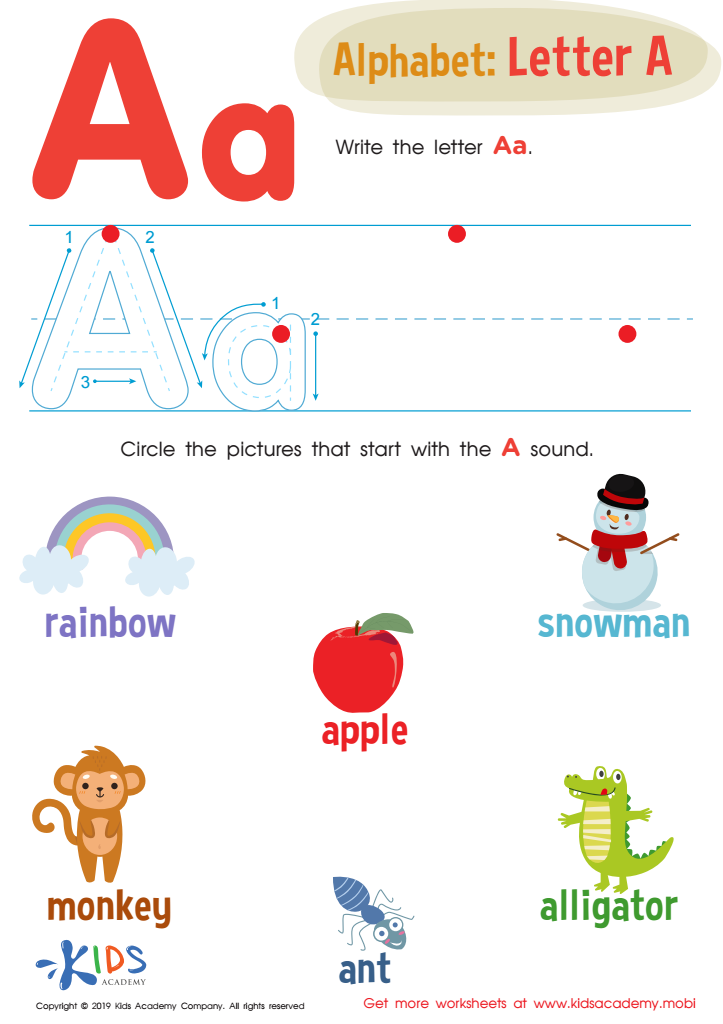
Letter A Tracing Worksheet
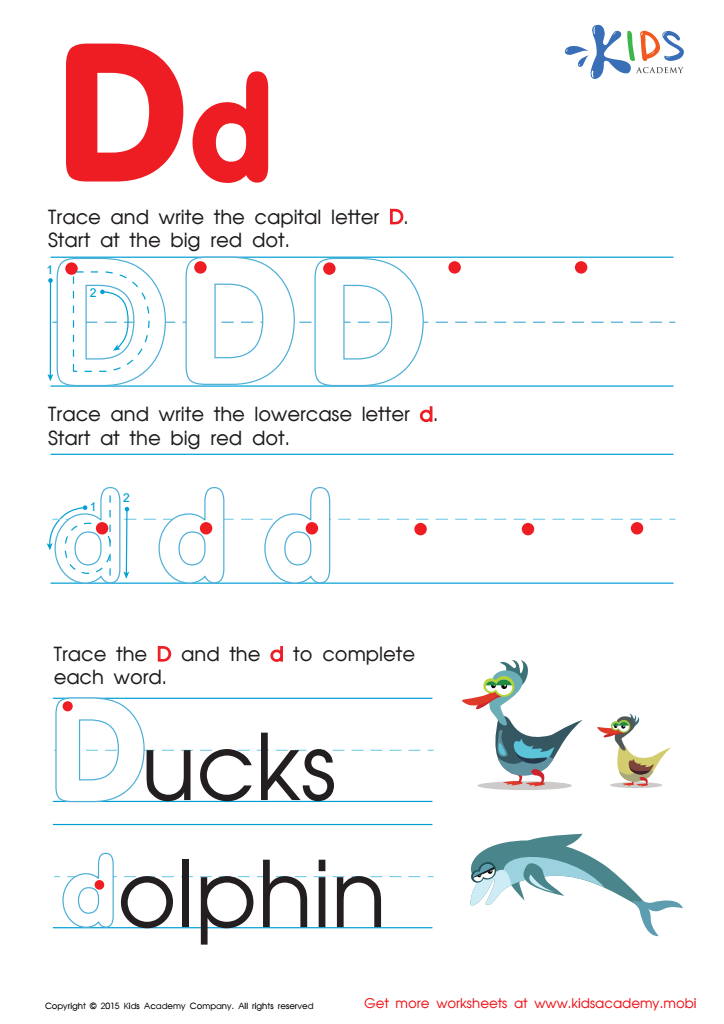
Letter D Tracing Page





Parents and teachers should prioritize alphabet tracing for kindergarten students as it significantly contributes to a child's early literacy development. Tracing letters helps young learners develop essential fine motor skills, which are crucial for writing. As children practice tracing each letter, they enhance their hand-eye coordination and dexterity, leading to improved writing ability as they progress.
Moreover, tracing letters reinforces the recognition of both uppercase and lowercase forms, helping children understand the alphabet's structure. This familiarity lays the groundwork for reading and spelling. Engaging in this type of practice also supports cognitive development, as children learn to associate sounds with letters, a fundamental aspect of phonemic awareness.
Additionally, tracing provides a gate into broader language experiences, as students often trace letters while connected to pictures or words. This interaction fosters vocabulary growth and comprehension. It can also be a delightful experience when combined with creative activities, boosting engagement and motivation.
By incorporating alphabet tracing into early education, parents and teachers help establish a strong foundation for children's literacy, promoting a love for learning. As they master these skills, they will feel more confident in their academic pursuits, setting the stage for lifelong literacy and learning success.