Problem-Solving Skills Normal Kindergarten Upper & Lowercase Letters Worksheets
3 filtered results
-
From - To
Enhance your child's cognitive development with our Problem-Solving Skills Normal Kindergarten Upper & Lowercase Letters Worksheets. These engaging and educational worksheets focus on helping children recognize and differentiate between uppercase and lowercase letters through fun activities. Perfect for kindergarteners, each sheet aims to strengthen early literacy skills by integrating problem-solving exercises that promote critical thinking and logical reasoning. With vibrant illustrations and creative challenges, these worksheets are an excellent tool for both classroom use and home learning. Give your child the foundational skills they need for academic success and a love of learning!
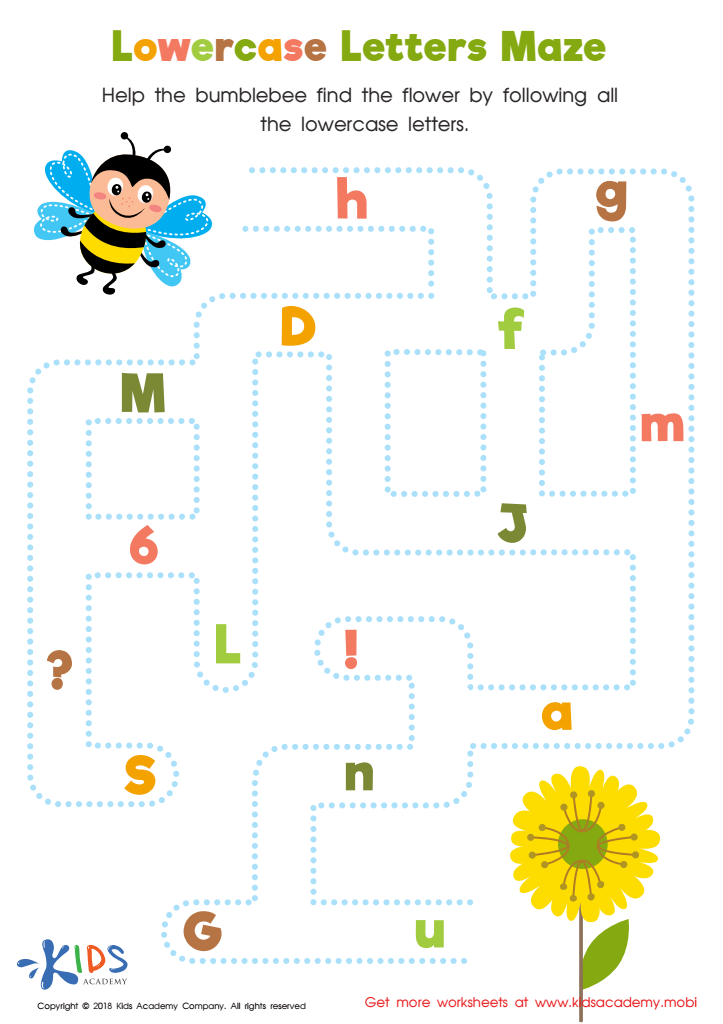
Lowercase Letters Maze Worksheet
 Assign to My Students


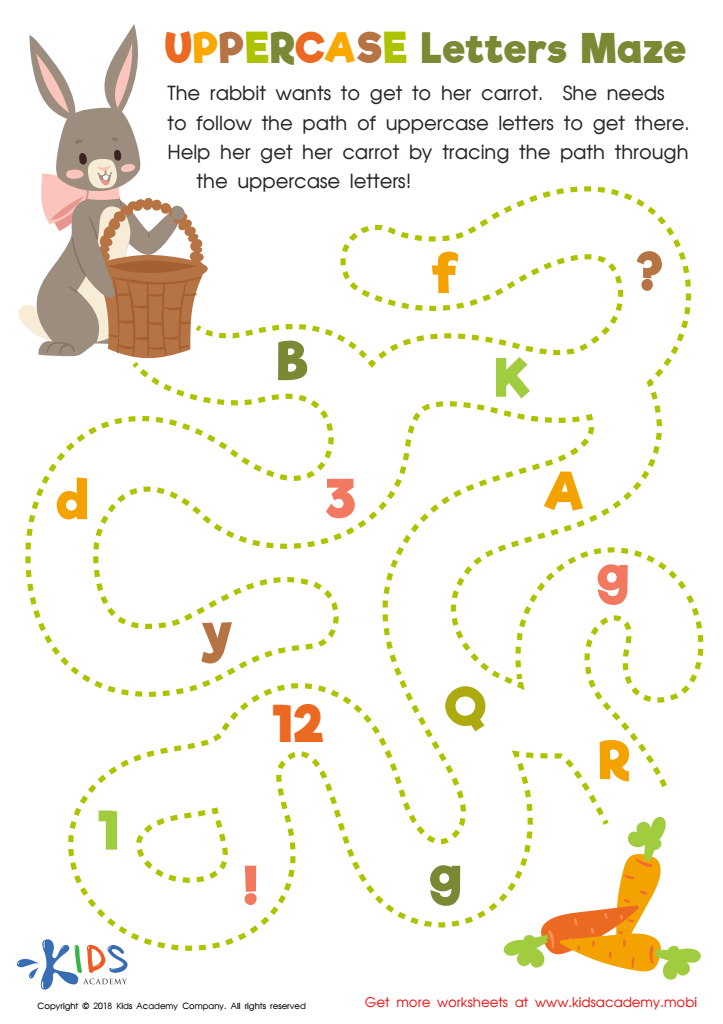
Uppercase Letters Maze Worksheet
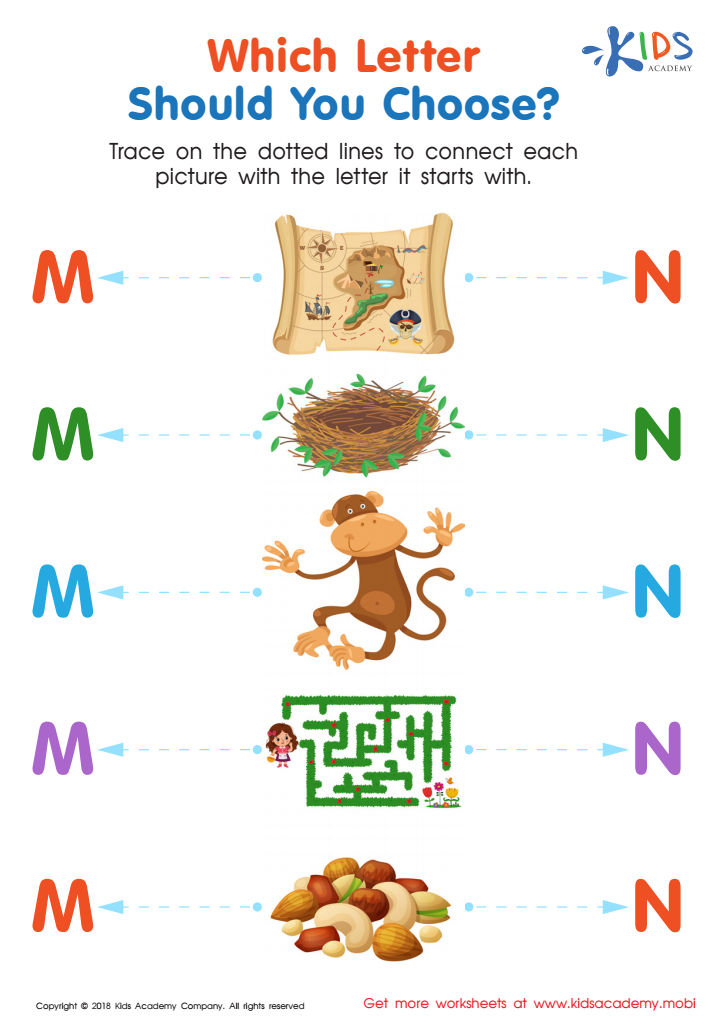
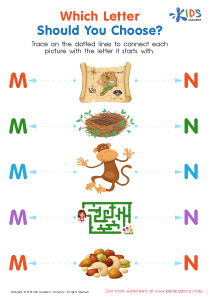
Which Letter Should you Choose? Worksheet





Problem-solving skills at the kindergarten level are crucial for young children's cognitive and social development. These skills enable children to think critically, make decisions, and overcome challenges, paving the way for future academic and personal success. Early introduction to problem-solving encourages children to approach tasks methodically and creatively.
Learnining upper and lowercase letters is foundational in developing problem-solving skills. As children distinguish between these letter forms, they enhance their attention to details, practice visual discrimination, and strengthen their memory. For example, recognizing that "B" and "b" represent the same sound but appear differently helps children with tasks that require analysis and synthesis, key components of problem-solving.
Moreover, possessing knowledge of both uppercase and lowercase letters supports early reading and writing, which are significant for effective communication. When children begin writing, they learn to correctly apply lower and uppercase letters. This accuracy is critical not just for clear written communication, but also for interpreting written instructions and engaging with more complex texts in later years.
Parents and teachers who prioritize problem-solving skills and the mastery of upper and lowercase letters provide children with a robust foundation. These elements collectively support cognitive development, literacy enhancement, and emotional resilience, preparing children for more advanced challenges in their educational journey.