Visual discrimination skills Normal Kindergarten Upper & Lowercase Letters Worksheets
4 filtered results
-
From - To
Enhance your kindergarteners' visual discrimination skills with our engaging worksheets focused on uppercase and lowercase letters! Designed to support early literacy development, these printable resources help young learners differentiate between similar-looking letters. Through fun and interactive activities, students strengthen their recognition abilities, building a solid foundation for reading and writing. Our user-friendly worksheets cater to various learning styles, ensuring every child can enjoy the process while developing vital cognitive skills. Whether at home or in the classroom, these resources provide the perfect opportunity to reinforce letter recognition and foster a love for learning. Start your child's educational journey today!
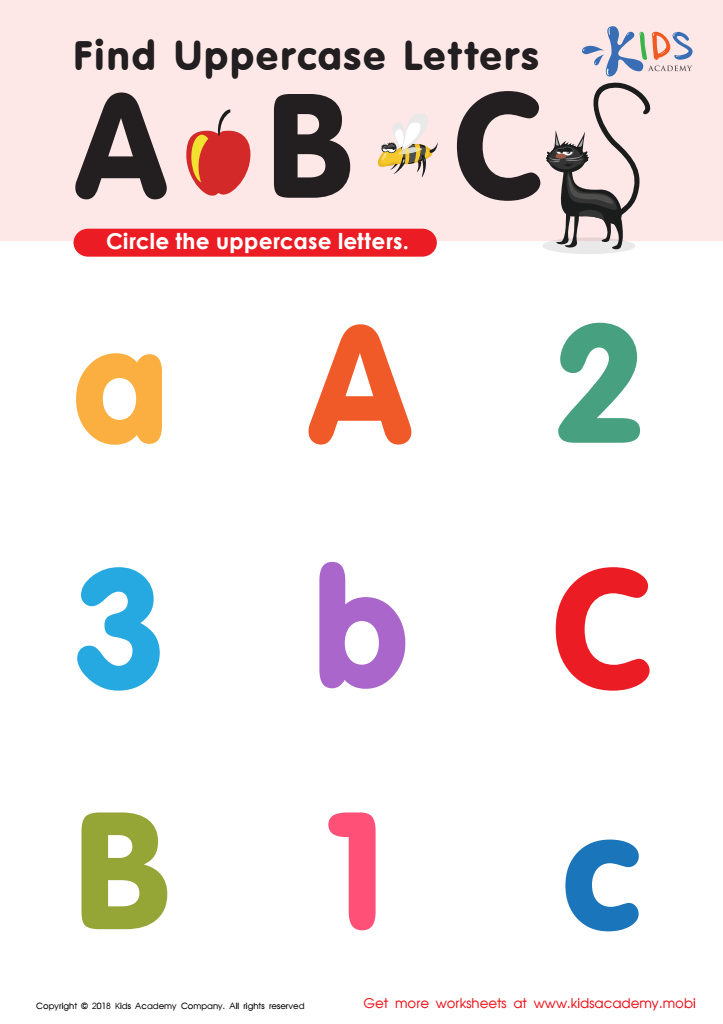
Find Uppercase Letters A, B, and C Worksheet
 Assign to My Students
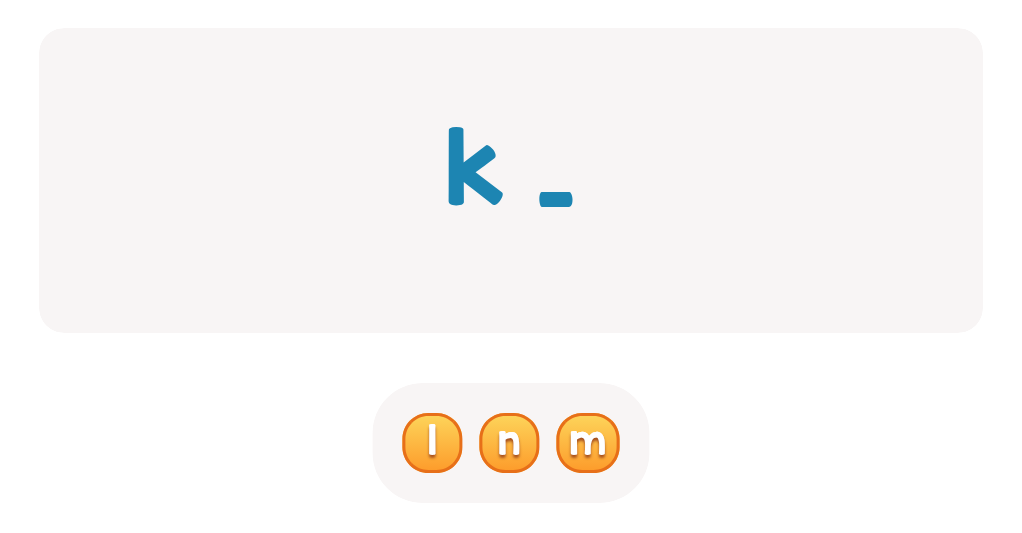








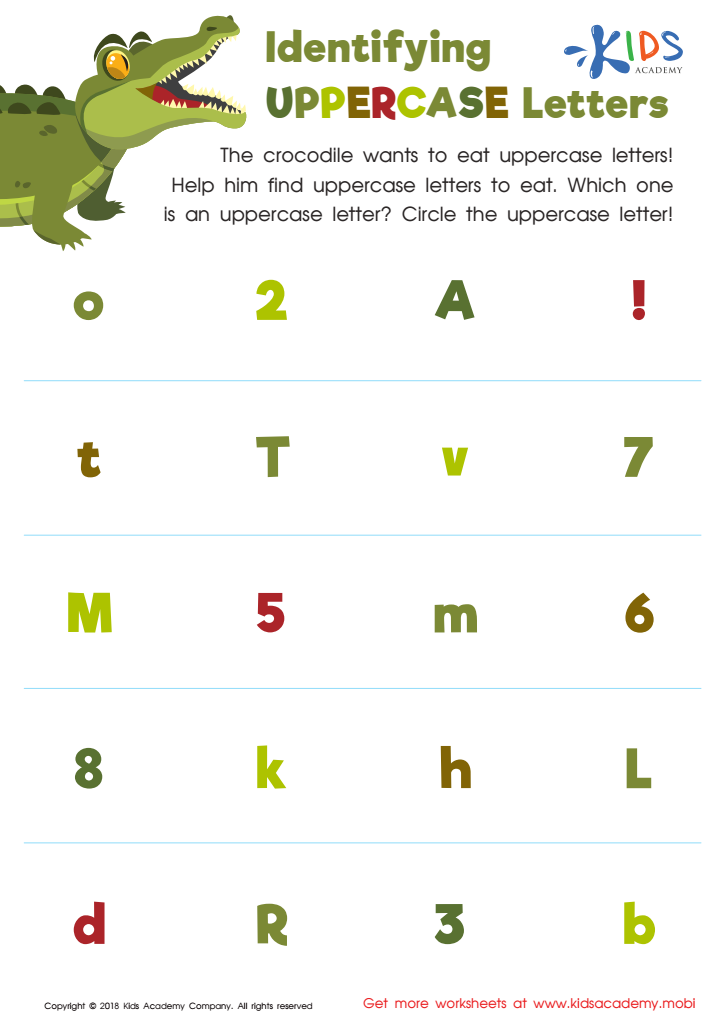
Identifying Uppercase Letters Worksheet
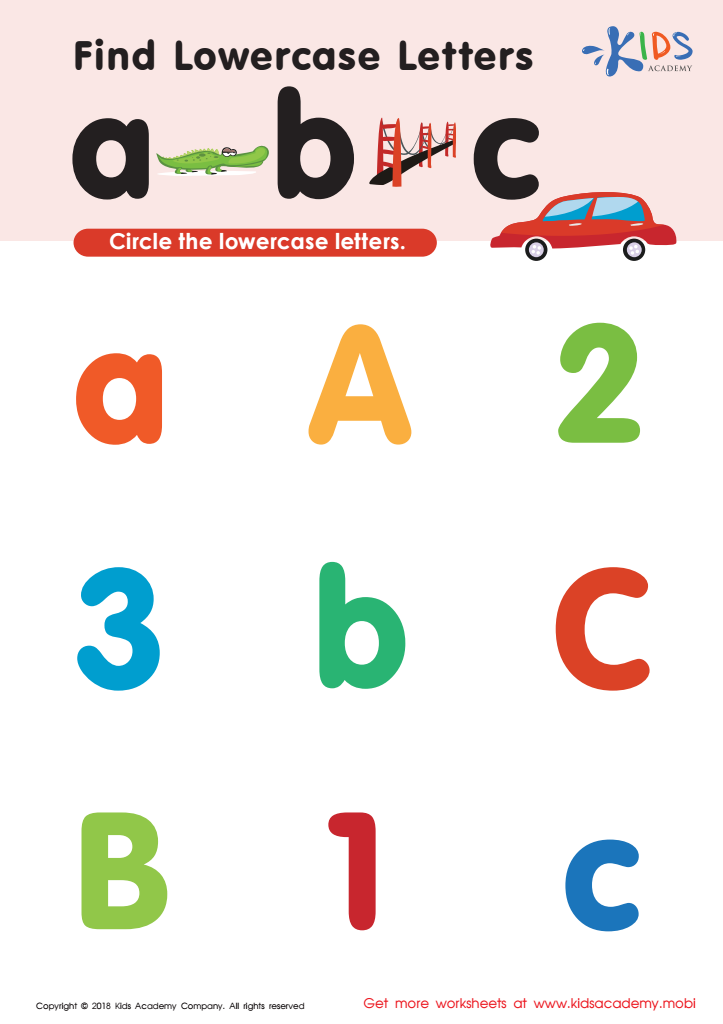
Find lowercase letters a b c Worksheet
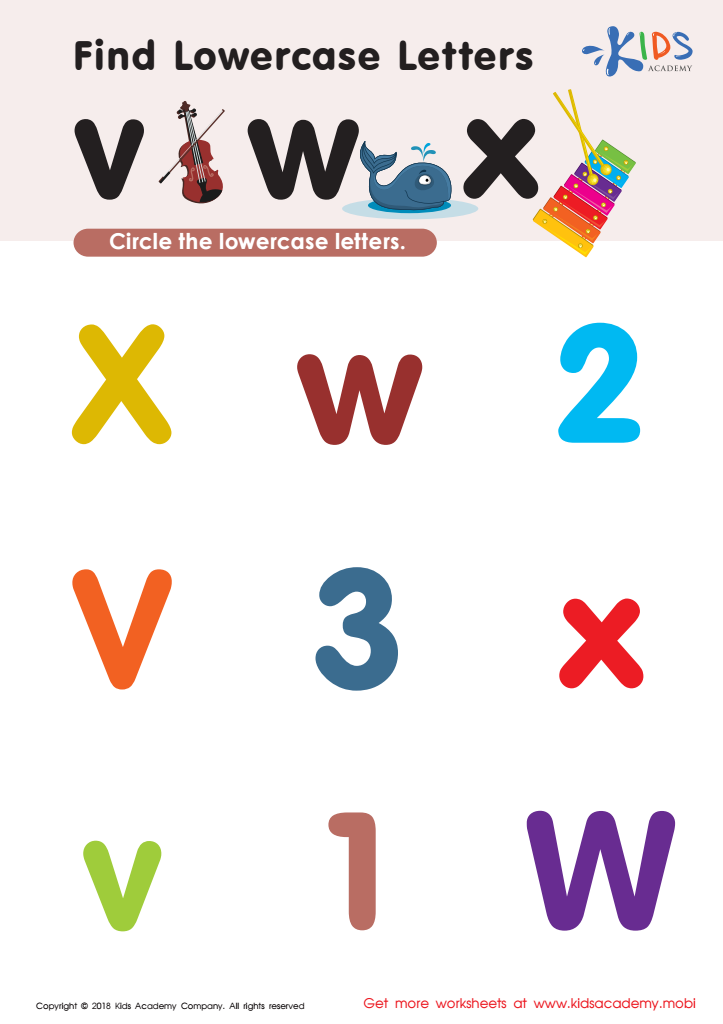
Find Lowercase Letters v w x Worksheet





Visual discrimination skills are crucial for young learners, particularly in a kindergarten setting where children are first introduced to letters. These skills enable children to notice and differentiate between various visual elements, such as the distinct shapes and forms of uppercase and lowercase letters. When students develop strong visual discrimination abilities, they can identify letters accurately, which lays the groundwork for reading and writing.
For parents and teachers, fostering these skills is vital because they directly impact literacy development. Children who struggle to distinguish between similar letters, like 'b' and 'd' or 'p' and 'q', may face challenges in reading fluency and spelling proficiency. Early intervention through focused activities—such as letter sorting games, visual matching tasks, and hands-on letter crafts—can significantly enhance these skills.
Moreover, helping children master visual discrimination fosters confidence and a love for learning. When children feel capable of recognizing and using letters effectively, they're more likely to engage positively with reading materials. Therefore, both parents and teachers play an essential role in nurturing these foundational skills, paving the way for children's lifelong learning journeys. By prioritizing the development of visual discrimination, they are equipping children with the necessary tools for academic success.