Alphabetical order understanding Normal Kindergarten English for Beginners Worksheets
3 filtered results
-
From - To
Enhance your child's literacy skills with our "Alphabetical Order Understanding" worksheets, specially designed for kindergarten beginners. Our engaging, easy-to-follow activities introduce young learners to the basics of alphabetical order in a fun and interactive way. Through colorful illustrations and age-appropriate exercises, children will grasp the concept of arranging words and letters sequentially. These worksheets are perfect for ESL students, promoting both language acquisition and organization skills. By using these resources, you'll help your child develop essential reading and writing skills while building their confidence in English. Explore our collection to make learning both effective and enjoyable!
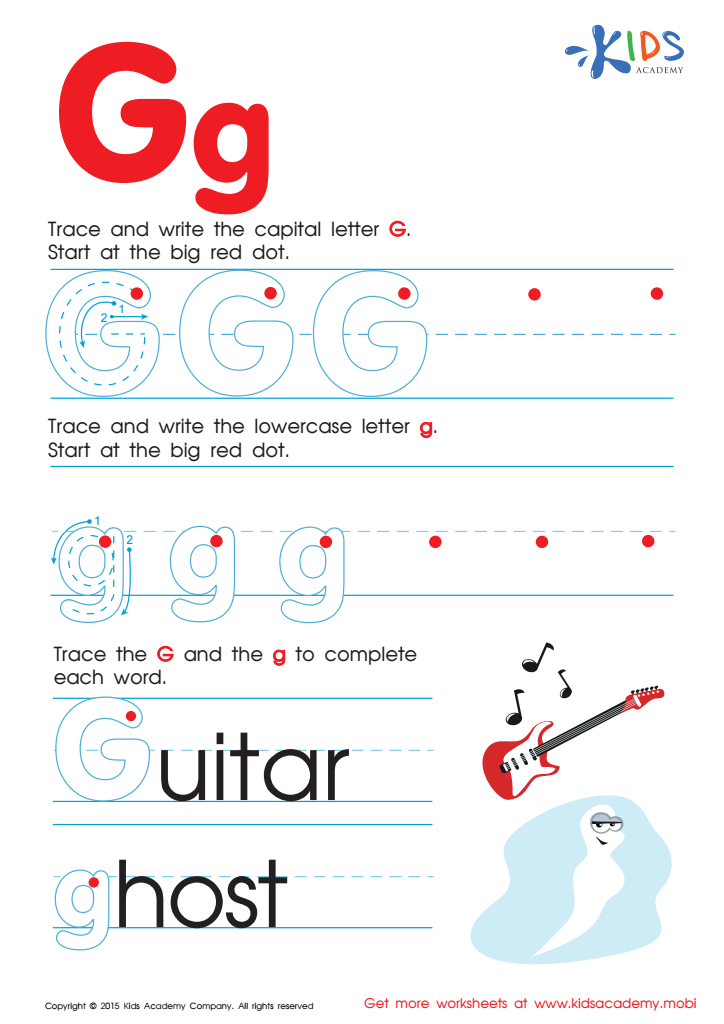
Letter G Tracing Page
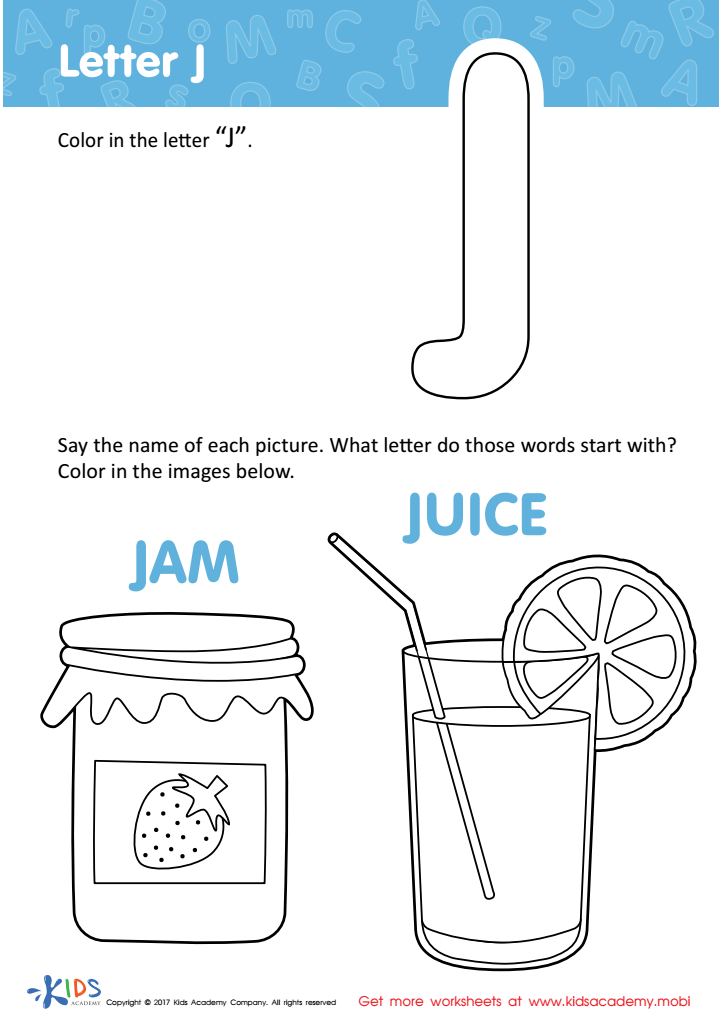
Letter J Coloring Sheet
 Assign to My Students
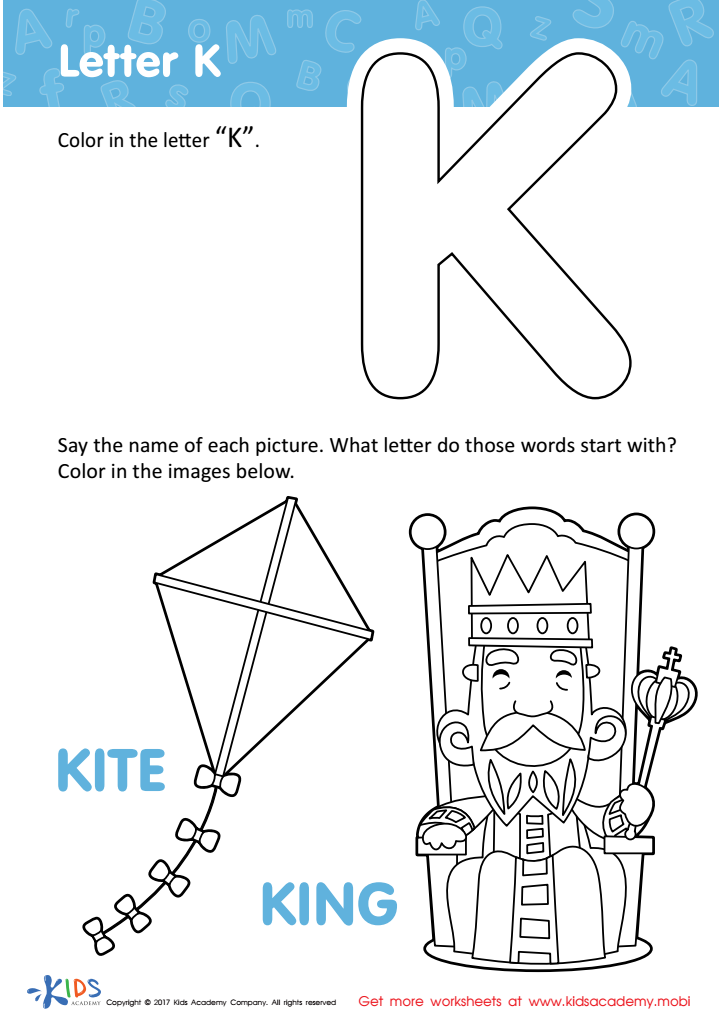
Letter K Coloring Sheet
Assign to My Students



Understanding alphabetical order is foundational for young learners in kindergarten, significantly impacting their literacy development and cognitive skills. Firstly, it promotes phonemic awareness—helping children recognize and manipulate sounds. As they learn the alphabet and its sequence, they become more adept at identifying letters and associating them with sounds, which is crucial for reading and writing.
Moreover, alphabetical order aids in vocabulary acquisition. Children who understand the sequence can successfully navigate dictionaries, ensures, and glossaries, enriching their word-banking and comprehension skills. This knowledge fosters independence, as students become comfortable finding new words, exploring unfamiliar texts, and developing research skills.
Furthermore, learning alphabetical order enhances organizational skills. It teaches children to categorize and arrange information, an essential ability for school assignments and studying.
For both parents and teachers, fostering an understanding of this concept prepares children for future academic success. Strong foundational skills in literacy pave the way for improved reading fluency, comprehension, and confidence. Overall, alphabetizing knowledge offers critical advantages in communication and learning that extend well beyond kindergarten, reinforcing its importance for early education.