Fine Motor Skills Normal Kindergarten English for Beginners Worksheets - Page 2
31 filtered results
-
From - To
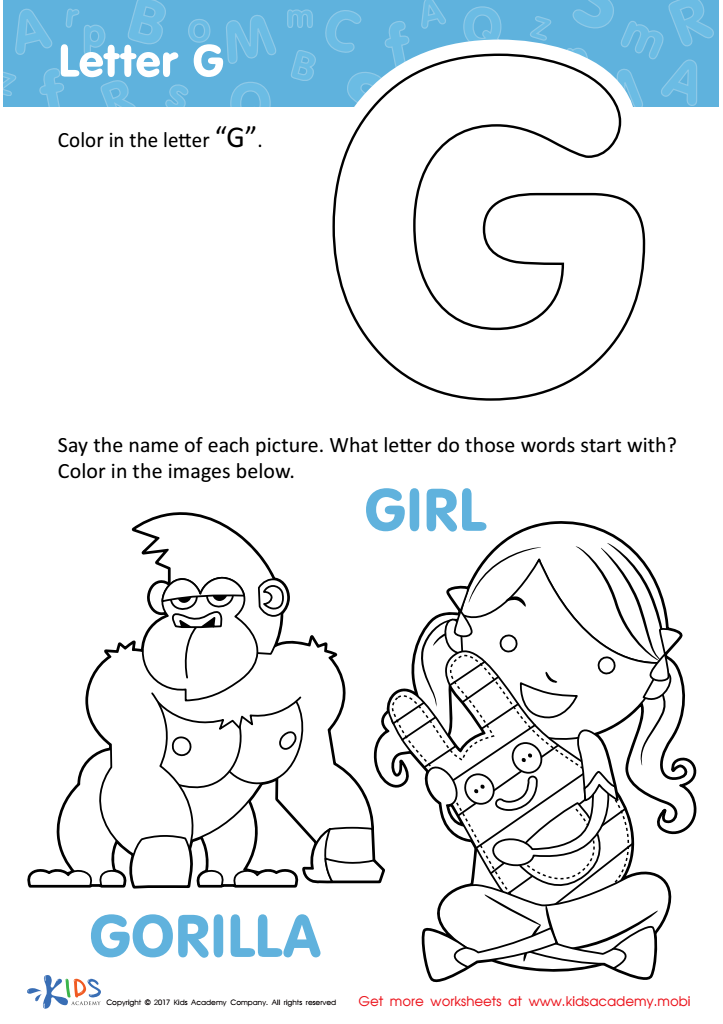
Letter G Coloring Sheet
 Assign to My Students
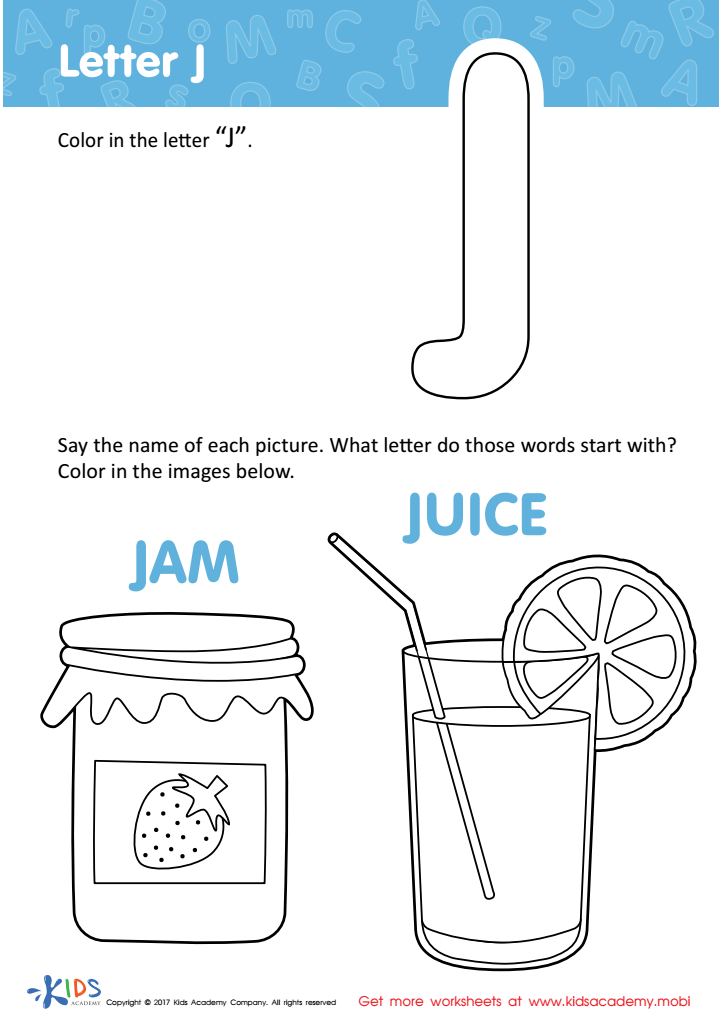
Letter J Coloring Sheet
Assign to My Students
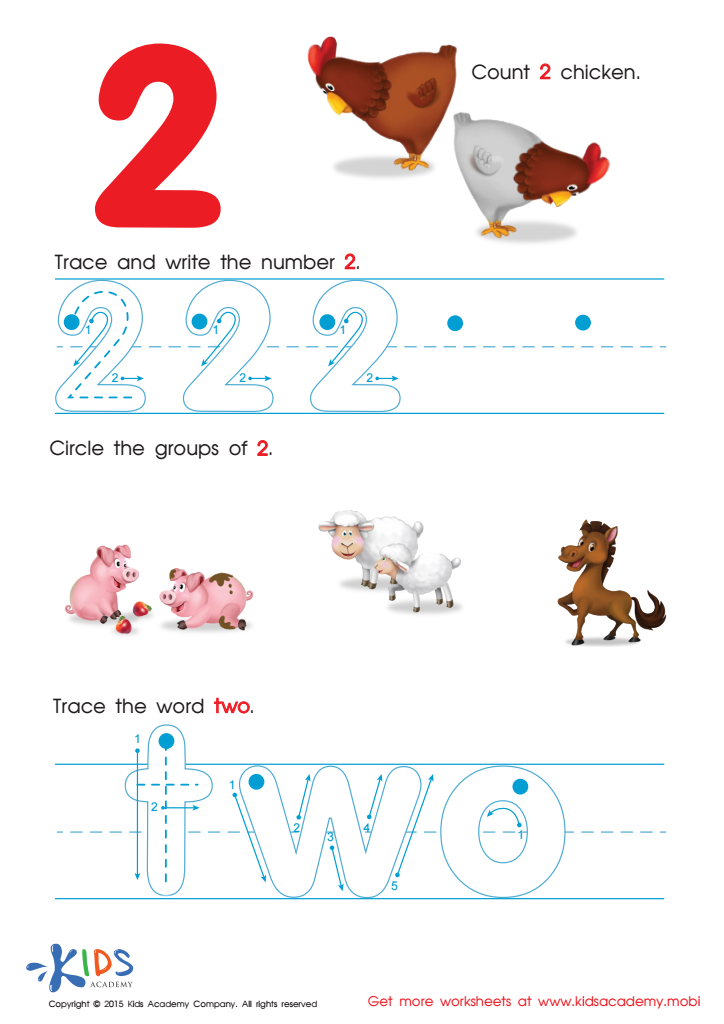
Learn to Write the Number 2 Worksheet
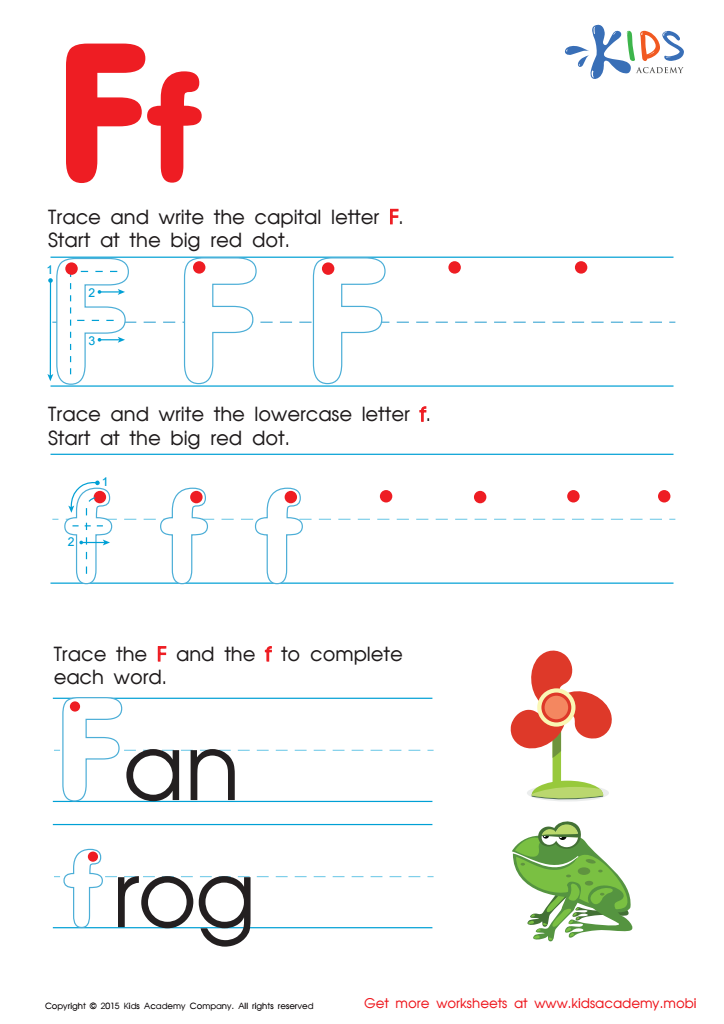
Letter F Tracing Page
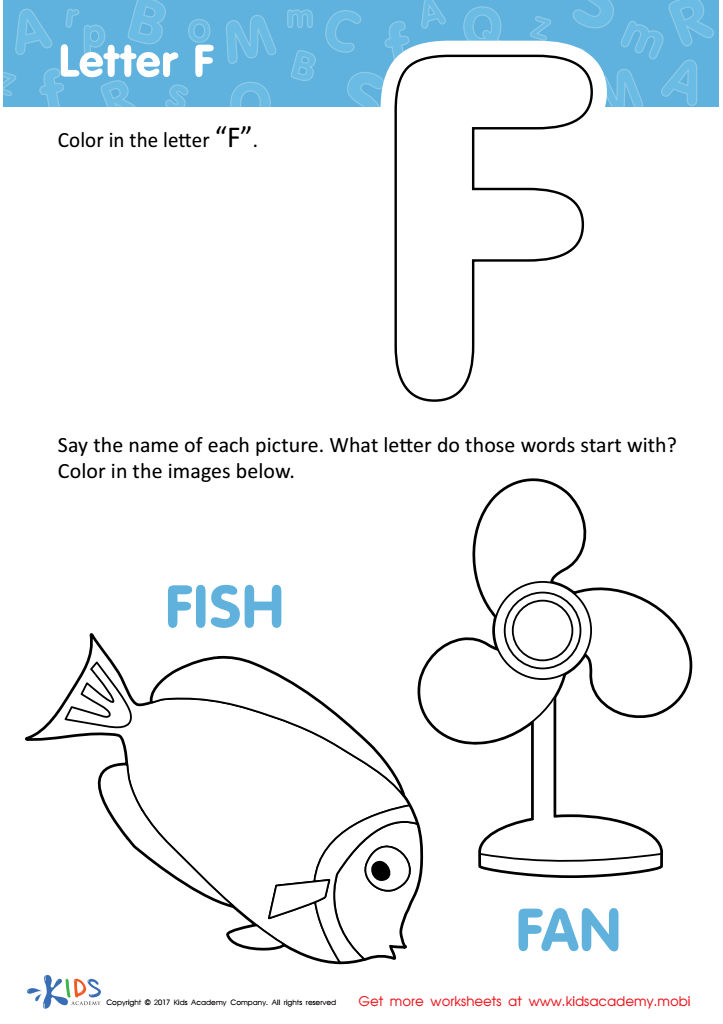
Letter F Coloring Sheet
Assign to My Students
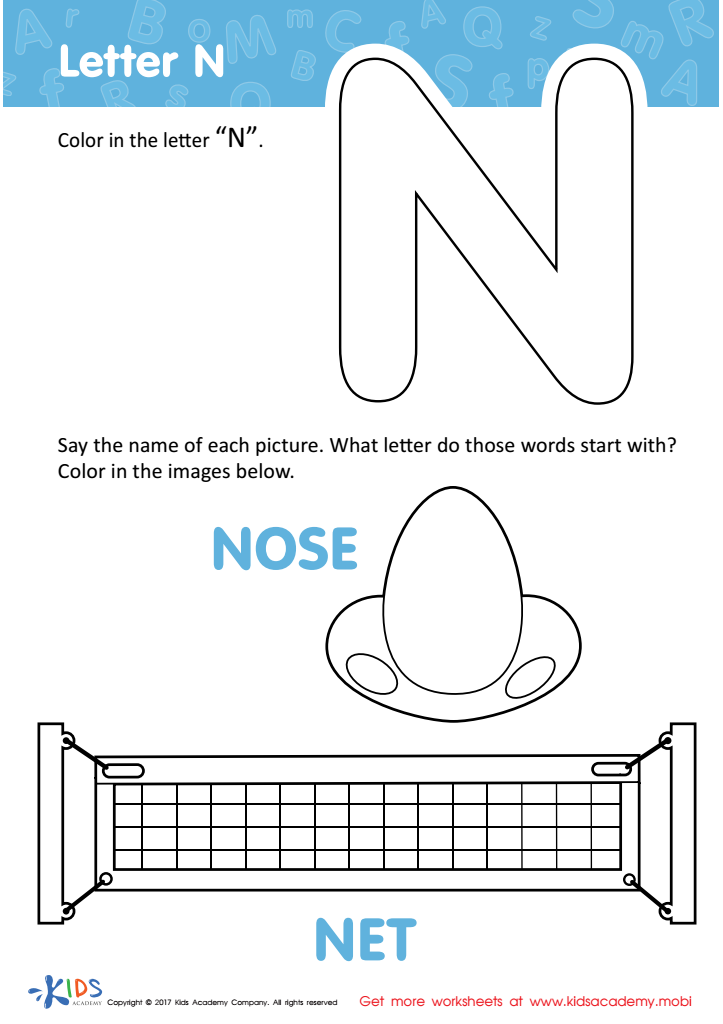
Letter N Coloring Sheet
Assign to My Students

Letter D Tracing Page



Fine motor skills are essential for children, particularly in kindergarten, as they lay the foundation for a range of important tasks. These skills involve the coordination of small muscles in the hands and fingers, enabling children to perform activities such as holding a pencil, cutting with scissors, and tying shoelaces. For parents and teachers, promoting fine motor skills in early education can enhance a child's ability to participate in classroom activities and develop confidence in their own abilities.
Engaging in activities that strengthen fine motor skills, such as drawing, playing with clay, or completing simple puzzles, not only supports hand-eye coordination but also boosts cognitive development. Children who have well-developed fine motor skills are often better equipped to handle everyday tasks and find success in more complex academic challenges as they progress through school.
Furthermore, fostering these skills can also have a positive impact on literacy and numeracy. For example, good pencil grip aids in the development of writing skills, while manipulating small objects can enhance counting and sorting tasks. Overall, when parents and teachers prioritize fine motor skill development, they equip children with the tools they need for lifelong learning and success.