Handwriting practice Normal Kindergarten English for Beginners Worksheets - Page 2
26 filtered results
-
From - To
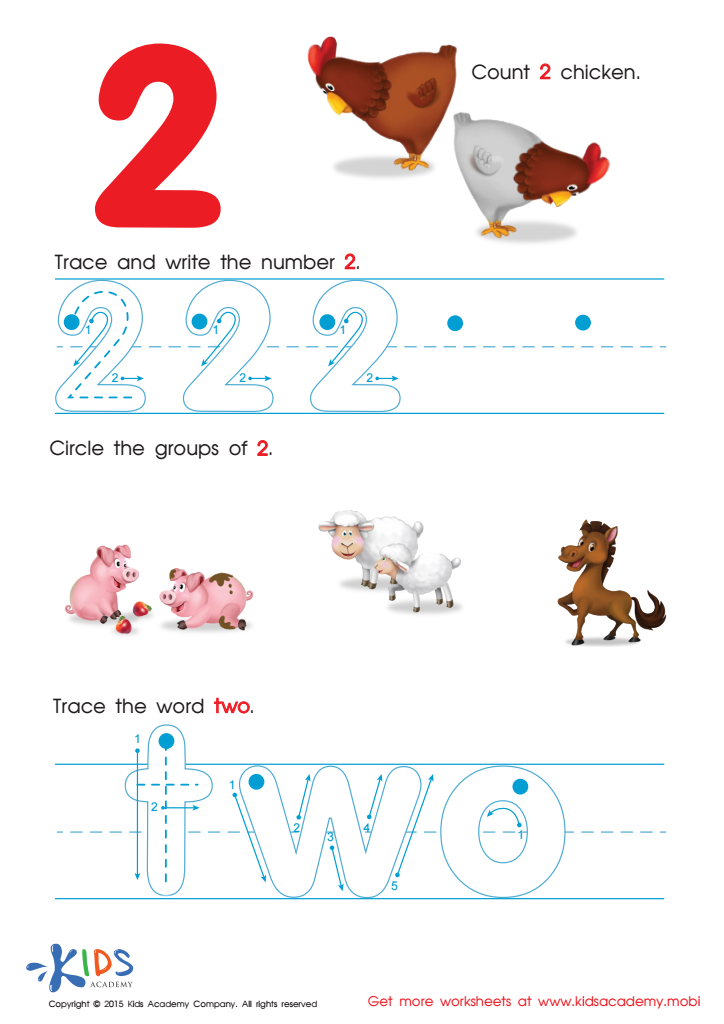
Learn to Write the Number 2 Worksheet
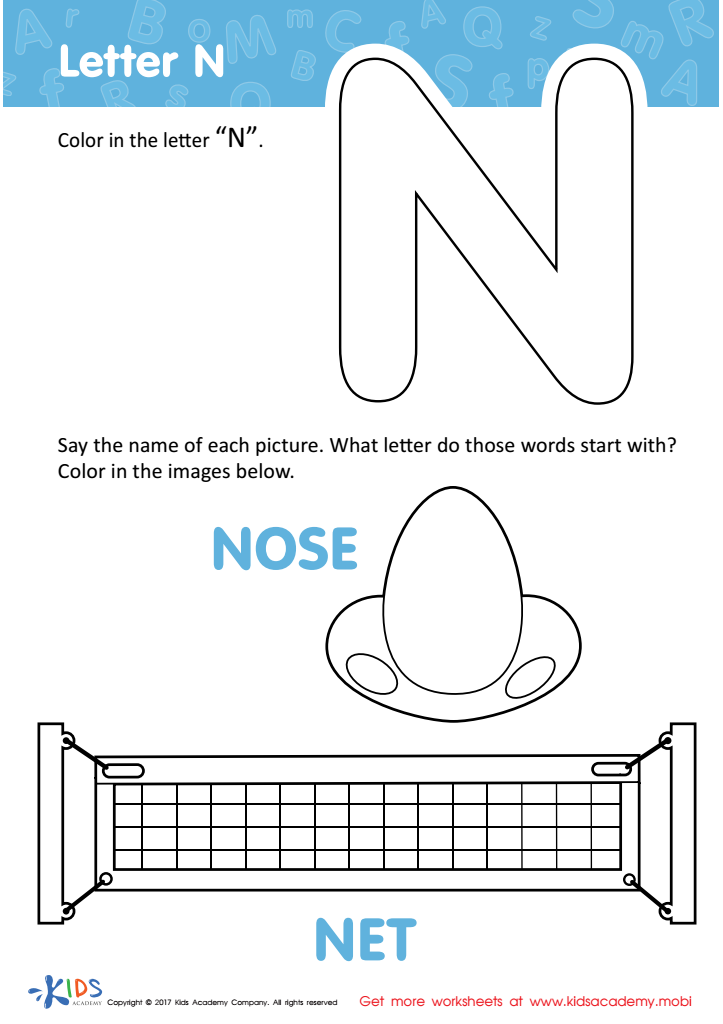
Letter N Coloring Sheet
 Assign to My Students



Handwriting practice in kindergarten is crucial for English beginners as it forms the foundation for all future academic and personal communication skills. Firstly, handwriting activities enhance fine motor skills. Young children develop hand-eye coordination and muscle strength through the careful movements involved in forming letters, which are essential for various tasks beyond writing, such as using utensils or tying shoelaces.
Secondly, handwriting practice promotes literacy. As children learn to write, they simultaneously begin to recognize letters, understand phonics, and build a robust vocabulary. Forming each letter helps solidify their understanding of how sounds correspond to written language, establishing a critical connection for reading readiness.
Furthermore, fine penmanship fosters cognitive development. The process of writing by hand engages the brain more deeply than typing, encouraging better memory retention, problem-solving abilities, and focus. It also provides a kinesthetic mode of learning that complements auditory and visual methods, catering to various learning styles.
Finally, handwriting practice instills a sense of accomplishment and confidence in young learners. As children master writing skills, they gain pride in their work, which motivates them to pursue further learning with eagerness and perseverance. In conclusion, handwriting practice in kindergarten isn't just about pen and paper; it shapes essential life skills, enhances learning, and enriches personal development.