Alphabet Recognition Normal Kindergarten Worksheets
40 filtered results
-
From - To
Discover our engaging Alphabet Recognition Normal Kindergarten Worksheets designed to enhance early literacy skills in young learners. These colorful and interactive worksheets provide essential practice in identifying and mastering letters, fostering a love for reading and writing. Perfect for classroom or at-home use, our content aligns with educational standards and motivates children through a variety of activities, including tracing, coloring, and matching exercises. Each worksheet is tailored to build confidence and foundational skills in letter recognition. Support your child's learning journey and watch them thrive as they explore the world of letters with our effective and enjoyable resources!
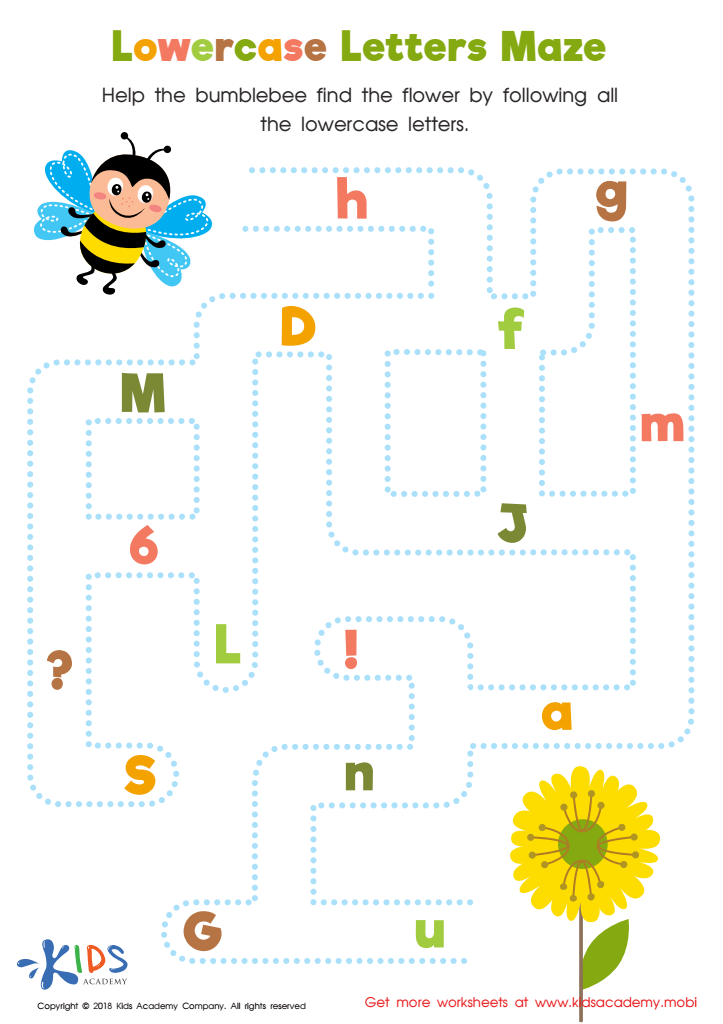
Lowercase Letters Maze Worksheet
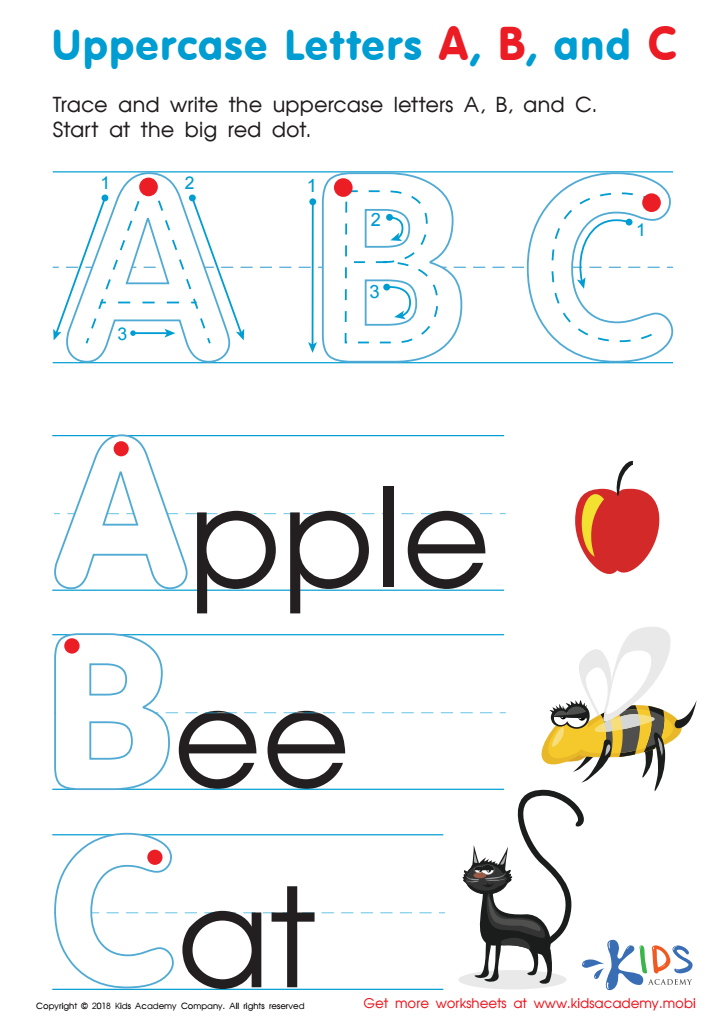
Uppercase Letters A, B, and C Worksheet
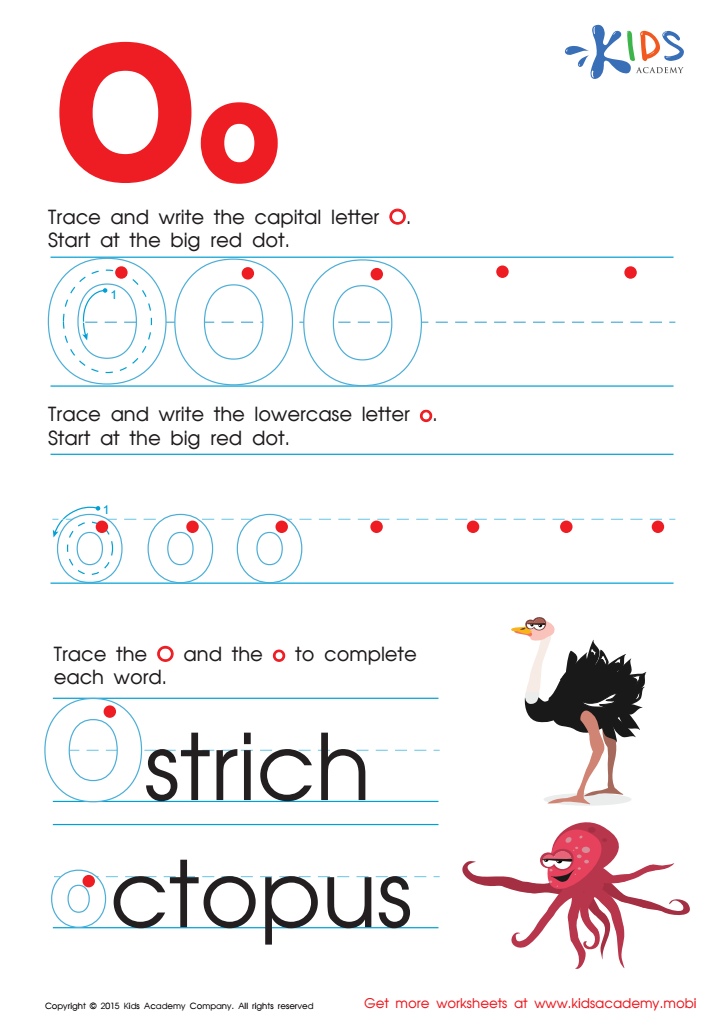
Letter O Tracing Page
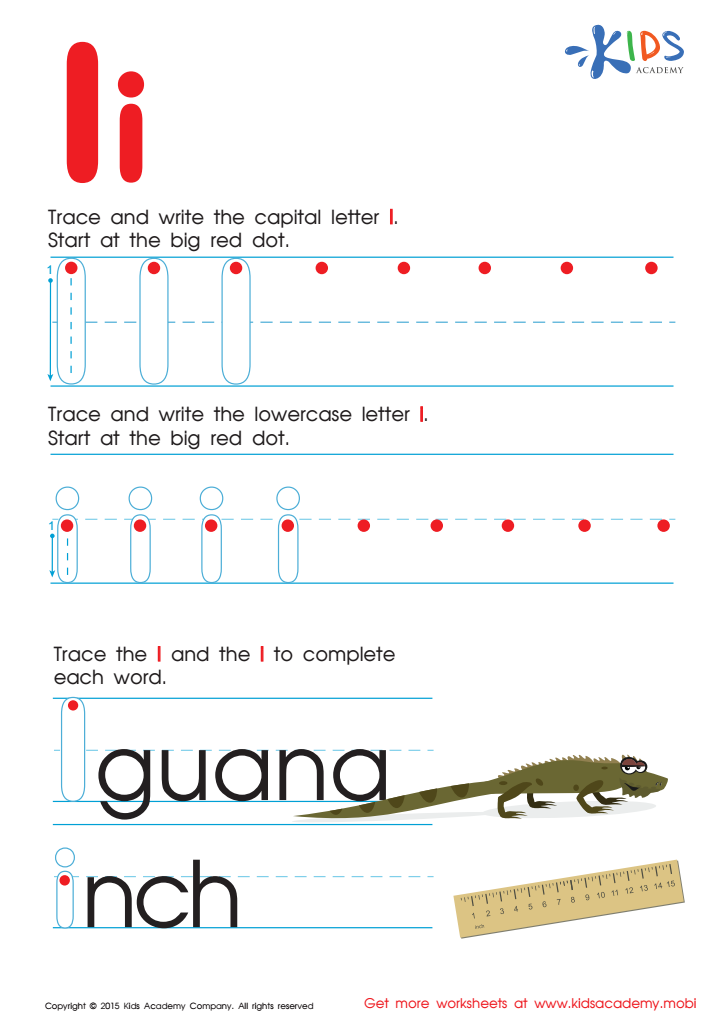
Letter I Tracing Page
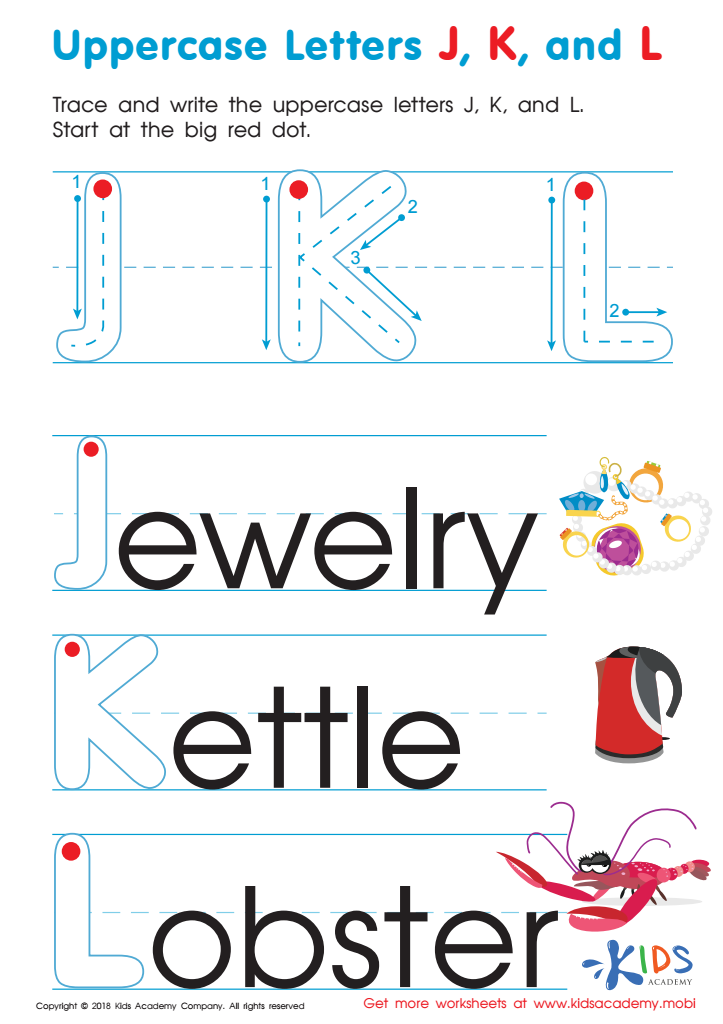
Uppercase Letters J, K, and L Worksheet
Letter B Coloring Sheet
 Assign to My Students
Letter A Coloring Sheet
Assign to My Students
Letter M Coloring Sheet
Assign to My Students
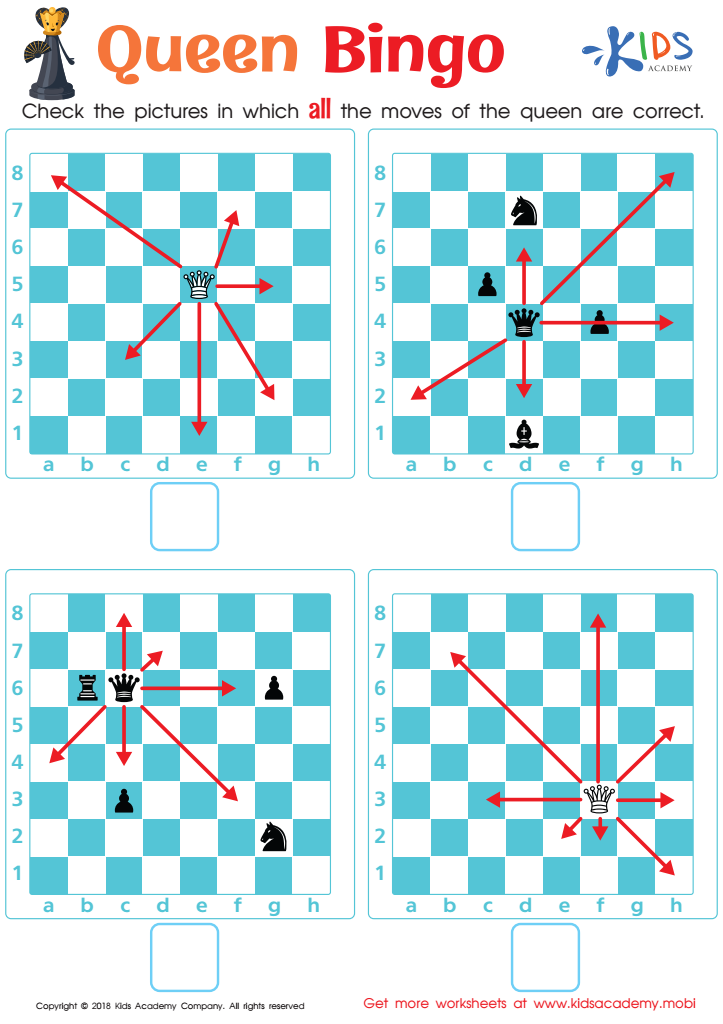
Queen Bingo Worksheet
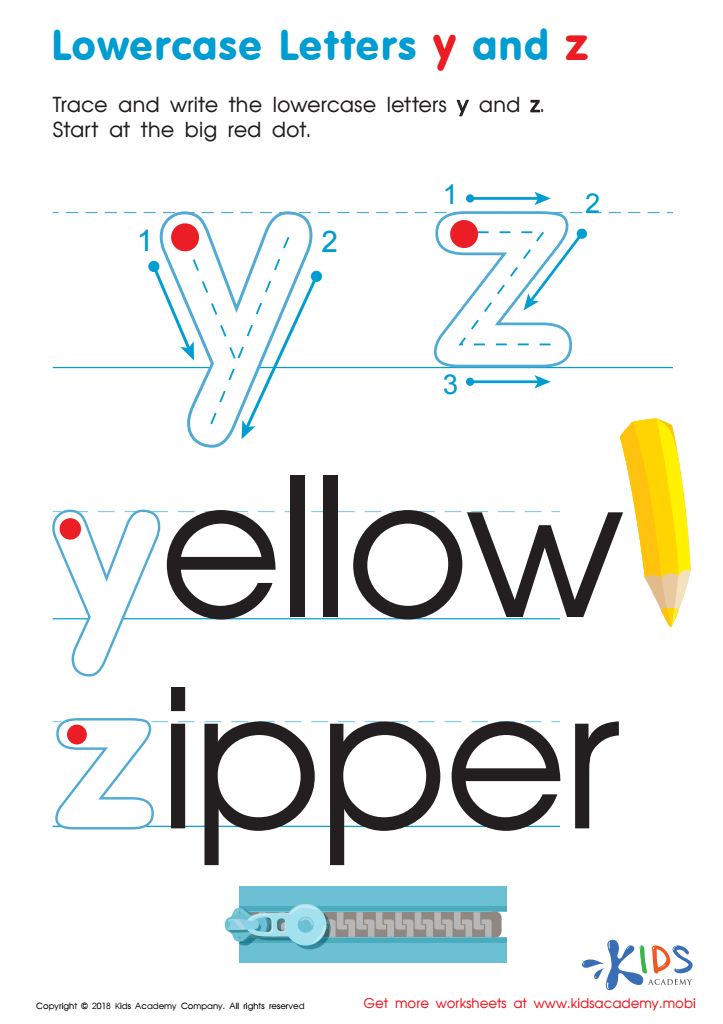
Lowercase Letters y z Worksheet
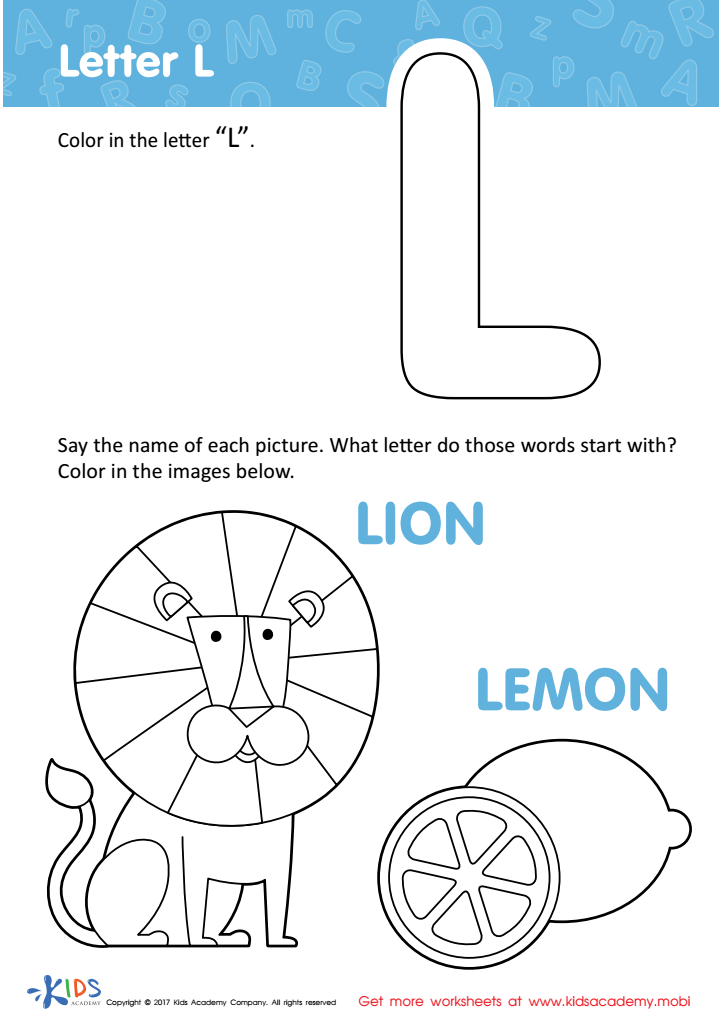
Letter L Coloring Sheet
Assign to My Students

Letter C Tracing Page
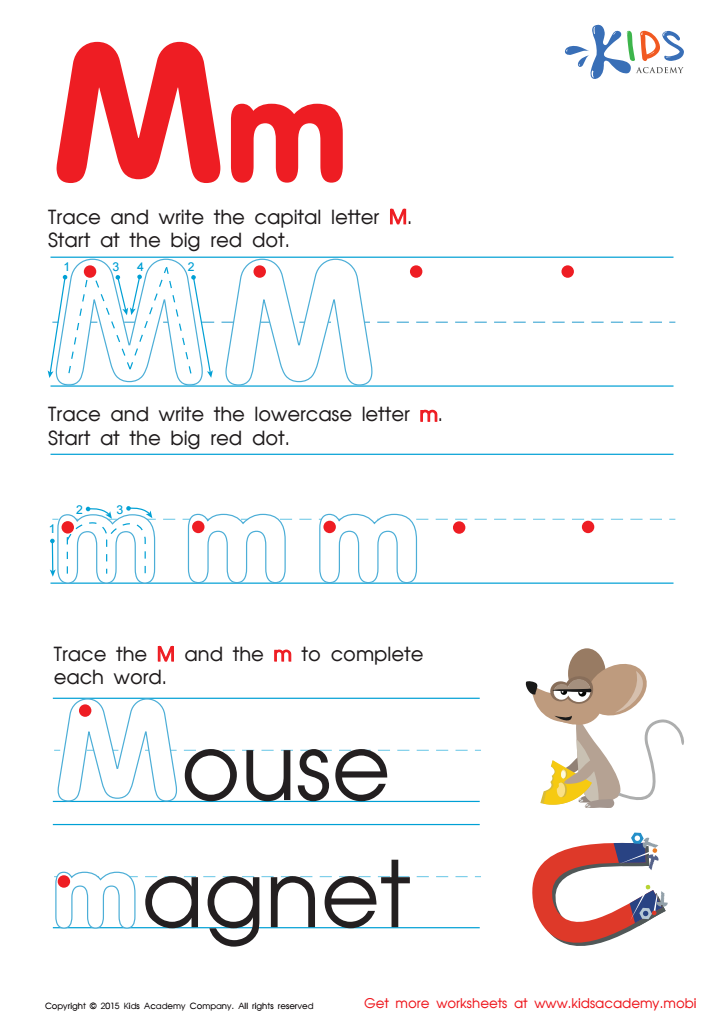
Letter M Tracing Page
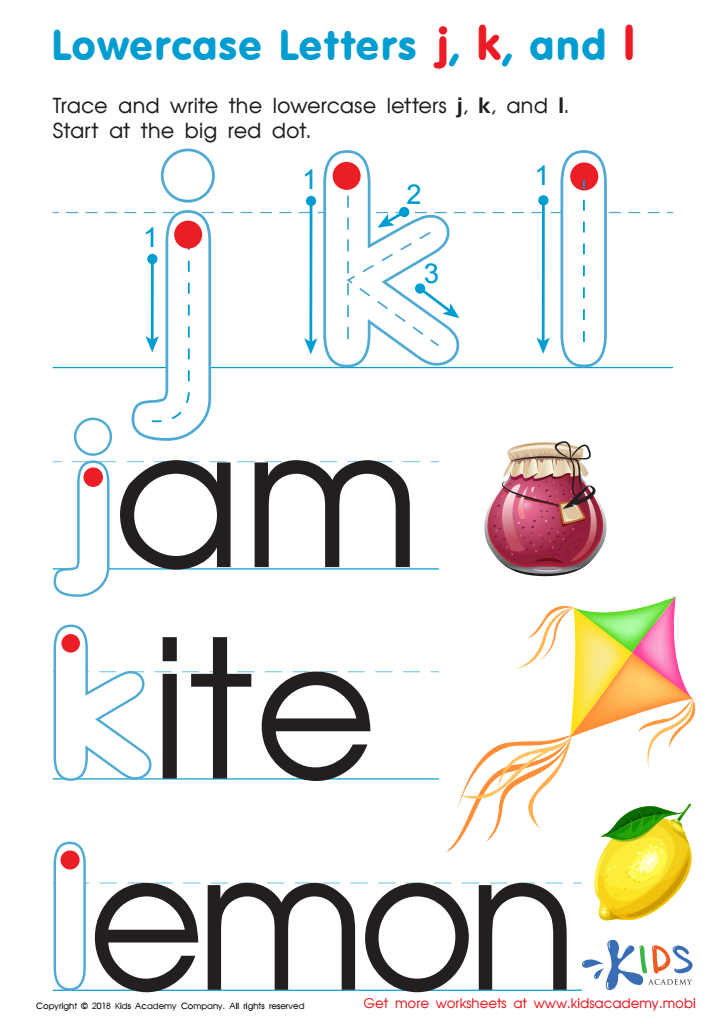
Lowercase Letters j k l Worksheet
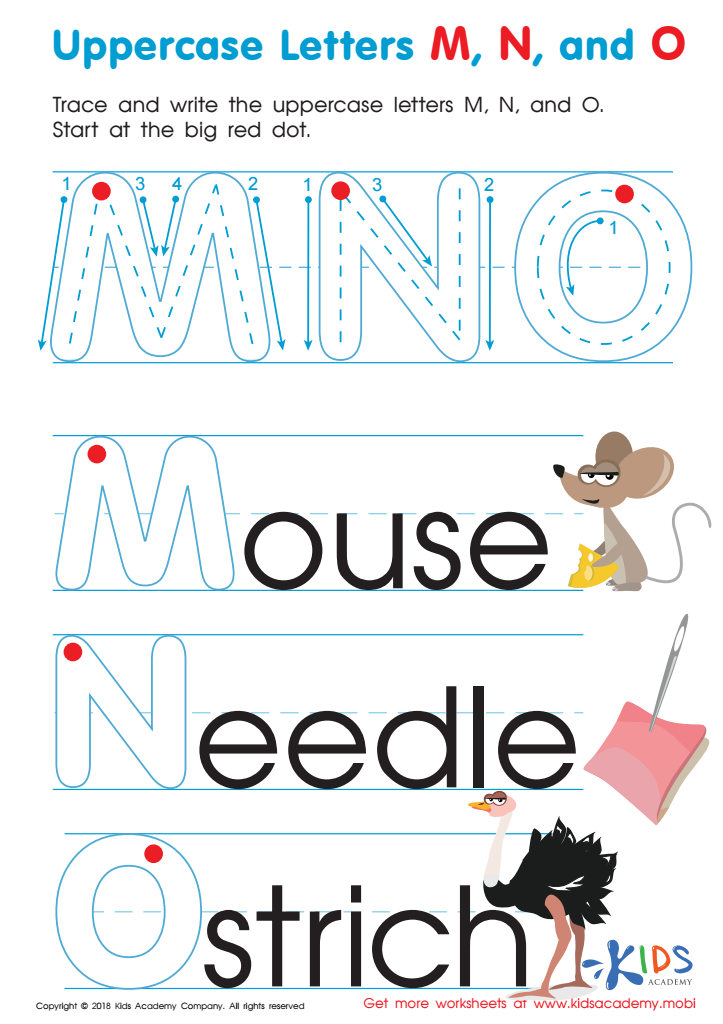
Uppercase Letters M, N, and O Worksheet
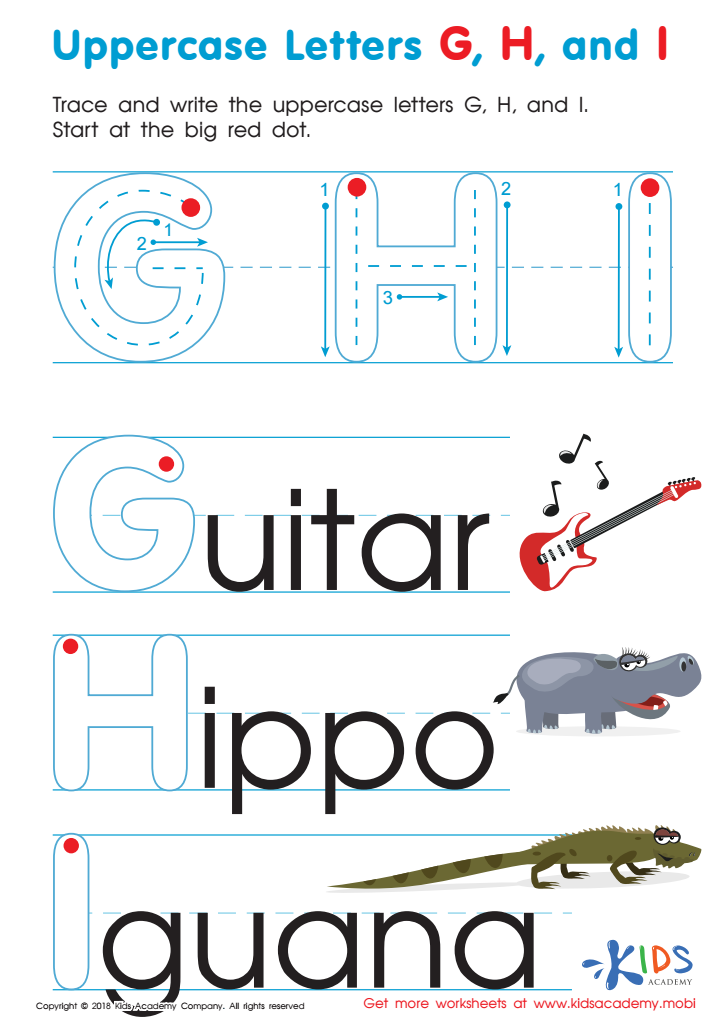
Uppercase Letters G, H, and I Worksheet
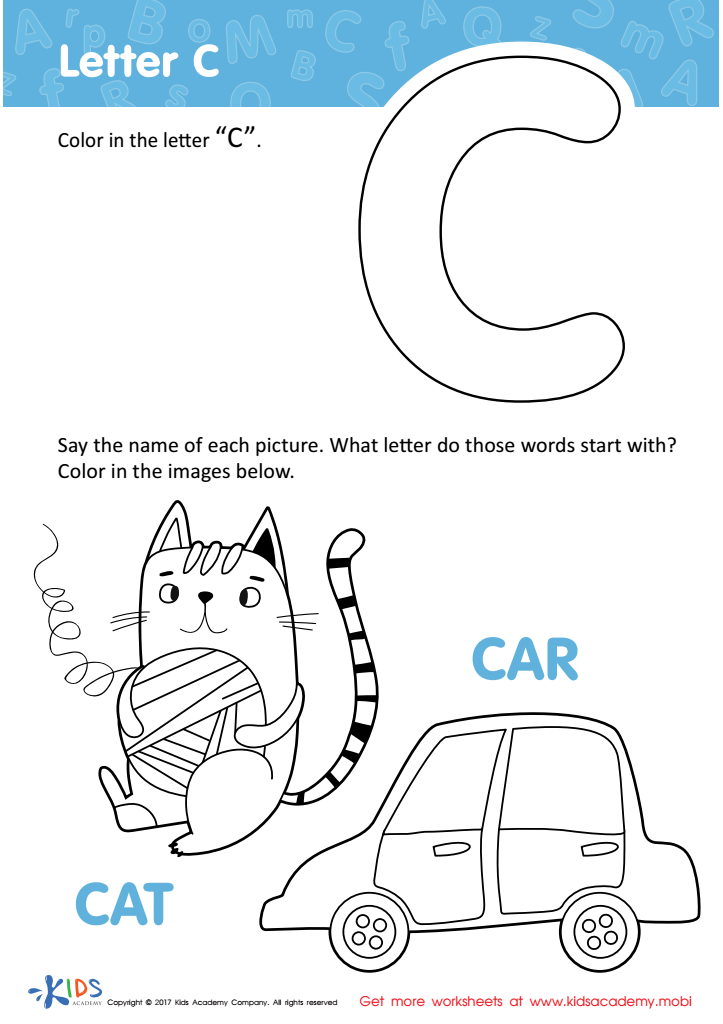
Letter C Coloring Sheet
Assign to My Students
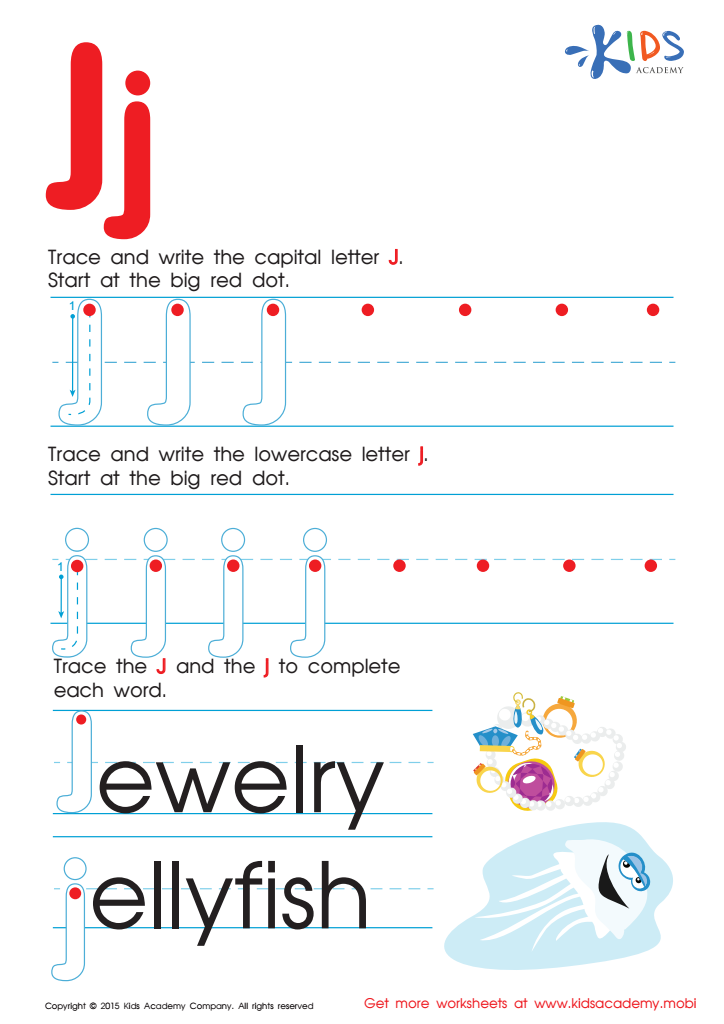
Letter J Tracing Page
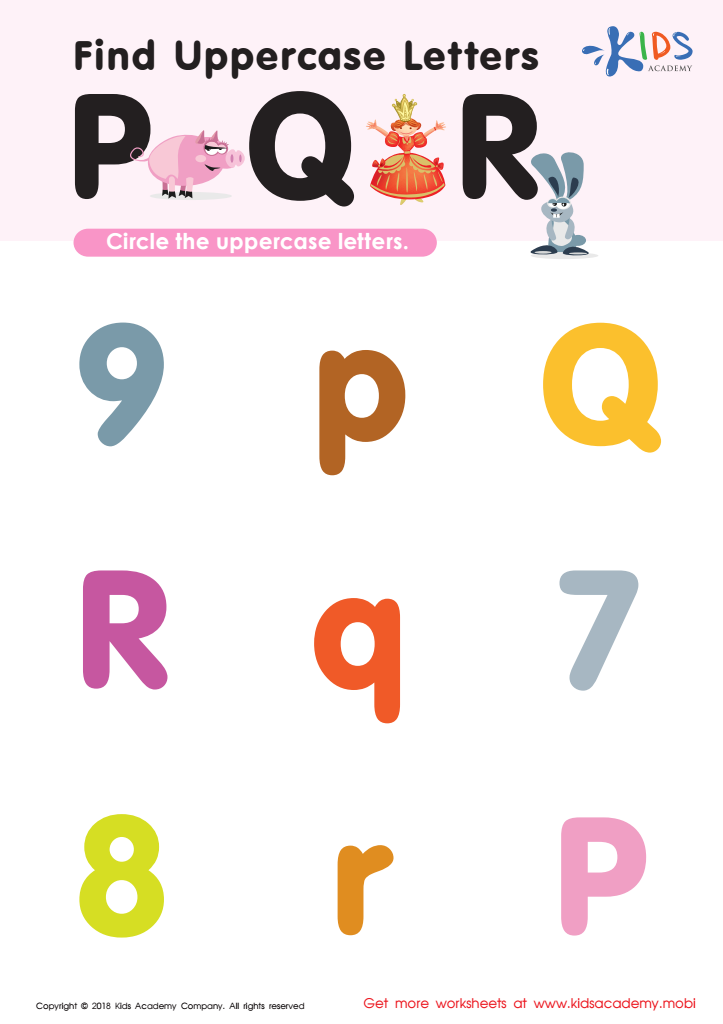
Find Uppercase Letters P, Q, and R Worksheet
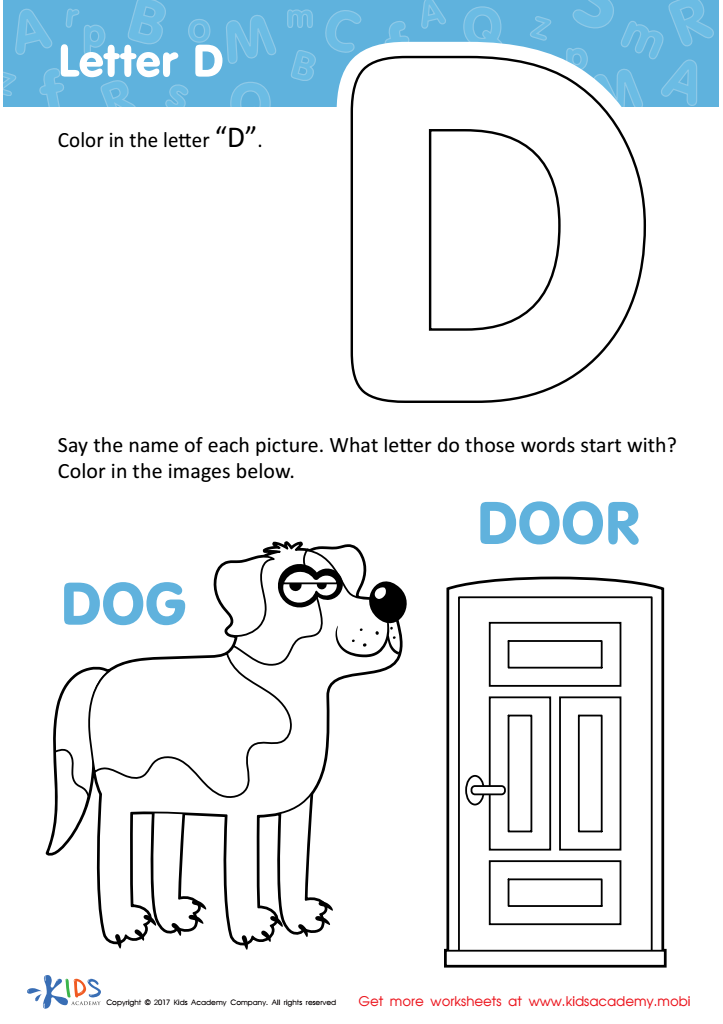
Letter D Coloring Sheet
Assign to My Students
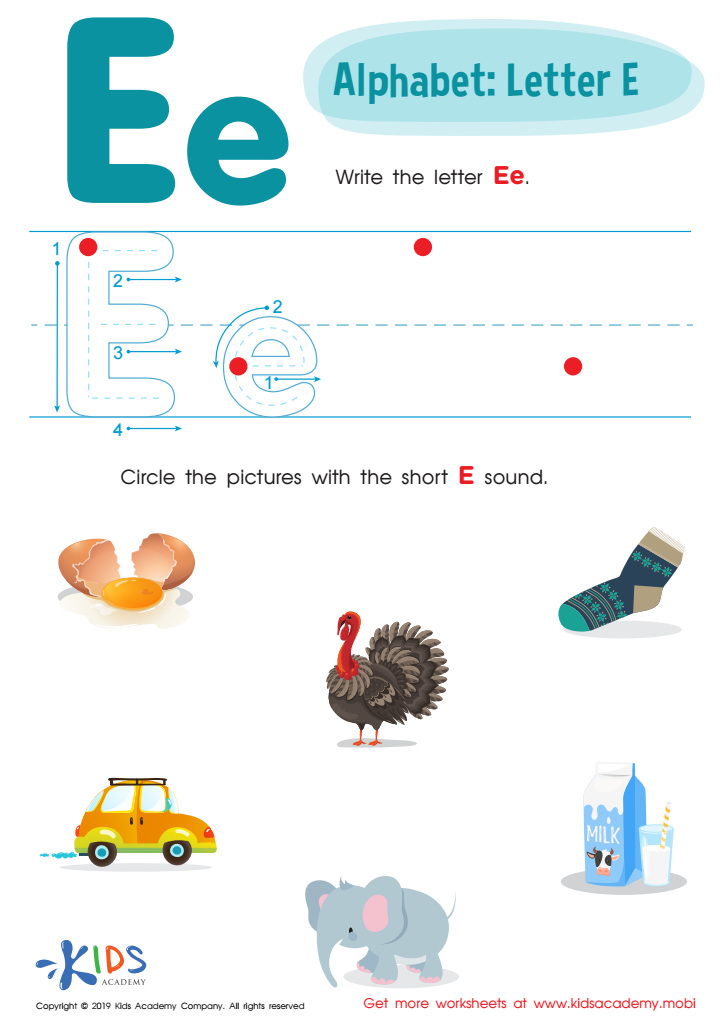
Letter E Tracing Worksheet
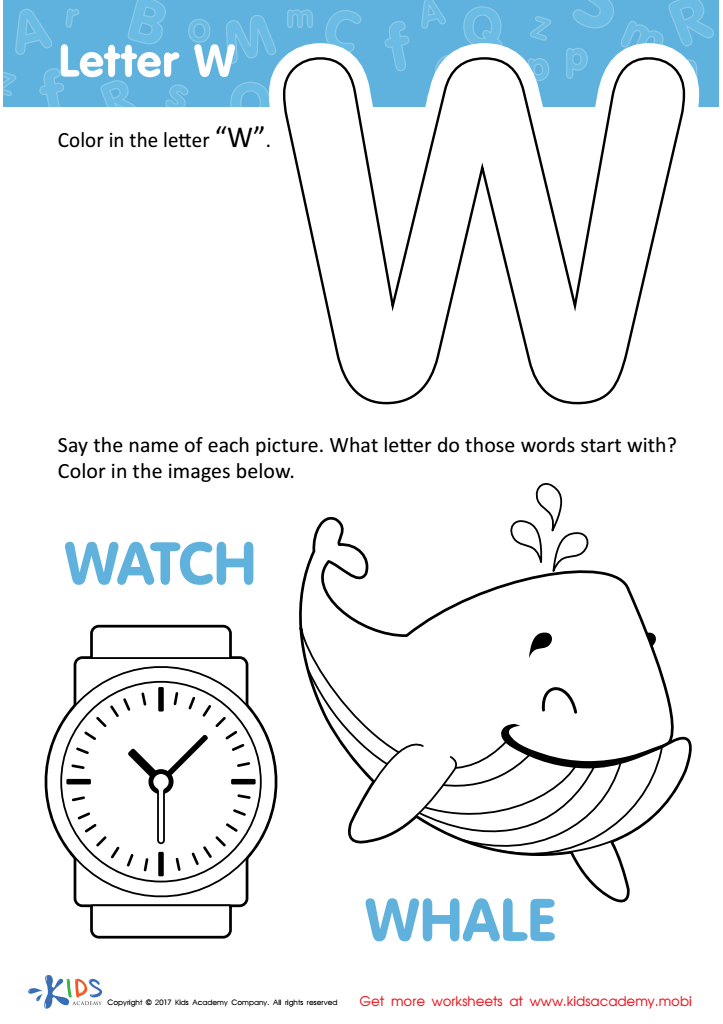
Letter W Coloring Sheet
Assign to My Students
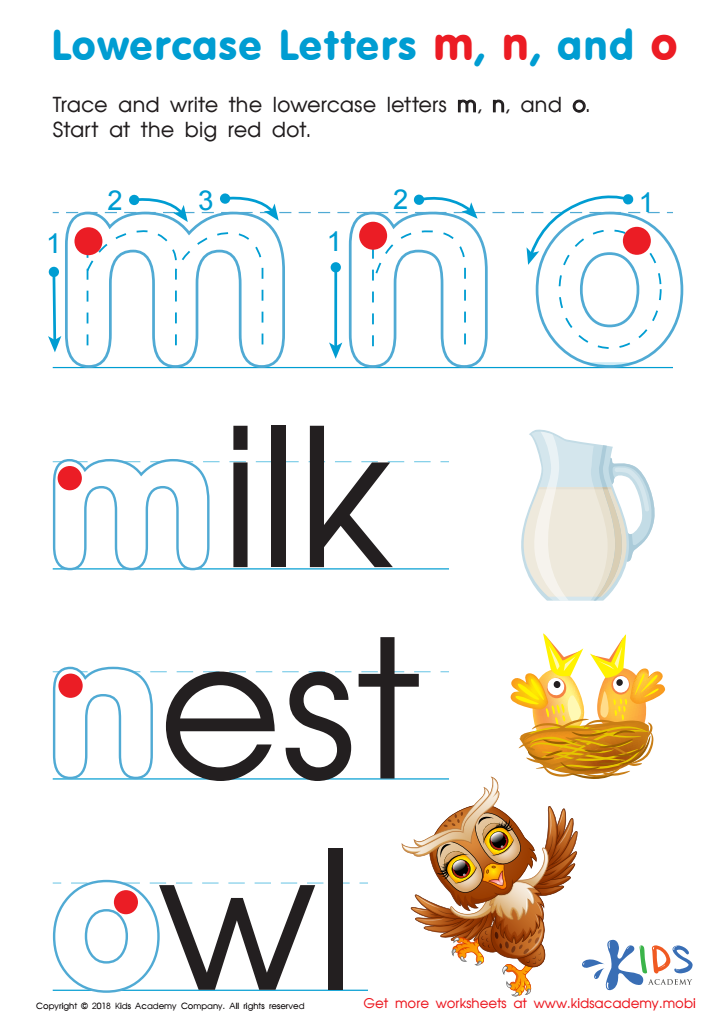
Lowercase Letters m n o Worksheet
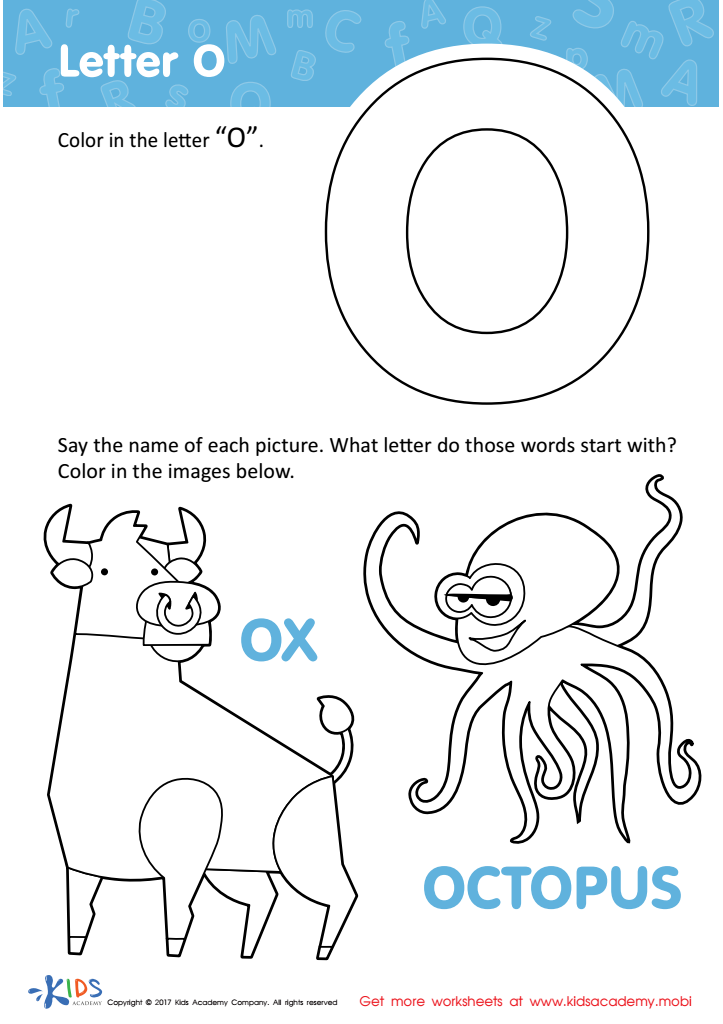
Letter O Coloring Sheet
Assign to My Students








Alphabet recognition is a foundational skill that plays a crucial role in a child’s early literacy development. For parents and teachers, understanding its importance in kindergarten is essential for fostering a strong educational foundation.
Firstly, recognizing letters is the first step in reading. When children can identify and name letters, they begin to understand how letters correspond to sounds, paving the way for phonemic awareness and eventually reading proficiency. This skill also enhances vocabulary development, as children learn to associate letters with words and meanings.
Moreover, mastering alphabet recognition promotes confidence and motivation. Children who are successful in recognizing letters feel a sense of achievement, which encourages them to engage more actively in learning activities. This boosts their overall interest in reading and writing, critical components for academic success throughout their educational journey.
Additionally, alphabet recognition aids in developing fine motor skills through writing letters. It fosters critical thinking as children start recognizing patterns and structures in words.
In essence, parents and teachers play a pivotal role in nurturing alphabet recognition. By emphasizing this skill in kindergarten, they equip children with the tools necessary for effective communication, comprehension, and lifelong learning. Supporting alphabet recognition sets the stage for future literacy development and academic success.