Color recognition Normal Kindergarten Worksheets - Page 2
28 filtered results
-
From - To
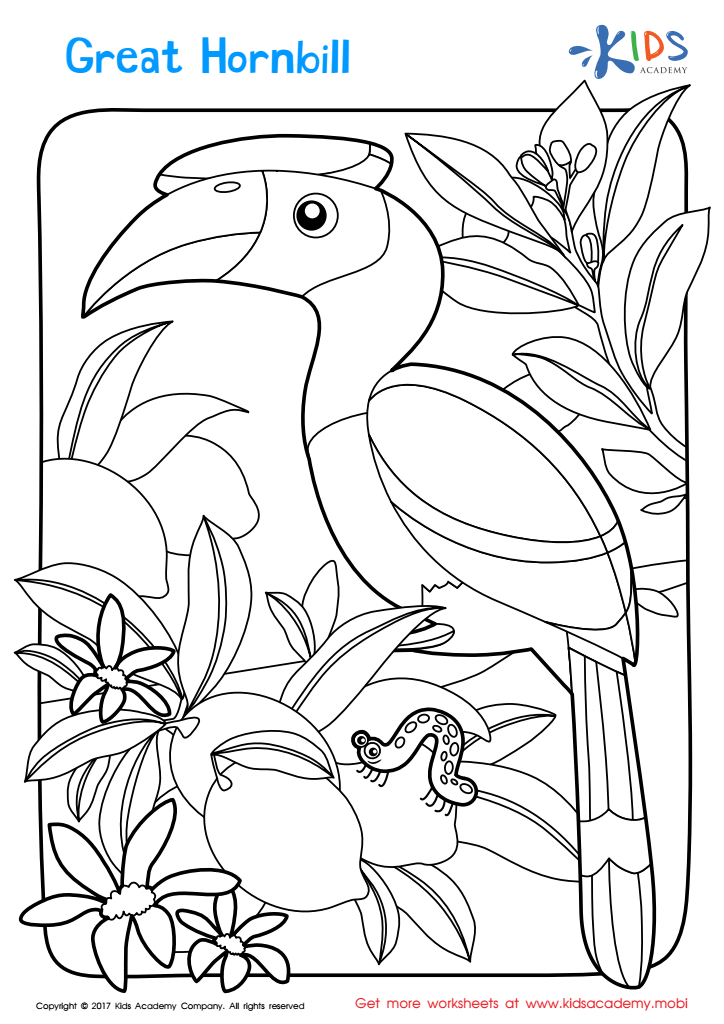
Great Hornbill Worksheet
 Assign to My Students
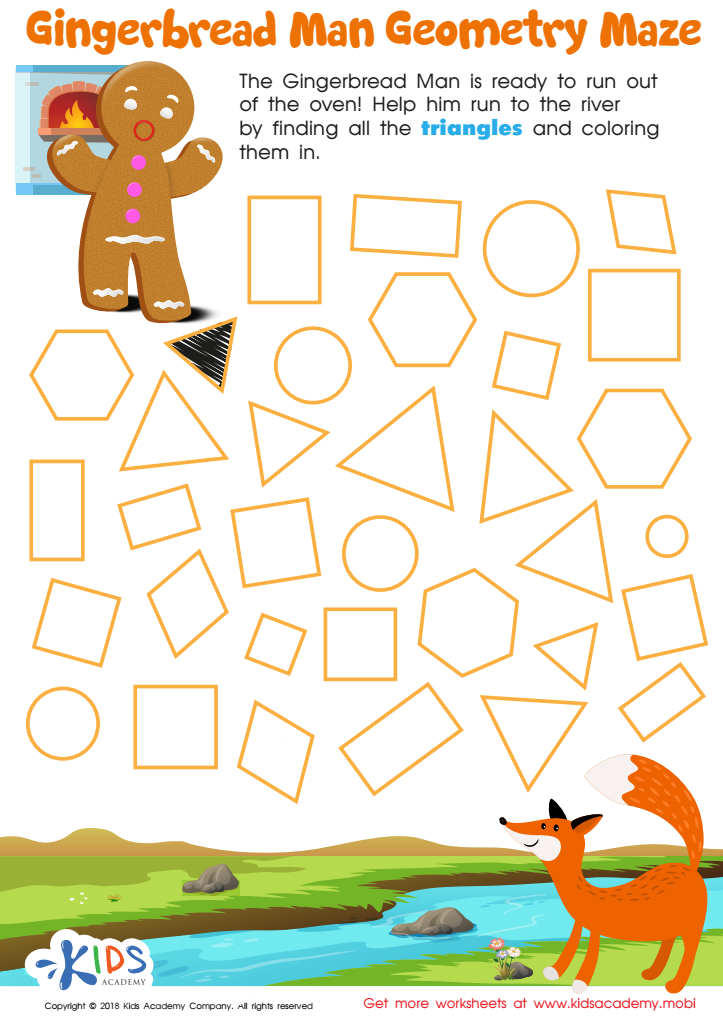
Gingerbread Man Geometry Maze Worksheet
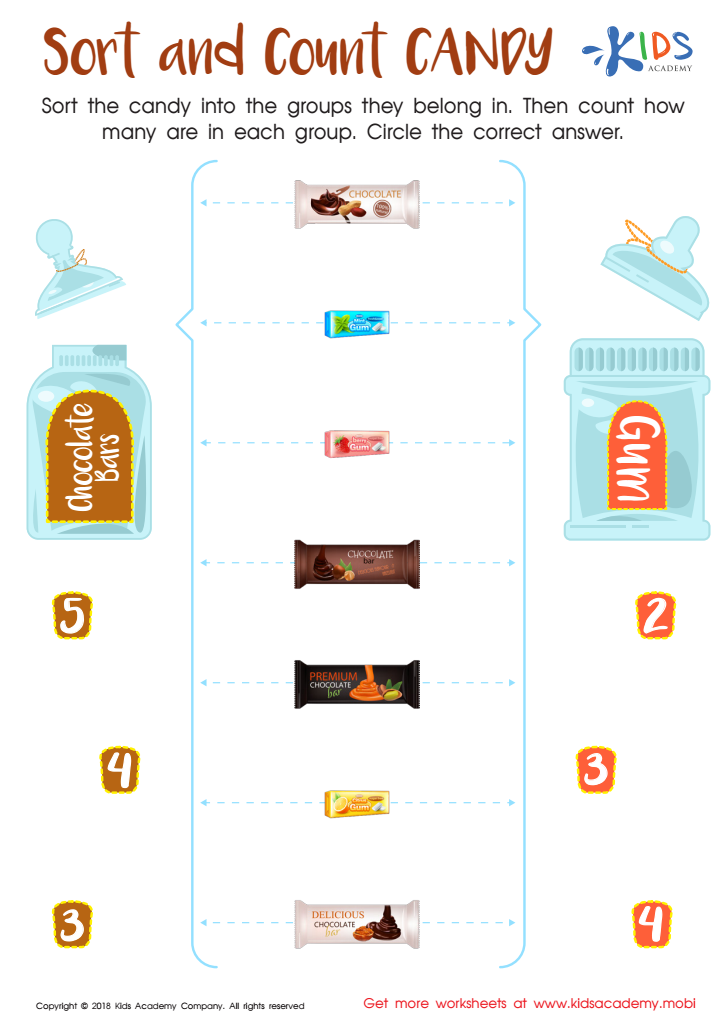
Sort and Count Candy Worksheet
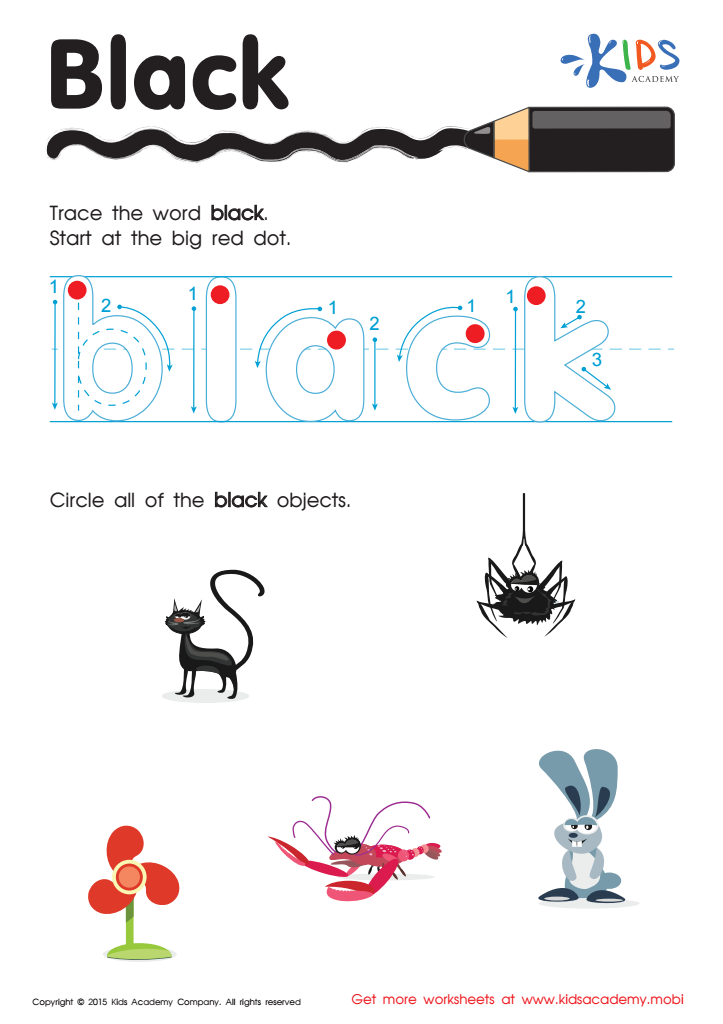
Black Tracing Color Words Printable








Color recognition is a fundamental skill that lays the foundation for various aspects of a child's development. For parents and teachers in normal Kindergarten settings, nurturing this skill is essential for several reasons.
Firstly, color recognition enhances cognitive development. It sharpens critical thinking and categorization abilities, as children learn to identify, match, and differentiate colors. This foundational skill also helps in the development of vocabulary, as kids learn color names and descriptors.
Secondly, color recognition aids in social and emotional development. Engaging children in activities involving colors fosters creativity and self-expression. Art and crafts using diverse colors enable kids to share their thoughts and feelings, encouraging collaboration and interaction with peers.
Additionally, understanding colors helps in real-world contexts. It lays the groundwork for skills in sorting and organizing objects, essentials in everyday life and academics. For example, knowing colors is important when learning about patterns, sequences, and even mathematics.
Ultimately, parents and teachers play a critical role in highlighting the significance of color recognition. By incorporating colorful materials and activities in daily routines, they can support children's comprehensive development while making learning enjoyable and engaging.