Logical thinking development Normal Kindergarten Worksheets
6 filtered results
-
From - To
Our "Logical Thinking Development" Kindergarten Worksheets are carefully designed to foster your child's critical thinking and problem-solving skills from an early age. These engaging and fun activities are crafted to nurture logical reasoning through patterns, puzzles, sequences, and sorting exercises. Perfect for young learners, these worksheets help kids develop the foundational cognitive abilities essential for future academic success. Ideal for both classroom and home use, our resources make learning an enjoyable adventure and strengthen important skills in an interactive way. Ignite your child’s logical thinking development with these expertly curated, printable worksheets.
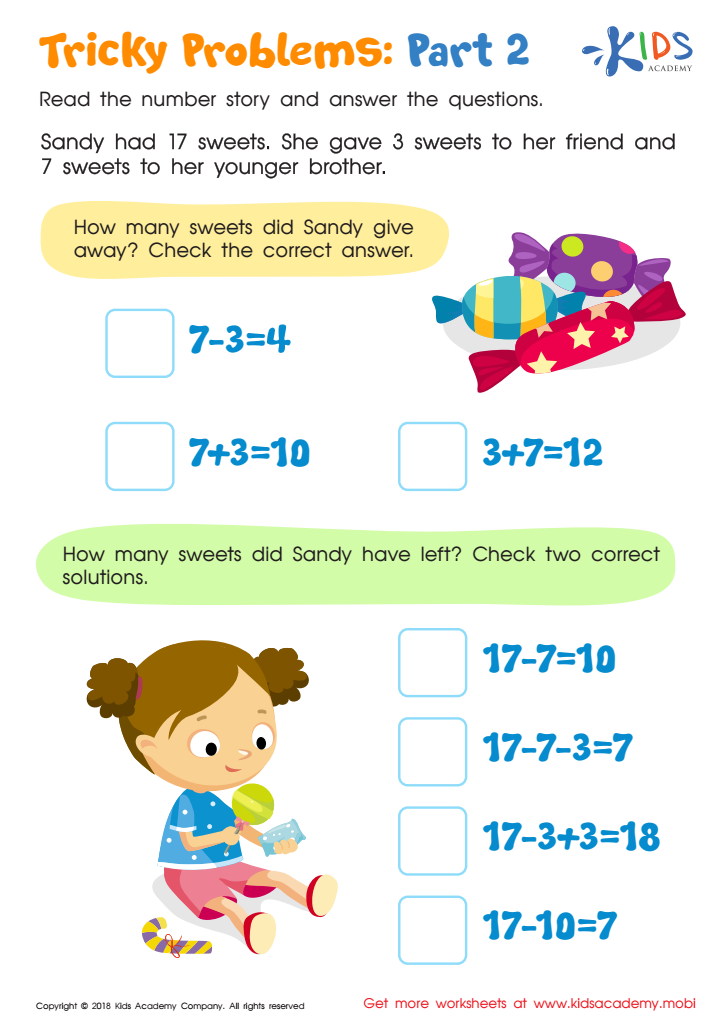
Tricky Problems Worksheet: Part 2
 Assign to My Students
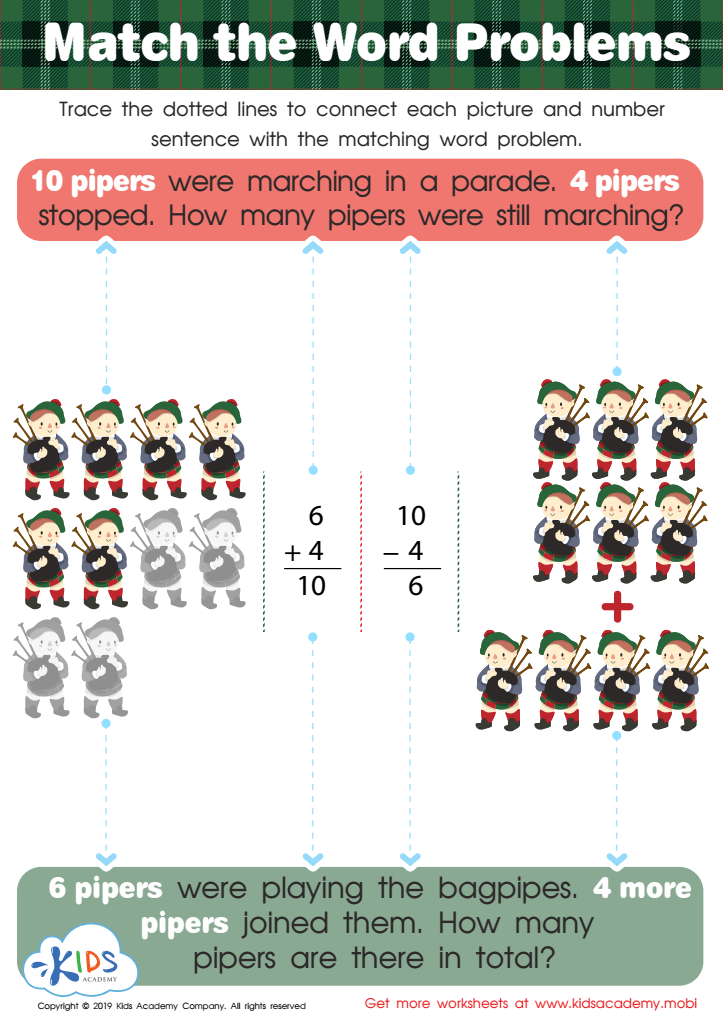
Match the Word Problems Worksheet
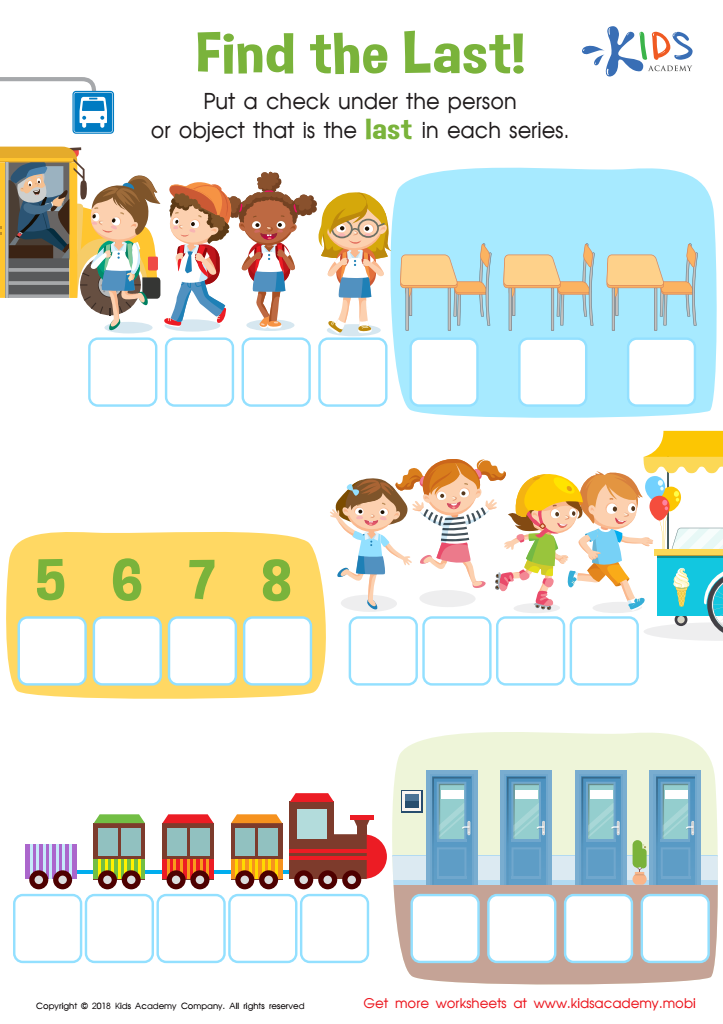
Find the Last! Worksheet
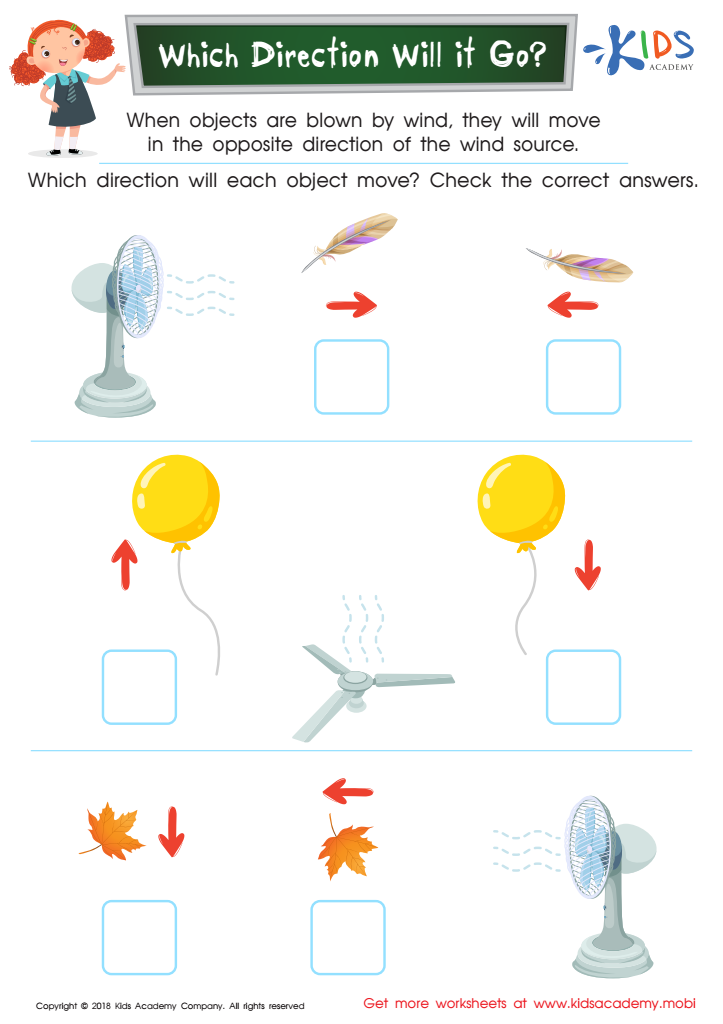
Which Direction Will it Go? Worksheet
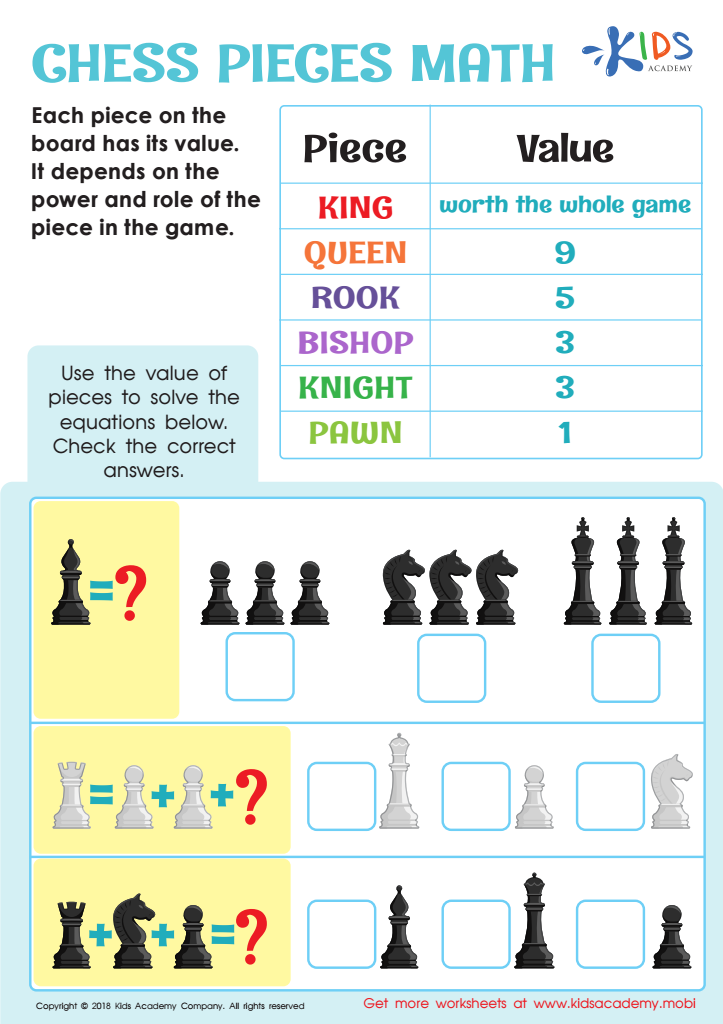
Chess Pieces Math Worksheet
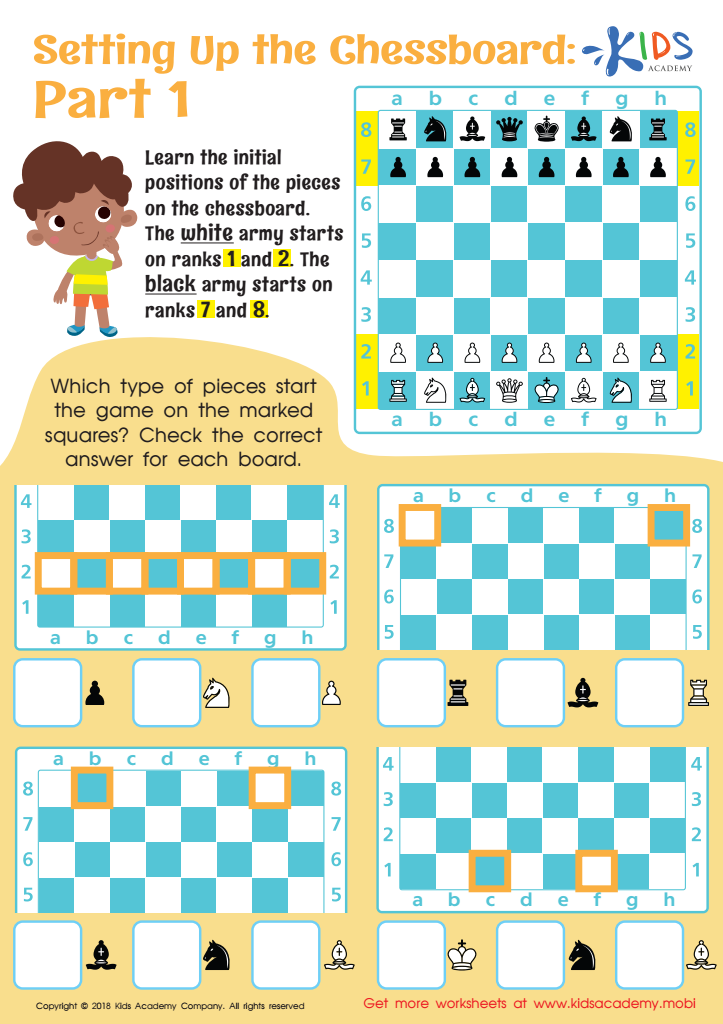
Setting up the Chessboard: Part 1 Worksheet







Logical thinking development is crucial in kindergarten because it forms the foundation for children’s future learning and problem-solving capabilities. When parents and teachers foster logical thinking, they equip children with critical skills for understanding the world and making sound decisions. Young children naturally explore and ask questions; guiding their curiosity through structured reasoning helps them grasp cause-and-effect relationships, patterns, and sequencing, which are vital for math and science topics they will encounter later.
Additionally, logical thinking enhances language skills. As children learn to categorize objects, sequence events, and identify relationships, they improve their ability to describe experiences, follow instructions, and construct more complex sentences. This not only boosts their communication skills but also their reading and writing abilities.
Fostering logical thinking contributes to emotional and social development too. It helps children evaluate problems more effectively, leading to better decision-making and conflict resolution. They learn to predict outcomes and consequences, which not only aids in personal responsibility but also enhances empathy by understanding the perspectives of others.
In essence, emphasizing logical thinking in kindergarten lays a solid foundation for academic success, effective communication, and overall emotional intelligence. It equips children with essential tools to navigate their growing world competently and confidently.