Shape Recognition Normal Kindergarten Worksheets - Page 2
26 filtered results
-
From - To
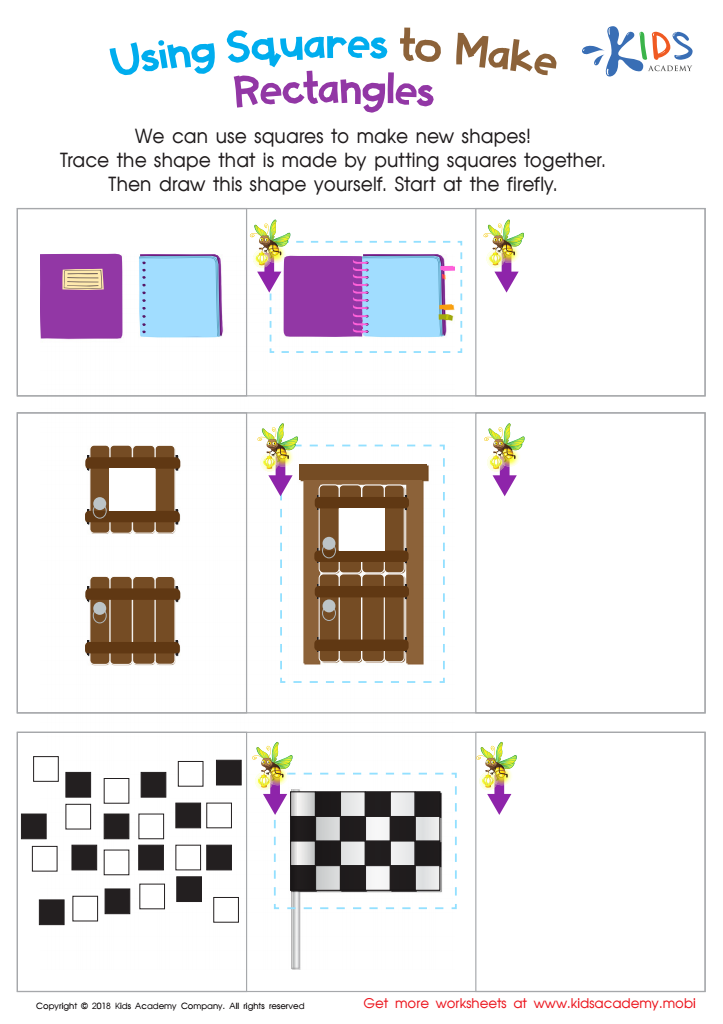
Using Squares to Make Rectangles Worksheet
 Assign to My Students
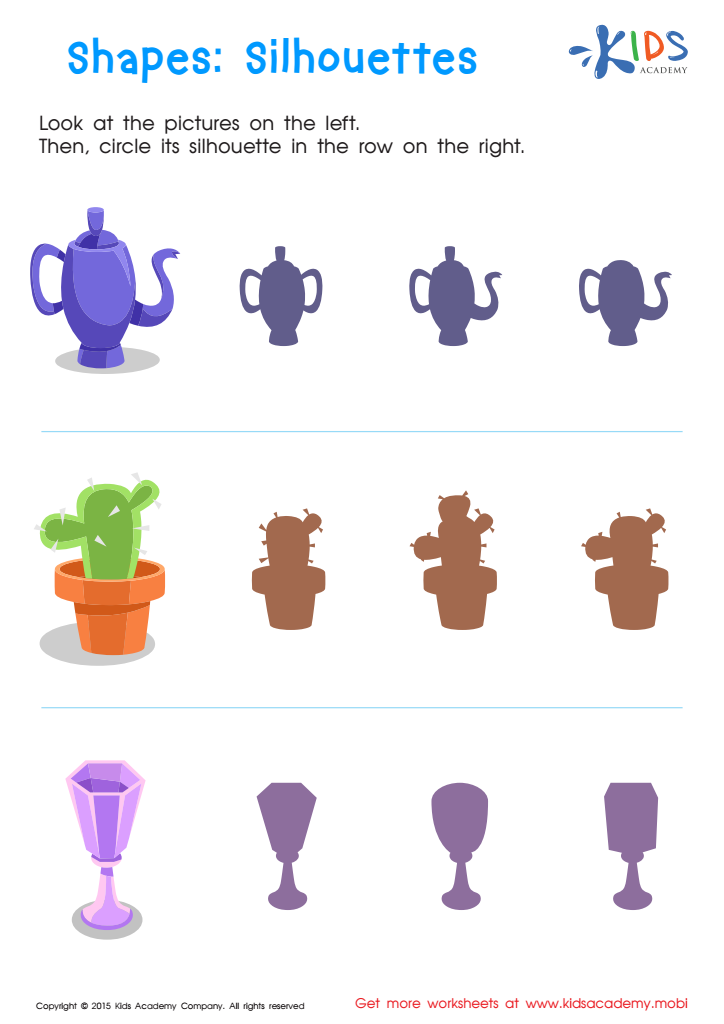
Silhouettes – Shapes Worksheet








Shape recognition is a fundamental skill that plays a crucial role in early childhood education, particularly in kindergarten. Parents and teachers should care about this skill because it lays the groundwork for a child's future success in various academic and life areas. Recognizing shapes helps children develop their critical thinking and problem-solving abilities as they begin to identify and categorize the world around them.
Additionally, understanding shapes is a strong precursor to literacy and numeral competency. Shape recognition aids in learning letters and numbers, as many have distinct shapes. It also enhances spatial awareness, essential for subjects like math and science, encouraging children to grasp concepts like symmetry, patterns, and volume.
Furthermore, engaging children in shape recognition activities fosters creativity and fine motor skills. Interactive games, arts and crafts, and real-world shape hunts make learning hands-on and enjoyable.
Finally, by emphasizing shape recognition, we help children build confidence as they achieve competence, setting a positive tone for lifelong learning. In a diverse learning environment, collaboration between parents and teachers ensures that children receive consistent reinforcement, emphasizing the importance of this foundational skill for their overall development.