Spatial reasoning Normal Kindergarten Worksheets
5 filtered results
-
From - To
Enhance your child's spatial reasoning skills with our engaging Normal Kindergarten Worksheets! Specifically designed for young learners, these worksheets focus on developing essential spatial awareness through fun and interactive activities. Your child will enjoy exploring concepts like direction, position, shapes, and patterns as they complete puzzles and exercises that stimulate critical thinking and problem-solving skills. Perfect for both classroom and at-home learning, these worksheets are ideal for reinforcing key concepts in a stress-free environment. Unlock your child's potential and help them excel in math and visual learning with our comprehensive collection of kindergarten spatial reasoning worksheets. Let's make learning enjoyable!
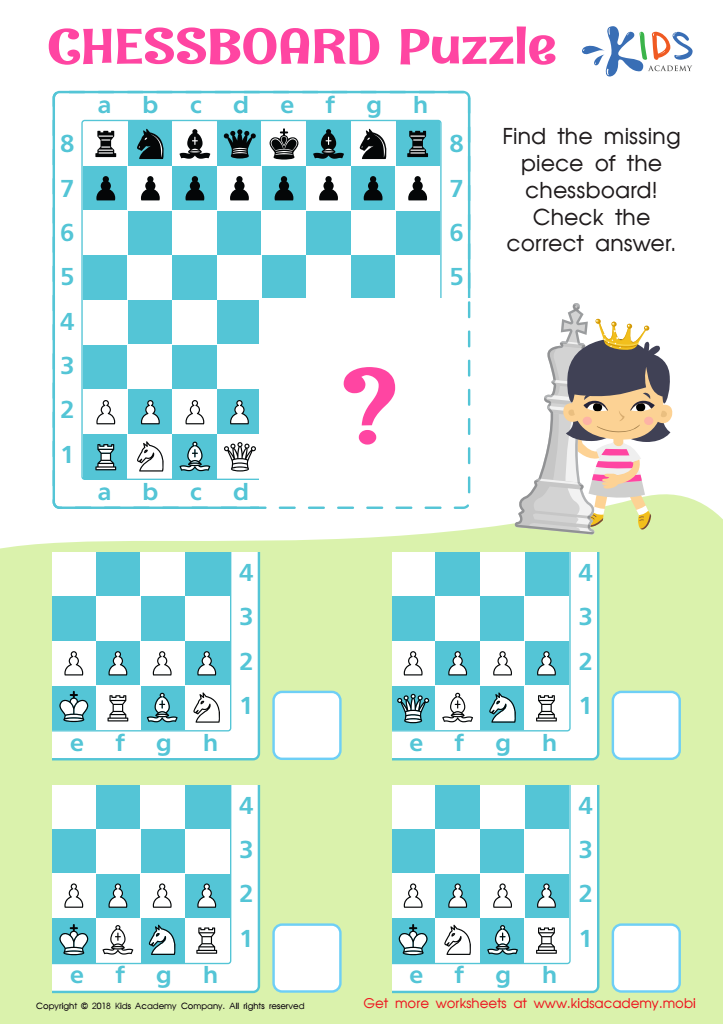
Chessboard Puzzle Worksheet
 Assign to My Students
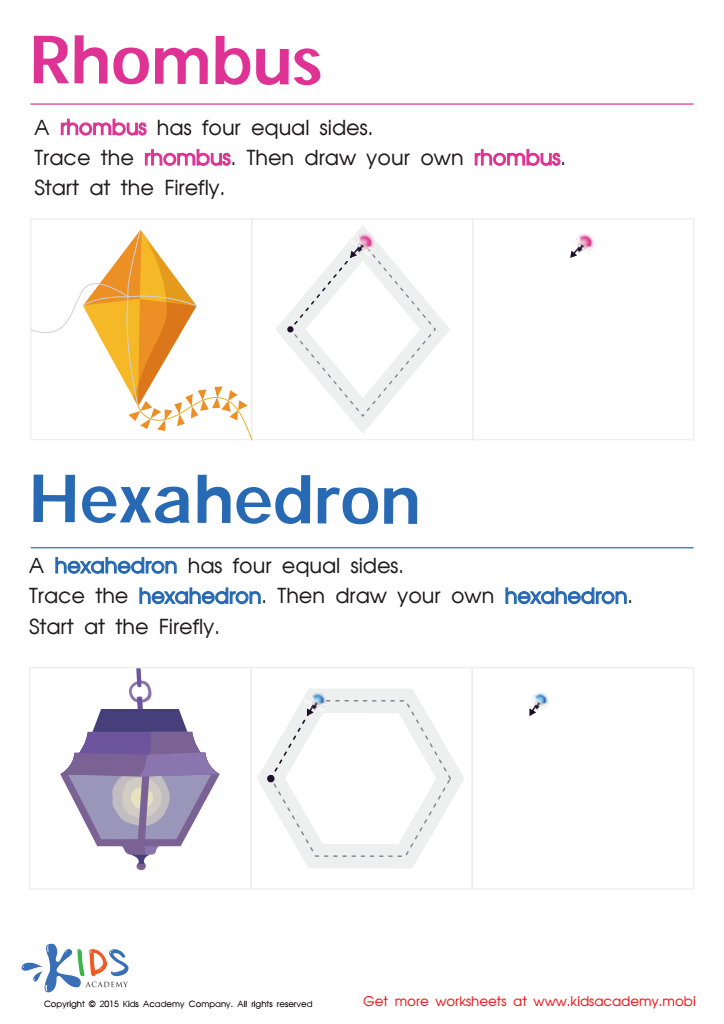
Draw a Rhombus And a Hexahedron Printable
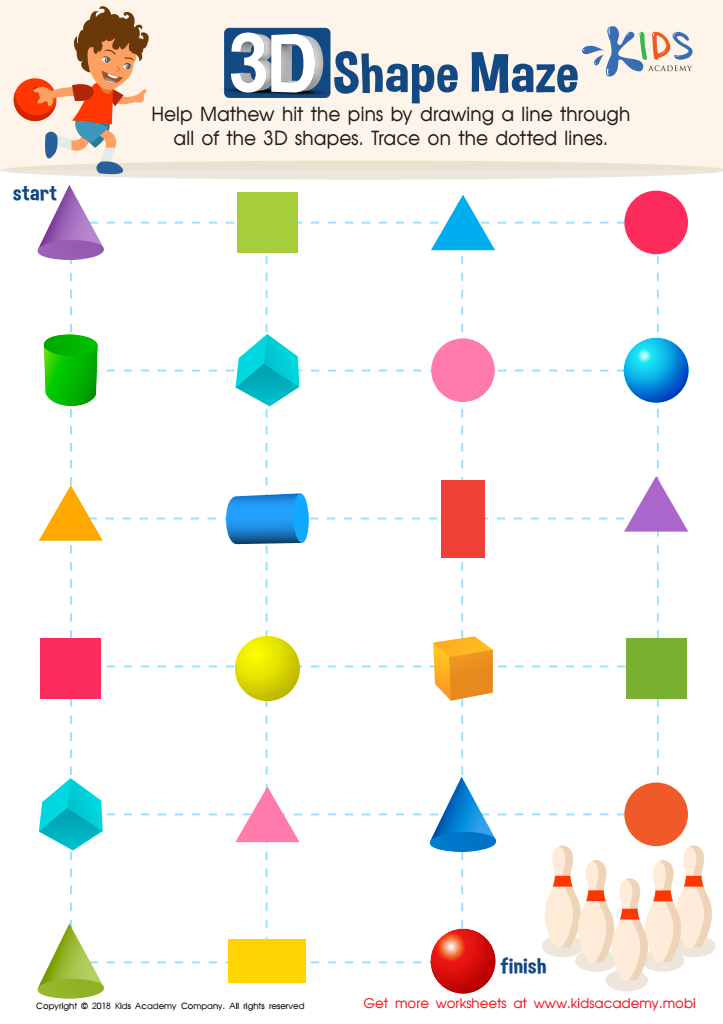
Shapes Maze Geometry Worksheet
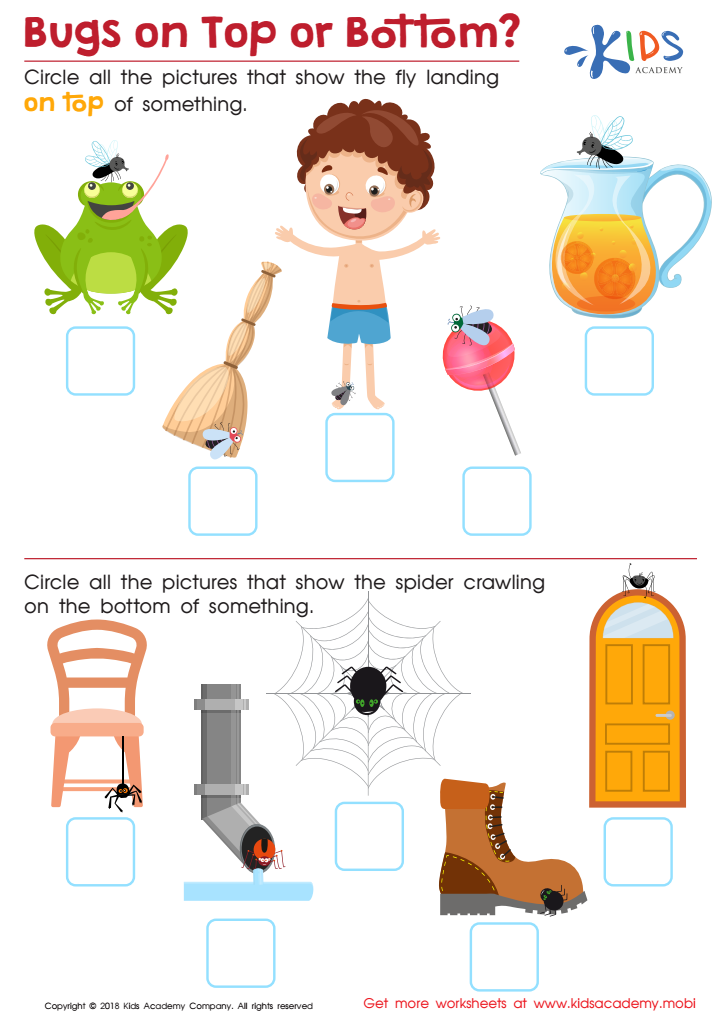
Bugs on Top or Bottom? Worksheet
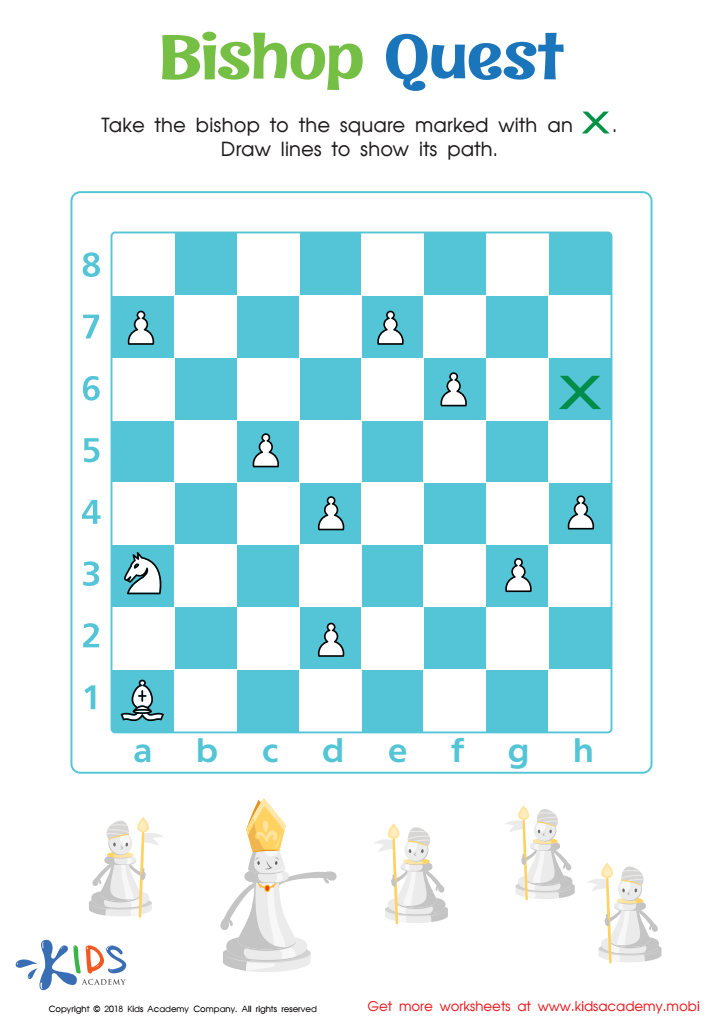
Bishop Quest Worksheet








Spatial reasoning, the ability to visualize and manipulate objects in space, is a crucial skill that plays a significant role in children's overall cognitive development, particularly in kindergarten. Parents and teachers should prioritize this skill for several reasons.
Firstly, spatial reasoning is foundational for early math success. It helps children understand shapes, sizes, and patterns, which are essential for geometry and measurement. When children can visualize spatial relationships, they’re better equipped to tackle more complex mathematical concepts as they progress through school.
Secondly, spatial skills are linked to literacy development. Children with strong spatial reasoning can better comprehend stories and follow directions, as they can visualize scenarios and character movements. This can enhance their reading comprehension and storytelling abilities.
Moreover, spatial reasoning fuels creativity and problem-solving. Kids who engage in activities that promote these skills, such as building with blocks or drawing, are more likely to think innovatively and approach challenges with confidence.
Lastly, fostering spatial skills in kindergarten supports success in science, technology, engineering, and math (STEM) fields. These areas increasingly depend on strong spatial capabilities, preparing children for a future in a technology-driven world.
By emphasizing spatial reasoning, parents and teachers lay a solid foundation for lifelong learning and achievement.