Understanding patterns Normal Kindergarten Worksheets
3 filtered results
-
From - To
Explore our "Understanding Patterns" Kindergarten Worksheets designed to engage young learners in recognizing and creating patterns. These interactive worksheets are perfect for developing essential math skills while enhancing critical thinking. With vibrant visuals and age-appropriate exercises, children will enjoy identifying sequences in colors, shapes, and movements. Our resources encourage hands-on learning, fostering a solid foundation for future math concepts. Ideal for both classroom use and at-home practice, these worksheets are tailored to meet the learning needs of kindergarten students. Dive into the world of patterns and watch your child's confidence soar as they master this fundamental skill!
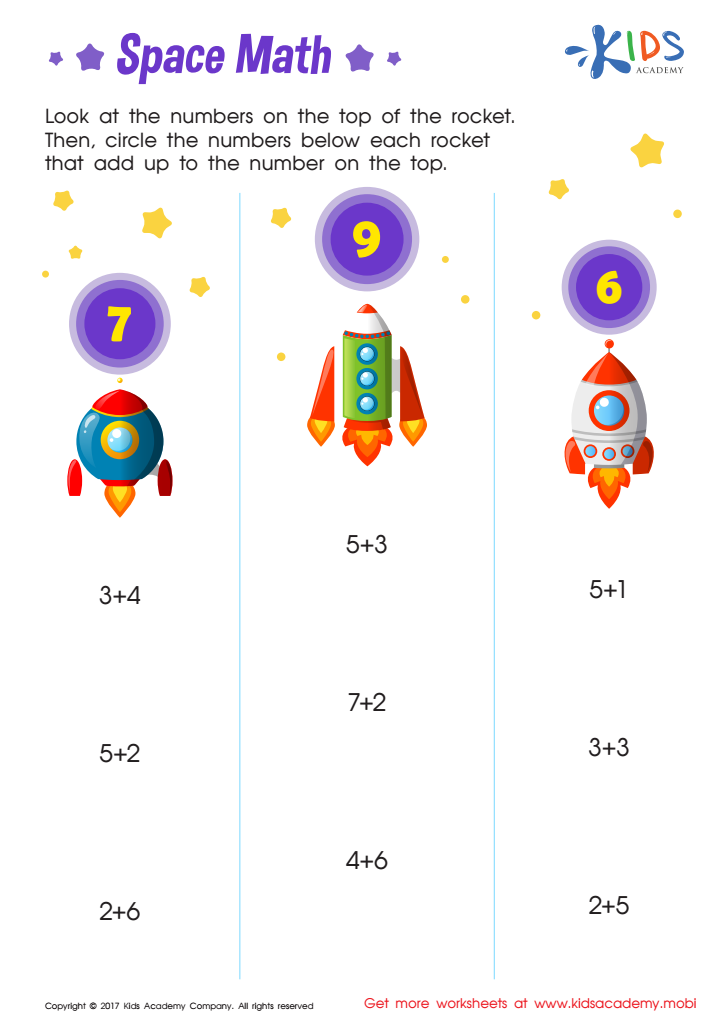
Addition: Space Math Worksheet
 Assign to My Students
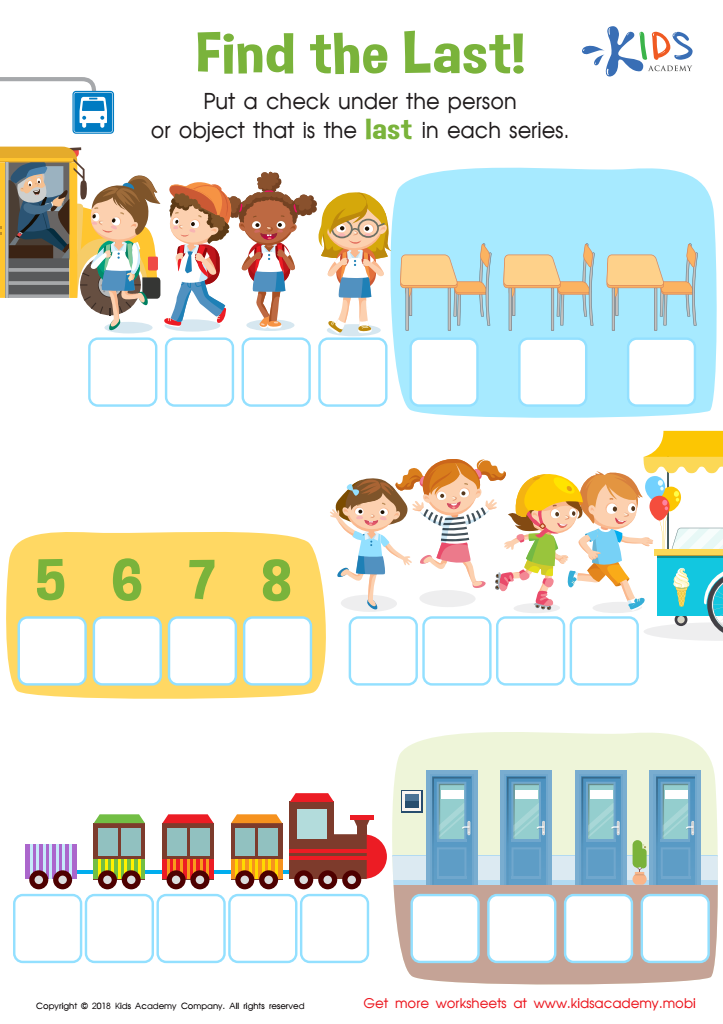
Find the Last! Worksheet
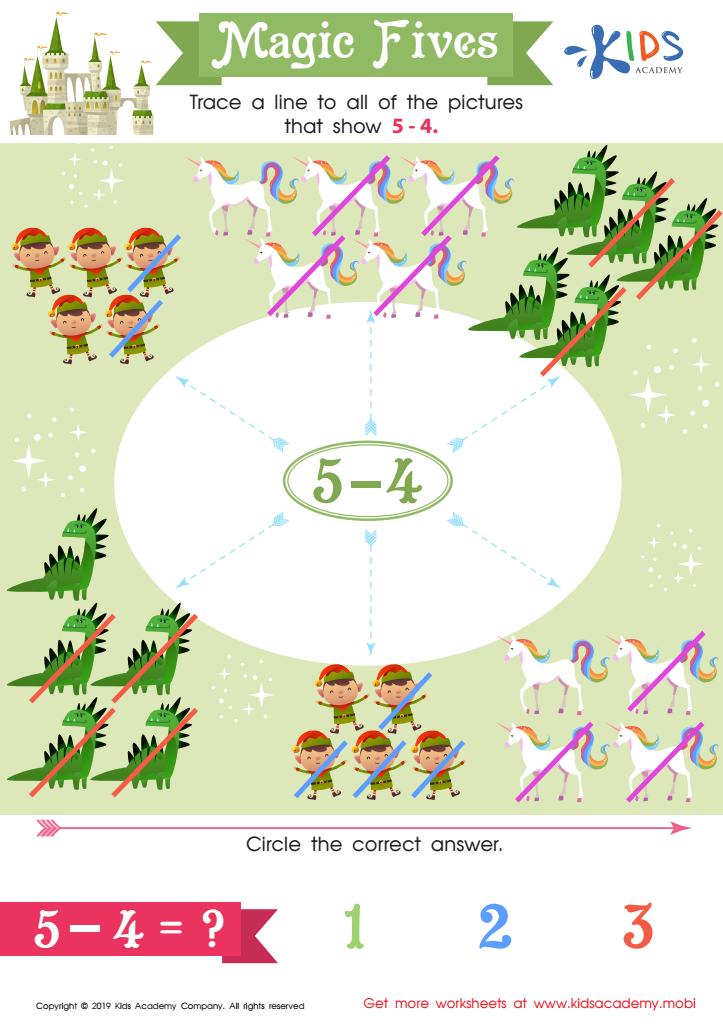
Magic Fives Worksheet







Understanding patterns is a fundamental skill for children in kindergarten, serving as a building block for early math and critical thinking. Parents and teachers should care about this concept for several reasons. First, recognizing patterns helps children develop problem-solving abilities and logical thinking. By identifying relationships and sequences in numbers, shapes, and materials, young learners enhance their cognitive skills, which are crucial for later academic success.
Moreover, patterns are everywhere in everyday life — from seasons and weather changes to routines and relationships. Teaching children to notice these patterns cultivates their observational skills and makes them more aware of their surroundings, nurturing a curious mindset that values exploration and learning.
Additionally, understanding patterns provides a foundation for advanced mathematical concepts such as addition, subtraction, symmetry, and measurements, which children will encounter in higher grades. As students practice recognizing and creating patterns, they also grow in their ability to communicate and collaborate with others, developing important social skills.
When parents and teachers engage in activities that focus on patterns through play, art, and hands-on learning, they make education enjoyable and memorable. Ultimately, fostering an understanding of patterns supports holistic development, laying the groundwork for lifelong learning.