Understanding Quantities Normal Kindergarten Worksheets
3 filtered results
-
From - To
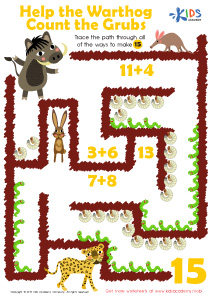
Welcome to our "Understanding Quantities Normal Kindergarten Worksheets" page! Here, you'll find a diverse collection of engaging worksheets designed to help young learners grasp the concept of quantities in a fun and interactive way. These resources feature colorful visuals and relatable themes to make counting and comparison exciting for your children. From identifying sets and numbers to comparing larger and smaller quantities, our worksheets support foundational math skills while aiding in cognitive development. Perfect for classroom use or at-home learning, these worksheets encourage hands-on practice and enhance essential skills in young kindergarten students. Start exploring today, and watch their understanding grow!
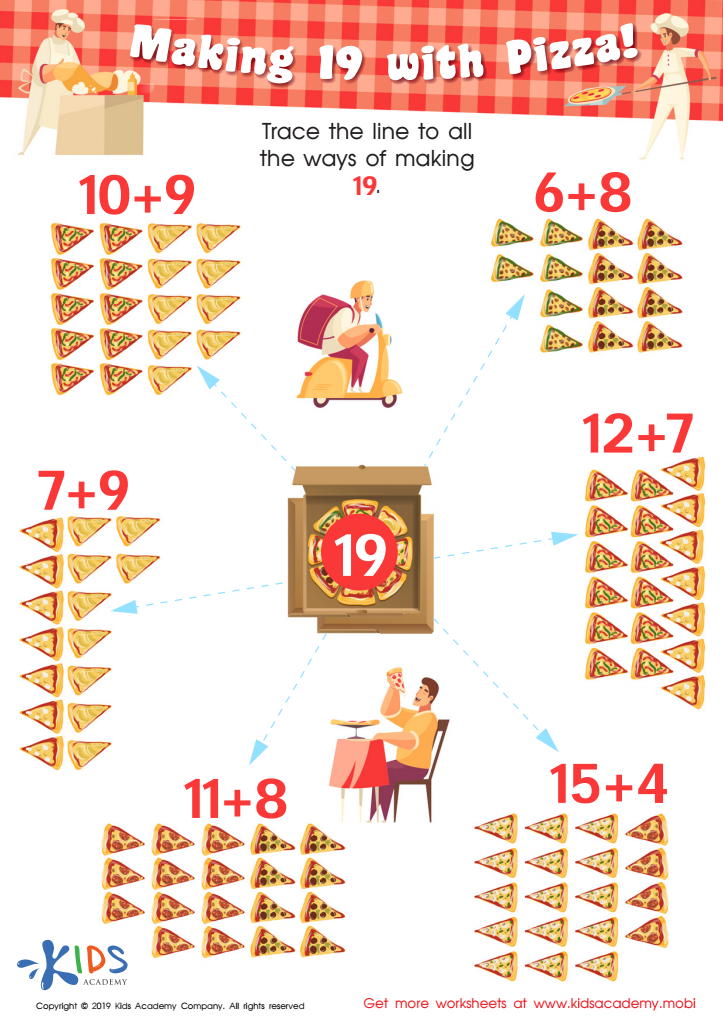
Making 19 with Pizza! Worksheet
 Assign to My Students
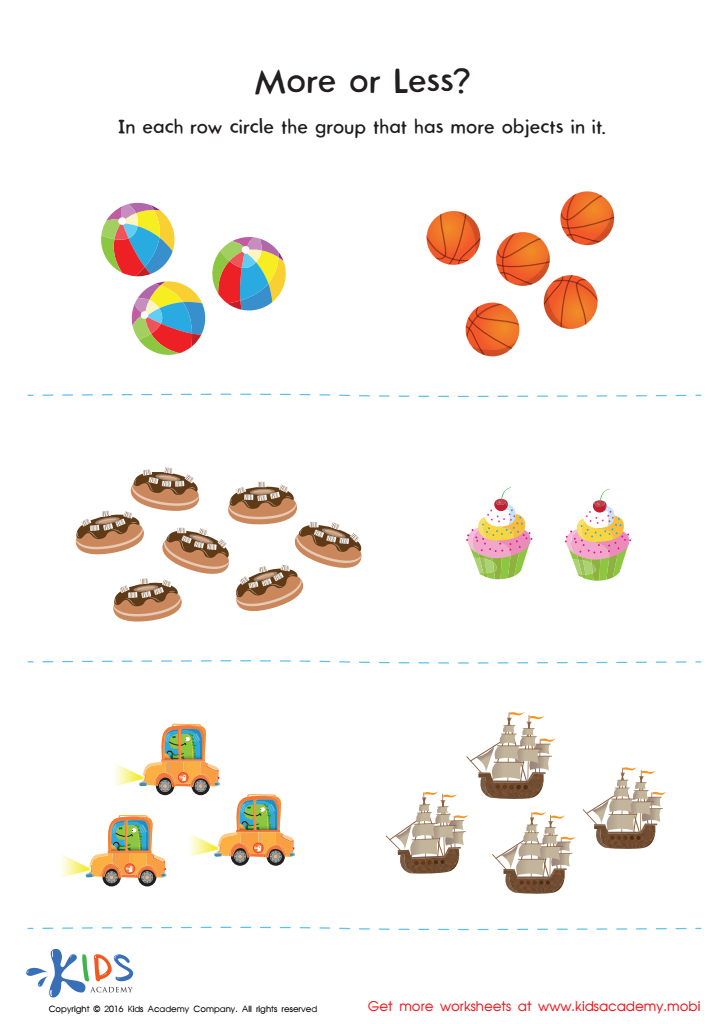
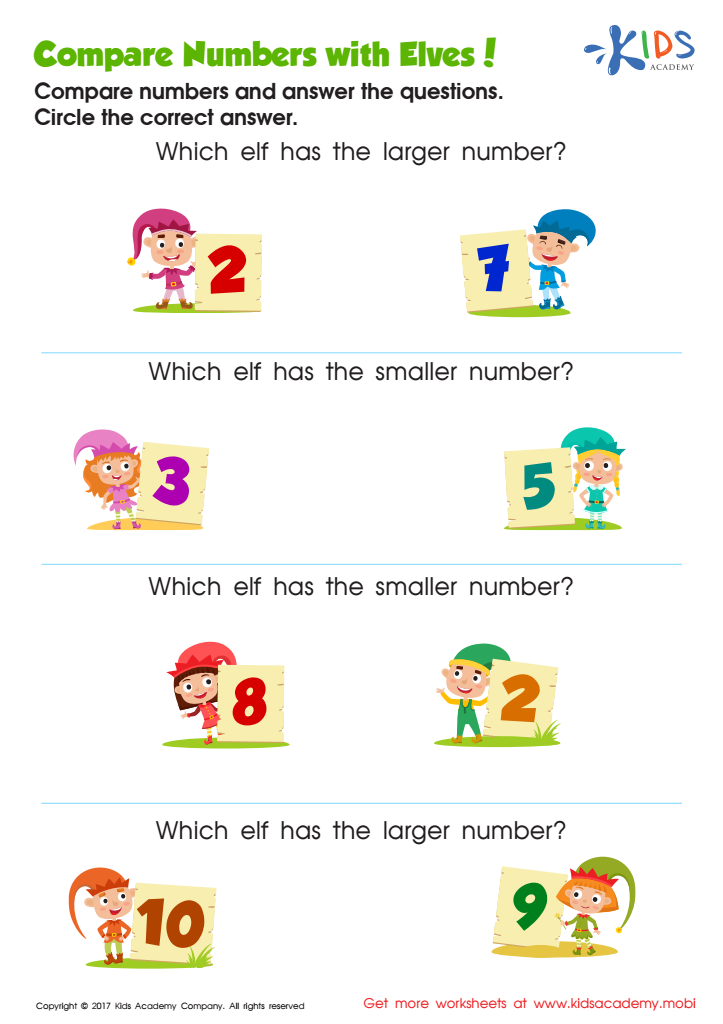
Comparing Numbers Worksheet for Kindergarten








Understanding quantities is a foundational skill for young learners in Kindergarten that significantly influences their later academic success. Parents and teachers should prioritize this concept because it lays the groundwork for essential math skills, such as counting, number recognition, and basic arithmetic. When children grasp the idea of quantities, they develop a sense of numeracy that informs their ability to compare, classify, and manipulate objects in their environment.
Moreover, understanding quantities enhances critical thinking and problem-solving abilities, as children begin to recognize patterns and relationships between numbers and objects. This skill instills confidence in tackling more complex mathematical ideas in later grades, contributing to their overall academic readiness.
Additionally, grasping quantities aids in the development of fine motor skills and cognitive abilities through activities like measuring, sorting, and organizing. These hands-on experiences also promote engagement and curiosity, making learning enjoyable for young children.
Finally, a strong foundation in understanding quantities fosters a positive attitude toward math, helping to combat anxiety or negative perceptions that can arise later in education. By emphasizing this important concept, parents and teachers cultivate an enriching learning environment that supports holistic development in young children.