Visual discrimination Normal Kindergarten Worksheets
10 filtered results
-
From - To
Our Visual Discrimination Kindergarten Worksheets are designed to sharpen crucial learning skills in young children. These engaging and educational worksheets help kindergarteners distinguish differences in shapes, patterns, and sizes. Perfect for early learners, each activity aids in the development of keen observation skills, fostering cognitive growth and attention to detail. Colorful and fun themes keep students captivated while promoting important pre-reading and math abilities. Ideal for classroom use or supplementary home practice, our resources ensure foundational skills are mastered with joy and ease. Enhance your child's early education with our expertly crafted visual discrimination worksheets!
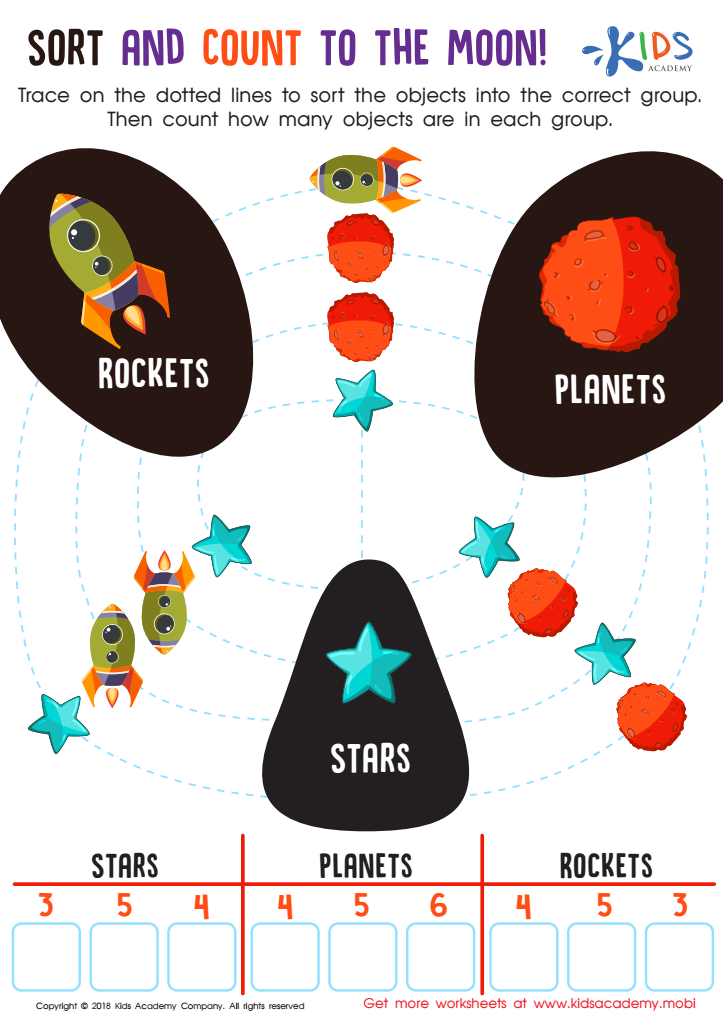
Sort and Count to the Moon Worksheet
 Assign to My Students
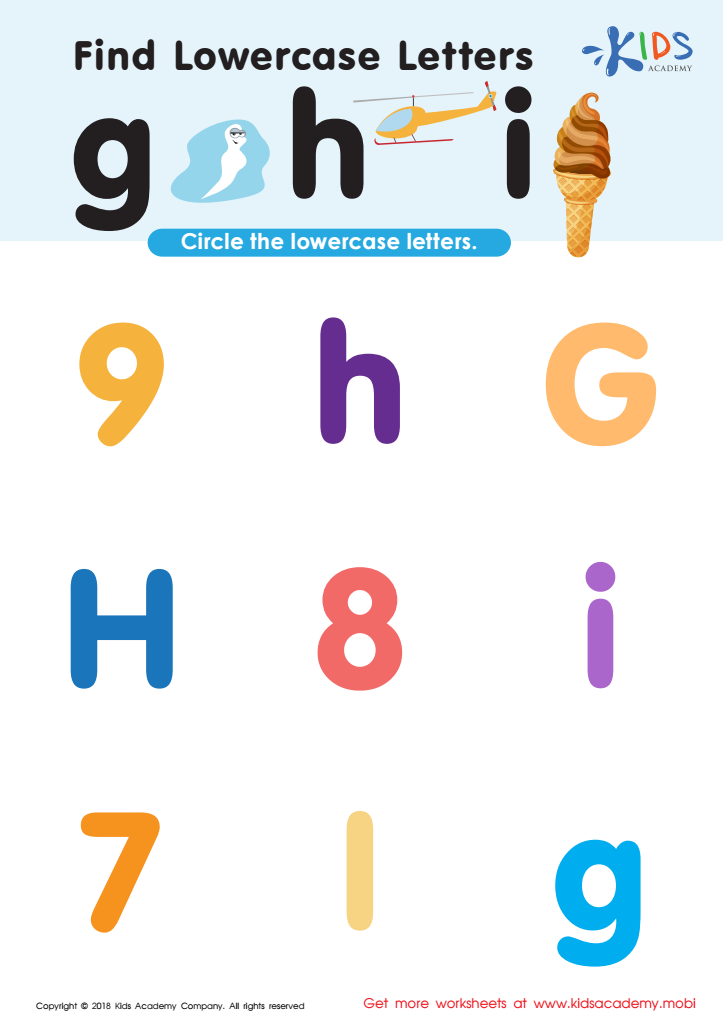
Find Lowercase Letters g h i Worksheet
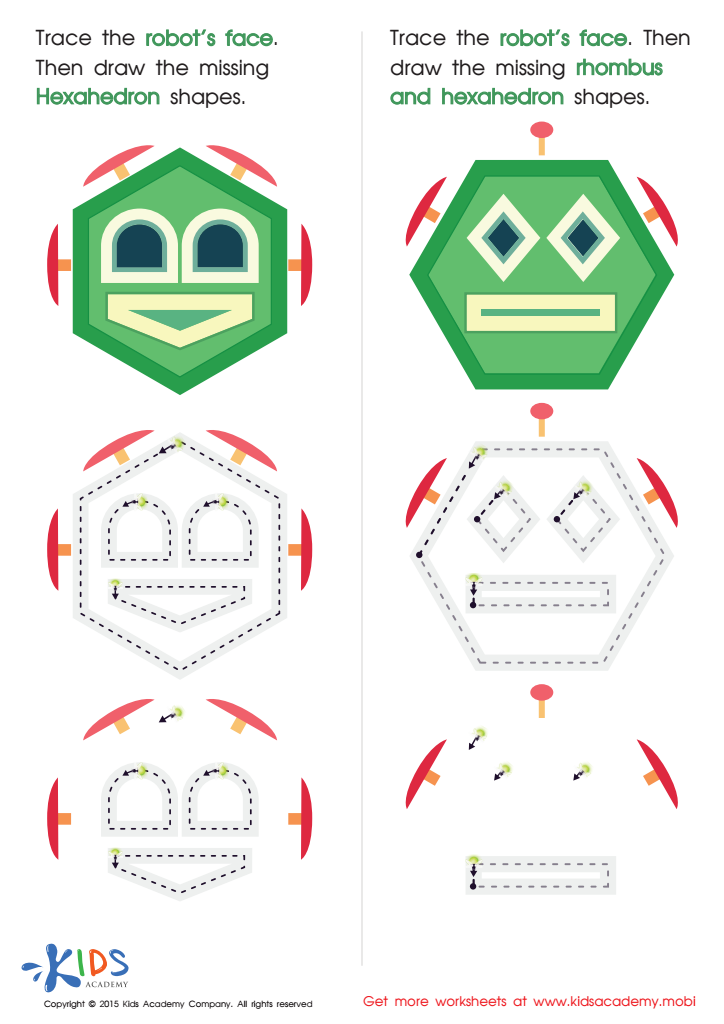
Practice Drawing Hexahedrons And a Rhombus Worksheet
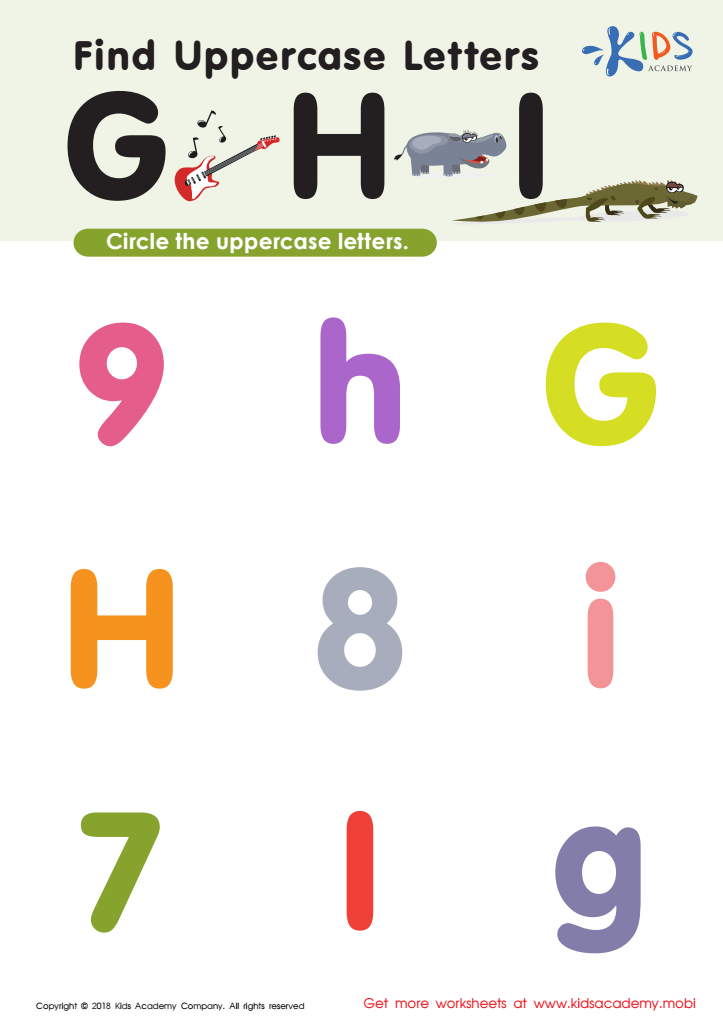
Find Uppercase Letters G, H, and I Worksheet
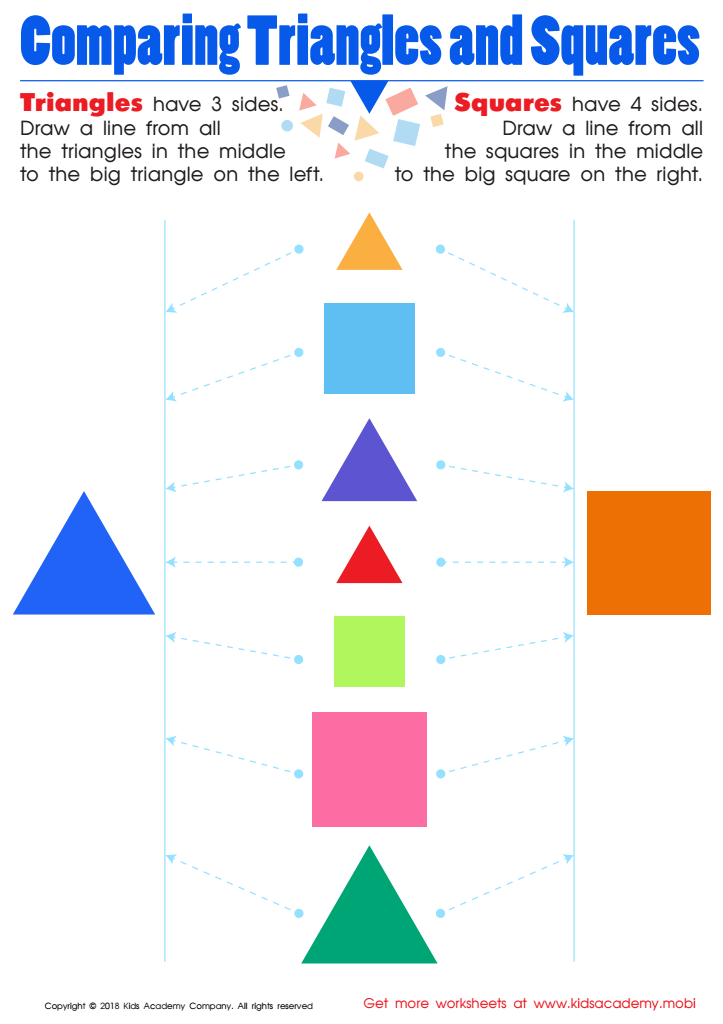
Comparing Triangles Squares Worksheet
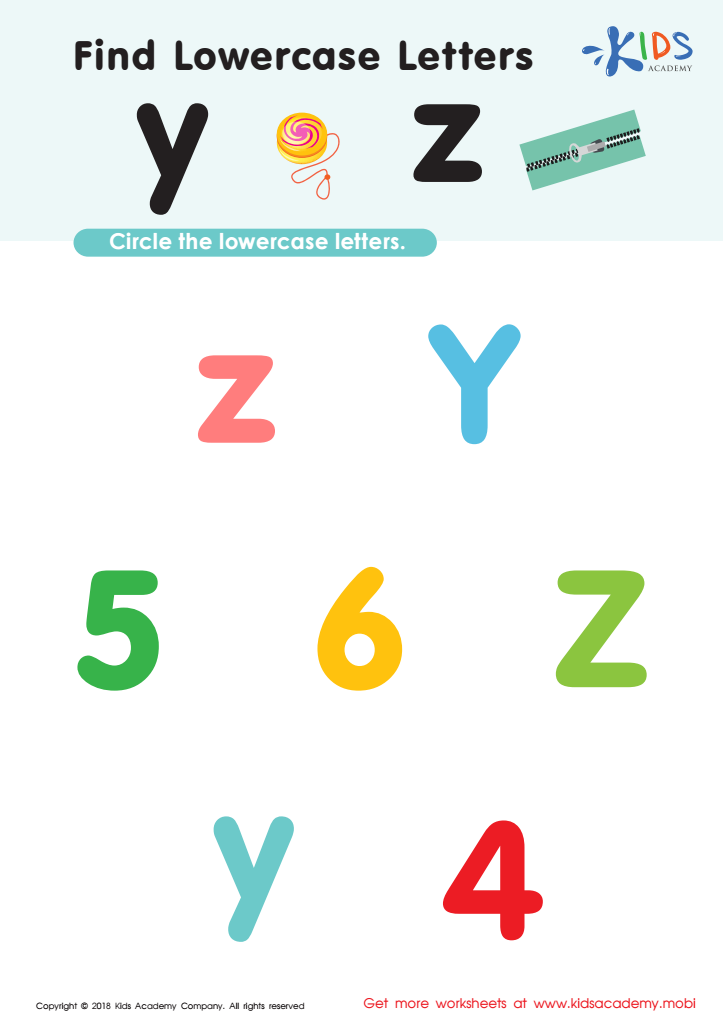
Find Lowercase Letters y z Worksheet
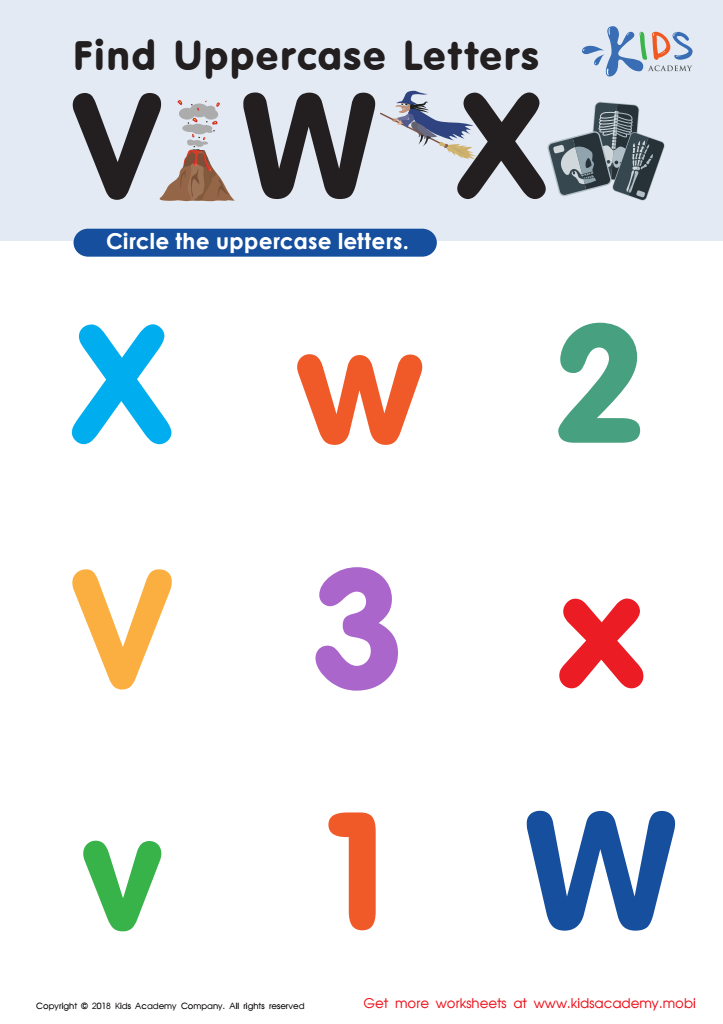
Find Uppercase Letters V, W, X Worksheet
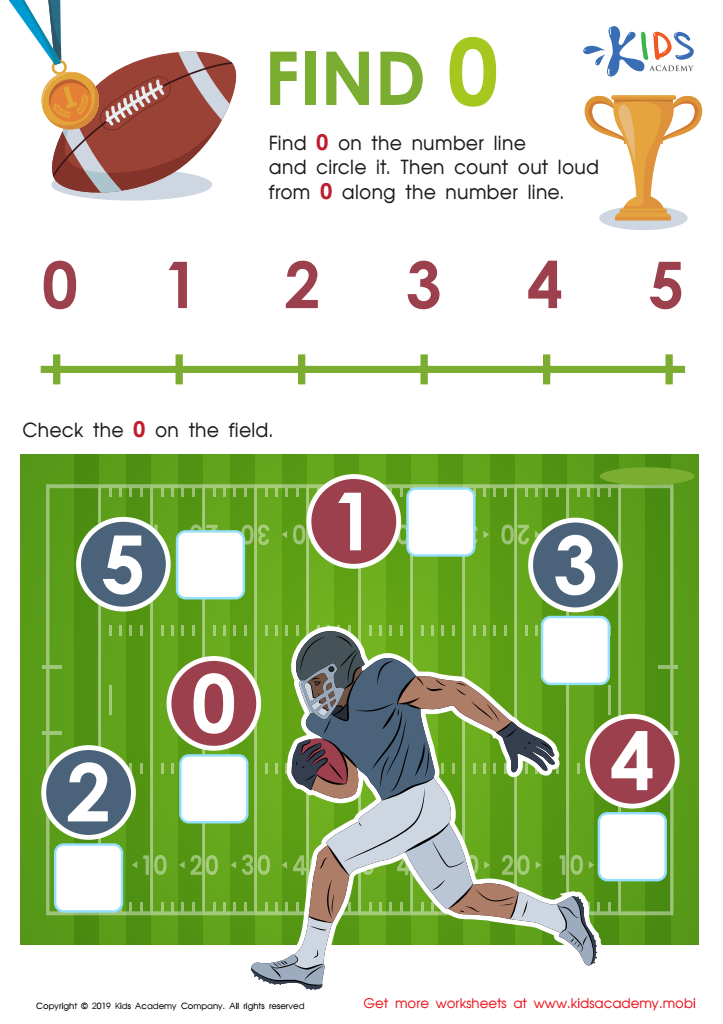
Find 0 Worksheet
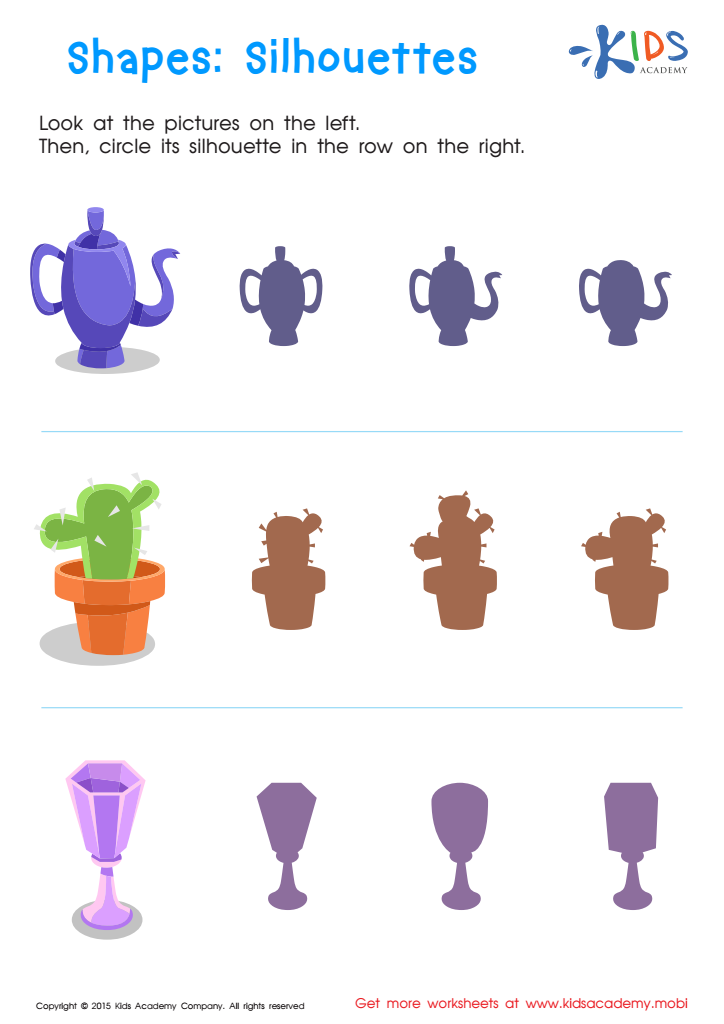
Silhouettes – Shapes Worksheet



.jpg)




Visual discrimination is the ability to recognize details in visual images, including differences in shapes, patterns, letters, and numbers. It's a fundamental skill that significantly affects a child's readiness for learning, particularly in reading and writing. For kindergarteners, developing strong visual discrimination skills is crucial as it directly impacts their ability to differentiate between similar letters, such as 'b' and 'd', or numbers like '6' and '9'.
For parents and teachers, paying attention to and nurturing visual discrimination skills ensures children are better prepared for more advanced academic tasks. Strong visual discrimination abilities help children correctly identify letters and words, enabling smoother transitions into reading fluently and comprehending texts, which are foundational for academic success.
Moreover, in mathematics, visual discrimination helps children distinguish between various symbols and patterns, which is key in understanding numbers and geometric concepts.
Kindergarten is an ideal time for this developmental focus because children at this age are particularly receptive to sensory learning and are starting to encounter more structured educational content. By creating engaging activities like matching games, sorting, and puzzles, parents and teachers can naturally enhance these skills. Successful development in visual discrimination not only promotes academic confidence but also fosters lifelong learning habits.