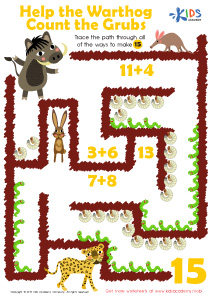
Fine Motor Skills Normal Kindergarten Counting Worksheets
3 filtered results
Difficulty Level
Grade
Age
-
From - To
Subject
Activity
Standards
Discover engaging Fine Motor Skills Normal Kindergarten Counting Worksheets designed to enhance your child's early math learning experience. These thoughtfully crafted worksheets help develop essential counting skills while simultaneously improving fine motor abilities. Each activity encourages hand-eye coordination, dexterity, and confidence as young learners trace, color, and manipulate various math concepts. Perfect for reinforcing number recognition and counting skills, our printable resources are easy to use at home or in the classroom. Give your child a solid foundation in math while fostering important motor skills! Start their learning journey today with our fun and effective counting worksheets!
Favorites
With answer key
Interactive
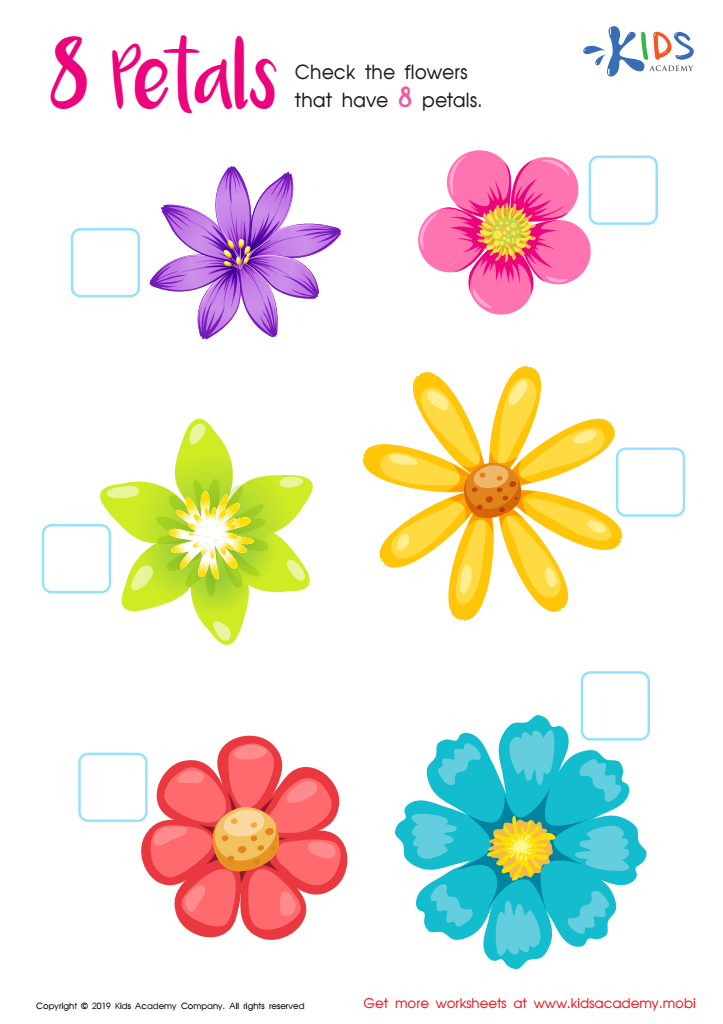
8 Petals Worksheet
Help your children master counting with this fun worksheet. It's filled with colorful flowers and they must count the petals and check the flowers with 8 petals. It's a great way to practice their counting skills and have some fun too!
 Assign to My Students
8 Petals Worksheet
Worksheet
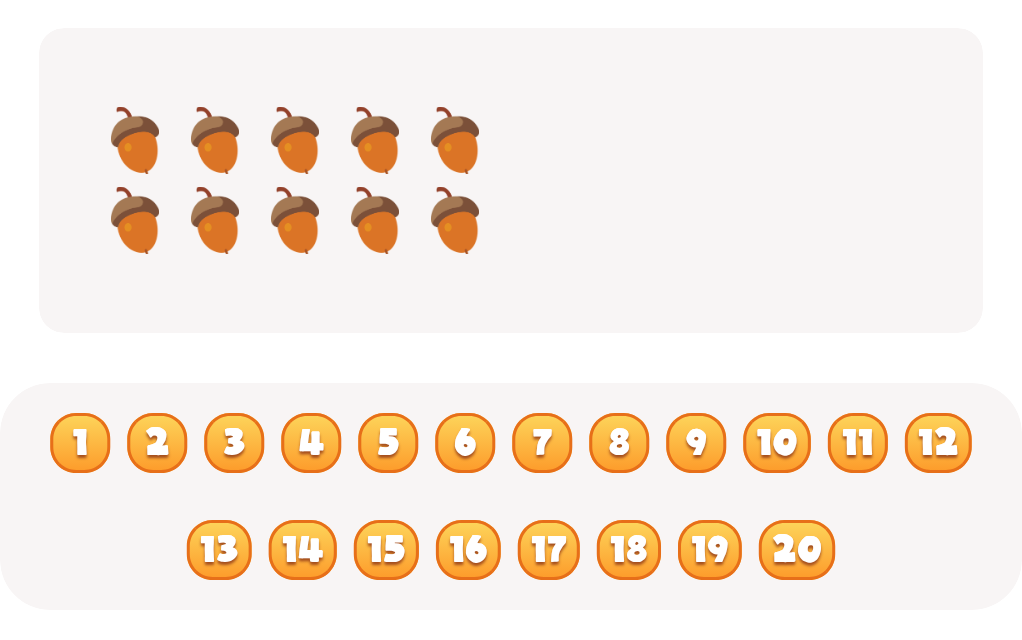


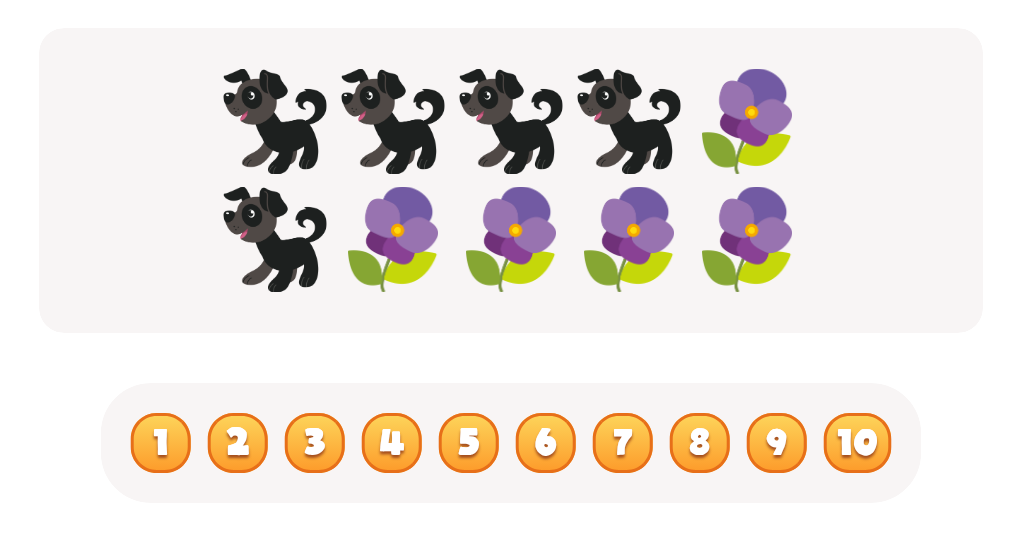


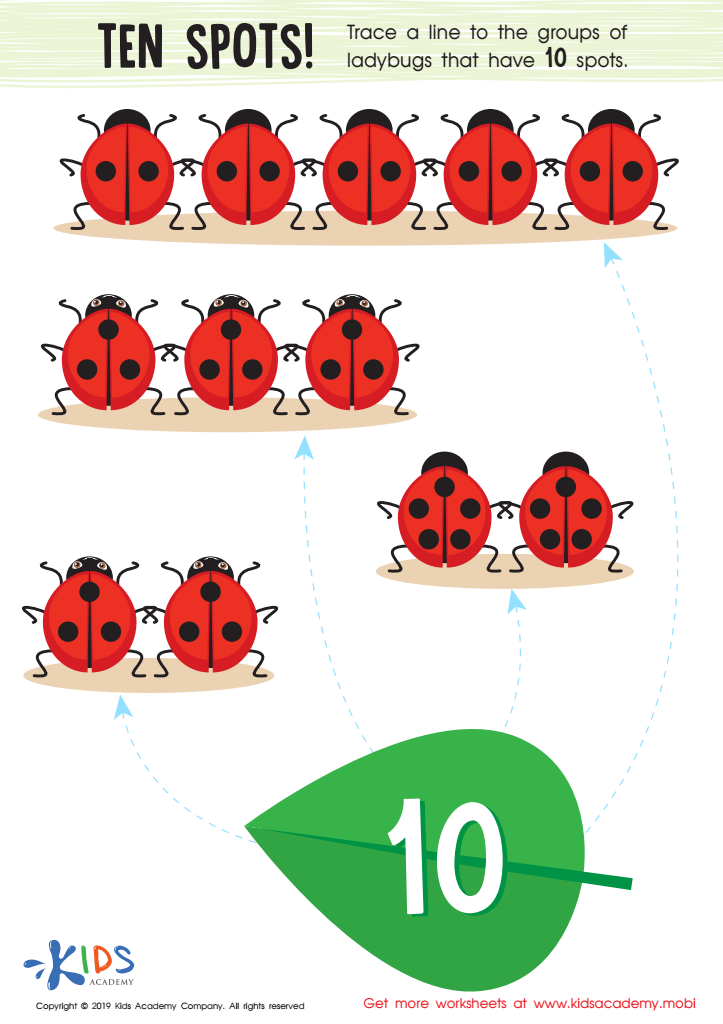
Ten Spots Worksheet
Kids love ladybugs! Ask them to tell you what stands out most--the spots. Show them a picture and help them count the spots. Trace a line to the group with 10 spots for a fun counting lesson.
Ten Spots Worksheet
Worksheet
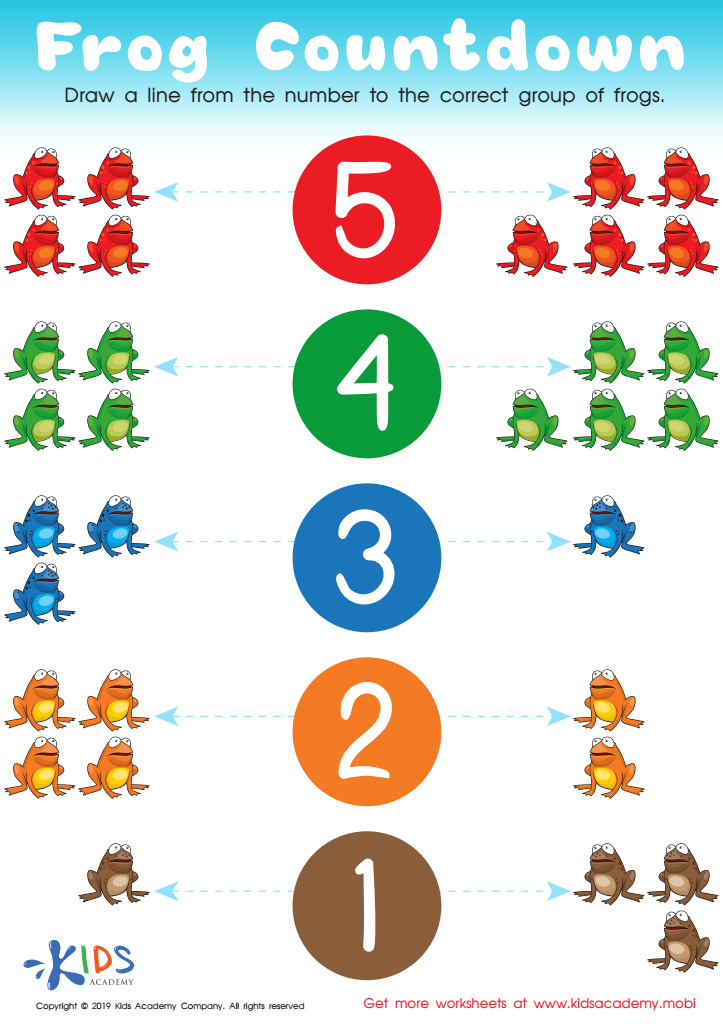
Frog Countdown Worksheet
Make learning fun for kids with traceable printouts! This exercise has kids counting frogs and drawing a line to match the number. Expand their knowledge with activities like this, beyond the basics they learn in school. Help them explore new ways of learning and make it enjoyable.
Frog Countdown Worksheet
Worksheet
Join Kids Academy for Free
Who is primarily going to use this learning content?








Fine motor skills are crucial for children's overall development, particularly in kindergarten, where they are foundational for learning. Play an essential role in activities like writing, cutting, and using tools, which are often utilized in counting and math-related tasks.
When children develop fine motor skills, they become more comfortable manipulating objects, which can enhance their ability to count and understand numbers. For example, using manipulatives like counters, beads, or blocks not only makes counting engaging but also encourages the development of precision and control in their hand movements.
Teachers and parents should be concerned about these skills, as they directly influence a child's ability to grasp mathematical concepts. Poor fine motor skills can hinder a child’s handwriting or their ability to complete tasks involving numbers, leading to frustration and reduced confidence.
Moreover, fine motor development is linked to cognitive skills, such as problem-solving and critical thinking. Encouraging practice through fun activities—like crafts and games—can nurture these skills, making counting enjoyable. In summary, attention to fine motor skills helps foster a child's math proficiency, independence in tasks, and self-esteem, ultimately setting them up for success in school and beyond.