
Differentiating shapes Normal Kindergarten Geometry Worksheets
3 filtered results
Difficulty Level
Grade
Age
-
From - To
Subject
Activity
Standards
Explore our "Differentiating Shapes Normal Kindergarten Geometry Worksheets" designed to enhance young learners' understanding of various shapes. These engaging worksheets introduce essential geometry concepts through fun activities that help children identify, compare, and categorize shapes like squares, circles, triangles, and rectangles. Tailored for kindergarten students, our resources aim to promote visual recognition and spatial awareness while fostering critical thinking skills. Each worksheet offers vibrant visuals and interactive tasks to keep children motivated and excited about learning. Perfect for classroom use or at-home practice, these worksheets make shape differentiation enjoyable and effective, ensuring a strong foundation for future mathematical concepts.
Favorites
With answer key
Interactive
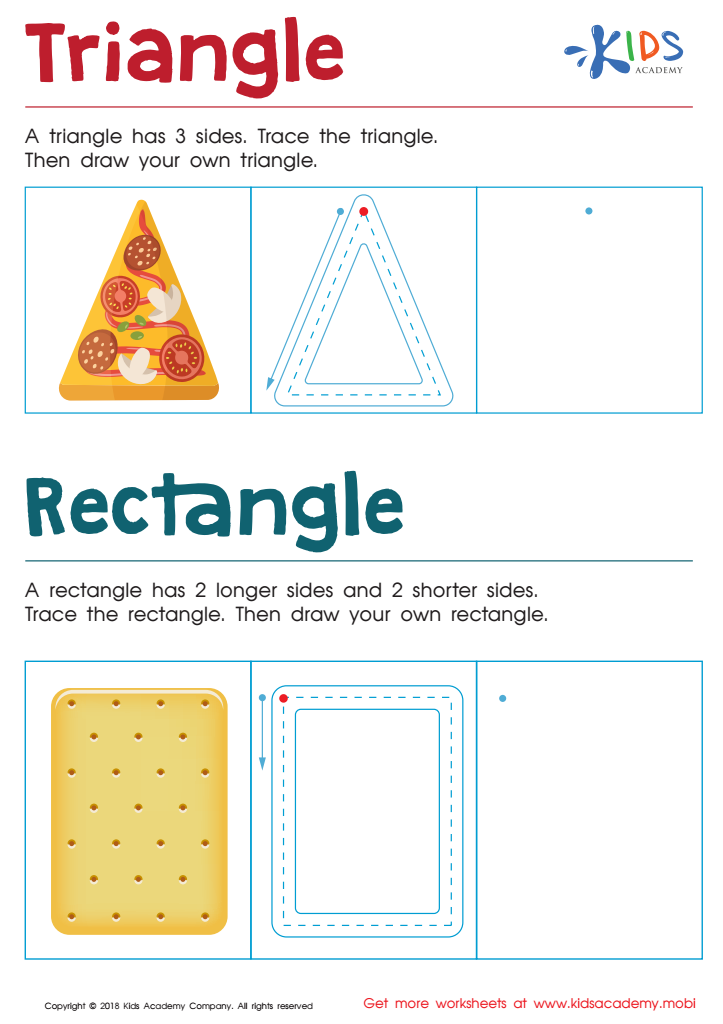
Triangle Rectangle Worksheet
This printable worksheet helps kids draw rectangles and triangles. Have your child trace the pizza and cracker shapes to become familiar, then try their own. Perfect for second graders! Coloring and creativity make this fun and educational.
 Assign to My Students
Triangle Rectangle Worksheet
Worksheet





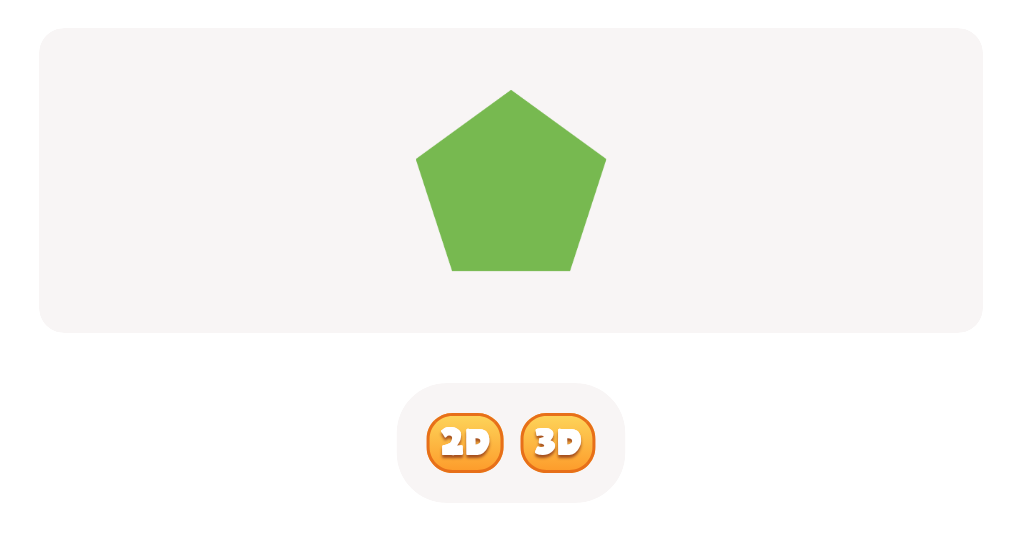

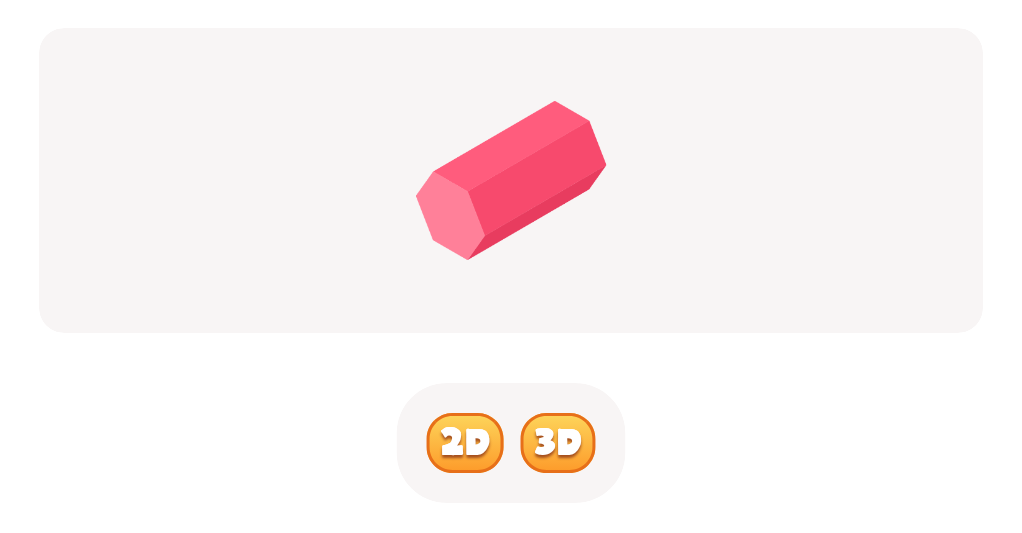
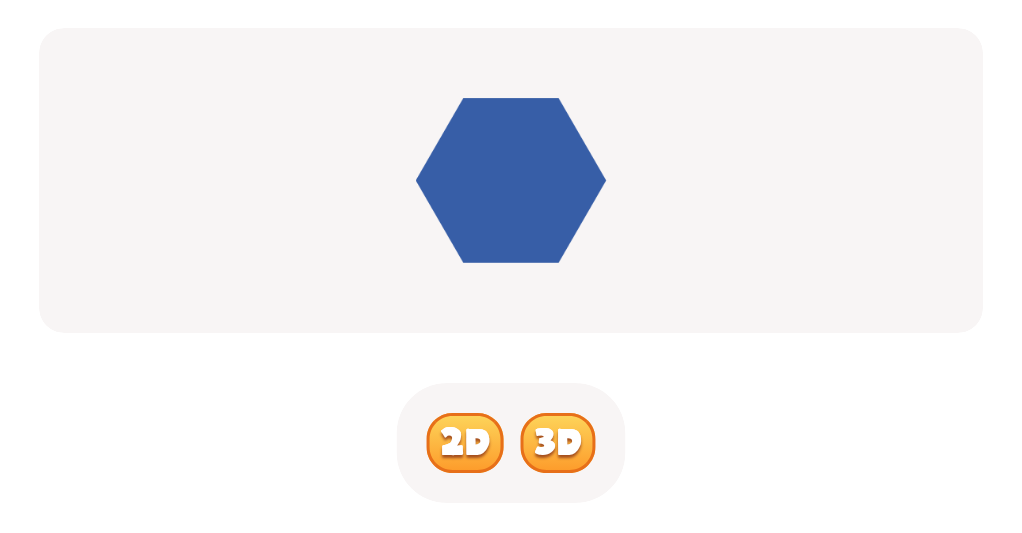

Plane Geometry: Sides Worksheet
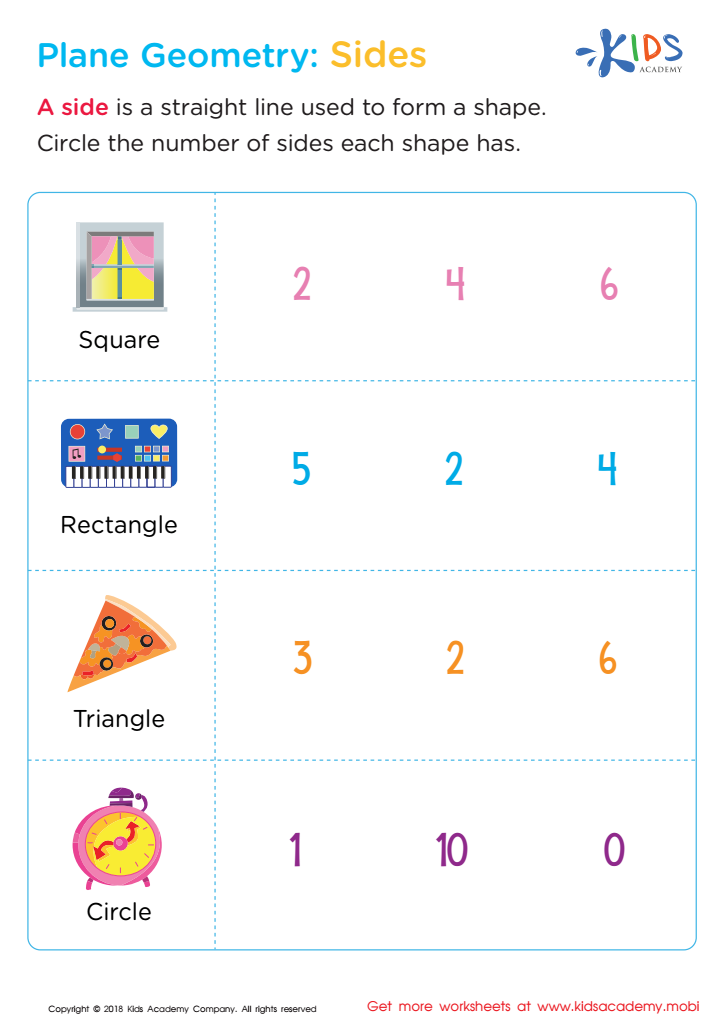
Knowing the properties of basic geometric shapes is a great skill to have. Download this free worksheet and let your kids learn about sides and shapes using colorful pictures. They'll see each shape has its own number of sides, laying the groundwork for identifying and recognizing shapes in the future.
Plane Geometry: Sides Worksheet
Worksheet
3D Shapes Worksheet
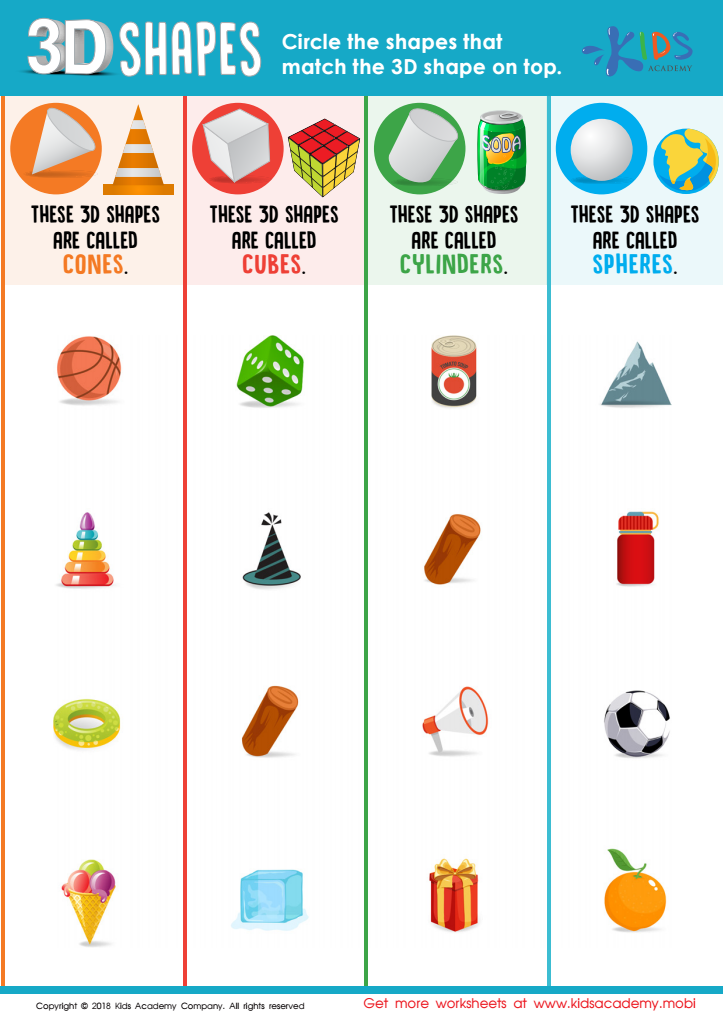
It's time to identify 3D shapes! This worksheet helps kids find and name shapes like cones, cylinders, cubes, and spheres using pictures of everyday objects. Let's explore 3D shapes in the real world!
3D Shapes Worksheet
Worksheet
Join Kids Academy for Free
Who is primarily going to use this learning content?








Differentiating shapes is a crucial aspect of early childhood education, especially in Kindergarten geometry. It helps children develop foundational spatial awareness and critical thinking skills essential for their overall cognitive development. By introducing various shapes—such as circles, squares, triangles, and rectangles—children learn to recognize and categorize objects in their environment, enhancing their understanding of the world around them.
When parents and teachers emphasize the differentiation of shapes, they foster a child's ability to visualize and manipulate objects mentally. This skill lays the groundwork for advanced mathematical concepts later in life, such as symmetry, fractions, and geometric reasoning. Engaging students with hands-on activities—like sorting shapes, building structures, or using interactive play—makes learning enjoyable and promotes active participation.
Moreover, differentiated shape instruction caters to diverse learning styles and paces, ensuring that all children, regardless of their backgrounds or abilities, can grasp these concepts. Awareness of shapes also improves a child's language skills as they learn vocabulary associated with geometry, such as sides, corners, and dimensions. Ultimately, differentiating shapes helps create a well-rounded educational experience, teaching essential skills and fostering a love for learning that lasts a lifetime.








