Animal recognition Normal Kindergarten Science Worksheets
3 filtered results
-
From - To
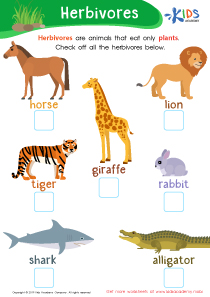
Explore our engaging "Animal Recognition Normal Kindergarten Science Worksheets," designed to captivate young learners while fostering their curiosity about the animal kingdom. Perfect for preschool and kindergarten children, these worksheets include fun activities like matching animals to their habitats, identifying different species, and understanding basic animal facts. Each worksheet encourages interactive learning, promoting observation and critical thinking skills essential for early childhood development. Printed materials can easily be integrated into your classroom or home learning environment, making science accessible and enjoyable. Stimulate your child's love for nature with our comprehensive collection designed to enrich their knowledge and spark their imagination!
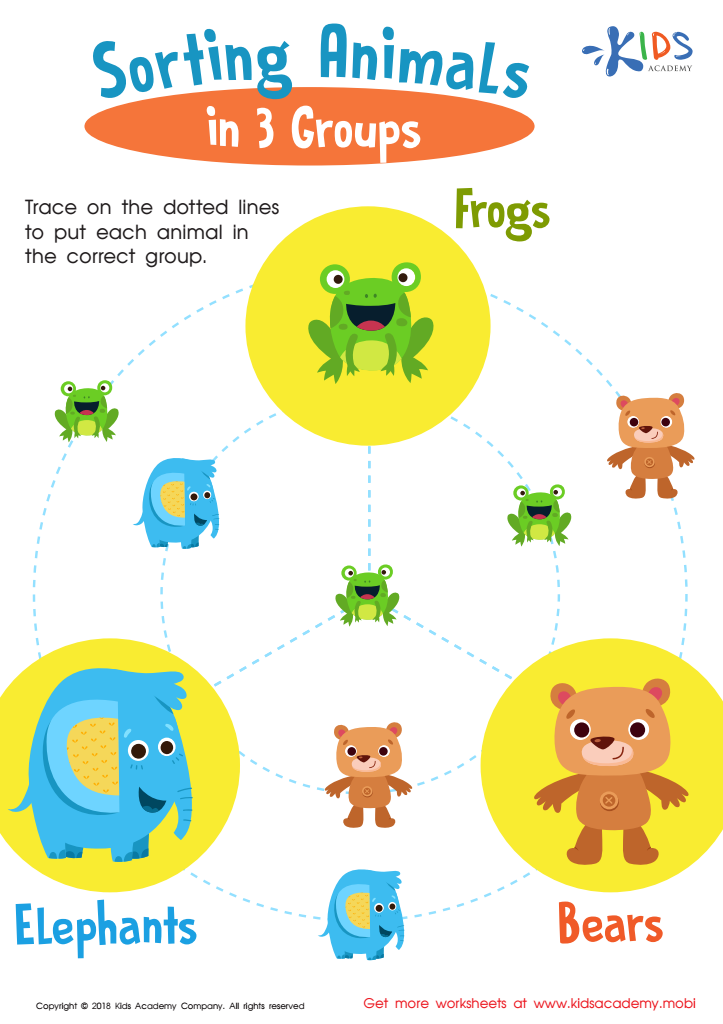
Sorting Animals in 3 Groups Worksheet
 Assign to My Students
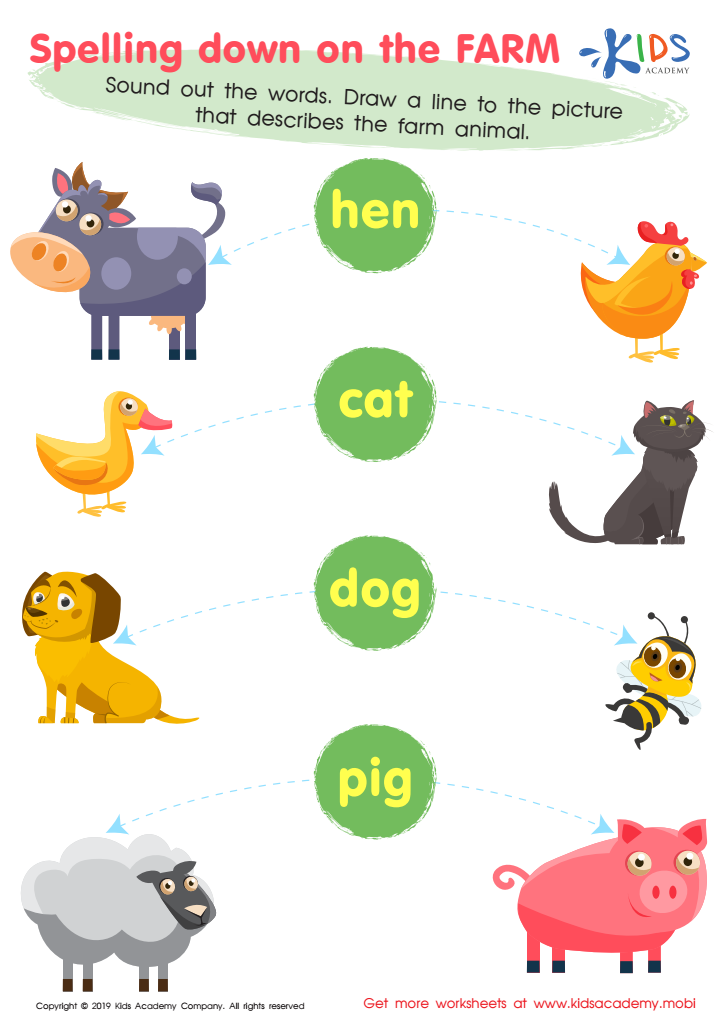
Spelling Down on the Farm Worksheet
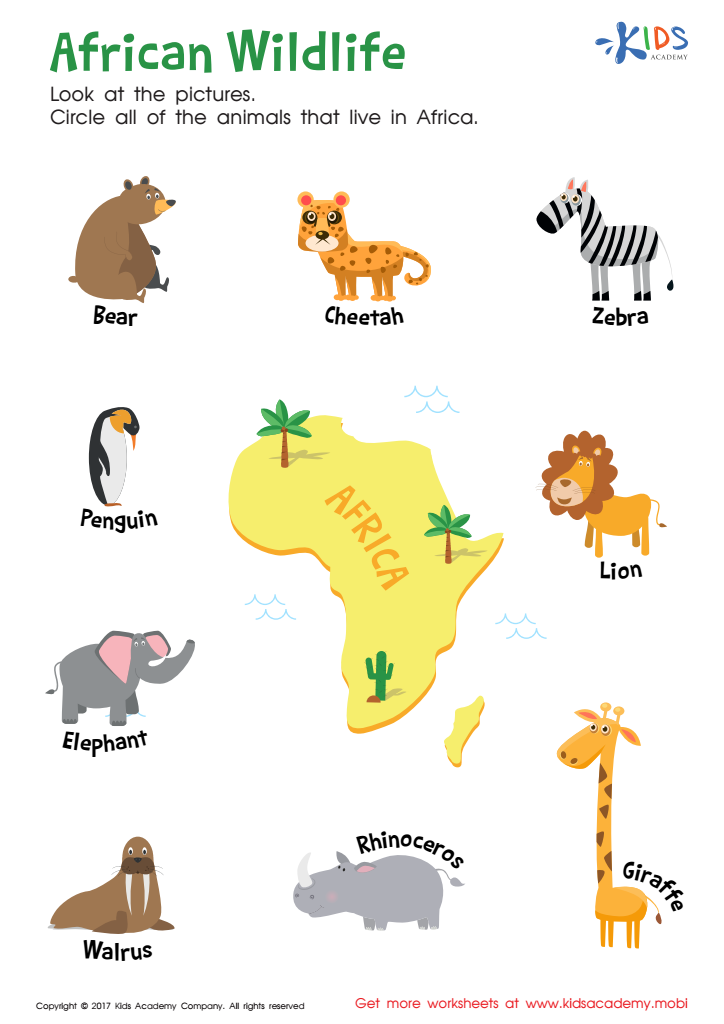








Parents and teachers should care about animal recognition in kindergarten science because it plays a crucial role in children's cognitive and social development. Early childhood is a formative period where children begin to explore the world around them, and recognizing different animals helps them understand biodiversity and the ecosystem. Learning about animals fosters curiosity, promoting observational skills and critical thinking as children categorize, compare, and analyze various species.
Moreover, animal recognition can enhance children's language development. As they learn the names and characteristics of different animals, they build their vocabulary and improve communication skills. This knowledge can also lay the groundwork for future learning in biology and environmental science, igniting a passion for nature and conservation.
Additionally, learning about animals encourages empathy and social responsibility. Understanding creatures, their habitats, and their roles in the ecosystem can nurture a sense of care for the environment and a commitment to protecting it. Topics related to animals can spark exciting conversations, strengthen parent-teacher collaboration, and create engaging learning experiences. Ultimately, introducing animal recognition in early education cultivates inquisitive, compassionate, and knowledgeable individuals, setting the stage for a lifetime of exploration and stewardship.