Number Recognition Normal Kindergarten Science Worksheets
4 filtered results
Difficulty Level
Grade
Age
-
From - To
Subject
Activity
Standards
Our "Number Recognition Normal Kindergarten Science Worksheets" offer a fun and interactive way for young learners to identify and become familiar with numbers. These carefully designed worksheets enhance kindergarten students' skills through engaging activities that integrate basic science concepts and numbers. Perfect for both classroom and home use, they promote hands-on learning and critical thinking. Each worksheet aims to build foundational math skills, boost confidence, and incite curiosity about the world. Ideal for early-grade educators and parents, our worksheets make mastering number recognition a delightful and educational experience for kids.
Favorites
With answer key
Interactive
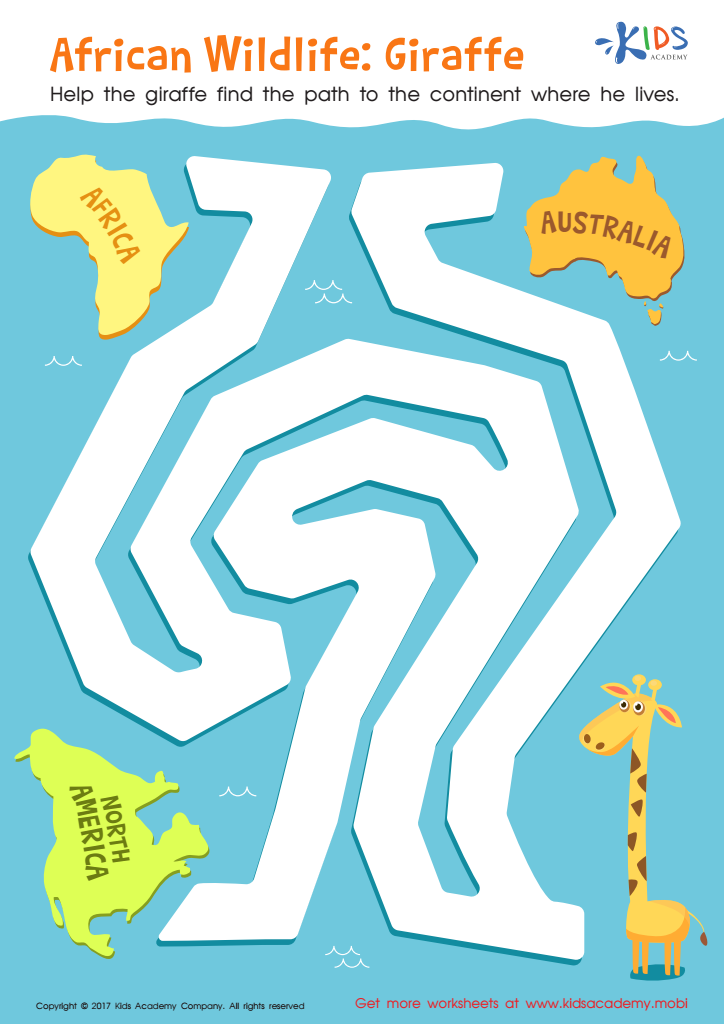
African Wildlife: Giraffe Worksheet
Help the giraffe get home! This African wildlife giraffe worksheet will boost your child's logical reasoning skills while they complete a maze to help the giraffe navigate choppy waters. Learn about different continents and their unique climates, practice problem solving and expand knowledge of the world and its habitats. Perfect for inspiring little learners!
 Assign to My Students
African Wildlife: Giraffe Worksheet
Worksheet
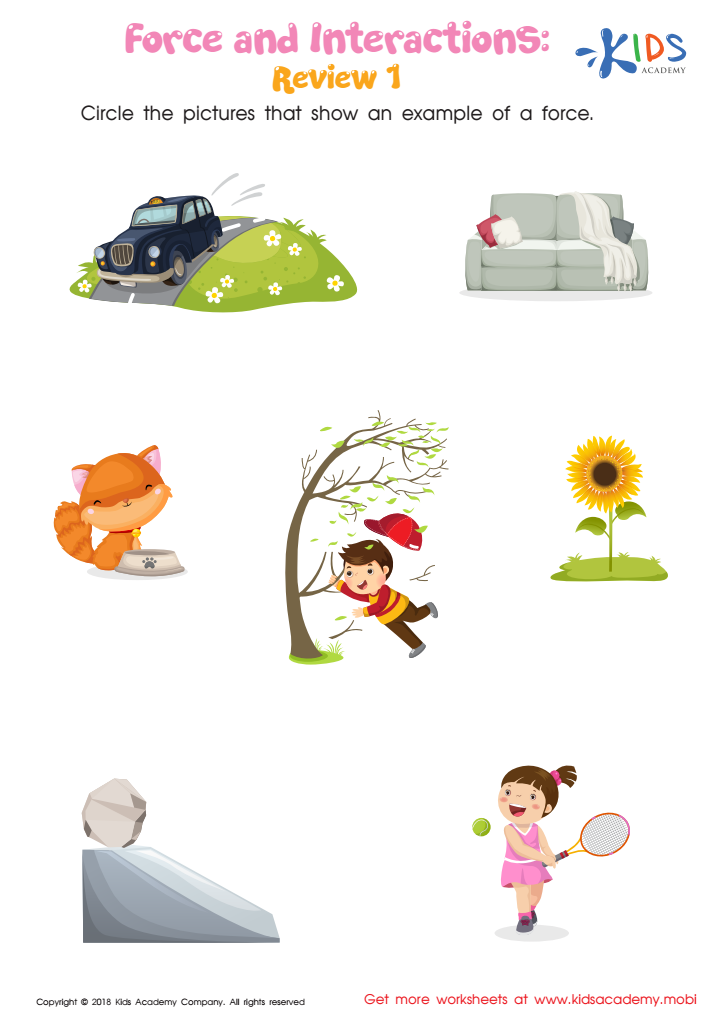
Force and Interactions: Review 1 Worksheet
See how well your child can identify the different forces.
Explain to your child that force is what causes objects to move, such as wind blowing a branch or an object going down a ramp. Ask them to circle images that show a force and assess how well they can identify them.
Force and Interactions: Review 1 Worksheet
Worksheet
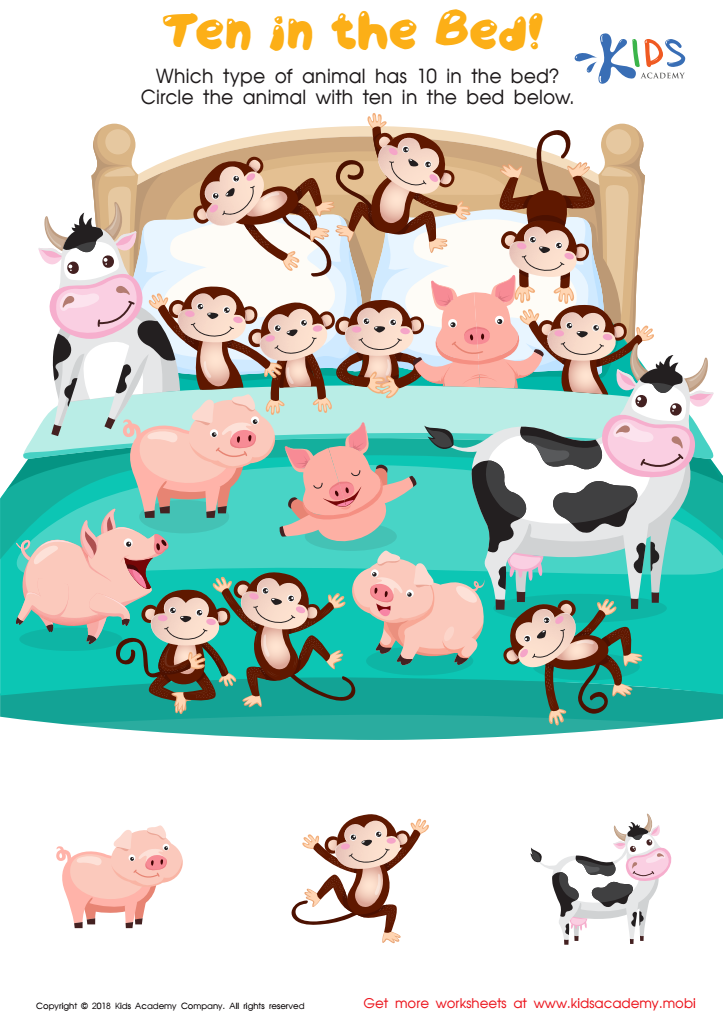
Ten in the Bed Worksheet
This fun worksheet has your kids counting and sorting friendly animal faces in a bed of ten! It's a great way for them to practice their mental math skills, like adding and multiplying more efficiently. Plus, it brings a new meaning to the classic song "Monkeys Jumping on the Bed"!
Ten in the Bed Worksheet
Worksheet
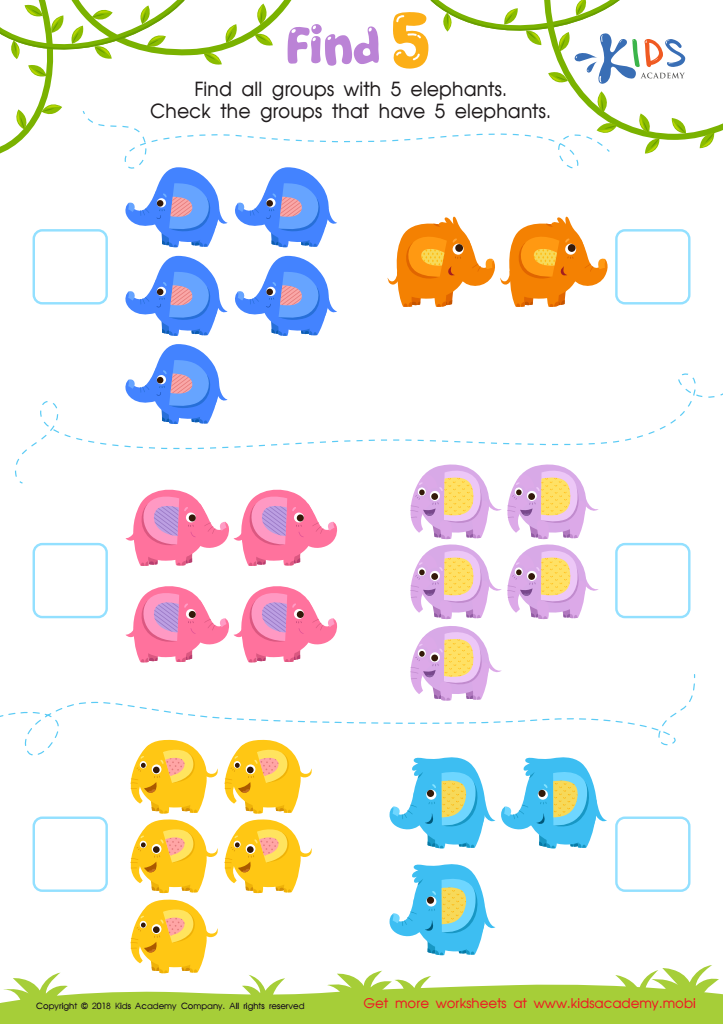
Find 5 Worksheet
Kids will love these cheery elephants that help them discover grouping and counting by fives. It's a great way to start learning addition and multiplication, while also developing fine motor skills. Download the free PDF and let the fun begin.
Find 5 Worksheet
Worksheet
Join Kids Academy for Free
Who is primarily going to use this learning content?





.jpg)

%20(1).jpg)
Number recognition in early childhood education is fundamental as it lays the groundwork for future mathematical skills and cognitive development. For parents and teachers, fostering number recognition in kindergarten is crucial because it helps children understand and interact with the world in a more structured and logical way. When children recognize and understand numbers, they can quantify objects, grasp the concept of time, and even begin to understand more complex mathematical operations such as addition and subtraction.
In the context of science, number recognition plays a significant role by aiding children in observing and measuring phenomena. Early exposure to numerical concepts allows young learners to categorize data, compare quantities, and begin developing analytical skills. For instance, understanding numbers helps children measure quantities in simple science experiments, which is essential for developing a scientific mindset.
Moreover, mastery of number recognition is linked to other academic disciplines and life skills including reading time on clocks and managing personal responsibilities such as sticking to schedules. Children proficient in recognizing numbers often demonstrate better problem-solving abilities and logical thinking processes.
Therefore, parents and teachers should prioritize number recognition in kindergartners not just for immediate academic success, but to equip children with essential tools for critical thinking and practical life skills that they will use throughout their lives.