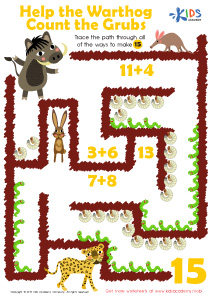
Fine Motor Skills Normal Kindergarten Writing Worksheets
5 filtered results
-
From - To
Discover our collection of Fine Motor Skills Normal Kindergarten Writing Worksheets, designed to enhance your child's handwriting abilities while developing essential fine motor skills. These engaging worksheets feature a variety of activities that promote hand-eye coordination, grip strength, and dexterity. From tracing letters to connecting dots, each exercise encourages young learners to practice their writing in a fun and interactive way. Perfect for educators and parents alike, these resources support early childhood development by making writing enjoyable. Empower your kindergartener with the tools they need for successful learning and confident writing! Explore our printable worksheets to foster creativity and skill development today.
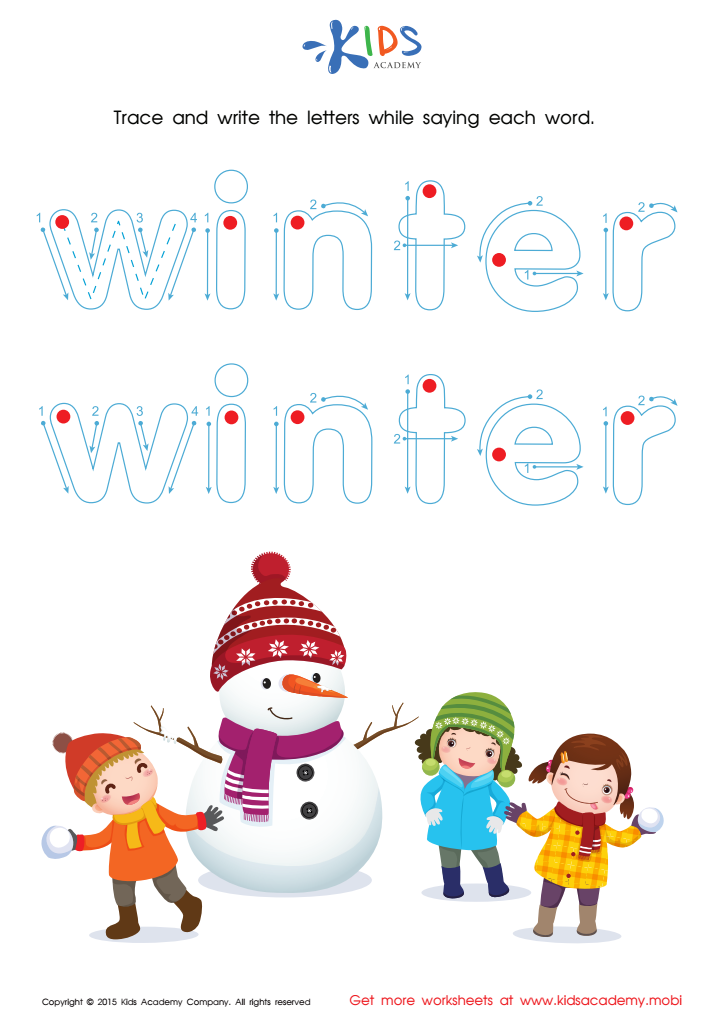
Snowman Tracing Winter Words Worksheet
 Assign to My Students
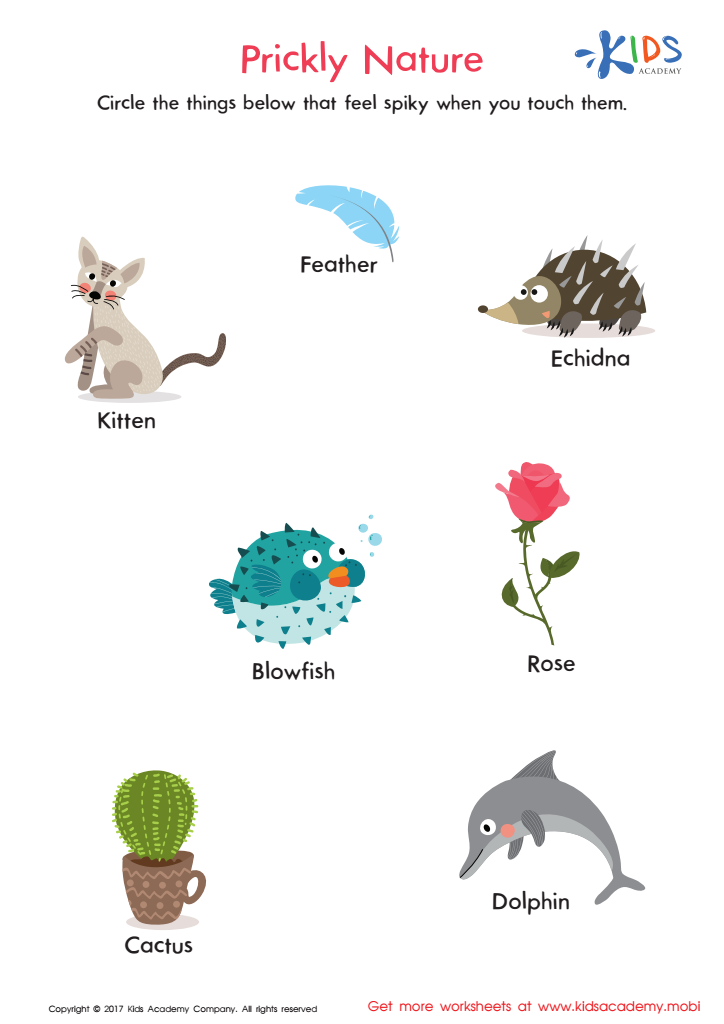
Prickly Nature Worksheet
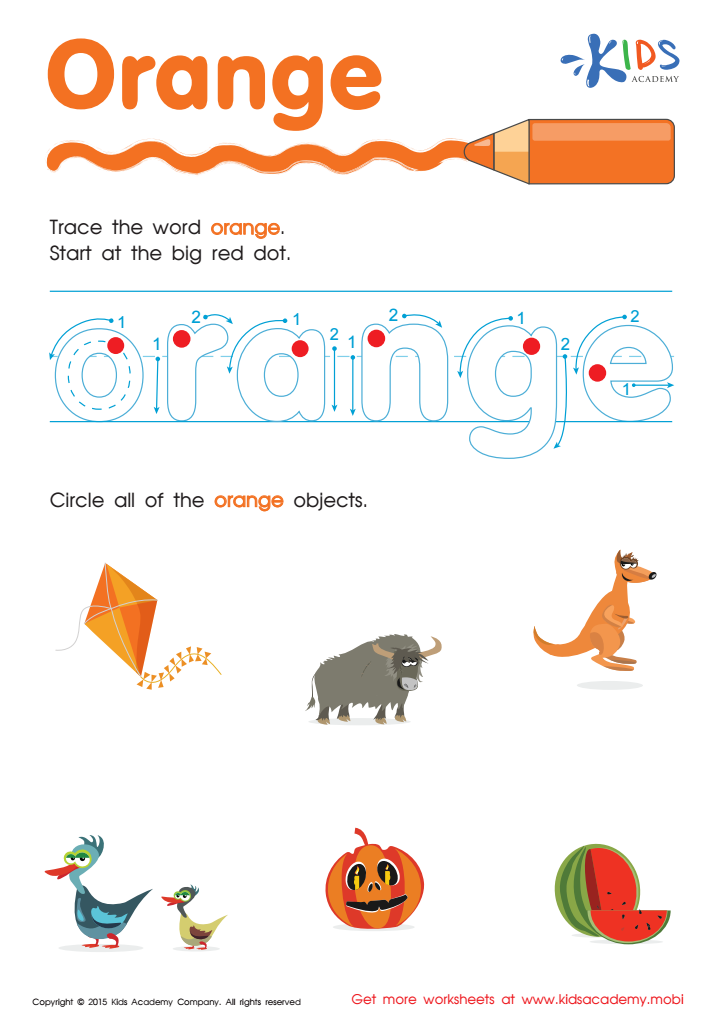
Orange Tracing Color Words Worksheet

Lowercase Letters d e f Worksheet
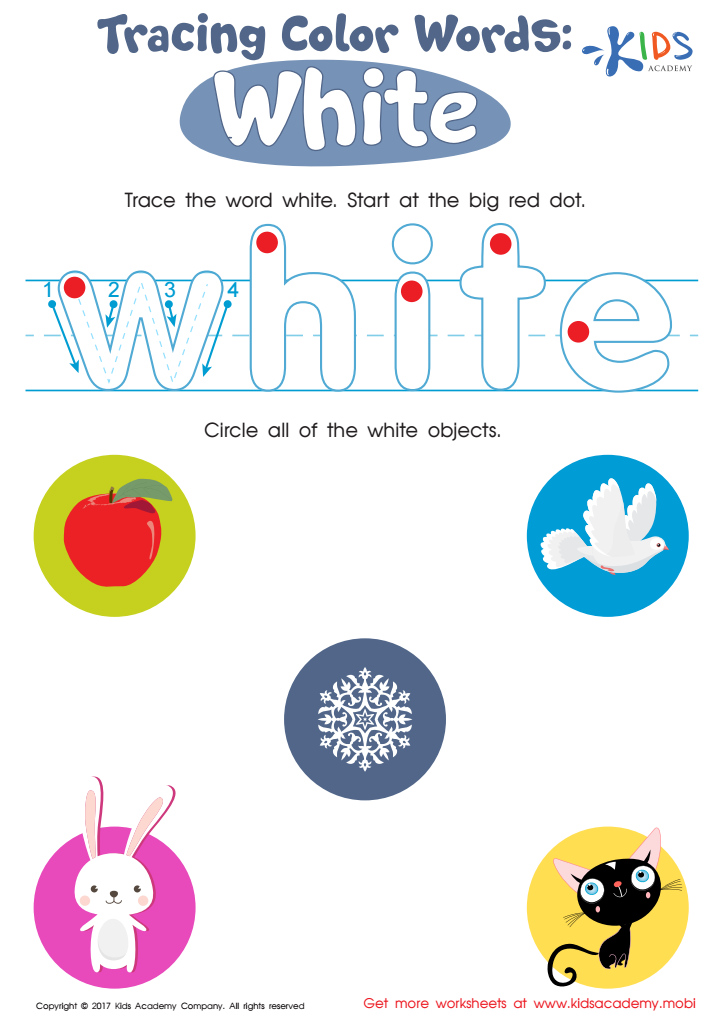
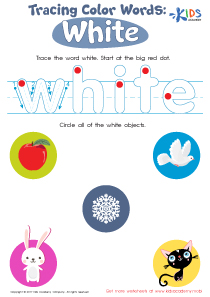
White Tracing Color Words Worksheet








Fine motor skills are crucial for kindergarten children’s overall development, particularly in writing. These skills involve the precise movements of small muscles in the hands and fingers, allowing children to manipulate objects and perform tasks like holding a pencil, cutting with scissors, or tying shoelaces. Parents and teachers should care about the development of fine motor skills because they lay the foundation for effective handwriting.
Proper handwriting is not only essential for academic success but also impacts children’s self-esteem and confidence in their abilities. Good fine motor skills help children develop better control and grip, leading to improved legibility and speed in writing. Additionally, engaging in activities that strengthen these skills can enhance concentration, focus, and cognitive development.
Moreover, encouraging fine motor skill activities fosters creativity and exploration. Through play-based learning strategies, both parents and teachers can help children practice these skills in enjoyable ways, such as through drawing, molding clay, or playing with building blocks. By prioritizing fine motor development, adults are supporting their children’s readiness for school and helping them build essential life skills, paving the way for successful educational experiences and beyond.