Alphabetical order understanding Normal Preschool ABC Letters Worksheets
3 filtered results
-
From - To
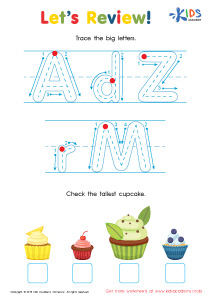
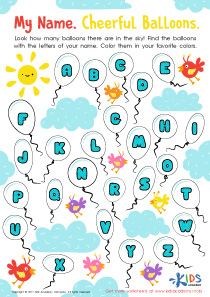
Unlock the power of literacy with our "Alphabetical Order Understanding Normal Preschool ABC Letters Worksheets." Designed specifically for young learners, these engaging worksheets help preschoolers grasp the concept of alphabetical order through fun, interactive activities. With vibrant visuals and intuitive prompts, children will enjoy sorting letters, identifying sequence, and enhancing their vocabulary skills. Our worksheets offer a hands-on approach, making learning enjoyable and effective. Perfect for classroom or home use, these resources lay a solid foundation for future reading and writing success. As children progress through these worksheets, they'll build confidence in their literacy skills one letter at a time!

Letter G Tracing Page
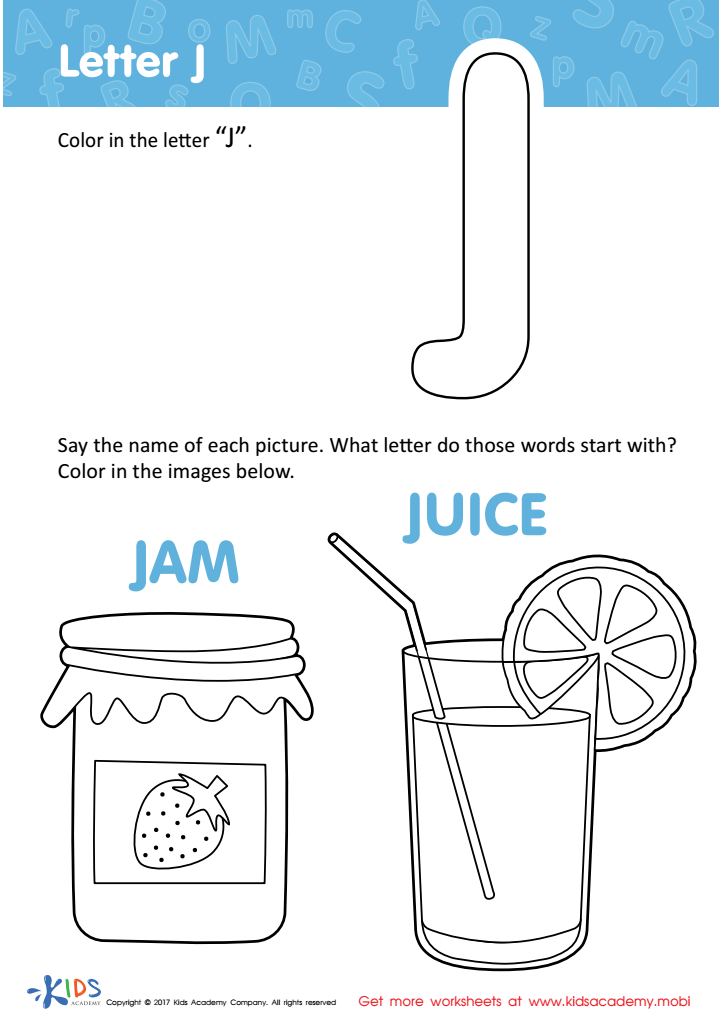
Letter J Coloring Sheet
 Assign to My Students
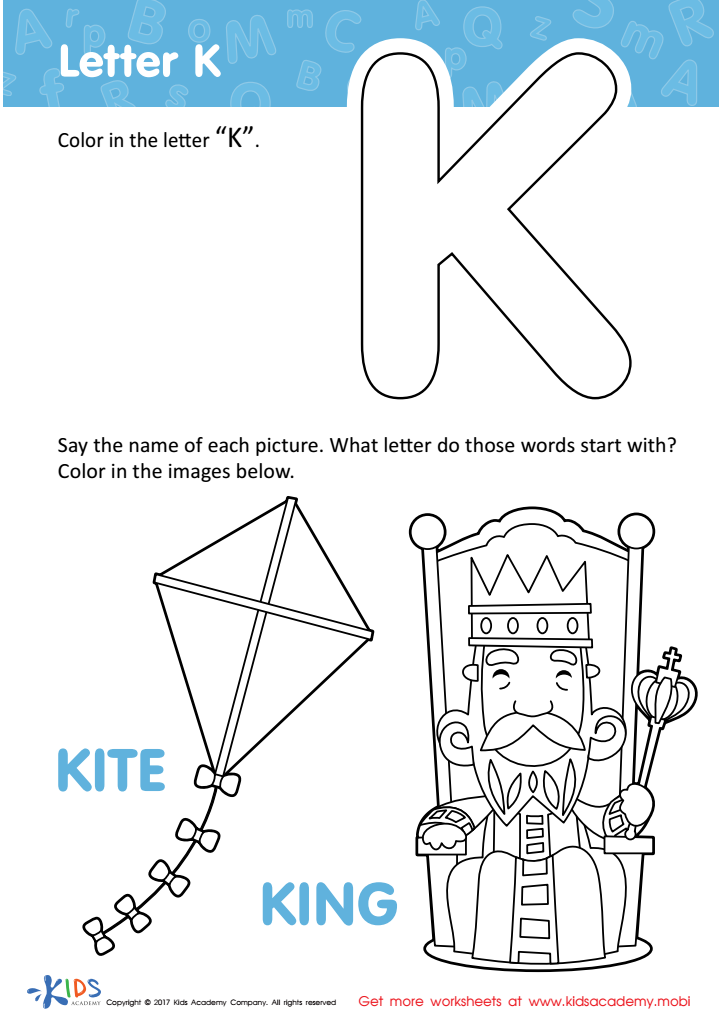
Letter K Coloring Sheet
Assign to My Students






Understanding alphabetical order is essential for preschool children as it forms the foundation for reading, writing, and effective communication skills. First, organizing letters alphabetically helps children recognize letter names and sounds, promoting phonemic awareness — a crucial skill for reading development. Mastering the ABCs in order aids in early literacy, making it easier for children to progress in their education.
Additionally, recognizing alphabetical order teaches children how to locate information efficiently. In a world filled with books, internet resources, and digital media, knowing how to find words and information quickly is invaluable. This skill fosters independence and boosts confidence.
Alphabetical order also helps children understand the structure of language. It introduces them to concepts such as sorting and categorizing, enhancing their cognitive processes. This hierarchical thinking is vital not only in language but also in problem-solving across various subjects.
For parents and teachers, prioritizing alphabetical order understanding in preschool sets the stage for a rich educational experience, laying the groundwork for future academic success. Nurturing this skill from a young age can facilitate positive attitudes towards learning, promoting curiosity and engagement with language, ultimately enhancing children's overall educational journey.