Handwriting Skills Normal Preschool Alphabet Worksheets
5 filtered results
-
From - To
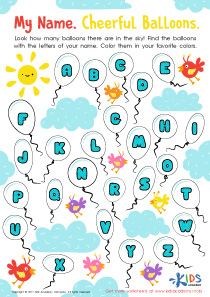
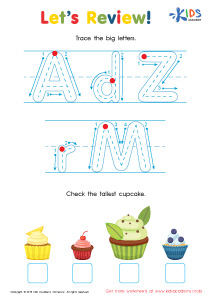
Enhance your preschoolers' handwriting skills with our engaging Normal Preschool Alphabet Worksheets! Designed for early learners, these worksheets provide a fun and effective way for children to practice letter formation and improve fine motor skills. Each worksheet focuses on different alphabet letters, featuring clear guidelines and tracing exercises that promote proper pencil grip and control. By incorporating creative visuals and interactive activities, we help make learning enjoyable and inspiring. Support your child's early literacy development while building confidence in their writing abilities. Explore our collection today to set your little ones on the path to handwriting success!
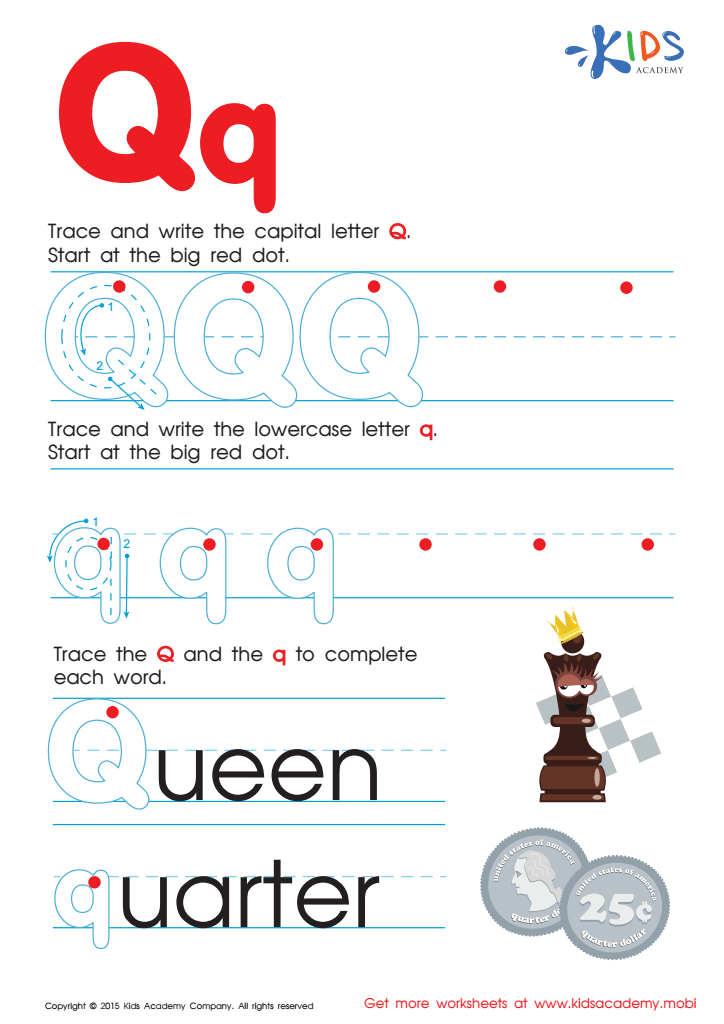
Letter Q Tracing Page
 Assign to My Students
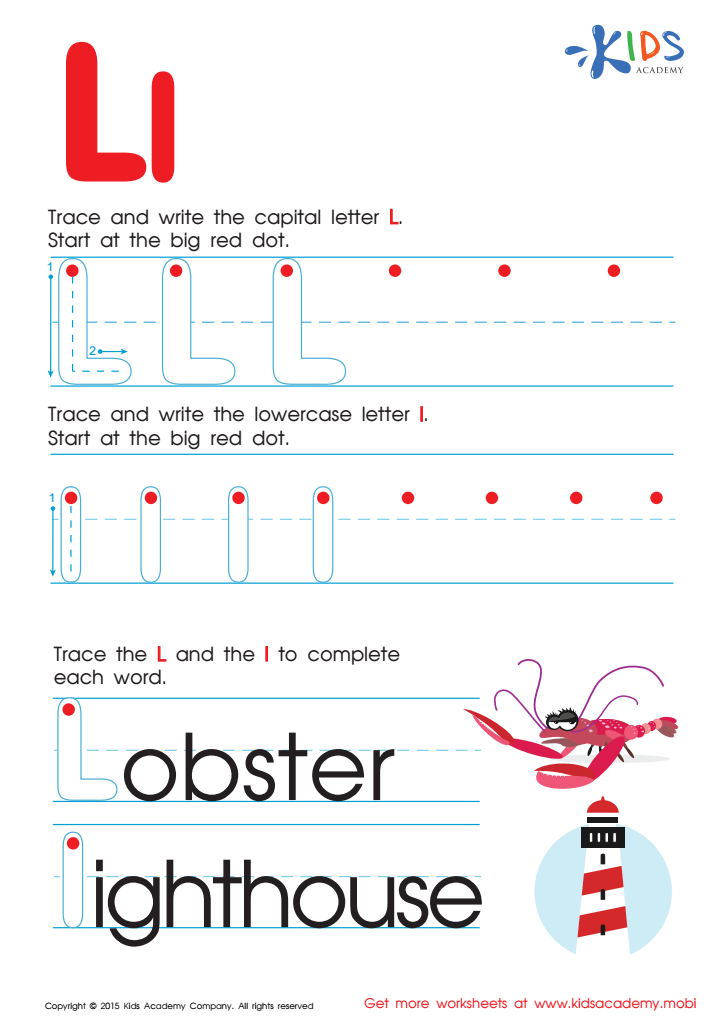
Letter L Tracing Page
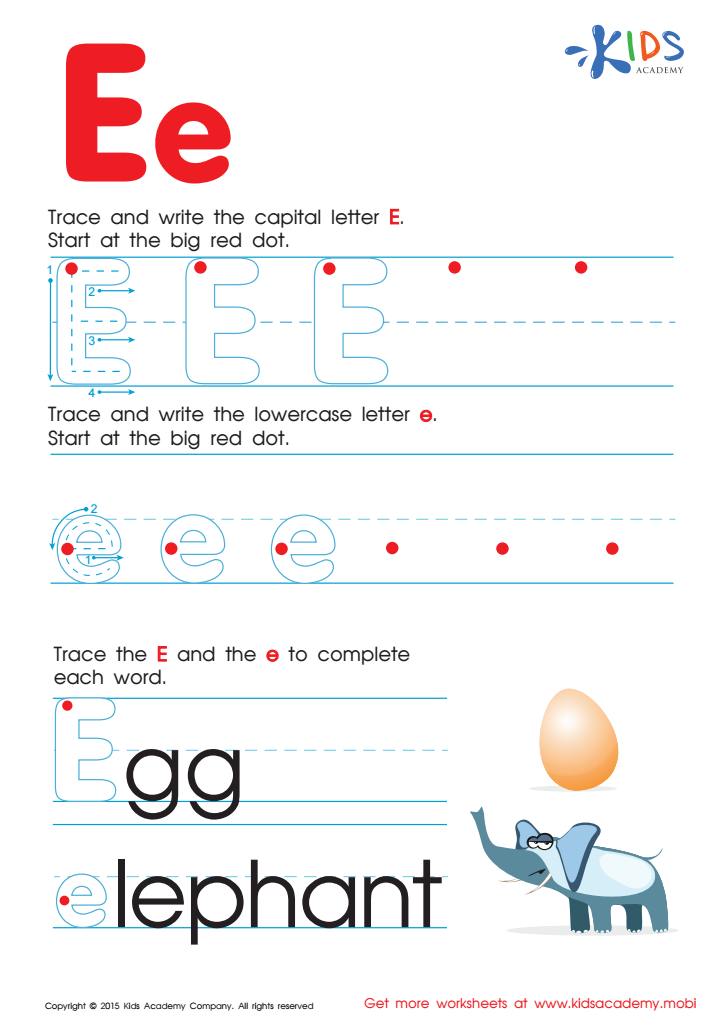
Letter E Tracing Page
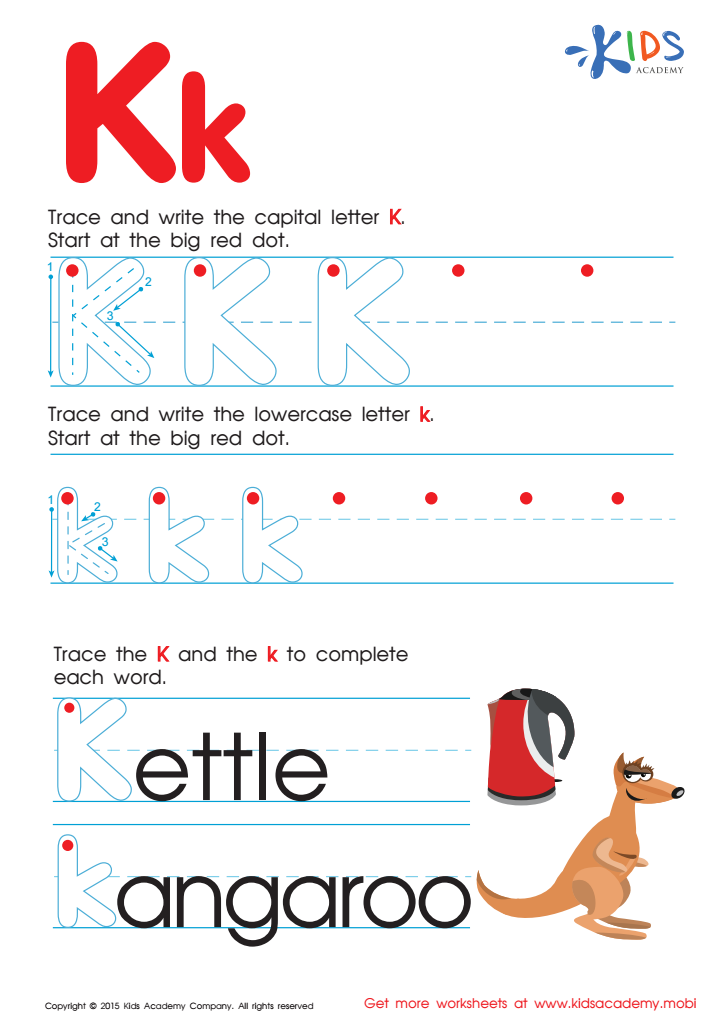
Letter K Tracing Page
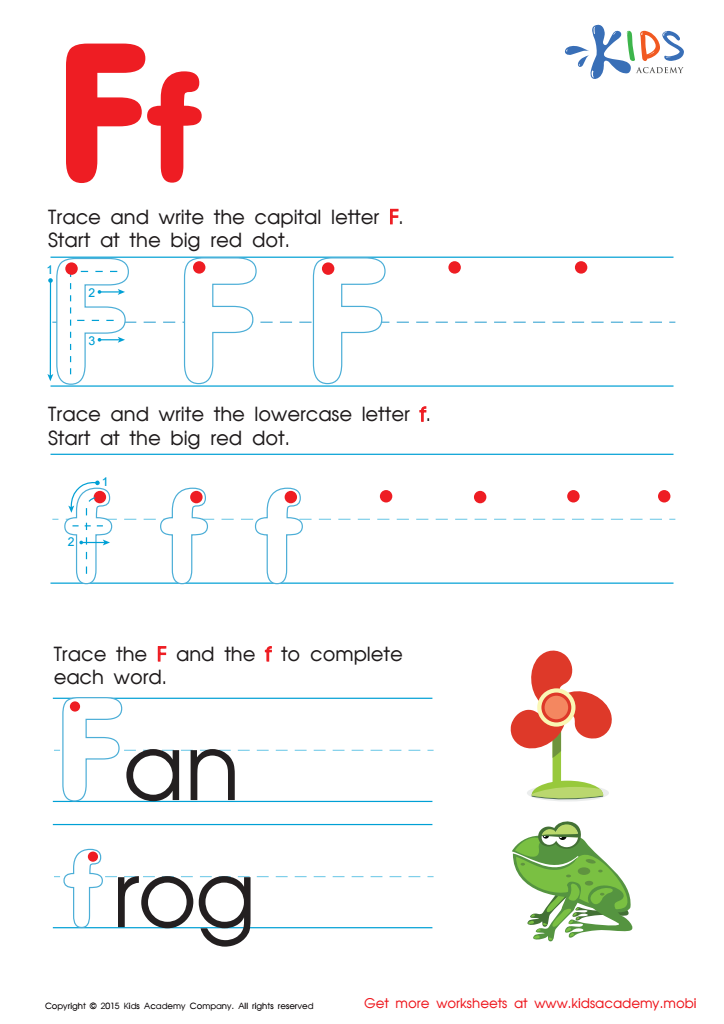
Letter F Tracing Page





.jpg)


Handwriting skills are fundamental for preschoolers as they lay the groundwork for future academic success. Learning to write the normal preschool alphabet enhances not only fine motor skills but also cognitive development. When children practice their letters, they improve hand-eye coordination, strength, and dexterity in their fingers. These physical abilities are crucial for various tasks beyond writing, including drawing, using scissors, and eventually typing.
Moreover, handwriting fosters language acquisition and literacy skills. As children learn to form letters correctly, they also engage with the sounds those letters represent, reinforcing phonemic awareness. This foundational knowledge is vital for reading and spelling proficiency.
Teachers and parents should also consider the emotional and psychological impact of handwriting. Mastery of writing skills builds confidence and self-esteem in young learners. When children successfully learn to write their names or simple words, it instills a sense of accomplishment and motivation to continue learning.
With technology's prevalence, handwriting can sometimes take a backseat in early education. However, prioritizing handwriting skills ensures a well-rounded education, preparing preschoolers for the challenges and opportunities that await them in their academic journeys. By nurturing these skills, adults support holistic development in children.