Motor skills development Normal Preschool Alphabet Worksheets
3 filtered results
-
From - To
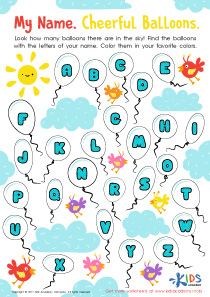
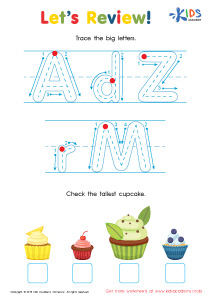
Unlock your child's potential with our Motor Skills Development Normal Preschool Alphabet Worksheets! These engaging worksheets are designed to enhance fine motor skills while introducing the basics of the alphabet. Your little learners will enjoy tracing letters, connecting dots, and engaging in fun activities that foster hand-eye coordination and dexterity. Each worksheet is crafted to keep young minds focused and excited about learning! Perfect for preschoolers, these resources provide an excellent foundation for literacy skills while promoting confidence in writing. Explore our collection and embark on a fun-filled learning journey that nurtures motor skills and early reading readiness today!
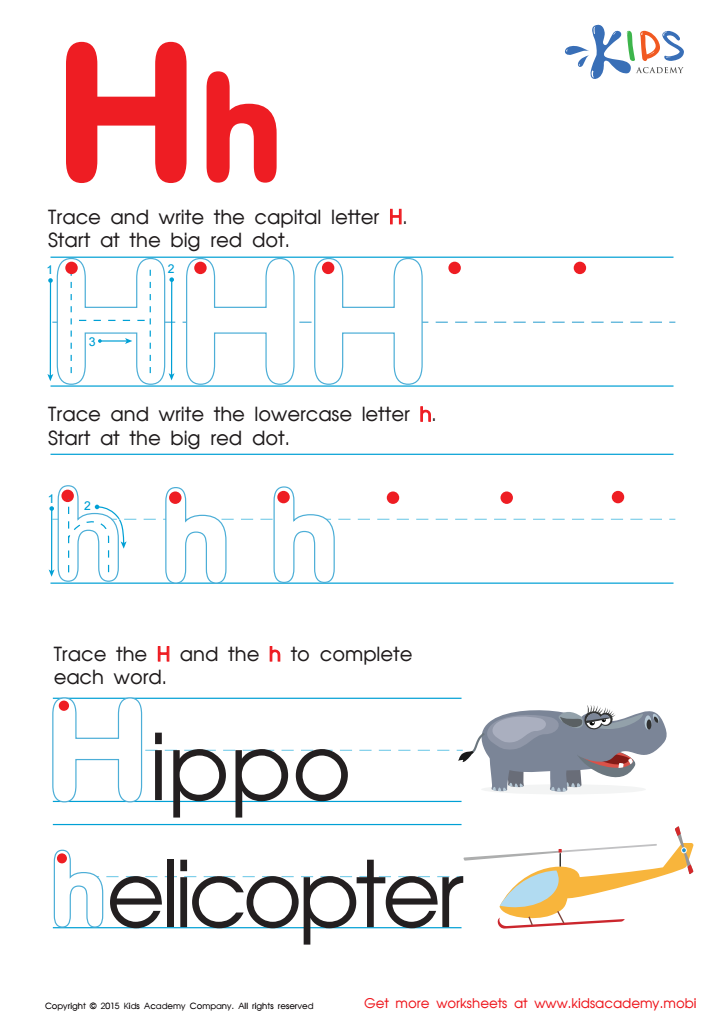
Letter H Tracing Page
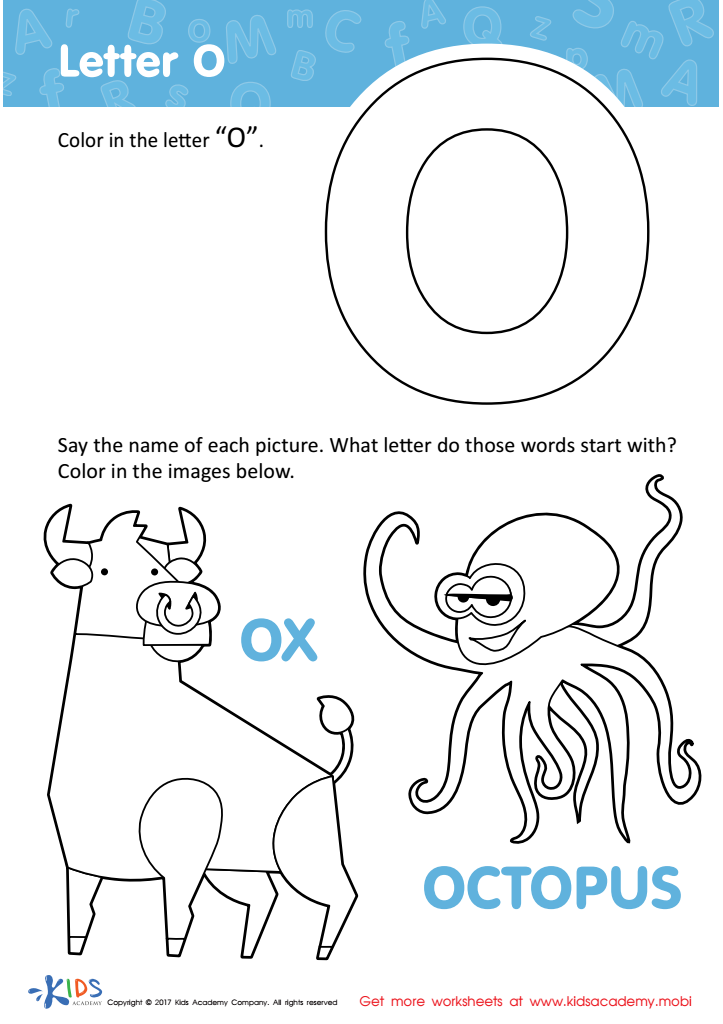
Letter O Coloring Sheet
 Assign to My Students
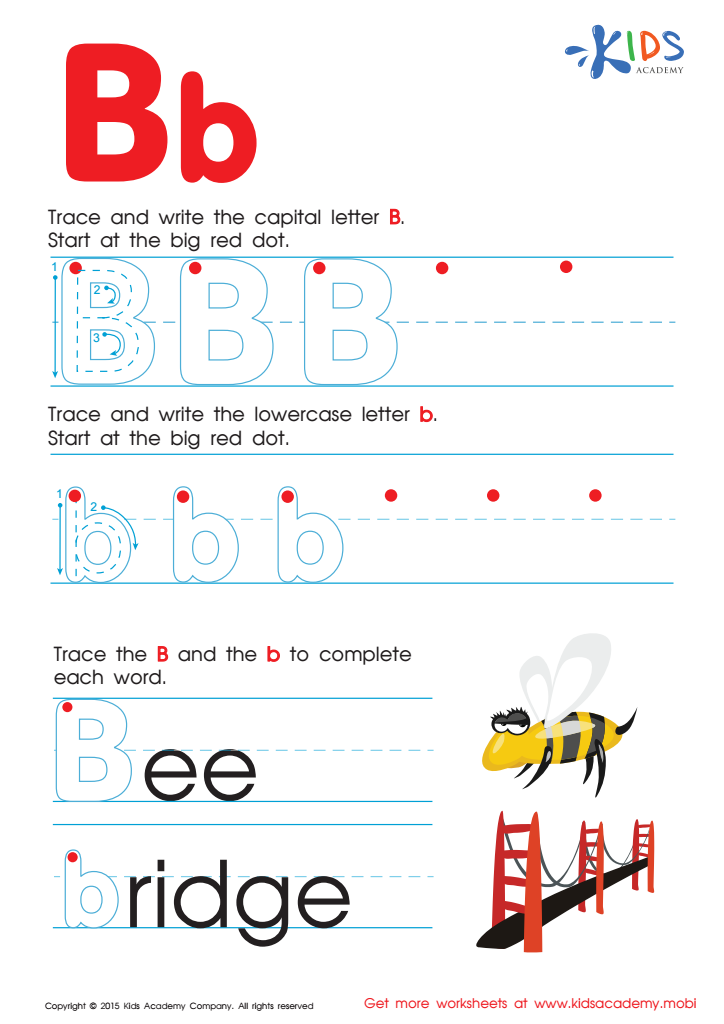
Letter B Tracing Page


.jpg)





Motor skills development is vital for preschool-aged children as it significantly impacts their overall growth and learning. First, fine and gross motor skills are critical for daily tasks and activities. Fine motor skills, which involve smaller movements like grasping and writing, enable children to perform activities such as holding a pencil, which is essential for early literacy, including forming letters and practicing the alphabet. Gross motor skills, such as running, jumping, and climbing, contribute to physical health and coordination, enhancing social interaction during play.
Moreover, strong motor skills can boost a child's confidence and self-esteem. When children can engage in activities effectively, they feel more competent and willing to participate in group settings. This confidence fosters a positive attitude towards learning and school.
Teachers and parents should prioritize motor skills development as it forms the foundation for cognitive abilities and academic success. Research shows that children who exhibit strong motor skills often perform better academically and are more adept at focusing in class. Additionally, incorporating activities that nurture motor development can lead to better outcomes in social skills and emotional regulation. Therefore, investing time into motor skills activities is crucial for fostering holistic childhood development and setting children up for future success.